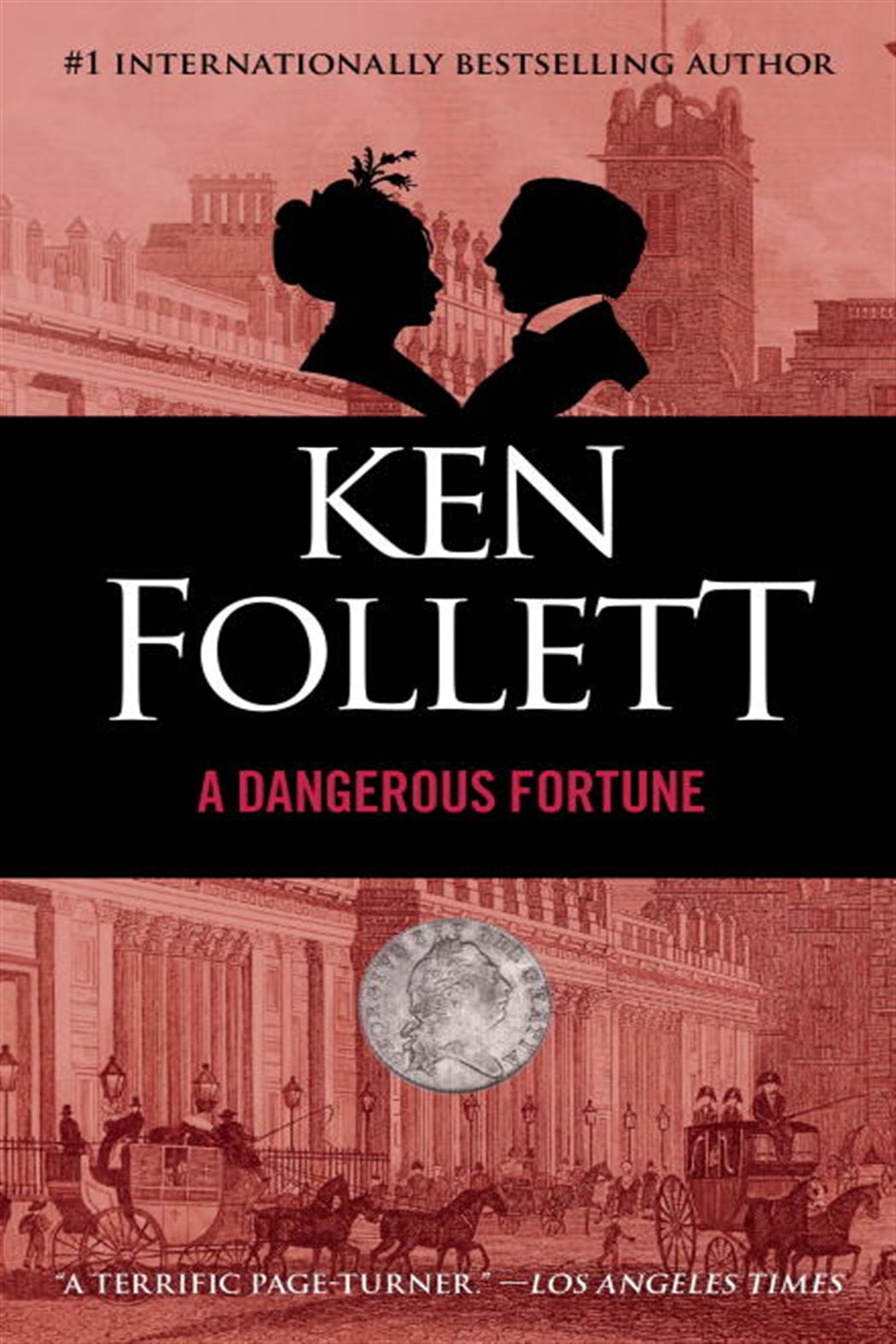
A Dangerous Fortune is a masterfully crafted historical thriller by Ken Follett that delves into the cutthroat world of Victorian high finance, social climbing, and long-buried secrets. Set in 19th-century London, the novel follows the multi-generational saga of the Pilaster banking family, beginning with a mysterious drowning that shapes their destiny for decades.
In the pantheon of Ken Follett’s extensive bibliography, A Dangerous Fortune stands out as one of his most intricate standalone novels. While he is perhaps best known for his medieval epic The Pillars of the Earth, this 1993 publication demonstrates his uncanny ability to weave suspense and historical detail into the more modern (yet no less brutal) setting of Victorian England. As of 2026, the novel remains a staple for readers who enjoy family sagas, financial intrigue, and the rigid social hierarchies of the 1800s.
The Windfield Tragedy: A Catalyst for Decades of Deceit
The narrative begins in 1866 at Windfield School, an elite boarding institution for the sons of England's most powerful families. The inciting incident is the drowning of a young student, Peter Middleton, in a nearby quarry. While officially ruled an accident, several students witness the event and know the truth: the death was not a simple mishap. Among those present are Hugh Pilaster, his cousin Edward Pilaster, and the cruel, manipulative Micky Miranda, the son of a South American dictator.
This event serves as the "original sin" of the novel. It creates a bond of blackmail and shared guilt between Edward and Micky, while Hugh—the moral compass of the story—is pushed to the periphery. The tragedy at Windfield dictates the trajectory of the characters' lives for the next thirty years, influencing marriages, business decisions, and the eventual stability of the Pilaster banking empire.
Follett uses the school setting to establish the class distinctions that will define the rest of the book. Even in youth, the characters are categorized by their wealth and lineage. Hugh, though a Pilaster, is from a "poor" branch of the family, making him an underdog despite his superior intelligence and work ethic. This dynamic creates a relatable emotional core for the reader amidst the grander historical events.
The Pilaster Banking Empire: Wealth and Vulnerability
The heart of the novel is the Pilaster Bank, a fictional institution modeled after the legendary merchant banks of the Victorian era. In the 19th century, banking was a matter of personal reputation and unlimited liability. If a bank failed, the partners were personally responsible for every penny, often leading to total ruin and social exile.
Hugh Pilaster represents the rising professional class. He understands the changing nature of finance and the importance of cautious, diversified investments. Conversely, his cousin Edward, fueled by arrogance and coached by the social-climbing Micky Miranda, views the bank as a personal purse to fund a lavish lifestyle and secure political influence.
The internal power struggle within the bank reflects the broader economic shifts of the era. Follett meticulously details the transition from traditional, family-run merchant houses to the more complex, globalized financial systems that would eventually dominate the 20th century. The tension between Hugh’s integrity and the reckless ambition of the bank’s senior partners provides a high-stakes backdrop for the personal dramas unfolding in the drawing rooms of London.
Character Dynamics and the Role of Augusta Pilaster
If the novel has a true engine of conflict, it is Augusta Pilaster, Edward’s mother. Augusta is one of Follett’s most formidable female characters—a matriarch who uses the limited power available to Victorian women to manipulate everyone around her. Her primary goal is to see her son, Edward, at the head of the bank and the top of the social ladder, regardless of the cost to others.
The Protagonists and Antagonists
The novel thrives on the contrast between its primary players:
| Character | Role | Key Motivation |
|---|---|---|
| Hugh Pilaster | Protagonist | To succeed through merit and preserve the bank's integrity. |
| Maisie Robinson | Heroine | A working-class woman seeking security and true love in a rigid society. |
| Edward Pilaster | Antagonist | To prove his worth and maintain his status through any means necessary. |
| Micky Miranda | Villain | To secure British funding for his father’s regime in South America. |
| Augusta Pilaster | Matriarch | Social dominance and the advancement of her immediate lineage. |
| Solly Greenbourne | Ally | A Jewish banker who represents loyalty and financial pragmatism. |
The relationship between Micky Miranda and Edward Pilaster is particularly dark. Micky is a sociopath who recognizes Edward’s weaknesses and exploits them. By helping Edward cover up his failures and providing him with the social validation he craves, Micky gains a foothold in the British financial establishment, which he uses to funnel money toward his father’s brutal regime in the fictional country of Cordillera.
Themes of Social Mobility and Class Warfare
A Dangerous Fortune is as much a critique of the Victorian class system as it is a thriller. Through the character of Maisie Robinson, Follett explores the precarious nature of life for those not born into the "gentry." Maisie begins the novel as an outsider, her life intersecting with the Pilasters through chance and romance. Her struggle to find a place in a world that views her as an interloper highlights the hypocrisy of the upper classes.
The novel also tackles the "marriage market" of the time. For Augusta and her peers, marriage was a strategic alliance meant to consolidate wealth and erase scandal. Hugh’s refusal to play by these rules—his pursuit of Maisie despite her lack of status—is his ultimate act of rebellion against the Pilaster name.
Ken Follett provides a stark contrast between the glittering ballrooms of Mayfair and the harsh reality of the London streets. This dual perspective ensures the novel feels grounded in the actual social conditions of the 1870s and 1880s, rather than existing as a sanitized period piece.
Historical Context: The Baring Crisis of 1890
While the Pilaster Bank is fictional, the climax of the novel is heavily inspired by the Baring Crisis of 1890. Historically, Barings Bank—one of London’s oldest and most prestigious merchant banks—nearly collapsed due to excessive risk in Argentine bonds. The Bank of England had to organize a massive bailout to prevent a global financial meltdown.
In A Dangerous Fortune, the fictional "Cordillera" bonds serve as the catalyst for the Pilasters' downfall. Follett expertly translates the technicalities of 19th-century sovereign debt into a narrative that is both understandable and thrilling. The "dangerous fortune" of the title refers not just to the money the family possesses, but to the perilous risks they take to keep it.
Readers interested in the history of finance will find these sections particularly rewarding. Follett captures the panic of the City of London—the hushed meetings, the frantic selling of stock, and the sudden realization that a centuries-old name can vanish overnight. For more on the historical impact of the Baring Crisis, the Bank of England's historical archives provide excellent context for the real-world events that inspired this fiction.
Follett’s Narrative Style and Pacing
Follett is a master of the "page-turner." Despite the complexity of the financial subplots, the prose remains accessible and fast-paced. He employs a technique of shifting perspectives, allowing the reader to see the same event through the eyes of the victim, the perpetrator, and the observer. This creates a sense of dramatic irony that keeps the tension high.
The novel spans several decades, yet it never feels disjointed. Follett uses major historical milestones—such as the expansion of the British Empire and the shift in Victorian morality—to anchor the timeline. As of 2026, many writing workshops still cite Follett’s ability to manage large casts and long timelines as a gold standard for the historical fiction genre.
Why A Dangerous Fortune Remains Relevant in 2026
Even decades after its initial publication, the themes of A Dangerous Fortune resonate with contemporary audiences. The dangers of unregulated financial markets, the toxicity of inherited privilege, and the struggle for individual integrity in a corrupt system are timeless.
- Financial Ethics: The novel explores the consequences of greed and the ethical responsibilities of those who manage other people's money.
- Gender Roles: Through Augusta and Maisie, the book examines the limited avenues for female agency in a patriarchal society.
- The Shadow of the Past: The central mystery of the Windfield drowning reminds readers that secrets rarely stay buried forever.
For those looking to explore more of Follett's work or the historical periods he covers, the Historical Novel Society offers extensive reviews and context for his entire bibliography, including A Dangerous Fortune.
Frequently Asked Questions
Is A Dangerous Fortune part of a series?
No, A Dangerous Fortune is a standalone novel. While Ken Follett is famous for his Kingsbridge and The Century trilogies, this book is a self-contained story that concludes the arc of the Pilaster family within its pages.
How historically accurate is the novel?
While the Pilaster family and the country of Cordillera are fictional, the setting of Victorian London and the financial mechanisms described are highly accurate. Follett researched the era extensively, and the climax of the book is a direct fictionalization of the real-world Baring Crisis of 1890.
What are the main content warnings for the book?
The novel contains themes of violence, financial ruin, sexual assault, and the death of a child (the inciting incident at the school). It portrays the harsh realities of the Victorian era, including its systemic inequalities and brutal social punishments.
How does this book compare to The Pillars of the Earth?
A Dangerous Fortune is more of a traditional thriller than The Pillars of the Earth. It focuses on a smaller period (30 years vs. several generations) and is more concerned with suspense and "whodunnit" elements. However, both books share Follett's signature attention to detail and focus on the clash between ambitious individuals and societal structures.
Who is the true villain of the story?
While Micky Miranda performs many of the novel's most heinous acts, many readers consider Augusta Pilaster to be the primary antagonist. Her social maneuvering and refusal to allow Hugh to succeed create the environment in which Micky and Edward can flourish.
Final Recommendation
If you are looking for a deep, immersive historical novel that combines the intrigue of a corporate thriller with the emotional weight of a family saga, A Dangerous Fortune is an essential read. It is best enjoyed by those who appreciate meticulous world-building and characters who are neither wholly good nor wholly evil. For the best experience, pay close attention to the early chapters at Windfield School; almost every minor detail introduced there pays off significantly by the novel's conclusion.
To purchase the book or see modern editions, you can visit the official Ken Follett website or major publishers like Penguin Random House.