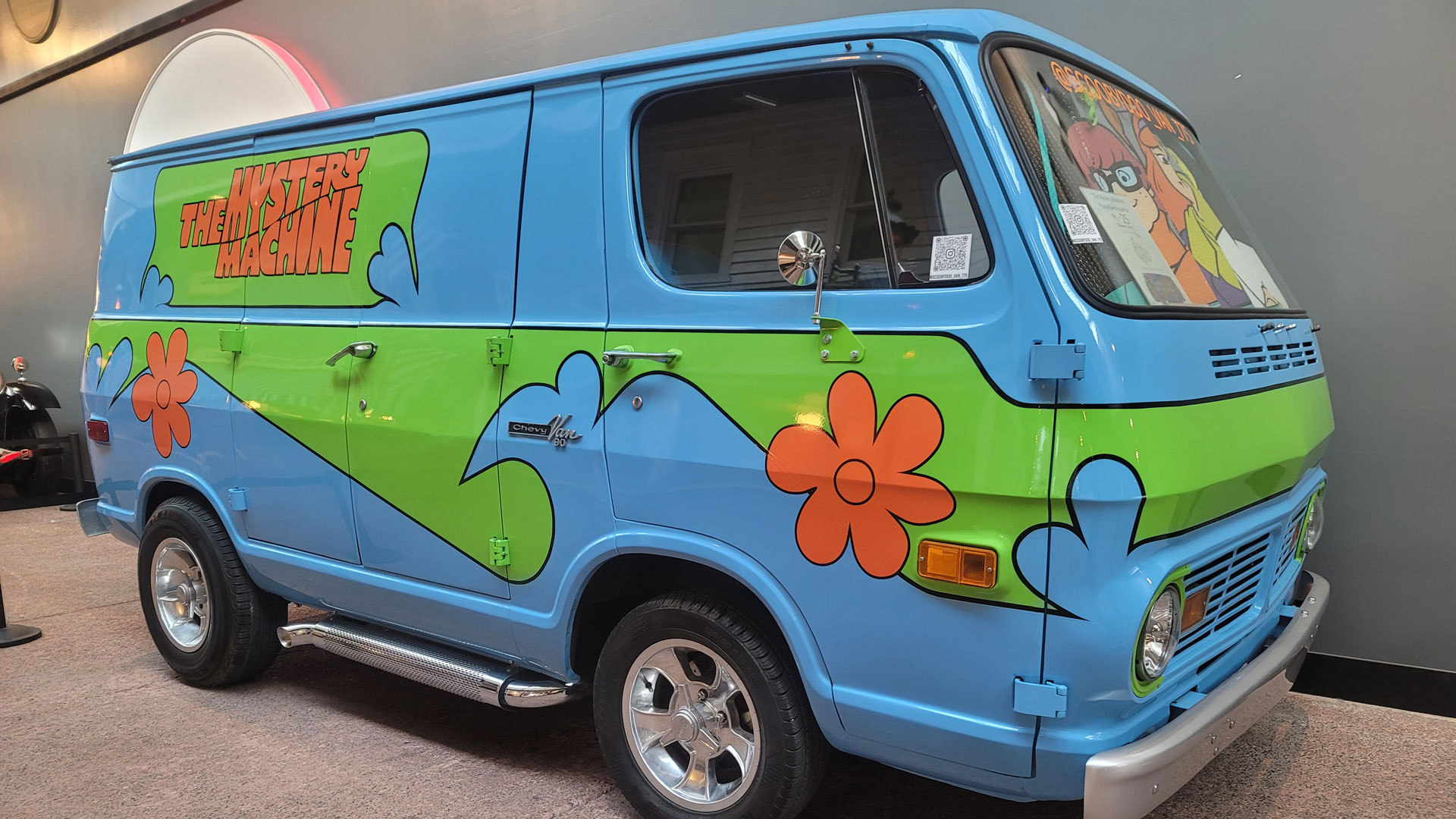
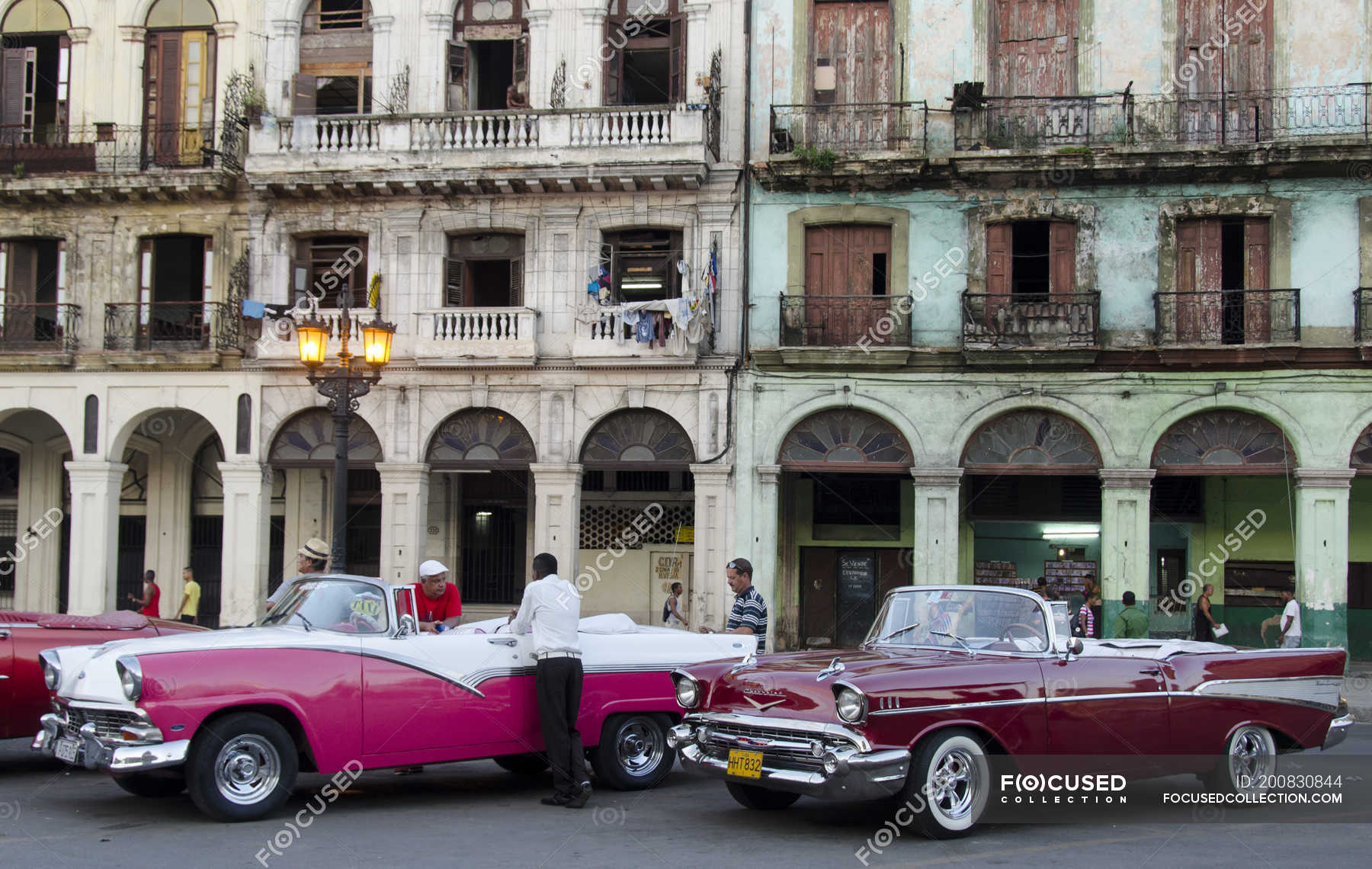
When a classic car has "left the building," it signifies the formal completion of a high-stakes transaction and the physical removal of a blue-chip asset from an auction house or private collection. This transition involves finalizing legal titles, securing specialized climate-controlled transport, and executing comprehensive insurance handovers to ensure the vehicle's provenance and condition remain uncompromised during relocation.
The phrase "the classic car has left the building" carries a weight far beyond a simple delivery. In the world of high-value automotive collecting, this moment marks the culmination of months of due diligence, financial maneuvering, and logistical planning. Whether it is a record-breaking Ferrari 250 GTO changing hands at a Monterey auction or a rare pre-war Bugatti emerging from a decades-long hibernation in a barn find, the departure from its previous "building" is a critical juncture. In 2026, the complexity of moving these assets has increased alongside their valuations, requiring a sophisticated understanding of international law, specialized engineering in transport, and digital asset management.
The Point of No Return: Finalizing the Acquisition
Before a vehicle can physically leave its current location, several layers of administrative and financial prerequisites must be satisfied. This phase is often the most stressful for both the buyer and the seller, as it involves the transfer of significant capital and the legal shift of liability.
Financial Clearing and Escrow Protocols
In the current 2026 market, the sheer volume of capital involved in blue-chip acquisitions—often reaching into the tens of millions of dollars—necessitates the use of specialized escrow services. A classic car does not leave the building until the funds have not only been sent but have cleared all international anti-money laundering (AML) and "know your customer" (KYC) checks. This is particularly relevant for cross-border transactions where central banks and regulatory bodies may hold transfers for verification.
Professional buyers typically utilize attorney-managed trust accounts or specialized automotive escrow platforms that hold the funds until the bill of sale is signed and the physical keys (or digital ignition codes) are handed over. The departure of the car is the trigger for the release of these funds.
Digital Title Transfer and Provenance Documentation
Provenance is the lifeblood of a classic car’s value. When a car leaves the building, it must be accompanied by its "dossier"—a collection of historical documents, service records, racing history, and certifications (such as Ferrari Classiche or Mercedes-Benz Classic Center papers).
In 2026, many jurisdictions have moved toward electronic titling and blockchain-based provenance tracking. This ensures that the moment the car leaves the building, the digital record of ownership is updated in real-time, preventing title fraud and ensuring that the new owner has immediate legal standing should any issues arise during transit.
The Logistics of Physical Removal: White-Glove Transport
Once the paperwork is finalized, the physical challenge begins. Moving a "car that has left the building" is not as simple as calling a standard towing service. For high-value assets, specialized logistics are mandatory to preserve the vehicle’s mechanical integrity and aesthetic condition.
Enclosed, Climate-Controlled Shipping
Standard open-air trailers are never an option for high-value classics. Instead, collectors utilize enclosed transporters that offer protection from road debris, weather, and prying eyes. For the highest tier of vehicles, climate control is essential. Fluctuations in temperature and humidity can cause "micro-checking" in nitrocellulose paint or the cracking of vintage leather interiors.
The transition from a climate-controlled showroom or museum to a transport trailer is a high-risk window. Technicians must ensure the trailer’s internal environment matches the car’s current storage conditions to prevent condensation or thermal shock to aged components.
Specialized Loading Equipment
Many classic cars, particularly vintage racers or "low-slung" grand tourers, have extremely limited ground clearance. A classic car that has left the building often does so via a hydraulic lift-gate system rather than traditional ramps. These lifts remain horizontal throughout the process, ensuring the car never has to navigate an incline that could damage the front valance, exhaust system, or undercarriage.
Furthermore, the method of securing the vehicle is critical. Ratchet straps should never be placed over the axles or suspension components of a delicate vintage machine. Instead, "over-the-tire" tie-downs are used to allow the car’s own suspension to work naturally during the journey, preventing unnecessary stress on the chassis.
Insurance Protocols During the Transition
The moment the car leaves the building, the seller’s insurance typically ceases to cover the asset, and the buyer’s "transit coverage" must take effect. This "handover of risk" is a common area of dispute if not handled correctly.
Marine and Inland Transit Insurance
If the car is traveling a long distance, especially across oceans, a standard collector car policy is insufficient. Owners must secure a specialized "Inland Marine" or "Transit" policy. This coverage is designed to protect against the specific risks of moving a vehicle, including:
- Loading and Unloading Accidents: The most common point of damage.
- General Average: A maritime law concept where all cargo owners share the loss if a ship is damaged.
- Theft or Hijacking: A growing concern for high-profile assets.
Diminished Value Coverage
For a classic car, even a small scratch can result in a significant loss of market value due to the loss of original paint or "survivor" status. Modern 2026 insurance products for high-end collectors often include "diminished value" clauses, which compensate the owner not just for the cost of the repair, but for the permanent reduction in the car’s investment value following an incident during transit.
International Considerations: When the "Building" is Abroad
If a classic car is leaving a building in one country to head to another, the complexity increases exponentially. Customs, duties, and heritage laws can physically prevent a car from moving if not managed beforehand.
Cultural Heritage Export Licenses
Many countries, particularly in Europe (such as Italy and the UK), have strict laws regarding the export of "cultural icons." A classic car that is deemed of national importance may require an export license from the Ministry of Culture. If a buyer attempts to move a car that has "left the building" without this license, the vehicle can be seized at the border, and the buyer may face significant legal penalties.
Temporary Import and Carnets
For collectors moving cars for events like the Villa d'Este Concours d'Eleganza or the Goodwood Festival of Speed, a CPD (Carnet de Passages en Douane) or an ATA Carnet is often used. This document acts as a "passport" for the car, allowing it to cross borders without paying import duties, provided it leaves the country within a specified timeframe.
| Transport Method | Ideal For | Protection Level | 2026 Estimated Cost (Domestic) |
|---|---|---|---|
| Standard Enclosed | High-end daily drivers, modern classics | High (Weather/Debris) | $1,500 - $3,500 |
| White-Glove Enclosed | Concours-level restorations, rare exotics | Maximum (Climate/Security) | $4,000 - $10,000 |
| Air Freight | International auctions, urgent racing events | Maximum (Speed/Safety) | $15,000 - $50,000 |
| Sea Freight (Container) | Intercontinental relocation | High (Corrosion Risk) | $5,000 - $12,000 |
Managing the Arrival: Integration into a New Collection
Once the classic car has left the building and arrived at its new destination, the process is still not complete. The "intake" of a new asset is just as important as its departure.
Post-Transit Inspection and Fluid Stabilization
A car that has been in transit for days or weeks may have experienced "settling." Fluids should be checked immediately upon arrival. In some cases, if the car was transported by air, certain fluids (like fuel) may have been drained to comply with aviation safety standards.
Professional collectors often have a mechanic on-site for the "unboxing" of a major acquisition. This allows for an immediate inspection against the pre-sale condition report. If any discrepancies are found, they must be documented before the transport driver leaves the site to ensure insurance claims are valid.
Updating the Registry and Maintenance Logs
The final step in a car having "left the building" is the formal update of its history. This involves notifying the relevant marque registries (e.g., the Shelby American Automobile Club or the Porsche 356 Registry) of the change in ownership and location. This ensures the car’s history remains unbroken, which is vital for its future resale value.
Common Pitfalls to Avoid
Even seasoned collectors can make mistakes during the "leaving the building" phase. Avoiding these common errors is essential for a smooth transition:
- Inadequate Power of Attorney: If the buyer cannot be present, the person signing for the car must have the legal authority to do so, or the transport company may refuse to release the vehicle.
- Ignoring "As-Is" Clauses: Most auction sales are "as-is." Once the car leaves the building, any mechanical issues discovered later are usually the buyer's responsibility. This highlights the need for a pre-purchase inspection (PPI).
- Battery and Fuel Management: Leaving a modern classic's battery connected during a long transport can lead to a "bricked" ECU or deep-discharge damage. Conversely, vintage cars with carburetors should have their fuel systems stabilized to prevent gumming.
Frequently Asked Questions
What does it mean when a classic car is sold "in situ"?
Selling "in situ" means the car is sold where it currently sits. The buyer is responsible for all costs and logistics of moving the car from its current "building." This is common with large collections or extremely fragile barn finds where the seller does not want the liability of moving the vehicle.
Does a classic car lose value if it is moved too often?
Physical movement does not inherently lower value, but the risks associated with movement (damage, mileage accumulation, environment changes) can. However, a car with an unbroken chain of documented "moves" between reputable owners and museums can actually see a value increase due to its well-recorded provenance.
Can I drive my classic car home after it "leaves the building"?
While legally possible if the car is registered and insured, it is highly discouraged for high-value assets. The risk of road damage, mechanical failure on an unfamiliar vehicle, and the "unforced" accumulation of mileage usually make professional transport a more cost-effective choice in the long run.
How do I verify a transport company for a million-dollar car?
Look for companies that specialize specifically in "Enclosed Exotic and Classic Transport." Verify their DOT (Department of Transportation) filings, ask for their specific insurance "limit per load," and ensure they have experience with the specific marque you are moving. Most high-end auction houses have a list of "preferred carriers."
What is a "Pre-Transport Condition Report"?
This is a document signed by both the sender and the transporter before the car leaves the building. It notes every existing scratch, chip, or mechanical quirk. This report is the primary evidence used if an insurance claim is filed for damage that occurred during transit.
Practical Recommendation for Collectors
If you are involved in a transaction where a classic car is about to "leave the building," the most important action you can take is to appoint a dedicated logistics coordinator. For cars valued over $500,000, the complexities of insurance handovers, customs clearances, and specialized transport are too significant to manage as an afterthought.
Ensure that you have a "Condition Gate" protocol: a professional inspection at the point of departure and a mirrored inspection at the point of arrival. By treating the transit as a distinct phase of the car's history—rather than just a delivery—you protect both the physical asset and your financial investment. In the 2026 market, where "perfection" is the baseline for value, the logistics of leaving the building are just as important as the car itself.