Celebrity roasts are worth the hype if you value unfiltered, high-stakes comedy and the rare opportunity to see public figures abandon their carefully curated personas. While some find the humor mean-spirited or overly scripted, the format provides a unique cultural catharsis that remains one of the few places where "punching up" is executed with professional precision and mutual consent.
The Evolution of the Celebrity Roast: From Private Clubs to Global Streams
To understand if the modern roast is worth the hype, one must look at how the format has transformed over the last century. Originally a private tradition of the New York Friars Club starting in the early 1900s, roasts were exclusive, off-the-record events where comedians and actors would gather to "insult the ones they love." The appeal was the exclusivity; it was a peek behind the curtain of Hollywood’s elite.
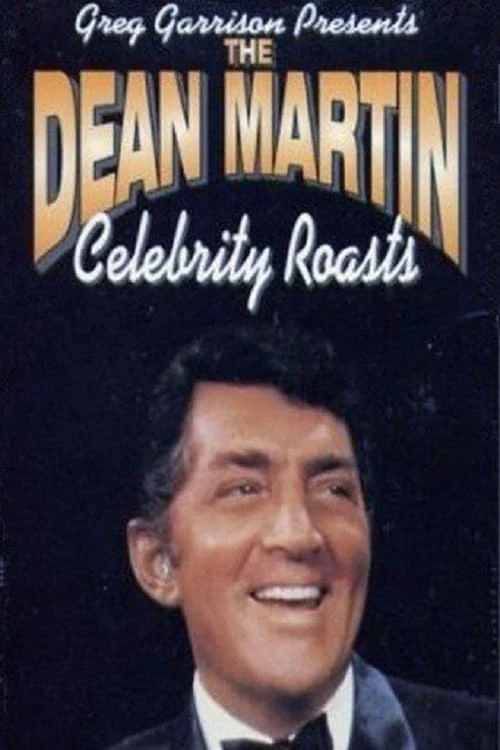
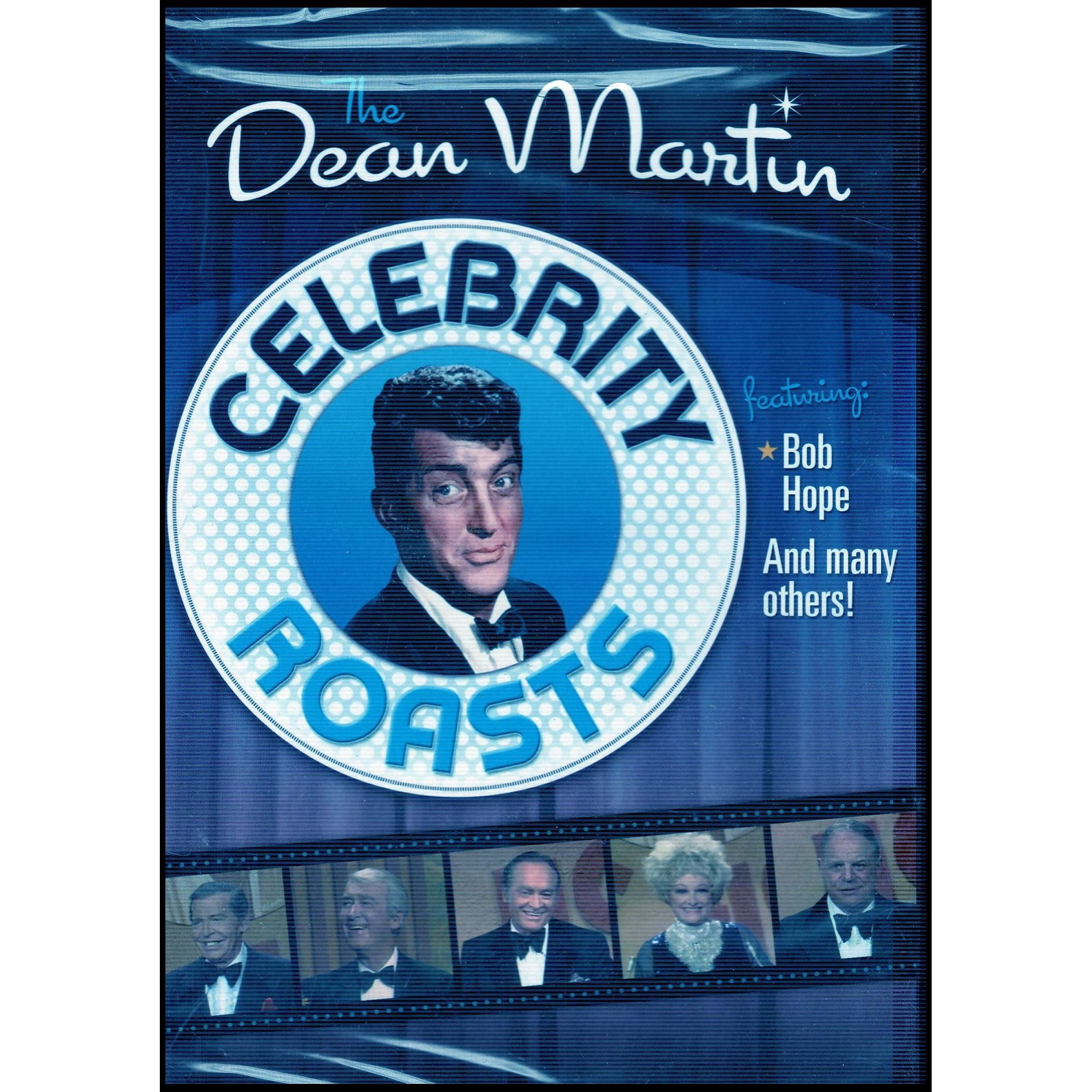
By the 1970s, the "Dean Martin Celebrity Roast" brought this concept to television, though it was a significantly sanitized version of the original club events. The real shift into the modern "hype" era began with the Comedy Central Roasts in the late 1990s and 2000s, which ramped up the vitriol and the shock value. In 2026, we find ourselves in the "Live Streaming Era," where platforms like Netflix have turned these roasts into massive, live-broadcast spectacles, such as the 2024 roast of Tom Brady, which set a new standard for production scale and viral potential.
The hype today isn't just about the jokes; it is about the "liveness" of the event. In a world of deepfakes and AI-generated content, there is a distinct premium on watching a human being react in real-time to a devastatingly personal insult. This raw, unedited quality is the primary driver of the genre's continued relevance.
The Mechanics of a Professional Roast: How the Hype is Built
Many viewers assume a roast is simply a group of friends making fun of each other. In reality, a modern celebrity roast is a massive technical and creative undertaking. The "hype" is often a result of months of preparation by some of the industry’s most skilled joke writers.
The Writers' Room: The Secret Engine
Every participant on a roast dais, from the professional comedians to the athletes and actors, is backed by a team of "joke writers." These writers spend weeks researching the "Roastee" and the other guests. They look for deep-seated insecurities, public failures, and controversial history. For a roast to be "worth it," the writing must balance shock with craftsmanship. A joke that is merely offensive fails; a joke that is offensive but logically sound and culturally relevant succeeds.
The "Consent" Factor
What separates a roast from online bullying is the contract of consent. The subject of the roast has agreed to be there, usually for a significant fee or for charity. This agreement creates a "safe space" for dangerous humor. This psychological safety allows the audience to laugh at topics that would normally be considered off-limits, such as aging, divorce, or professional failure.
The Live Production Stakes
In 2026, production quality has reached an all-time high. Producers use multi-camera setups, high-fidelity audio to capture every gasp from the audience, and immediate social media integration. The hype is built through "leak" campaigns—pre-released clips that suggest a roast has "gone too far"—designed to drive viewership for the live broadcast.
Evaluating the Value: Pros and Cons of the Roast Format
Whether a roast is worth your time and emotional energy depends largely on your tolerance for "blue" comedy and your interest in celebrity culture.
The Pros: Why the Hype is Often Justified
- Humanization of Icons: Seeing a billionaire or a legendary athlete forced to sit silently while their flaws are broadcast to millions is a powerful equalizer. It breaks down the wall of PR perfection that usually surrounds celebrities.
- The Art of the "Set-up and Punch": For fans of pure stand-up, roasts are a masterclass in economy of language. The best roasters, like Jeff Ross or Nikki Glaser, can dismantle a person's entire career in a single, two-sentence joke.
- Cultural Commentary: Roasts often act as a barometer for what society currently finds acceptable or unacceptable. They push the boundaries of "cancel culture," serving as a pressure valve for societal tensions.
The Cons: When the Hype Falls Short
- Scripted Inauthenticity: Sometimes, the "roast" feels like a corporate product. If the celebrity is clearly uncomfortable or if the jokes feel like they were approved by a legal team, the edge is lost.
- Repetitive Tropes: Many roasts fall into the trap of using the same low-hanging fruit—jokes about age, weight, or plastic surgery. After twenty minutes, this can become tedious rather than transgressive.
- The "Mean Spirit" Fatigue: While the insults are consensual, an entire evening of negativity can be draining for some viewers. If the "love" part of "roasting the ones you love" is missing, the event can feel hollow.
A Comparison of Modern Roast Formats (2026 Context)
To decide if a specific roast is worth the hype, you must consider the platform and the intent. Not all roasts are created equal.
| Format | Typical Length | Tone | Accessibility | Best For |
|---|---|---|---|---|
| Traditional Club Roast | 3+ Hours | Extreme, Unfiltered | Very Low (Invite Only) | Hardcore comedy purists |
| Network TV Special | 90 Minutes | Raunchy but regulated | High (Cable/VOD) | Casual fans of the celebrity |
| Live Stream Spectacle | 2-3 Hours | High-budget, Viral-focused | Medium (Subscription) | People who want "water cooler" moments |
| Podcast "Roast Battle" | 30-60 Mins | Fast-paced, Low-fi | Very High (Free) | Fans of technical joke-writing |
The Financials: What Does it Cost to Participate?
The "hype" is also fueled by the massive amounts of money involved. For a top-tier celebrity to agree to be roasted in 2026, the financial incentives are substantial.
- Appearance Fees: Major roastees can command anywhere from $500,000 to $2 million, depending on the platform and their current market value.
- Production Costs: A live-streamed roast special can cost upwards of $10 million to produce, factoring in talent, venue, writers, and global marketing.
- Subscription Value: For platforms like Netflix or Disney+, a single viral roast can drive hundreds of thousands of new sign-ups, making the "hype" a calculated business investment.
For the viewer, the "cost" is usually just the price of a monthly subscription. When viewed as a 2-hour block of premium entertainment, the value proposition is generally high compared to a $100 ticket for a live stand-up show.
Common Mistakes When Watching a Celebrity Roast
If you are new to the genre, it is easy to misinterpret the event, which can ruin the experience.
- Taking Insults Personally: Remember that the participants are often friends or professional colleagues. The "meaner" the joke, the higher the compliment to the performer's ability to take a hit.
- Ignoring the "Rebuttal": The roast is not complete until the Roastee gets their turn at the podium. This is where they get to fire back at the comedians. Often, this is the most satisfying part of the show, as the "victim" finally gets their revenge.
- Expecting High-Brow Humor: Roasts are, by definition, "low-brow." They rely on stereotypes, physical flaws, and personal failures. If you are looking for intellectual satire, a roast is likely not worth the hype for you.
Frequently Asked Questions
Do celebrities know the jokes beforehand?
Generally, the "Roastee" does not know the specific jokes, but they often have "no-go" zones. For example, a celebrity might agree to be roasted but stipulate that their children or a specific past tragedy are off-limits. However, the most successful roasts—the ones truly worth the hype—are those where the subject allows everything to be on the table.
Who actually writes the jokes for the non-comedians?
Professional joke writers are hired to assist non-comedians (like athletes or actors). These writers work closely with the participant to ensure the jokes fit their "voice." It is an open secret in the industry; the goal is to make the show as funny as possible, not to pretend that an NFL quarterback is a natural stand-up comic.
Why do celebrities agree to be roasted?
It is usually a combination of three things: a massive payday, a PR move to show they have a sense of humor (often used after a scandal), or a genuine desire to support a specific charity. In 2026, "rebranding through roasting" has become a common strategy for celebrities looking to pivot their public image.
Are roasts scripted or improvised?
The vast majority of a roast is scripted and teleprompted. While there are moments of improvisation—especially when a joke bombs or someone makes a face—the timing of a televised roast is too tight to leave to chance. The "art" lies in the delivery, making the scripted lines feel like they were thought of in the moment.
Has anyone ever walked out of a roast?
While rare in the modern era due to strict contracts, there have been instances where guests were visibly upset. However, most participants are professionals who understand the "theatre" of the event. Walking out is considered the ultimate "fail" in roast culture.
Final Recommendation: Is it Worth the Hype?
If you enjoy the intersection of celebrity culture and aggressive comedy, celebrity roasts are absolutely worth the hype. They provide a level of honesty and "danger" that is increasingly rare in the entertainment industry. However, for the best experience, seek out "Live" events rather than edited-down television versions. The tension of a live broadcast, where anything can happen and a joke could potentially end a career in real-time, is where the format truly shines.
To get the most out of your viewing, approach the event as a piece of performance art. The insults are the medium, the celebrity is the canvas, and the laughter is the goal. As long as you remember that the "blood" on the floor is just stage makeup, the celebrity roast remains one of the most entertaining spectacles in modern media.