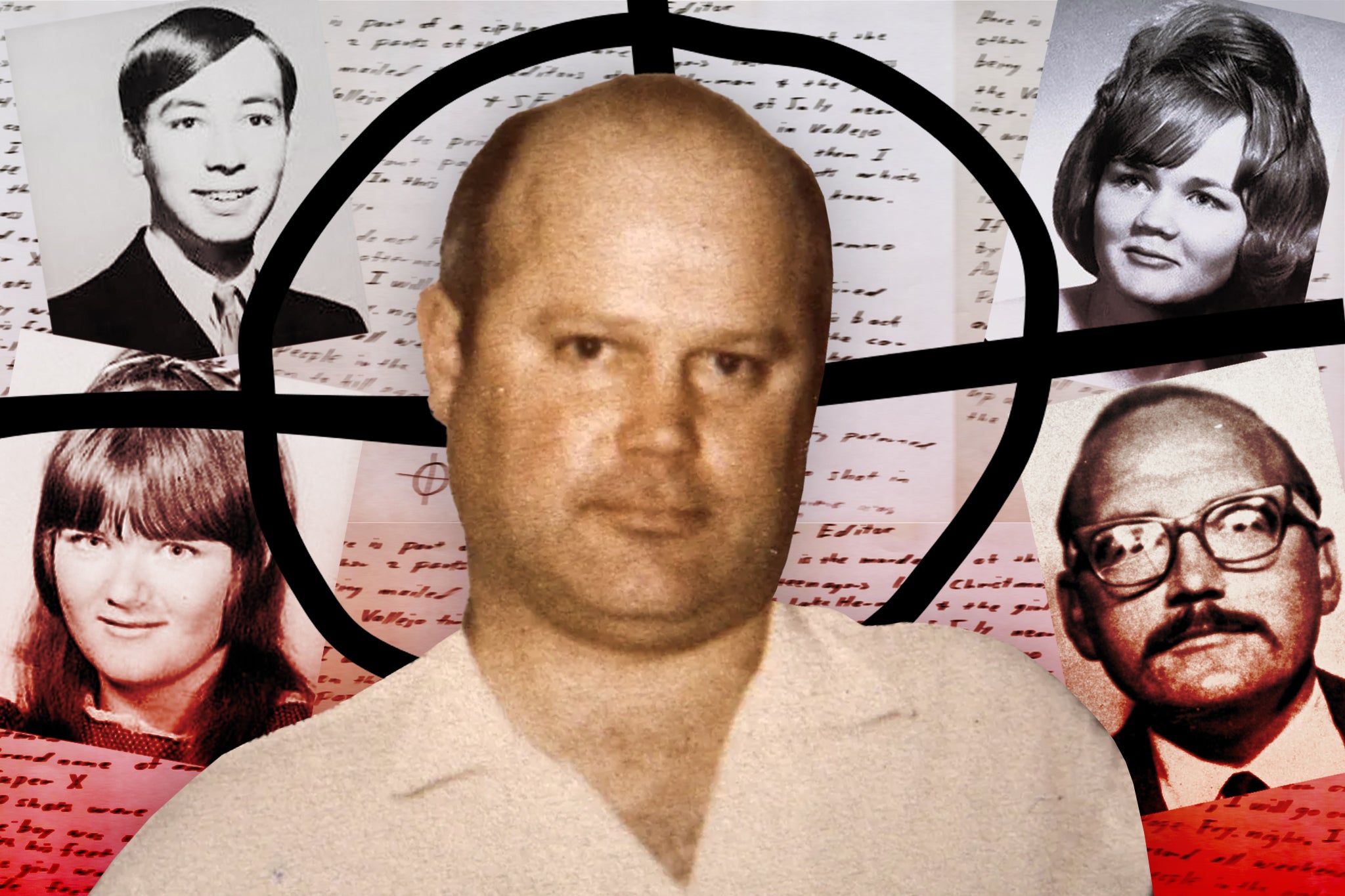
Arthur Leigh Allen was born on December 18, 1933, in Honolulu, Territory of Hawaii. His childhood was shaped by a military-affiliated upbringing, moving between various naval stations due to his father’s career. These formative years were marked by conventional schooling, periods of stability in California, and an eventual transition into adulthood that preceded his notoriety as a primary person of interest in the Zodiac Killer investigations.
Family Background and Early Years in Hawaii
Arthur Leigh Allen was the eldest child of Warren and Bernice Allen. Born in the Territory of Hawaii during a time of significant naval expansion, his early childhood was influenced by his father’s role as a naval officer. Because his father was frequently transferred to different stations, the family’s location was transient during Allen's formative years.
This period of his life is often scrutinized by researchers and law enforcement historians attempting to identify psychological markers or environmental factors that might have contributed to his adult life. However, historical records indicate that his early development followed a standard pattern for a child in a military household. He attended schools in Honolulu before the family eventually moved to the mainland United States, settling in the San Francisco Bay Area, which would become the geographic center of his adult life.
Education and Academic Pursuits
Allen’s academic history reflects a standard progression through the American public and private school systems of the 1940s and 1950s. After settling in California, he attended local high schools where he was considered an average student. Peer recollections from this period often describe him as quiet or somewhat socially isolated, though he was not categorized as an outlier in the traditional sense during his adolescent years.
Following high school, Allen pursued higher education at California Polytechnic State University in San Luis Obispo, where he studied briefly before transferring to other institutions. His interest in subjects like photography and electronics suggests a curiosity about technical processes, traits that would later be noted by investigators looking into his ability to manage complex tasks. His academic path was not linear, and he eventually transitioned into a career in teaching, which required a specific level of certification and background screening common for the era.
The Role of Military Service
An essential component of Arthur Leigh Allen’s transition from childhood to adulthood was his brief tenure in the United States Navy. Following his departure from formal university education, he enlisted in the military. His service record, though relatively short, provided him with training in discipline, structure, and technical skills.
For biographers and criminal profilers, the military phase serves as a bridge between his childhood under a naval officer father and his later professional life. He was eventually discharged, a process that some historical accounts suggest was linked to conduct that did not align with military expectations, though the specific details of his discharge remain a point of historical nuance that differentiates his public perception from his official personnel file.
Socio-Environmental Context of the 1940s and 1950s
To understand the environment in which Arthur Leigh Allen grew up, one must consider the socio-economic conditions of the post-World War II United States. The Bay Area was experiencing rapid suburbanization, and the cultural expectations of the time placed a high value on conformity and traditional family structures.
Allen’s childhood coincided with a period where internal family dynamics were rarely discussed outside the home, and psychological evaluation was not a standard part of pediatric or adolescent development. Consequently, many of the behavioral patterns attributed to him in adulthood—such as his fascination with firearms or his interpersonal difficulties—were observations made by peers and authorities decades later, rather than documented incidents from his youth.
Disambiguation of Historical Records
In researching Arthur Leigh Allen’s childhood, it is necessary to distinguish between confirmed biographical facts and the speculative narratives that emerged after he became a focal point of the Zodiac investigation in the late 1960s and 1970s.
Most primary source material regarding his youth comes from census records, school enrollment documents, and later interviews with family members conducted by investigators. These records provide a timeline of his residences, his level of education, and his employment history. Conversely, many secondary sources introduce psychological theories that are not supported by evidence from his childhood. In academic and legal contexts, maintaining this distinction is vital for an accurate historical account.
Comparative Overview: Arthur Leigh Allen’s Development
The following table outlines the key stages of Allen’s development from childhood through his early adulthood, providing a chronological framework based on historical data.
| Life Stage | Period | Notable Developments |
|---|---|---|
| Early Childhood | 1933–1940 | Born in Hawaii; raised in a naval family; transient living. |
| Adolescent Years | 1941–1950 | Settled in the SF Bay Area; attended local schools; developed technical interests. |
| Academic Pursuit | 1951–1955 | Enrolled at Cal Poly and other institutions; focused on technical/vocational studies. |
| Military Entry | 1956–1958 | Enlisted in the U.S. Navy; received technical training; underwent separation. |
| Pre-Professional | 1959–1965 | Transitioned into teaching; established roots in Vallejo and surrounding areas. |
Psychological and Behavioral Perspectives
While modern forensic psychology often looks to childhood to explain adult antisocial behavior, there is a distinct lack of clinical data regarding Allen’s youth. Unlike individuals who leave behind a clear paper trail of behavioral issues, juvenile delinquency records, or psychiatric evaluations, Allen’s childhood remains largely "normal" by the administrative standards of the time.
The retrospective analysis performed by researchers often suffers from confirmation bias. When investigators look back at his youth through the lens of his later criminal suspicion, minor instances of childhood frustration or social friction are sometimes reinterpreted as precursors to criminal behavior. It is essential to recognize that such interpretations remain speculative and are not supported by the medical or legal documentation of the era.
Frequently Asked Questions
Where was Arthur Leigh Allen born and raised?
Arthur Leigh Allen was born on December 18, 1933, in Honolulu, Hawaii. He moved to the San Francisco Bay Area in California during his youth, where he attended school and eventually pursued his adult career.
Did Arthur Leigh Allen exhibit signs of criminal behavior in his youth?
There is no historical evidence or documentation from his childhood or adolescent years that indicates a pattern of criminal behavior. Most accounts of his personality as a "problematic" individual were documented by acquaintances during his adulthood, long after his formative years had concluded.
What was the impact of his father’s naval career on his childhood?
His father’s role as a naval officer dictated a lifestyle characterized by relocation and adherence to military-style discipline. This environment provided a structured, albeit transient, upbringing that was typical for the children of military personnel during the 1930s and 1940s.
How does his military service relate to his early life?
His service in the U.S. Navy served as his transition from his family-governed childhood to independent adulthood. It provided him with technical skills in electronics and an exposure to the rigid hierarchy of military life, which some researchers believe influenced his organizational capabilities in later life.
Are there any reliable records of his childhood personality?
Publicly available records of his childhood are largely limited to school documents, census data, and general biographical timelines. Personal, anecdotal accounts of his childhood personality are scarce and often filtered through the perspective of individuals interviewed years after he had become a known public figure.
Recommendations for Further Historical Research
For those interested in the historical accuracy of the Arthur Leigh Allen case, the primary recommendation is to prioritize archival research over anecdotal accounts. Official records—such as Department of the Navy personnel files, California educational institution transcripts, and census data—provide the most stable foundation for analysis. When utilizing secondary sources, verify that claims are attributed to specific, dated reports rather than broad, unsourced assertions.
The focus should remain on the environmental and social context of the 1940s and 1950s to avoid the pitfall of projecting modern psychological expectations onto a historical figure whose early life was largely undocumented.