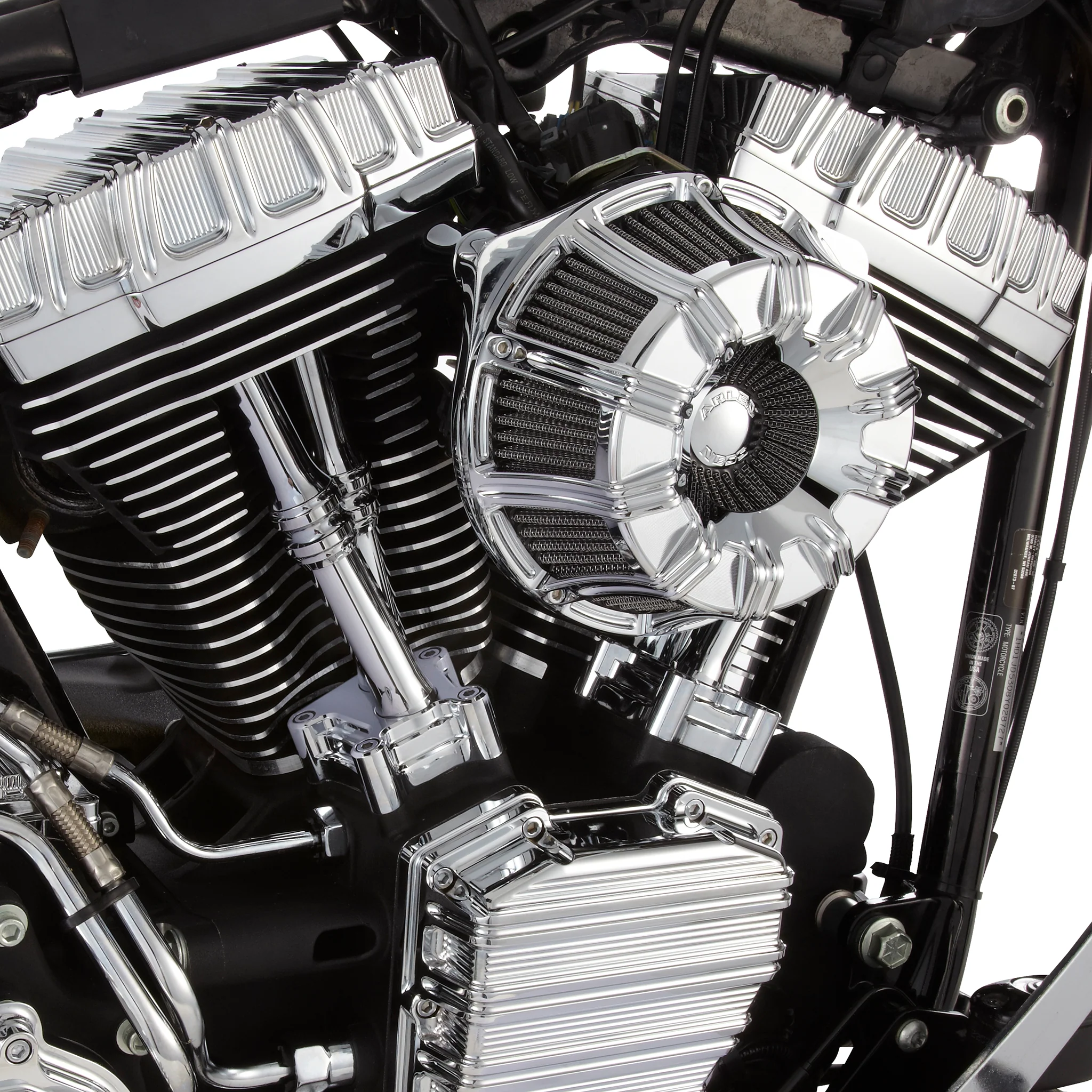
Arlen Ness motorcycle parts typically range from $40 for small accessories to over $2,800 for high-end forged wheels. As of 2026, mid-tier upgrades like the Big Sucker air cleaner average $280–$450, while premium foot controls and handlebars fluctuate between $350 and $950 depending on the specific finish and machining complexity.
For over half a century, Arlen Ness Enterprises has remained a titan in the custom motorcycle industry. Known as the "King of Custom Motorcycles," Arlen Ness built a legacy that his son Cory and grandson Zach continue to evolve. In 2026, the brand remains synonymous with high-end CNC-machined billet aluminum, innovative performance engineering, and a distinct aesthetic that blends aggressive lines with show-quality finishes. Whether you are looking to enhance the performance of a Harley-Davidson bagger or add aesthetic flair to an Indian Challenger, understanding the pricing landscape of Arlen Ness components is essential for effective budgeting and project planning.
The Hierarchy of Arlen Ness Parts and 2026 Market Pricing
When evaluating Arlen Ness motorcycle parts price points, it is helpful to categorize components into "Stage" levels or functional groups. The brand covers everything from minor bolt-on accessories to structural chassis components.
Intake Systems and Performance Air Cleaners
The "Big Sucker" remains the most recognizable intake in the V-twin world. In 2026, the pricing for these units has stabilized, reflecting their status as an industry standard.
- Standard Big Sucker (Stage I & II): These units generally retail between $250 and $380. The price variance depends on the backing plate finish (natural, chrome, or black) and whether the kit includes a decorative cover.
- Inverted Series Air Cleaners: These performance-oriented kits, which feature a pleated filter on the front for maximum airflow, are priced higher, typically ranging from $450 to $650. The "Method" and "Drift" styles within this series often command a premium due to the intricate CNC work on the outer cages.
- Velocity 65 Air Cleaners: Designed for high-output engines, these forward-facing intakes often reach $550 to $700.
Hand and Foot Controls
Arlen Ness is famous for its billet aluminum controls. In 2026, the "Method" and "10-Gauge" series are the dominant design languages for these parts.
- Floorboards: A set of MX or Method driver floorboards will cost between $400 and $550. Passenger boards typically run $250 to $350.
- Grips and Pegs: These are the most affordable entry points into the brand. A pair of high-quality billet grips usually costs between $100 and $160, while footpegs range from $80 to $130.
- Hand Controls and Levers: Replacement lever sets, often featuring ergonomic "shorty" designs or adjustable reaches, are priced between $150 and $250.
Custom Wheels and Rotors
Wheels are the most significant investment in the Arlen Ness catalog. By 2026, the manufacturing process for forged aluminum wheels has become even more precise, reflecting in the price.
- Forged Billet Wheels: Expect to pay between $1,800 and $2,800 per wheel. Larger diameters (such as 21-inch or 23-inch front wheels) sit at the higher end of this spectrum. Popular designs like the "ProCross" or "7-Valve" are often sold as part of a package including matching rotors.
- Jagged Brake Rotors: To complement the wheels, many riders opt for matching rotors. These high-performance floating rotors cost between $300 and $500 each.
2026 Price Comparison Table: Arlen Ness Component Groups
The following table provides a snapshot of current market rates for popular Arlen Ness components across various categories.
| Category | Product Line | Estimated Price Range (USD) | Primary Material / Feature |
|---|---|---|---|
| Intake | Big Sucker Stage I | $280 – $350 | Hidden Breather Tech |
| Intake | Inverted Method | $475 – $595 | 6061-T6 Billet Aluminum |
| Foot Controls | Method Floorboards | $425 – $525 | Vibration Dampening Rubber |
| Hand Controls | Modular Handlebars | $550 – $850 | Adjustable Pullback/Width |
| Wheels | Forged ProCross | $1,950 – $2,600 | Hub-centric Design |
| Brakes | 6-Piston Calipers | $450 – $600 | Differential Bore Tech |
| Covers | 10-Gauge Primary Cover | $350 – $500 | CNC Machined Billet |
| Mirrors | Mini-Stockers (Pair) | $120 – $180 | Convex Glass |
Factors Influencing the Cost of Arlen Ness Parts
Several technical and economic factors contribute to the premium pricing of Arlen Ness products compared to generic aftermarket alternatives.
Material Science and Engineering
Arlen Ness primarily uses 6061-T6 aircraft-grade billet aluminum. Unlike cast parts found on stock motorcycles or budget aftermarket brands, billet parts are machined from a solid block of metal. This process is more labor-intensive and results in a higher waste-to-product ratio, but it provides superior structural integrity and a flawless surface for anodizing or chrome plating.
Integrated Technology
The "Hidden Breather" technology found in Ness air cleaners is a prime example of engineering adding to the price. This system eliminates the need for external hoses and brackets by routing crankcase gases through internal channels in the backing plate. The complexity of machining these internal passages increases the manufacturing cost but provides a much cleaner look on the motorcycle.
Finish and Aesthetic Complexity
The brand offers several finishes, each impacting the final retail price:
- Chrome: Often the most expensive due to the environmental regulations surrounding the plating process and the extensive polishing required.
- Black Anodized: A durable chemical finish. While generally slightly cheaper than chrome, "Contrast Cut" styles (where the part is anodized black and then re-machined to show raw aluminum accents) can match or exceed chrome pricing.
- Titanium/Specialty Finishes: In 2026, limited-run finishes like bronze or titanium-nitride coatings add a 15-20% premium to the base price.
Installation Costs and Considerations in 2026
When calculating the total Arlen Ness motorcycle parts price, one must account for professional installation. As of 2026, shop labor rates average $120 to $180 per hour depending on the region.
- Air Cleaners: Typically a 1-hour job. This is a common DIY project for those with basic hand tools.
- Floorboards and Grips: Usually take 0.5 to 1.5 hours. Note that some electronic throttle-by-wire (TBW) grips require careful calibration.
- Handlebars: A complex installation, often requiring 4 to 8 hours of labor due to internal wiring, brake line extensions, and clutch cable adjustments. Total labor cost can easily reach $800 to $1,400.
- Wheels: Replacing a front and rear wheel, including tire mounting and balancing, typically takes 3 to 5 hours.
Long-Term Value and Resale Impact
One of the reasons riders justify the higher upfront cost of Arlen Ness parts is the brand's reputation for holding value. In the secondary market, motorcycles outfitted with genuine Arlen Ness components tend to command higher resale prices than those with "no-name" custom parts.
Furthermore, the durability of billet aluminum means that these parts can often be refurbished. A set of 10-year-old Ness floorboards can be re-anodized or re-chromed to look new, a feat that is rarely possible with cheaper cast-pot-metal components. This longevity effectively lowers the "total cost of ownership" over the life of the motorcycle.
Common Mistakes to Avoid When Purchasing
To ensure you are getting the best value for your investment, avoid these common pitfalls:
- Buying from Unauthorized Sellers: Counterfeit Arlen Ness parts (especially air cleaners and grips) are prevalent on some global marketplaces. These clones lack the structural integrity of the originals and can lead to mechanical failure. Always purchase through authorized dealers or the official Arlen Ness website.
- Ignoring Compatibility: Not all "Ness" parts fit every model. For instance, air cleaners for the Milwaukee-Eight (M8) engine will not fit Twin Cam models. Double-check fitment codes for your specific year and model.
- Underestimating Finish Maintenance: Chrome requires frequent polishing to prevent pitting, especially in coastal areas. If you are not prone to cleaning your bike weekly, the black anodized finishes may offer better long-term value.
Frequently Asked Questions
Why are Arlen Ness air cleaners more expensive than generic pods?
Arlen Ness air cleaners, specifically the Big Sucker line, feature patented internal breather technology. Unlike generic pods that require external rubber hoses to vent the crankcase, the Ness system integrates these channels into the billet backing plate. This provides a cleaner aesthetic and prevents oil blow-by from leaking onto the side of the engine.
Do Arlen Ness parts fit Indian and Victory motorcycles?
Yes. While the brand is most famous for Harley-Davidson upgrades, Arlen Ness has extensive product lines for Indian Motorcycles (especially the Challenger, Scout, and Chieftain) and continues to support the legacy Victory brand, which Arlen Ness helped design.
Does installing these parts void my motorcycle's factory warranty?
Generally, no. Under the Magnuson-Moss Warranty Act, a manufacturer cannot void your warranty simply because you installed an aftermarket part. However, if the specific part causes a failure (e.g., an improperly installed intake causing engine lean-out), that specific repair may not be covered.
Is there a price difference between chrome and black finishes?
In 2026, the price gap has narrowed, but chrome is still typically 5% to 10% more expensive than standard black anodizing. "Contrast Cut" or "Blackline" finishes, which involve multiple machining steps, are usually priced identically to chrome.
Can I install Arlen Ness wheels myself?
While possible, it is not recommended for most hobbyists. Wheel installation requires specialized tools for torqueing large axles and often involves mounting and balancing tires. Improperly installed wheels are a significant safety hazard.
Practical Recommendation
For riders on a budget who want the Arlen Ness aesthetic without the four-figure price tag, start with the "Big Three": an air cleaner, grips, and footpegs. These three modifications provide the highest visual and performance impact for an investment of under $750. If you are planning a full custom build involving wheels and handlebars, it is highly recommended to purchase these items as a "collection" (e.g., all from the Method or 10-Gauge series) to ensure a cohesive design language that will maximize the bike's eventual resale value.