Ari the Voice functions as an interactive artificial intelligence assistant designed to support speech-language pathologists, educators, and individuals undergoing speech therapy by providing real-time acoustic feedback, auditory discrimination training, and conversational practice exercises outside of clinical settings.
The landscape of speech-language pathology has experienced a significant transformation with the integration of digital tools, machine learning applications, and interactive voice assistants. Among these developments, tools like Ari the Voice have emerged to bridge the gap between intensive clinical sessions and independent daily practice. Navigating the integration of artificial intelligence into traditional therapy frameworks requires a clear understanding of what these tools can achieve, how they operate within clinical guidelines, and where their practical boundaries lie. For patients, caregivers, and practitioners, evaluating a voice-activated assistant means looking past the novelty of conversational technology and examining its utility, safety, accessibility, and therapeutic validity in real-world environments.
Understanding the Role of Voice Technology in Speech-Language Pathology
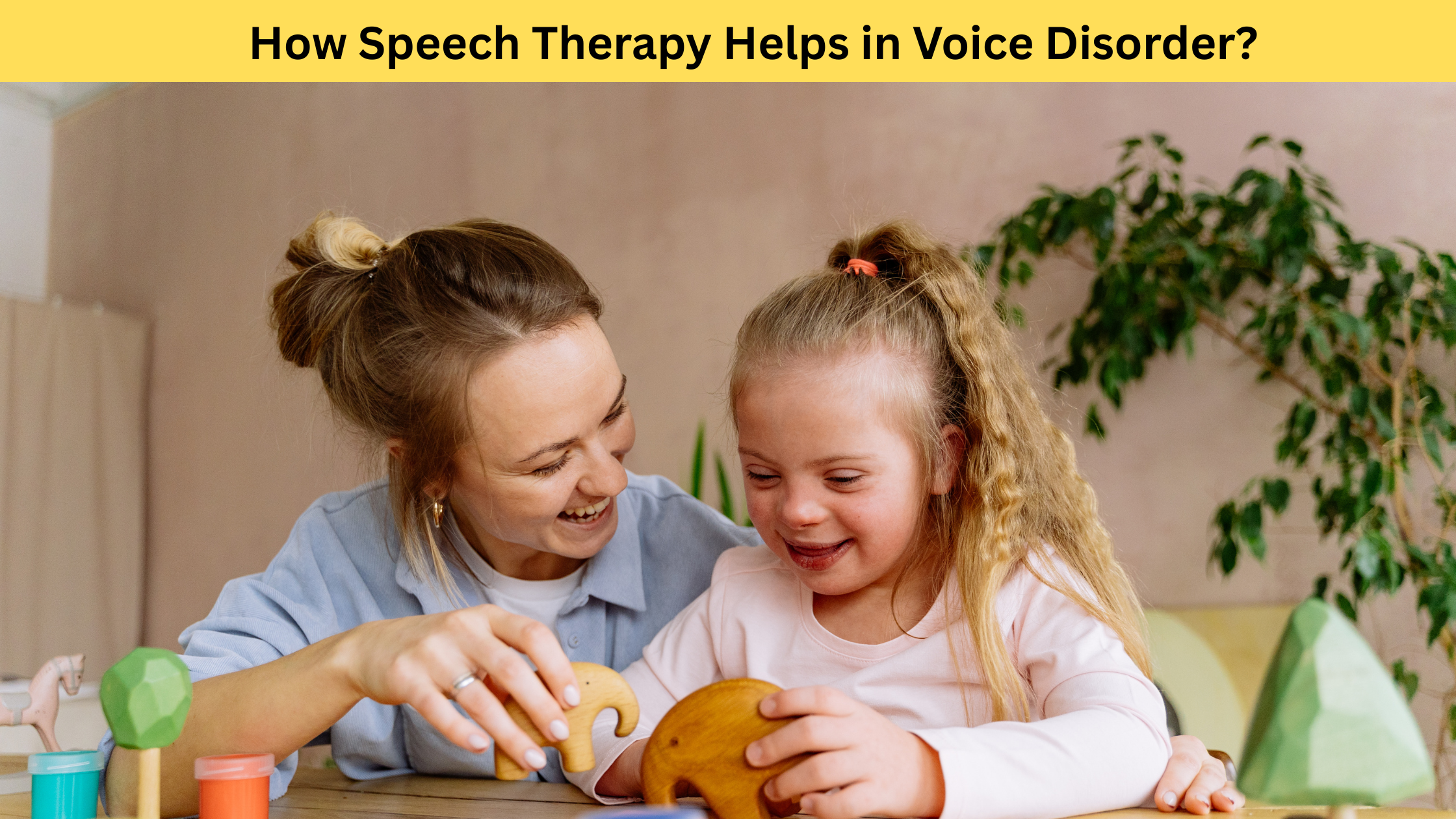
Traditional speech therapy relies heavily on direct, face-to-face interaction between a licensed speech-language pathologist (SLP) and a patient. During these sessions, clinicians listen meticulously for phonetic distortions, pitch variations, rhythm irregularities, and resonance issues, providing immediate corrections. However, therapy sessions are often limited to once or twice a week for thirty to sixty minutes. This constraint creates a substantial challenge: generalization and consistency. Without daily practice, patients often struggle to carry over new speech habits into everyday conversational environments.
Voice technology and conversational assistants step into this space as supplementary practice environments. Unlike static audio recordings or basic flashcard applications, interactive voice tools can listen to a user's speech input, analyze acoustic patterns, and provide dynamic responses. This capability encourages users to practice articulation, pacing, and vocal projection in a low-stakes, repeatable environment.
It is vital to recognize that tools like Ari the Voice are designed to complement, rather than replace, professional clinical intervention. Speech and language disorders encompass complex neurological, physiological, and emotional components that require human diagnosis and individualized treatment planning. A digital tool acts as an extended practice partner, providing structured drills and conversational prompts to reinforce the strategies taught by a qualified SLP.
Core Features and Technical Capabilities of Ari the Voice
Evaluating Ari the Voice as a practical tool requires a close examination of its underlying features and technical capabilities. Modern speech tools leverage advanced automatic speech recognition (ASR) and natural language processing (NLP) to interpret user inputs. While early voice recognition systems struggled with atypical speech patterns, stuttering, or articulation errors, newer iterations are increasingly trained on diverse acoustic datasets, improving their resilience to varied speech profiles.
Acoustic Feedback and Articulation Practice
One of the primary functions of interactive speech tools is facilitating articulation drills. Users can practice specific phonemes, blends, or multisyllabic words while the system tracks accuracy. While basic systems simply register whether a word was understood, more advanced frameworks evaluate phonetic components to provide nuanced feedback. This allows users to target specific problem areas, such as the correct placement of the tongue for sibilant sounds or appropriate voicing for plosives.
Conversational Prompts and Fluency Support
For individuals working on expressive language skills, pragmatic communication, or fluency management (such as those who stutter), interactive voice tools offer structured conversational scenarios. Users can practice ordering food, conducting interviews, or engaging in casual dialogue. Because the system does not judge or interrupt in a way that induces social anxiety, patients often find it easier to practice pacing techniques, gentle phonation onsets, or cognitive restructuring exercises in private.
Tracking and Progress Monitoring
Consistency is a core pillar of successful speech remediation. Digital tools often incorporate backend analytics that track practice frequency, session duration, and task completion rates over time. While these metrics do not replace clinical assessments, they provide quantitative data that users and caregivers can share with their speech-language pathologists to review progress and adjust home exercise programs accordingly.
| Feature Category | Primary Function | Clinical Benefit | Practical Limitation |
|---|---|---|---|
| Articulation Drills | Targeted phoneme and word practice | Reinforces motor memory for specific sounds | May misinterpret severe speech distortions |
| Conversational Practice | Simulated dialogue and social scenarios | Improves pragmatic language and confidence | Lacks human emotional nuance and empathy |
| Data Tracking | Recording practice frequency and consistency | Enhances accountability for home programs | Measures engagement, not qualitative clinical progress |
| Pacing & Rhythm | Metronome and tempo exercises for fluency | Assists with rate control in stuttering therapy | Cannot diagnose underlying triggers for dysfluency |
Implementation and Practical Integration for Users and Caregivers
Integrating a voice-activated tool into a daily routine requires intentional planning to maximize its effectiveness. Whether used by adults seeking accent modification or articulation refinement, or by parents supporting a child with speech sound disorders, establishing a structured framework ensures that the technology supports rather than distracts from therapy goals.
Setting Realistic Expectations
Before introducing any digital assistant into a speech regimen, users and caregivers must align their expectations with the tool's design parameters. Voice tools are not diagnostic instruments. They cannot identify the physiological cause of a speech impediment, nor can they write or modify a clinical treatment plan. Users should view the technology as an interactive workbook that provides guided repetition and immediate acoustic feedback.
Collaboration with Licensed Speech-Language Pathologists
The most effective use of supplemental voice tools occurs in direct coordination with a professional SLP. A clinician can review the tool's specific exercises and recommend modules that align with current therapy targets. For instance, if a patient is working on the /r/ sound at the word level, the SLP can direct them to specific prompts within the app that emphasize that target. Following sessions, users can discuss any frustrations or recurring misrecognitions with their therapist, turning technological limitations into productive learning moments.
Establishing a Consistent Practice Routine
Consistency yields better neurological and muscular adaptations than sporadic, intensive practice. Establishing a dedicated daily window—such as ten to fifteen minutes after school or work—helps build a sustainable habit. Caregivers of younger users should remain nearby during practice sessions to ensure engagement, provide emotional encouragement, and prevent frustration if the system occasionally fails to recognize atypical speech patterns.
Potential Limitations, Challenges, and Ethical Considerations
While the expansion of voice technology into speech therapy offers notable advantages, it is accompanied by distinct challenges and limitations that users must navigate carefully.
Recognition Bias and Atypical Speech
A significant technical hurdle in speech-recognition technology is its reliance on training data derived predominantly from typical speech patterns. Individuals with severe dysarthria, apraxia of speech, profound articulation disorders, or atypical prosody may experience high rates of misrecognition. When a voice assistant repeatedly fails to understand a user due to a speech impairment, it can lead to user frustration, decreased motivation, and anxiety. Users and clinicians must evaluate whether a specific tool's acoustic engine is compatible with the individual's current intelligibility level.
Data Privacy and Security
Because voice-activated tools process acoustic data—and often store audio snippets or transcription logs to improve performance—privacy is a paramount concern. Users, particularly parents of minor children, should carefully review the privacy policies of any voice application they use. Understanding where data is stored, whether voice recordings are retained, and how third parties utilize information is essential for maintaining confidentiality and security in healthcare and educational contexts.
Absence of Individualized Clinical Judgment
A human speech-language pathologist observes non-verbal cues, assesses emotional well-being, identifies muscular tension, and modifies strategies in real time based on subtle contextual factors. Automated voice tools operate strictly on algorithmic pattern matching. They cannot detect vocal fold strain resulting from hyperfunction, nor can they offer empathetic reassurance when a user becomes discouraged. Relying exclusively on digital tools without human oversight risks reinforcing incorrect compensatory behaviors or missing underlying medical issues.
Comparing Digital Practice Tools to Traditional Therapy Methods
To fully understand the place of tools like Ari the Voice in modern communication health, it is helpful to examine how digital modalities compare across key operational dimensions with traditional, in-person clinical therapy and low-tech home practice materials.
| Evaluation Metric | Traditional In-Person Therapy | Low-Tech Home Materials (Flashcards/Books) | Interactive Voice Tools (e.g., Ari the Voice) |
|---|---|---|---|
| Professional Oversight | High (Direct supervision and real-time correction) | Low (Dependent on caregiver or self-monitoring) | Moderate (Guided by app design; reviewed periodically by SLP) |
| Cost and Accessibility | High cost; subject to insurance limits and provider availability | Low cost; widely accessible physical items | Moderate subscription or device cost; requires digital hardware |
| Interactivity and Engagement | High interpersonal engagement and dynamic adaptation | Low engagement; static text and images | High interactive engagement through gamification and response |
| Suitability for Severe Impairments | Excellent (Specialized handling of complex disorders) | Moderate (Adaptable by a skilled clinician or parent) | Limited (May struggle with low intelligibility or complex pathology) |
Practical Guidelines for Selecting and Using Speech Technology
For individuals seeking to incorporate speech technology into their home practice routines, a methodical approach ensures optimal outcomes and minimizes wasted effort.
- Consult Your Clinician First: Always discuss the introduction of new apps or voice tools with your primary speech-language pathologist to ensure alignment with active treatment goals.
- Test Accessibility and Recognition: Spend initial sessions evaluating how accurately the system recognizes the user's baseline speech. If the tool exhibits high error rates on target sounds, adjust the difficulty level or seek alternative modules.
- Monitor Emotional Well-Being: Watch for signs of frustration or fatigue. Speech practice should remain a supportive, low-pressure activity rather than a source of stress.
- Combine with Multi-Sensory Strategies: Supplement digital voice practice with tactile and visual cues recommended by your SLP, such as mirror work or tactile placement prompts.
- Review Analytics Responsibly: Use tracked practice data as a conversational starting point during clinical check-ins rather than an absolute measure of speech recovery.
Frequently Asked Questions
Can Ari the Voice replace a licensed speech-language pathologist?
No. Voice technology and AI assistants cannot diagnose speech or language disorders, evaluate physiological structures, or design individualized clinical treatment plans. They function strictly as practice aids designed to reinforce concepts and provide independent drilling opportunities outside of clinical hours.
Is voice technology suitable for children with speech delays?
Voice tools can provide engaging practice opportunities for children when used under parental supervision. However, suitability depends heavily on the child's age, attention span, and intelligibility level. Caregivers should ensure the technology matches the child's developmental stage and does not cause frustration due to recognition errors.
What should I do if the voice assistant constantly misinterprets my speech?
Misinterpretation is common, especially with atypical speech patterns or specific articulation errors. If a tool repeatedly fails to recognize a target word, pause practice to avoid frustration, consult an SLP to verify correct physical production, and explore whether the tool offers sensitivity adjustments or alternative practice modes.
Are my voice data and practice logs secure?
Data security varies significantly by platform. Users should examine the specific privacy policy and terms of service of the application to determine whether voice recordings are stored, how data is encrypted, and whether information is shared with third parties for algorithm training.
How often should a user practice with interactive speech tools?
Consistency is more valuable than marathon sessions. Short, focused daily practice sessions lasting ten to fifteen minutes generally yield better engagement and skill reinforcement than infrequent, lengthy blocks of time. Always follow the specific frequency recommendations provided by your treating clinician.
Conclusion and Next Actions
Integrating tools like Ari the Voice into a comprehensive speech-language strategy offers an engaging, accessible way to reinforce articulation, fluency, and conversational practice between formal therapy sessions. While these technologies provide valuable repetition and immediate acoustic feedback, they remain supplemental resources rather than standalone medical solutions. To maximize the benefits of voice technology, establish clear goals with a licensed speech-language pathologist, select tools that align with individual capabilities, and maintain a balanced focus on both digital practice and human clinical guidance. Review your current home practice routine today, consult your healthcare provider regarding safe digital integration, and take a structured, measured approach to enhancing your communication skills.