The "Aria visa" typically refers to specialized documentation, digital credential platforms, or localized travel permits associated with specific regional immigration frameworks, digital nomad initiatives, or proprietary financial processing systems named Aria. Understanding its core function requires examining its issuing authority, eligibility parameters, application workflows, and verification requirements to ensure compliance and proper utilization.
Introduction to the Aria Visa Framework
Navigating international travel authorization, digital credentialing, and specialized financial or administrative identifiers often brings users into contact with niche terminology. When individuals encounter references to an "Aria visa," they are frequently looking at one of several distinct contexts: a regional immigration designation, a technology-driven travel pass, or a misidentified name for an electronic travel authorization system.
Because administrative systems are increasingly digitized, separating official government-issued legal travel documents from private platform identifiers is critical. Misunderstandings regarding travel documentation can lead to denied boarding, legal penalties, or wasted application fees. This comprehensive guide breaks down the structural realities of what an Aria visa represents, how to verify its legitimacy, who qualifies, and the exact steps required to navigate related processes safely and effectively.
Disambiguation: Understanding the Context of "Aria"
Before exploring administrative or travel procedures, it is necessary to establish context. The word "Aria" spans multiple industries, creating potential confusion for applicants and researchers alike.
- Digital Nomad and Regional Visas: Certain municipalities, private economic zones, or tourism boards occasionally utilize project names or branding codes containing "Aria" for specialized residency or entry passes.
- Financial and Processing Software: In financial technology, "Aria" frequently refers to recurring billing platforms, payment gateways, or enterprise resource planning modules. Transactions or card classifications associated with these platforms can sometimes appear in confusing ways on consumer statements, leading to mistaken searches regarding visa or payment statuses.
- Corporate Mobility Programs: Large multinational corporations or hospitality groups sometimes deploy internal travel clearance nomenclature for employees moving through specific corporate corridors.
When evaluating any documentation labeled with this term, the first step is always to verify the issuing entity. Official government documents will invariably trace back to a recognized consular office, ministry of foreign affairs, or official immigration portal.
Core Eligibility and Prerequisites
If you are dealing with a specialized regional pass, digital nomad authorization, or electronic travel document operating under this classification, specific criteria must be met before submission or utilization.
Identity and Passport Validity
Any international travel document or formal entry permit requires a valid passport. Standard international standards dictate that the passport must:
- Remain valid for at least six months beyond the intended date of departure from the destination region.
- Contain at least two completely blank pages for entry and exit stamps.
- Be free of physical damage, alterations, or heavy wear that could obscure machine-readable zones or biographical data.
Financial Sufficiency and Proof of Means
Many modern residency passes and specialized entry permits require applicants to prove financial self-sufficiency. This ensures travelers or temporary residents do not place an undue burden on local public infrastructure or social services. Acceptable evidence typically includes:
- Certified bank statements spanning the previous three to six months.
- Employment contracts detailing remote work arrangements or stable salary thresholds.
- Tax returns or audited financial statements for business owners and independent contractors.
Health Insurance and Background Checks
Comprehensive health coverage is a standard prerequisite for contemporary international mobility programs. Applicants must generally secure international medical insurance that covers emergency repatriation, hospitalization, and outpatient care. Additionally, clean criminal record certificates issued by the applicant's home country or nation of current residence are frequently mandated during the vetting process.
Step-by-Step Application or Verification Workflow
Navigating the acquisition or verification of specialized documentation requires a methodical approach. Skipping steps or utilizing unauthorized third-party intermediaries can compromise personal data and result in financial loss.
- Identify the Issuing Authority: Confirm whether the document is tied to a sovereign government agency, a municipal digital nomad scheme, or a private corporate portal. Never enter personal details into unverified domains.
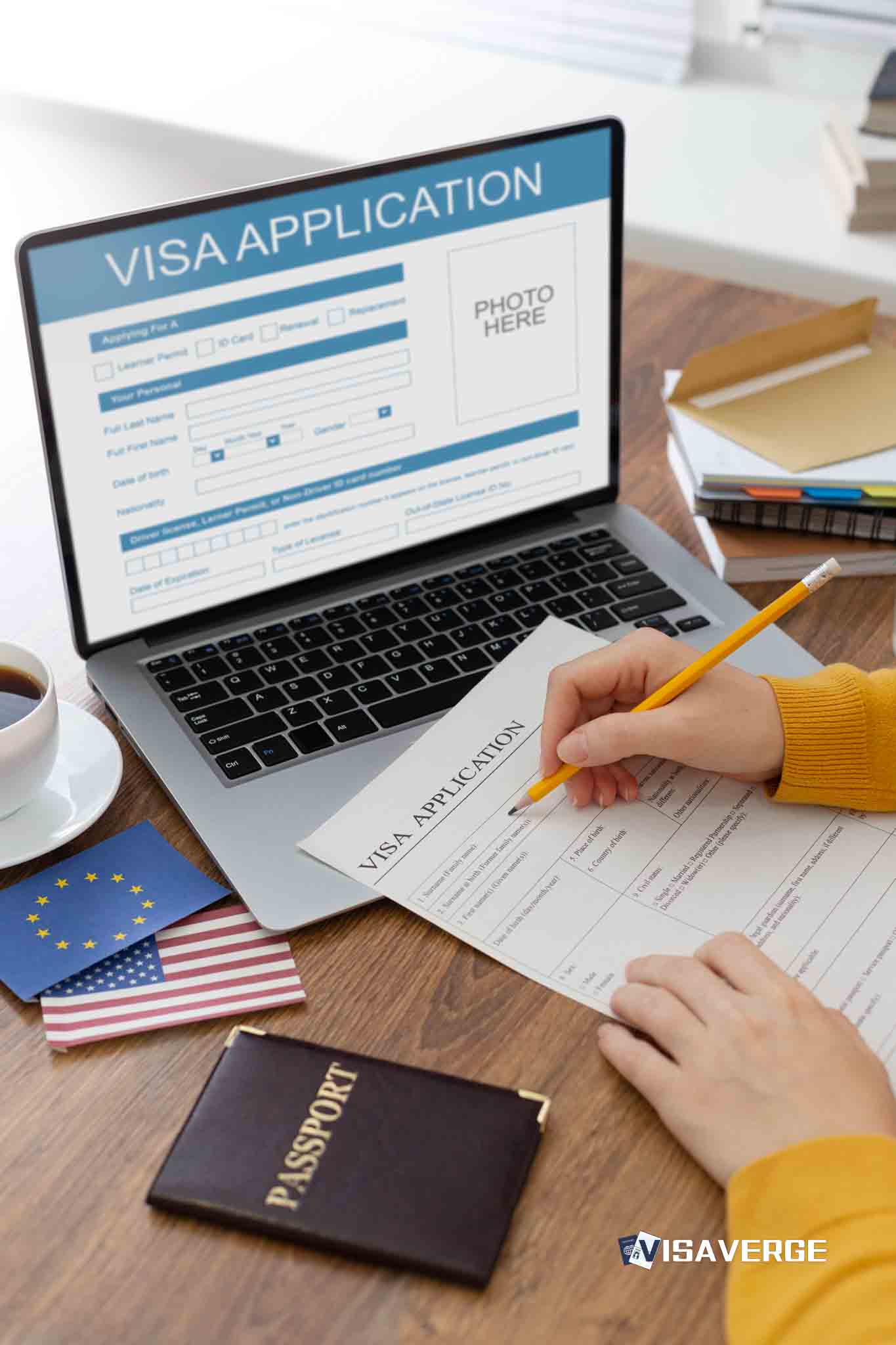
- Gather Required Documentation: Compile digital and physical copies of your passport, biometric photographs, financial records, proof of accommodation, and health insurance policies according to official specifications.
- Complete the Official Application Form: Input biographical and travel details accurately. Discrepancies between your passport data and application entries are among the leading causes of administrative delays or outright rejections.
- Pay Applicable Processing Fees: Submit fees exclusively through secure, official payment gateways provided by the governing authority. Retain all transaction receipts and confirmation numbers.
- Monitor Status and Respond to Inquiries: Keep a close eye on the email address or portal dashboard associated with your submission. Consular or administrative officers may request supplementary documentation during the review window.
- Download and Verify the Final Document: Upon approval, secure your digital credential or physical permit. Verify that all printed or encoded details—such as full name, passport number, and validity dates—are entirely accurate.
Comparative Overview of Documentation Types
To help clarify how different travel and credentialing programs function, the following comparison highlights key operational differences between traditional visas, electronic travel authorizations, and specialized regional passes.
| Document Type | Primary Purpose | Typical Validity | Processing Method |
|---|---|---|---|
| Traditional Consular Visa | Long-term residency, work, or study in a foreign nation. | 3 months to several years | In-person embassy interview, physical stamp or sticker. |
| Electronic Travel Authorization (ETA) | Short-term tourism or business transit in participating regions. | 1 to 5 years (or tied to passport expiry) | Online digital application, linked electronically to passport. |
| Specialized Regional Pass | Digital nomad remote work, economic zone entry, or corporate mobility. | 6 months to 2 years | Digital portal submission, specialized vetting. |
Common Mistakes and Troubleshooting
Applicants frequently encounter avoidable hurdles when managing international paperwork or digital travel credentials. Awareness of these pitfalls streamlines the process.
- Using Third-Party Scammers: Numerous unauthorized websites mimic official government portals, charging exorbitant fees for services that are either free or significantly cheaper on official government websites. Always check URL extensions (such as
.govor official country code domains) before proceeding. - Typographical Errors in Biographical Data: A single transposed digit in a passport number or an incorrect birth date can invalidate an electronic authorization. Proofread all entries multiple times before final submission.
- Expired Supporting Documents: Submitting bank statements or police clearance certificates that exceed the age limit set by the issuing authority (often older than 30 or 90 days) will trigger automatic rejection.
- Failing to Verify Local Compliance: Securing an entry pass does not exempt travelers from local tax obligations, customs regulations, or registration requirements upon arrival. Always review local municipal laws.
Frequently Asked Questions
What is an Aria visa?
The term can refer to specialized regional travel passes, digital nomad framework credentials, or mistakenly applied terminology for electronic travel authorizations. Because it is not a universally standardized global visa category like a Schengen visa, its exact meaning depends entirely on the specific issuing organization or governmental body utilizing the designation.
How can I verify the authenticity of my travel document?
Authenticity should always be verified directly through the official government portal, embassy, or issuing authority that granted the credential. Cross-reference the barcode, reference number, or digital signature within the official database rather than relying on third-party verification tools.
Are there financial requirements to obtain this type of documentation?
Yes. Most modern entry permits, temporary residency passes, and digital nomad visas require proof of financial self-sufficiency. This typically involves submitting recent bank statements, proof of continuous employment, or verified passive income streams to demonstrate you can support yourself during your stay.
What should I do if my application is delayed or denied?
If an application stalls or is rejected, check the official communication channel or portal for a stated reason. Common fixes include submitting clearer document scans, providing updated financial records, or correcting typographical errors in your initial submission. If necessary, contact the consular help desk or support office directly.
Final Recommendation
When dealing with any specialized travel document, administrative credential, or regional permit, prioritize official, direct sources above all else. Avoid navigating applications through unverified intermediary websites, ensure your passport and financial records meet the strict validity thresholds of the issuing body, and double-check all data entries before finalizing submissions. Verifying the legitimacy of your documentation proactively protects your travel plans, financial investments, and personal security.