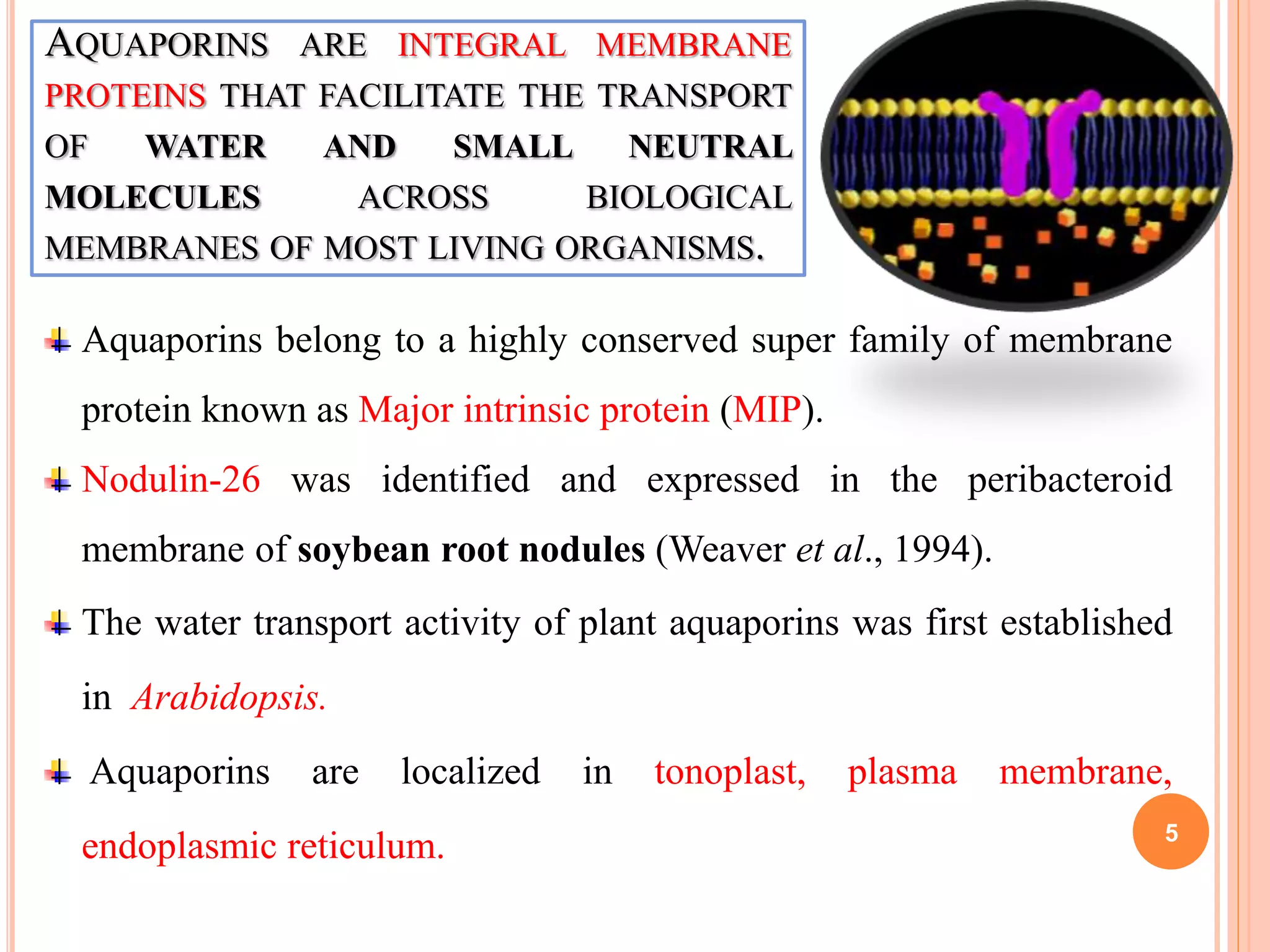
Aquaporins are specialized integral membrane proteins that function as highly selective channels, facilitating the rapid movement of water molecules across cell membranes while effectively blocking the passage of ions and other solutes. Often referred to as "the plumbing system of the cell," these proteins are essential for maintaining osmotic balance, cellular homeostasis, and the precise regulation of fluid distribution in diverse tissues throughout the human body.
Defining the Aquaporin Concept
To understand aquaporins, one must look at the physical constraints of the cell membrane. The lipid bilayer that encapsulates every cell is inherently hydrophobic. While small, uncharged molecules like oxygen can diffuse through this barrier, water—a polar molecule—cannot pass through the lipid core efficiently on its own. If cells relied solely on simple diffusion to move water, biological processes would be lethally slow.
Aquaporins solve this problem by providing a physical "pore" within the membrane. Discovered by Peter Agre in the early 1990s, for which he received the Nobel Prize in Chemistry in 2003, these proteins are structured as tetramers. Each monomer within the tetramer acts as an independent water channel. The architecture of the channel is remarkably narrow, approximately 2.8 angstroms in diameter, which is just wide enough to allow water molecules to pass in a single-file line while creating an electrostatic barrier that prevents the passage of protons (hydrogen ions). This is a critical distinction; if protons were allowed to pass, it would collapse the electrochemical gradients necessary for energy production and nerve signaling.
The Physiological Roles of Aquaporins
The human body expresses at least 13 different types of aquaporins (AQP0 through AQP12), each with distinct tissue distribution and functional nuances. Their influence spans nearly every major organ system, dictating how we hydrate, how we filter waste, and how our tissues maintain their structural integrity.
Kidney Function and Urinary Concentration
The most prominent role of aquaporins is found in the kidneys, specifically within the collecting ducts. Here, AQP2 is regulated by the hormone vasopressin (antidiuretic hormone). When the body needs to conserve water, vasopressin triggers the translocation of AQP2 to the cell surface, allowing water to be reabsorbed from the urine back into the bloodstream. Without this mechanism, the body would lose excessive amounts of water, leading to rapid dehydration and conditions such as diabetes insipidus, where the kidneys cannot concentrate urine effectively.
Ocular Health and Vision
In the lens of the eye, AQP0 is vital. It acts not just as a water channel but also as an adhesion protein that helps maintain the tightly packed arrangement of lens fibers. This organization is necessary for the lens to remain transparent. Mutations in the gene encoding AQP0 are clinically linked to the development of congenital cataracts, illustrating that aquaporins are not merely passive channels but active participants in tissue architecture.
Brain Homeostasis and Fluid Dynamics
The brain is protected by the blood-brain barrier, and aquaporins play a central role in the regulation of cerebrospinal fluid and the clearance of metabolic waste. AQP4 is densely expressed in the "end-feet" of astrocytes that surround brain capillaries. This positioning allows it to facilitate the rapid movement of water into and out of the brain parenchyma. In cases of traumatic brain injury or stroke, the regulation of AQP4 becomes a significant factor in cerebral edema (swelling), as the protein can facilitate the influx of water into the brain tissue during pathological states.
Summary of Major Aquaporin Types in Humans
| Aquaporin | Primary Localization | Major Physiological Function |
|---|---|---|
| AQP0 | Eye Lens | Maintains lens transparency and structural cell adhesion. |
| AQP1 | Kidney (Proximal Tubule), Red Blood Cells | Facilitates bulk water reabsorption and plasma stability. |
| AQP2 | Kidney (Collecting Duct) | Regulates water reabsorption under hormonal control. |
| AQP3 | Skin, Kidney, Colon | Allows water and glycerol transport; essential for skin hydration. |
| AQP4 | Brain (Astrocytes), Spinal Cord | Regulates fluid balance in the central nervous system. |
The Mechanics of Selectivity: How They Work
The selectivity of aquaporins is a feat of molecular engineering. The channel contains a specific "selectivity filter" known as the ar/R (aromatic/arginine) region. This constriction point is so precise that it physically prevents larger molecules from entering. Furthermore, the channel utilizes a signature NPA (asparagine-proline-alanine) motif.
Inside the pore, the water molecules are forced to orient themselves in a specific way due to the electrostatic environment created by these amino acids. This reorientation breaks the "hydrogen-bonded wire" that water molecules typically form. By breaking this chain, the aquaporin prevents protons from "hopping" through the channel via the Grotthuss mechanism, ensuring that the cell’s internal pH and electrical charge remain undisturbed while water moves freely.
Clinical Relevance and Pathophysiology
Because aquaporins are ubiquitous, their dysfunction leads to diverse clinical syndromes. Beyond the aforementioned nephrogenic diabetes insipidus and congenital cataracts, aquaporins are being heavily investigated in the context of:
- Neurological Disorders: Research into AQP4 continues to explore its role in Alzheimer’s disease and other neurodegenerative conditions, as the "glymphatic system"—a clearance pathway in the brain—relies on AQP4 to flush out amyloid-beta proteins.
- Dermatology: AQP3 is essential for the transport of water and glycerol to the stratum corneum (the outermost layer of the skin). Decreased expression of AQP3 has been associated with dry skin conditions and impaired wound healing.
- Autoimmune Diseases: Neuromyelitis optica (NMO) is a specific autoimmune condition where the body’s immune system mistakenly targets AQP4 in the central nervous system, leading to severe inflammation of the optic nerves and spinal cord.
Research and Technical Limitations
While our understanding of aquaporins has advanced significantly by 2026, research is still bounded by the complexity of cellular environments. It is difficult to isolate these proteins in a laboratory setting without altering their structural state, as they require the lipid bilayer to function correctly. Furthermore, pharmacological agents that can selectively "block" or "open" specific aquaporins without affecting others remain a major challenge in drug development. While diuretics exist that interact with renal water handling, developing a drug that specifically targets AQP4 in the brain to treat swelling without systemic side effects remains a primary focus of current medicinal chemistry.
Frequently Asked Questions
Are aquaporins present in all living organisms? Yes, aquaporins are found across the kingdoms of life, including bacteria, plants, and animals. In plants, they are particularly numerous, helping to regulate water uptake from the soil and transpiration through the leaves, which is vital for surviving periods of drought.
Can you take a supplement to increase aquaporin activity? Currently, there is no clinically proven supplement that directly increases the expression or function of aquaporins in the human body. While some skincare products marketed in 2026 claim to "stimulate aquaporin production" to improve hydration, these effects are generally limited to the surface of the skin and do not impact systemic health or internal organ function.
Do aquaporins transport anything other than water? Yes, certain aquaporins are classified as "aquaglyceroporins." These proteins, such as AQP3, AQP7, and AQP9, are capable of transporting glycerol and other small solutes like urea in addition to water. This is essential for energy metabolism in adipose tissue and the maintenance of skin elasticity.
Why does the body need a channel for water at all? Without aquaporins, the rate of water movement across cell membranes would be dictated solely by simple diffusion through the lipid bilayer. This process is too slow to support the rapid physiological changes required for survival, such as the kidney's ability to adjust to sudden shifts in hydration or the brain's requirement to manage fluid pressure.
How do doctors diagnose an aquaporin-related disease? Diagnosis often involves a combination of genetic testing, functional studies (like water deprivation tests for kidney issues), and imaging. In the case of autoimmune conditions like Neuromyelitis optica, blood tests look for the presence of specific antibodies (anti-AQP4 antibodies) that are diagnostic for the disease.
Next Actions and Professional Advice
If you suspect that you have symptoms related to water retention, chronic kidney function issues, or unexplained neurological symptoms, the primary step is to consult with a medical professional, such as a nephrologist or neurologist. Do not attempt to self-diagnose based on research regarding protein channels, as the systemic nature of these proteins means that symptoms are often broad and indicative of complex physiological processes. If you are interested in the cellular biology of aquaporins for academic or professional development, the most reliable source for the latest structural data and clinical trials is the official database of the National Institutes of Health (NIH) or peer-reviewed journals such as Nature Cell Biology.