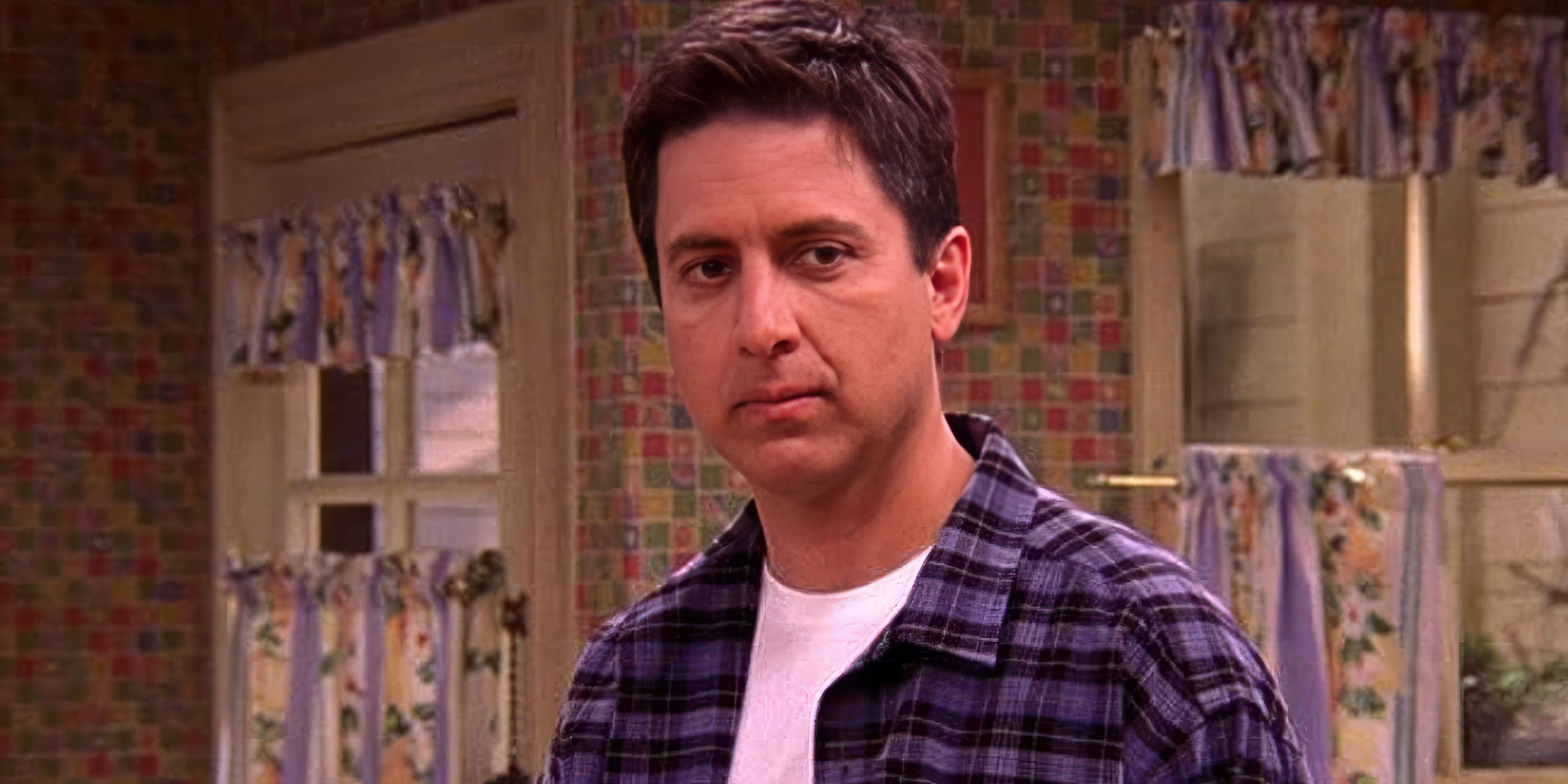
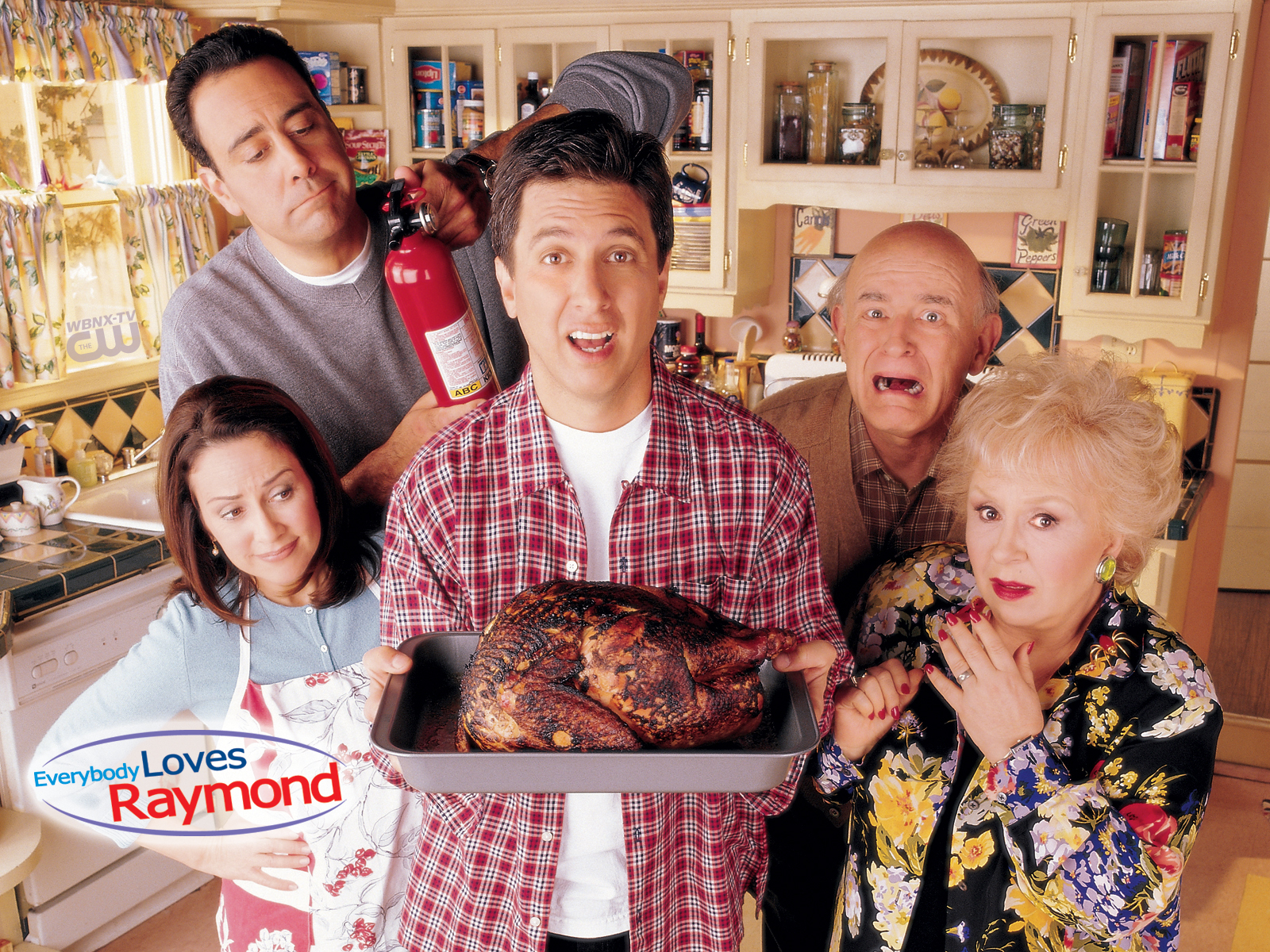
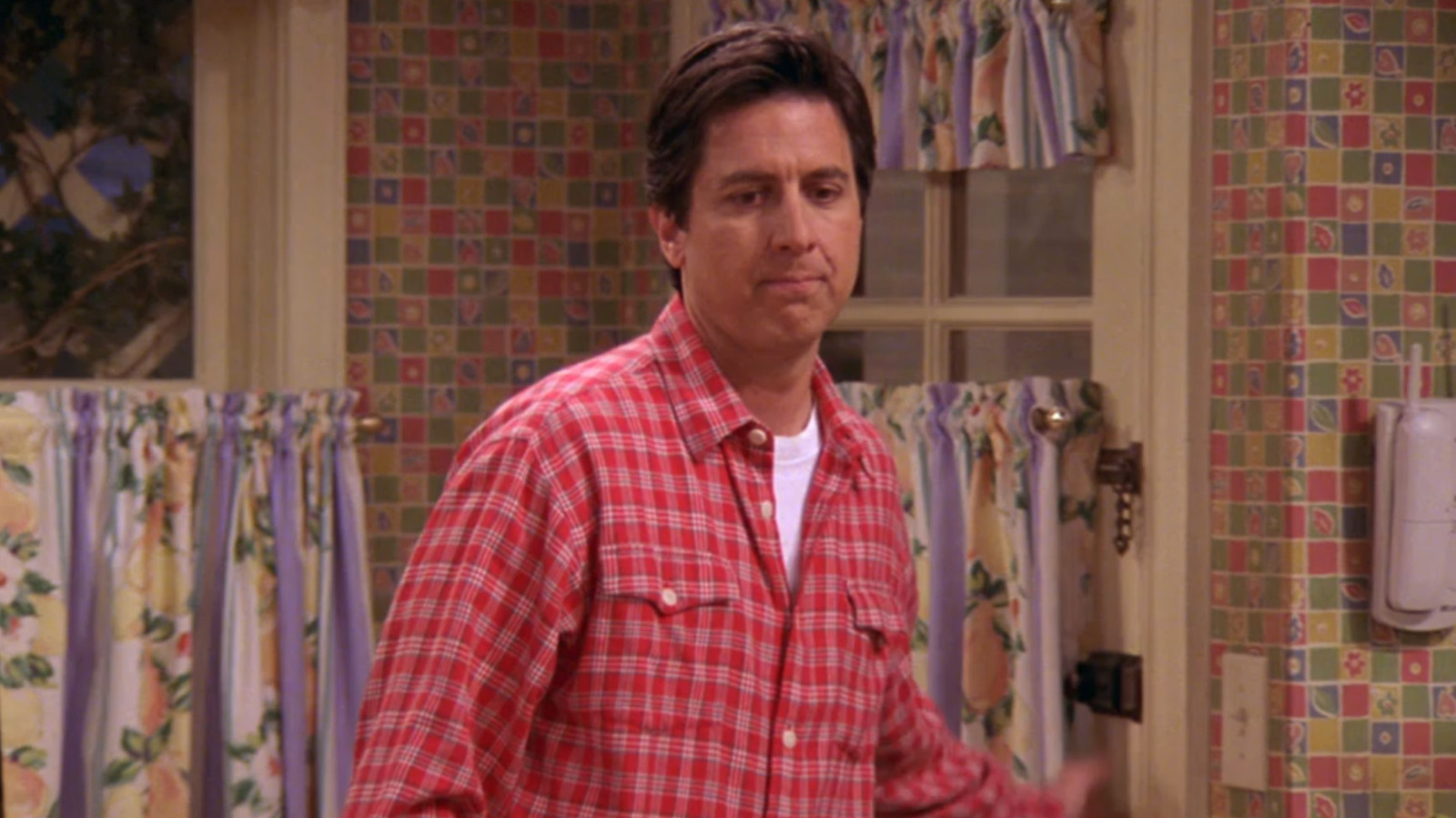
Andy is a recurring character in the hit sitcom Everybody Loves Raymond, portrayed by veteran stand-up comedian Andy Kindler. He functions as one of Ray Barone’s closest friends and a fellow sportswriter at Newsday, providing a neurotic, cynical, and often hilariously pessimistic contrast to Ray’s chaotic family life.
As we look back at the legacy of Everybody Loves Raymond in 2026, the show remains a cornerstone of American sitcom history. While the central focus of the series was undoubtedly the suffocating yet loving Barone family—Ray, Debra, Frank, Marie, and Robert—the supporting cast played a vital role in grounding the show. Among these supporting players, the character of Andy stands out as a fan favorite who offered a glimpse into Ray Barone’s life outside the confines of his Long Island home.
The Identity of Andy: Character and Actor
The character of Andy was specifically tailored to the comedic strengths of Andy Kindler. Kindler, a well-known figure in the alternative comedy scene, brought his trademark "meta-humor" and self-deprecating style to the role. In the universe of the show, Andy is not just a friend; he is a mirror to Ray’s own insecurities, albeit amplified by a lack of domestic stability.
Unlike Ray, who is married with three children and living across the street from his intrusive parents, Andy is portrayed as a perpetual bachelor for much of the series. This distinction is crucial for the show’s dynamic. Andy represents the "what if" scenario for Ray—a life of freedom that is simultaneously depicted as lonely, anxiety-ridden, and professionally competitive.
The Professional Link: Sportswriting at Newsday
One of the most important aspects of Andy’s role is his professional relationship with Ray. Both characters are sportswriters for Newsday, a real-life prominent newspaper serving Long Island and New York City. This shared career provides the foundation for their friendship and serves as the catalyst for many of their interactions.
In the 1990s and early 2000s setting of the show, being a sportswriter involved traveling to games, hanging out in press boxes, and meeting professional athletes. Andy is often seen with Ray in these professional settings, or more commonly, in Ray’s kitchen or the local pizza shop, discussing their assignments. This professional camaraderie allows the writers to explore a different side of Ray—the "work Ray" who is respected in his field but still prone to the same petty jealousies and laziness that define his home life.
The Social Dynamic: Ray’s Inner Circle
Andy is a core member of what fans often refer to as Ray’s "Guy Group." This group typically consists of Andy, Gianni (played by Jon Manfrellotti), and occasionally Bernie (Tom McGowan) or Dave (Dave Attell). Each member of this group fulfills a specific comedic archetype:
- Gianni: The "slacker" friend and contractor who often does subpar work for the Barones. He is laid back and somewhat dim-witted.
- Bernie: The more "together" friend who is often seen with his wife, Linda. He provides a more mature perspective, though he is still prone to the group's collective immaturity.
- Andy: The "neurotic" friend. He is the one who overthinks every dating interaction, worries about his health, and complains about the state of the industry.
Andy’s role in this group is to heighten the tension. While Gianni might shrug off a problem, Andy will obsess over it. This creates a "ping-pong" effect in the dialogue, where Ray’s mild annoyance is met with Andy’s high-frequency anxiety, usually resulting in a humorous stalemate.
Why the Character of Andy Matters to the Narrative
While Andy appeared in only 28 of the 210 episodes, his presence was significant. From a structural standpoint, Andy served several key functions for the series' writers:
A Foil for Ray Barone
Ray Barone is a character defined by his desire for the path of least resistance. He wants to avoid conflict with Debra and his parents. Andy, conversely, is a character who creates internal conflict where none exists. By placing Ray next to Andy, the audience sees Ray as the "straight man." Andy’s extreme neuroses make Ray appear relatively normal, which is a necessary perspective shift given how often Ray’s own family makes him look like the "crazy" one.
The "Single Man" Perspective
Much of Everybody Loves Raymond focuses on the trials and tribulations of marriage. Debra and Ray’s arguments are the show's bread and butter. Andy provides a necessary counter-perspective. His failed dates, his anxiety about commitment, and his general confusion regarding women serve as a reminder to Ray (and the audience) that being single isn't necessarily easier than being married—it just presents a different set of headaches.
Realistic Professionalism
The creators of the show, including Phil Rosenthal and Ray Romano, were adamant about making Ray’s job feel authentic. In the real world of sports journalism, reporters spend a significant amount of time waiting around and talking shop with their colleagues. Andy represents that reality. The banter between them feels lived-in and specific to the industry, which added a layer of "prestige" to the sitcom's world-building.
Notable Episodes Featuring Andy
To truly understand Andy’s role, one must look at the episodes where he moved from a background character to a central part of the B-plot.
- "The Bachelor Party" (Season 1, Episode 21): This early episode established the chemistry of the friend group. As Ray attempts to plan a bachelor party for his brother Robert, Andy’s specific brand of awkwardness and pessimism helps set the tone for the group's failed attempts at being "cool."
- "Golf" (Season 2, Episode 10): Golf is a recurring theme in the show, representing Ray’s ultimate escape. Andy often joins Ray on the course, where their professional rivalry and personal insecurities play out over eighteen holes.
- "The Game" (Season 2, Episode 15): During a blackout, the family plays a board game. While Andy isn't the focus of the family drama, his presence in the "friend" episodes during this era helped solidify him as a staple of Ray’s external life.
- "The Sneeze" (Season 4, Episode 10): Ray becomes obsessed with a sneeze that he believes might be a sign of a serious illness. Andy’s own hypochondria and neurotic responses fuel Ray’s fire, showcasing how the two characters can feed into each other's worst impulses.
Analysis of Andy Kindler’s Performance
It is impossible to separate the character of Andy from the man playing him. Andy Kindler is often called a "comedian's comedian." His style involves pointing out the tropes of comedy while he is performing. In Everybody Loves Raymond, he toned down the meta-commentary but kept the nervous energy.
Kindler’s delivery is characterized by a slight stutter, frequent hand gestures, and a voice that always sounds like it's on the verge of a minor panic attack. This physical comedy was a perfect match for the show’s multi-camera format. It allowed the audience to find humor in his discomfort. In 2026, many modern sitcoms have moved toward a single-camera, more "realistic" style, but Kindler’s performance remains a masterclass in how to use theatrical energy to make a secondary character memorable in a traditional sitcom setup.
Comparison of Ray's Inner Circle
To better understand Andy's specific niche, we can compare the three primary friends Ray spent his time with throughout the series.
| Feature | Andy (Andy Kindler) | Gianni (Jon Manfrellotti) | Bernie (Tom McGowan) |
|---|---|---|---|
| Primary Trait | Neurotic / Anxious | Lazy / Easy-going | Responsible / Grounded |
| Occupation | Sportswriter (Newsday) | Contractor / Handyman | Unknown / General Professional |
| Relationship Status | Perennially Single | Single / Dating | Married (to Linda) |
| Relationship to Ray | Professional & Social | Social & Occasional Labor | Purely Social |
| Comedy Style | High-energy pessimism | Dry, deadpan wit | "Straight man" frustration |
The Legacy of the "Andy" Role in Sitcom History
The "best friend" character is a staple of the sitcom genre, dating back to Ed Norton in The Honeymooners. However, Andy represented a shift in this trope. Instead of being a "sidekick" who simply facilitates the protagonist's schemes, Andy was a fully realized character with his own set of problems that often had nothing to do with Ray.
This approach influenced later sitcoms where the "friend group" became more specialized. We see echoes of Andy's neuroses in characters from shows like The Big Bang Theory or How I Met Your Mother. The idea that a friend is there not just for support, but to provide a specific type of comedic friction, is something Everybody Loves Raymond executed perfectly with Andy.
The 2026 Perspective: Streaming and Syndication
As of 2026, Everybody Loves Raymond continues to find new audiences through streaming platforms like Peacock and Paramount+. For new viewers, Andy often stands out because his humor feels modern. The "anxious millennial" trope that became popular in the 2010s was actually being pioneered by Gen X comedians like Kindler in the late 90s.
Andy’s complaints about the difficulty of dating and the stress of a changing media landscape feel remarkably prescient. While the technology has changed (Andy would be complaining about dating apps and Twitter/X today rather than just answering machines and pagers), the underlying human emotion remains the same.
Frequently Asked Questions
Was Andy Kindler really a sportswriter?
No, Andy Kindler is a professional stand-up comedian and actor. However, he played the role of a sportswriter so convincingly because he frequently appeared on sports-related talk shows and has a natural affinity for the "obsessive" nature of sports fandom.
Why did Andy disappear in later seasons?
Andy did not disappear entirely, but his appearances became less frequent as the show focused more heavily on the core Barone family dynamics. As the conflict between Debra and Marie intensified, there was less narrative room for "the guys" to hang out at the pizza shop or the golf course.
Are Andy and Gianni friends in real life?
Yes, the actors Andy Kindler and Jon Manfrellotti are part of the same comedy circle. The genuine chemistry you see on screen between Ray's friends often stemmed from the fact that many of them were real-life friends of Ray Romano and Phil Rosenthal from the New York and LA stand-up scenes.
What happened to the character of Andy after the show ended?
While the show never had a formal spinoff for the friends, fans like to imagine that Andy stayed at Newsday, likely struggling to transition into the world of digital blogging and social media, probably still complaining about the same things he did in 1996.
Is Andy the most "realistic" character on the show?
In many ways, yes. While the Barone family is often heightened for comedic effect (Marie’s intrusiveness and Frank’s gruffness are legendary), Andy’s professional anxieties and social awkwardness are traits that many viewers find highly relatable, even decades after the show first aired.
Conclusion and Final Thoughts
The role of Andy in Everybody Loves Raymond serves as a vital component of the show’s enduring success. By providing a professional outlet and a social foil for Ray Barone, Andy Kindler’s character added depth to a show that could have easily become claustrophobic within the Barone household. Andy represents the external world—the world of work, dating, and individual anxiety—that contrasts beautifully with the internal world of family obligation and tradition.
For fans revisiting the series in 2026, paying close attention to Andy’s scenes offers a masterclass in supporting character work. He doesn't just fill a seat at the table; he brings a specific, necessary energy that makes the world of Everybody Loves Raymond feel whole.
Recommendation: If you are a fan of the show, try re-watching the episodes mentioned above specifically to observe the timing between Ray Romano and Andy Kindler. Their "comical tension" is a perfect example of two different styles of stand-up comedy blending into a singular, cohesive sitcom reality.