Americans living in Mexico can achieve legal status by obtaining either a Temporary or Permanent Residency visa, typically based on proof of economic solvency, retirement, or family unity. The process begins at a Mexican consulate in the United States and concludes with the issuance of a residency card at an immigration office (INM) in Mexico.
The relationship between the United States and Mexico has evolved significantly by 2026. While Mexico remains the top international destination for U.S. citizens, the requirements for residency and the logistics of daily life have become more structured. Whether you are a digital nomad, a retiree, or a professional seeking new opportunities, navigating the legal, financial, and cultural landscape of Mexico requires a detailed understanding of current regulations and local norms.
Understanding Residency: The Legal Foundation
For Americans, "living" in Mexico is a legal distinction that goes beyond simply staying in the country. While many U.S. citizens enter Mexico as tourists (on a Visitante visa), this status is limited. As of 2026, Mexican immigration authorities (Instituto Nacional de Migración or INM) have tightened enforcement regarding the 180-day stay limit. The practice of "border runs" to reset a tourist visa is no longer a reliable strategy.
Temporary Residency (Residente Temporal)
Temporary Residency is the most common starting point for Americans. It is designed for those who wish to stay in Mexico for more than six months but less than four years. This visa is initially granted for one year and can be renewed for an additional three years. After four years of temporary status, holders are eligible to convert to Permanent Residency.
One of the primary benefits of Temporary Residency is the ability to import a foreign-plated vehicle (TIP - Temporary Import Permit) for the duration of the visa’s validity. This is an advantage not shared by Permanent Residents, who must generally drive Mexican-plated vehicles.
Permanent Residency (Residente Permanente)
Permanent Residency is intended for retirees who meet specific income thresholds or for those with close family ties to Mexican citizens. Unlike the temporary version, this status never expires and does not need to be renewed. Permanent Residents have the right to work in Mexico without needing a separate work permit, though they must still notify the INM of changes in employment or address.
The Step-by-Step Application Process in 2026
The process for obtaining residency is a two-stage procedure known as the "Consular Phase" and the "Canje" (Exchange) phase.
- Consular Interview: You must apply at a Mexican consulate outside of Mexico—most commonly in the U.S. You will present proof of income or assets, pay the application fee, and undergo a brief interview. If approved, a visa sticker is placed in your passport.
- Entry into Mexico: You must enter Mexico within 90 to 180 days (depending on the consulate's specific issuance). At the port of entry, you must ensure the immigration officer marks your entry as "Canje" rather than "Turismo."
- The Canje (Exchange): Within 30 days of arrival, you must visit a local INM office to trade your visa sticker for a biometric residency card. This stage involves fingerprinting, providing photographs, and paying additional fees.
It is critical to note that you cannot start the residency process from within Mexico if you entered as a tourist, unless you are applying under the "Family Unity" category or a specific regularization program that the Mexican government occasionally offers.
Financial Requirements and Economic Solvency
Mexico uses a calculation based on the daily minimum wage or the UMA (Unidad de Medida y Actualización) to determine the income required for residency. Because these figures adjust annually, the 2026 requirements are higher than in previous years.
Financial solvency can be proven through two main avenues: monthly income or total liquid assets (savings/investments).
Residency Requirement Projections for 2026
| Visa Type | Monthly Income (Approx. USD) | Savings/Investments (Approx. USD) | Best For |
|---|---|---|---|
| Temporary Residency | $3,600 - $4,500 | $60,000 - $75,000 | Remote workers, younger expats, long-term travelers. |
| Permanent Residency | $5,800 - $7,200 | $240,000 - $290,000 | Retirees with pensions, high-net-worth individuals. |
| Family Unity | Varies by relationship | N/A | Spouses or parents of Mexican citizens/residents. |
Note: These figures vary slightly between different Mexican consulates in the U.S., as each consulate has the discretion to set its own specific USD exchange rate and multiplier.
Tax Obligations for Americans in Mexico
A common misconception among Americans in Mexico is that they only owe taxes to one country. In reality, the U.S. is one of the few countries that taxes based on citizenship, regardless of where you live.
U.S. Tax Filing (IRS)
Even if you live in Mexico year-round, you must file a U.S. federal tax return if your income exceeds the filing threshold. However, you can often avoid double taxation using the Foreign Earned Income Exclusion (FEIE) or the Foreign Tax Credit (FTC). Additionally, Americans with more than $10,000 in foreign bank accounts (including Mexican accounts) must file an FBAR (FinCEN Form 114) annually.
Mexican Tax Filing (SAT)
If you become a tax resident of Mexico—generally defined as having your "center of vital interests" in Mexico or spending more than 183 days in the country—you may be liable for Mexican taxes on your global income. If you earn income from a Mexican source (such as renting out a property in Mexico or working for a Mexican company), you must obtain an RFC (Registro Federal de Contribuyentes) and file taxes with the Servicio de Administración Tributaria (SAT).
The U.S.-Mexico Tax Treaty helps prevent double taxation, but it requires careful reporting and often the assistance of a cross-border tax specialist.
Healthcare Options for Expatriates
Healthcare is one of the primary reasons Americans move to Mexico, as costs are significantly lower than in the U.S. There are three main tiers of healthcare available:
- Private Healthcare: Most Americans opt for private care. Facilities in major hubs like Mexico City, Guadalajara, Monterrey, and Puerto Vallarta are world-class. Many doctors are U.S.-trained and speak fluent English. While out-of-pocket costs are affordable, most residents carry international or local private health insurance to cover major emergencies.
- IMSS (Instituto Mexicano del Seguro Social): This is the national public health system funded by employers and employees. Residents can apply for "IMSS Voluntario" for a low annual fee (approximately $800–$1,200 USD depending on age). However, it has waiting periods for pre-existing conditions and can involve long wait times.
- IMSS-Bienestar: A government program intended for those without the means to pay for other insurance. It is generally not recommended for expatriates who have the resources for private care.
Housing and Real Estate Considerations
Americans can own property in Mexico, but the process differs depending on the location.
The Restricted Zone
Under the Mexican Constitution, foreigners cannot own land directly within 50 kilometers (31 miles) of the coast or 100 kilometers (62 miles) of the borders. To purchase property in these areas, Americans must use a Fideicomiso (a bank trust). The bank holds the legal title, but the buyer has all the rights of ownership, including the right to sell, lease, or pass it to heirs.
Closing Costs and Taxes
When buying property, expect closing costs to range from 4% to 7% of the purchase price, which includes the 2% acquisition tax, notary fees, and registry fees. Capital gains taxes in Mexico can be high (up to 35%), but residents can often qualify for exemptions if the property was their primary residence for at least three years.
Safety and Regional Diversity
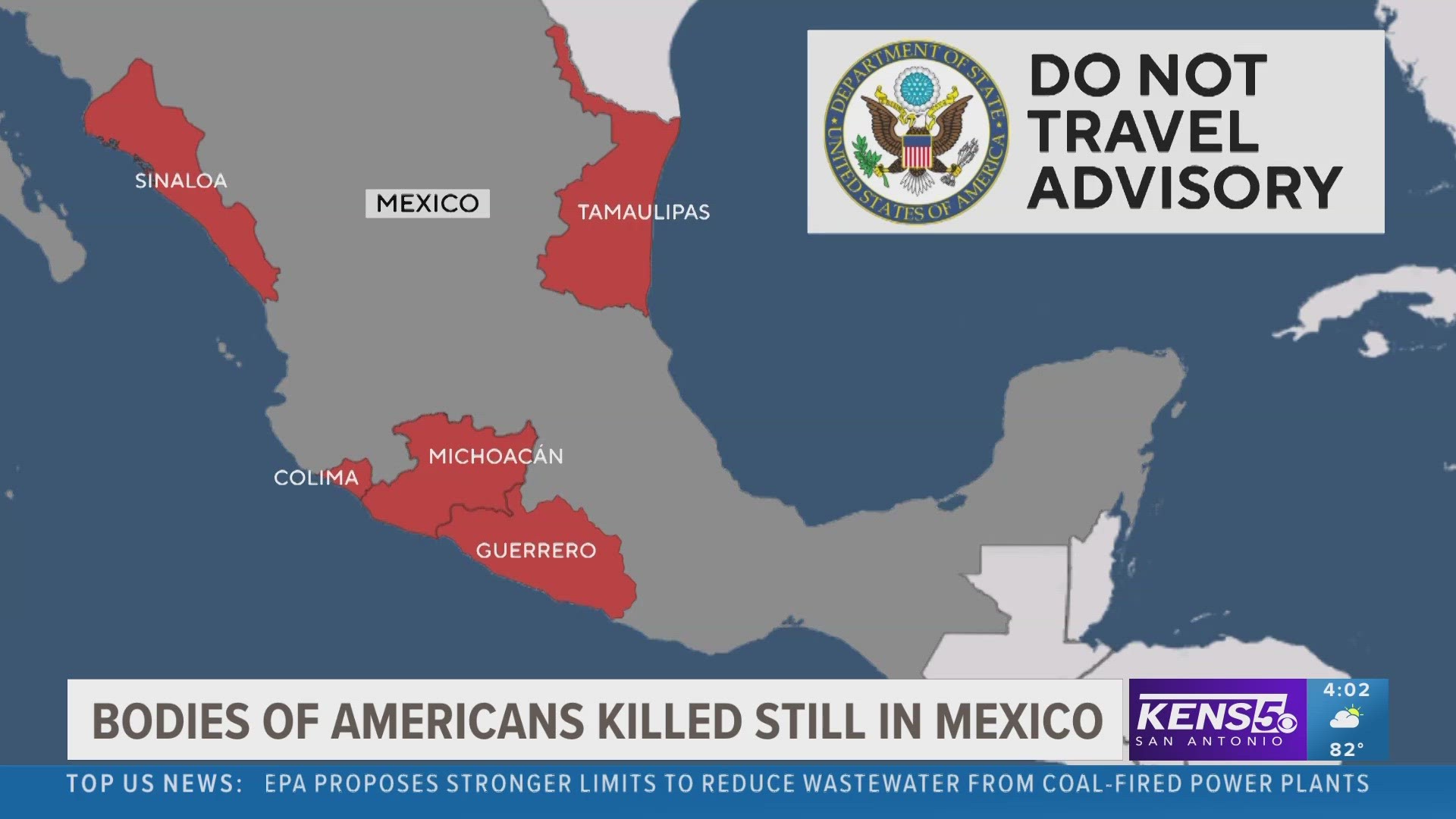
Safety in Mexico is highly regional. While some areas face challenges related to organized crime, most expatriate enclaves are considered safe for daily life, provided residents follow standard safety protocols.
- Central Highlands: Places like San Miguel de Allende, Ajijic/Lake Chapala, and Querétaro offer temperate climates and established American communities.
- Coastal Regions: Puerto Vallarta, Mazatlán, and the Riviera Maya are popular for their beaches but come with higher humidity and hurricane risks.
- Urban Hubs: Mexico City and Guadalajara provide cosmopolitan lifestyles, world-class dining, and extensive cultural amenities.
Before settling, it is advisable to visit during different seasons to experience the climate and local infrastructure, such as water reliability and internet speeds, which are vital for remote workers.
Frequently Asked Questions
Can I work in Mexico as an American?
To work for a Mexican company, you must have a residency visa with "permiso para trabajar" (work authorization). If you are working remotely for a U.S. company and your income is paid into a U.S. bank account, you generally do not need a Mexican work permit, though you should still maintain legal residency if staying long-term.
Can I bring my car to Mexico?
If you have a Temporary Residency visa, you can bring a U.S.-plated car into Mexico under a Temporary Import Permit (TIP). The car must leave the country when your visa expires. Permanent Residents are not eligible for a TIP and must either import the car permanently (which can be expensive and restricted by the vehicle's age) or buy a Mexican-plated vehicle.
Is Medicare accepted in Mexico?
No, Medicare does not provide coverage for healthcare services received outside of the United States. Americans living in Mexico should maintain a private international policy or pay out-of-pocket for local care. Some "Medicare Advantage" plans may offer limited emergency coverage abroad, but this is rarely sufficient for full-time residents.
Do I need to speak Spanish?
While you can survive in "expat bubbles" like Ajijic or Cabo San Lucas with English, a functional level of Spanish is essential for handling utilities, immigration paperwork, and interacting with the broader community. Learning the language is also a sign of respect that facilitates better integration.
How do I manage my money and banking?
Many Americans maintain their U.S. bank accounts for receiving income and paying U.S. bills. For local expenses, you can use ATMs (which offer competitive exchange rates) or open a Mexican bank account. To open a Mexican account, you generally need your residency card (Residente Temporal or Permanente) and proof of address (CFE electricity bill).
Next Steps for Prospective Residents
If you are considering a move to Mexico in 2026, the first step is to assess your financial eligibility against the current UMA-based income requirements. Once confirmed, schedule an appointment with your nearest Mexican consulate. It is highly recommended to rent for at least six months in your chosen destination before committing to a real estate purchase, as the "vibe" of a Mexican town can change significantly between the high tourist season and the rainy season.