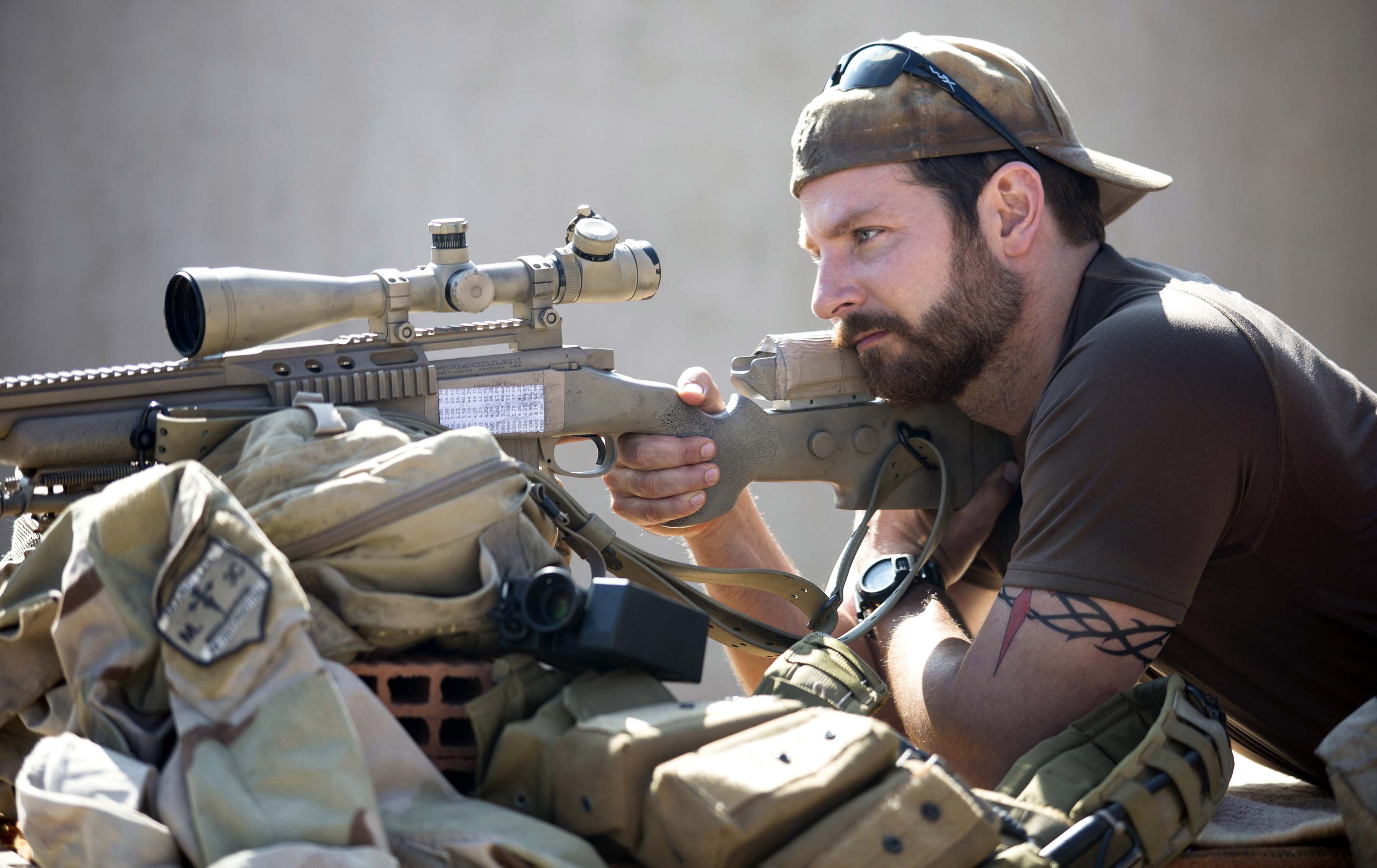
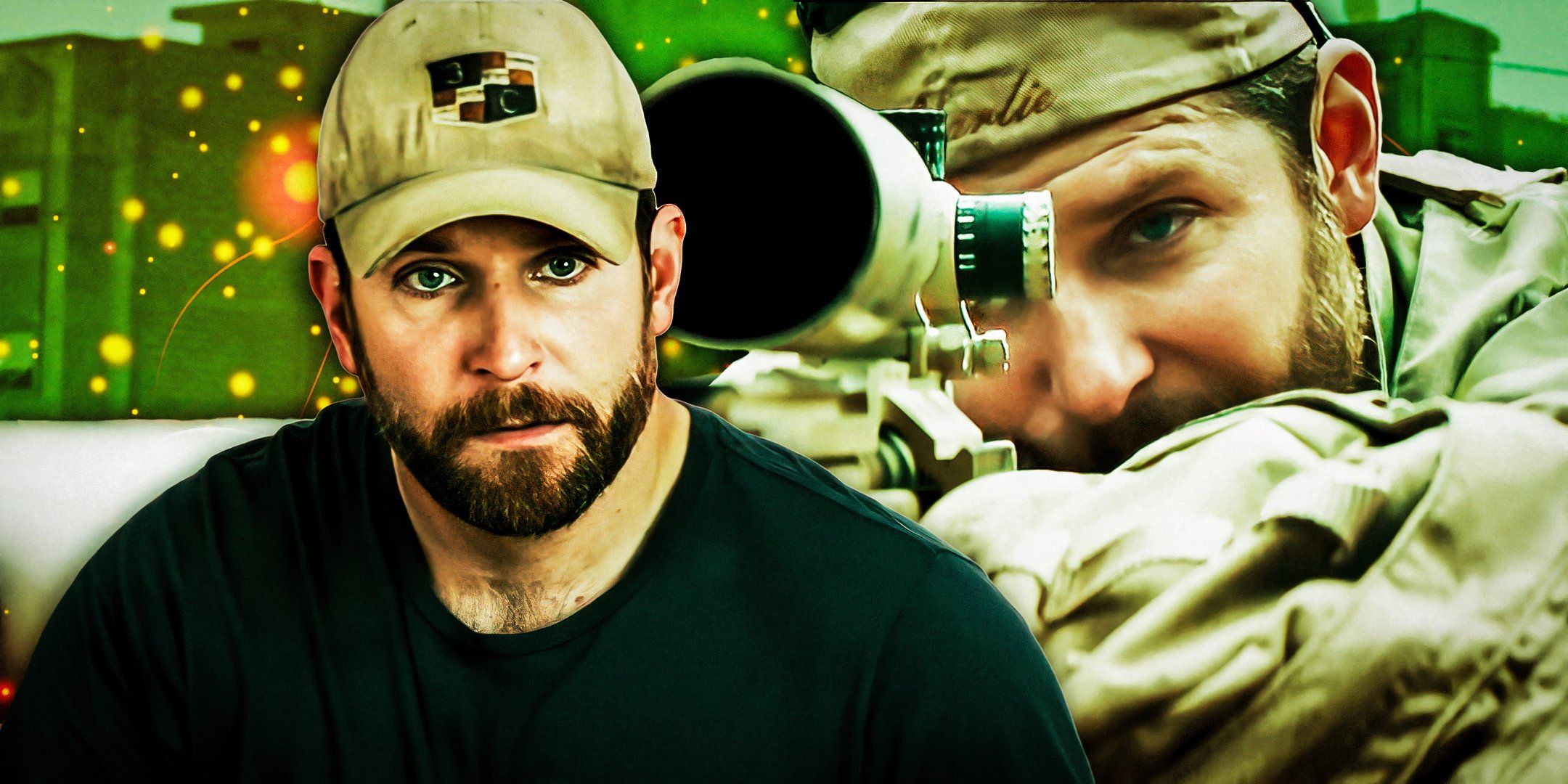
The biographical war drama American Sniper (2014) was produced by a collaborative team led by Clint Eastwood, Robert Lorenz, Andrew Lazar, Bradley Cooper, and Peter Morgan. Directed by Eastwood, the film was a significant production effort that required navigating complex logistical, ethical, and creative challenges to adapt Chris Kyle’s autobiography into a narrative feature film.
The Production Landscape of American Sniper
American Sniper represents a notable intersection of high-profile studio backing and dedicated independent-style development. While Warner Bros. served as the primary distributor and financial powerhouse, the project originated from a specific desire to bring the life of Navy SEAL sniper Chris Kyle to the screen.
The producers were tasked with balancing the visceral, high-stakes combat environment with the intimate, often strained personal life of the protagonist. This required a production structure that could support intense overseas location shooting—simulating the Iraq War—while maintaining the technical precision necessary for modern military-themed cinema.
Key Producers and Their Contributions
The production team brought together a mix of seasoned veterans and performers turned producers, which influenced the film’s distinct aesthetic and narrative focus.
- Clint Eastwood: Beyond directing, Eastwood functioned as a primary producer. His involvement provided the film with institutional weight and a signature style defined by efficiency and a focus on character-driven conflict.
- Bradley Cooper: As the lead actor, Cooper’s role as a producer was instrumental. He was the driving force behind acquiring the rights to Kyle’s book and spent years developing the project. His personal investment ensured the film captured the specific emotional tone of Kyle's life.
- Robert Lorenz: A longtime collaborator of Eastwood, Lorenz brought extensive experience in production management. His expertise was vital in coordinating the complicated logistical requirements of a major studio film, ensuring that the project stayed within budget while meeting high production value standards.
- Andrew Lazar: Lazar’s involvement was centered on the initial development and packaging of the film. His work ensured that the project transitioned successfully from a written biography to a viable screenplay that could attract both talent and studio support.
- Peter Morgan: Morgan provided crucial support in the administrative and organizational aspects of the production, bridging the gap between creative vision and studio execution.
Pre-Production and Development Hurdles
The transition from the written page to the screen was not instantaneous. Before cameras rolled, the producers had to address several hurdles, including script development and securing the rights to the story.
The primary challenge for the producers was tone. Adapting a memoir written by a man who held the record for the most confirmed kills in U.S. military history required a delicate approach. They had to ensure the film remained respectful to the source material while acknowledging the realities of the Iraq War. The production team worked closely with veterans and technical advisors to maintain authenticity.
Technical Coordination and Military Accuracy
Achieving technical accuracy was a requirement for the production team. This involved:
- Weaponry and Tactical Training: The actors, particularly Bradley Cooper, underwent rigorous physical and tactical training. The producers hired former military personnel to serve as technical advisors to ensure that the handling of weapons, tactical movements, and communication protocols matched real-world standards.
- Environment Design: The production required the creation of realistic sets that could replicate the urban warfare environments of Iraq. This involved significant set decoration and location scouting to provide a sense of place that felt authentic to the desert and urban landscapes of the conflict.
- Visual Effects: Integrating practical effects with digital enhancement was necessary to depict combat scenes safely. The production team prioritized real-world effects where possible, utilizing CGI only when necessary to augment the scale of the environments.
Economic and Strategic Production Considerations
The film was a collaboration between Malpaso Productions, Village Roadshow Pictures, and 22 & Indiana Pictures. This structure allowed for a distribution of financial risk and operational duties.
Distribution of Responsibilities
| Role | Responsibility | Focus |
|---|---|---|
| Development | Bradley Cooper & Andrew Lazar | Rights acquisition and script refinement |
| Direction/Vision | Clint Eastwood | Directorial oversight and narrative structure |
| Logistics | Robert Lorenz | Budget management and physical production |
| Finance | Warner Bros. & Village Roadshow | Funding, marketing, and global distribution |
By dividing the labor this way, the producers allowed the creative leads to focus on the performance and storytelling, while the logistical experts managed the complex web of scheduling and site-specific needs.
Post-Production and Final Delivery
The post-production phase focused on editing and sound design to emphasize the psychological toll of the war on the protagonist. The producers worked closely with editor Joel Cox to ensure that the pacing effectively shifted between the chaotic combat scenes and the domestic quiet of Kyle’s home life in Texas.
The sound design, in particular, was treated as a primary character. The producers oversaw the meticulous development of audio environments that could reflect the tinnitus and psychological hyper-awareness associated with post-traumatic stress, a central theme of the film.
Legacy and Impact of the Production Team
The success of American Sniper changed the landscape for how military biographies were treated in Hollywood. It demonstrated that a production could achieve both critical success and massive commercial reach by focusing on the human elements of the soldier’s experience.
For aspiring producers, the project serves as a case study in IP (Intellectual Property) acquisition. Bradley Cooper’s early interest in the book and his subsequent persistence in finding the right production partners underscores the reality that high-budget films often begin with a singular, passionate advocate who builds a team around a specific vision.
Frequently Asked Questions
Was Bradley Cooper the main producer of American Sniper?
Bradley Cooper was one of the key producers, and his role was essential in initiating the project. However, the production was a collective effort, with Clint Eastwood and Robert Lorenz playing equally critical roles in the film’s completion and direction.
Who provided the funding for the production?
Warner Bros. acted as the primary studio and financier, in partnership with Village Roadshow Pictures and several other production houses, such as Malpaso Productions and 22 & Indiana Pictures.
How did the producers ensure the accuracy of the military depictions?
The production team employed former Navy SEALs and military consultants to supervise the training of the cast and to review the tactical sequences for realism. This ensured that the combat drills and communication styles were consistent with actual military operations.
Did the producers face any delays during filming?
While all large-scale productions encounter minor daily scheduling challenges, the team utilized experienced production management, led by Robert Lorenz, to maintain the filming schedule. The film was noted for its efficient production pace, which is a hallmark of Clint Eastwood’s directorial style.
Is the film a direct reflection of the book?
The film is an adaptation. While it draws directly from Chris Kyle’s memoir, the producers and screenwriters made narrative adjustments to create a focused, cinematic experience. This is common in biographical adaptations where the structure of a book must be re-organized for the screen.
Next Steps for Filmmakers
If you are researching the work of this production team to understand how to shepherd a film from book to screen, the most valuable step is to analyze the "Optioning Process." Study how Bradley Cooper acquired the rights to Chris Kyle’s book before a script was ever written. This process of securing intellectual property is the foundational step for any producer looking to move from concept to development.