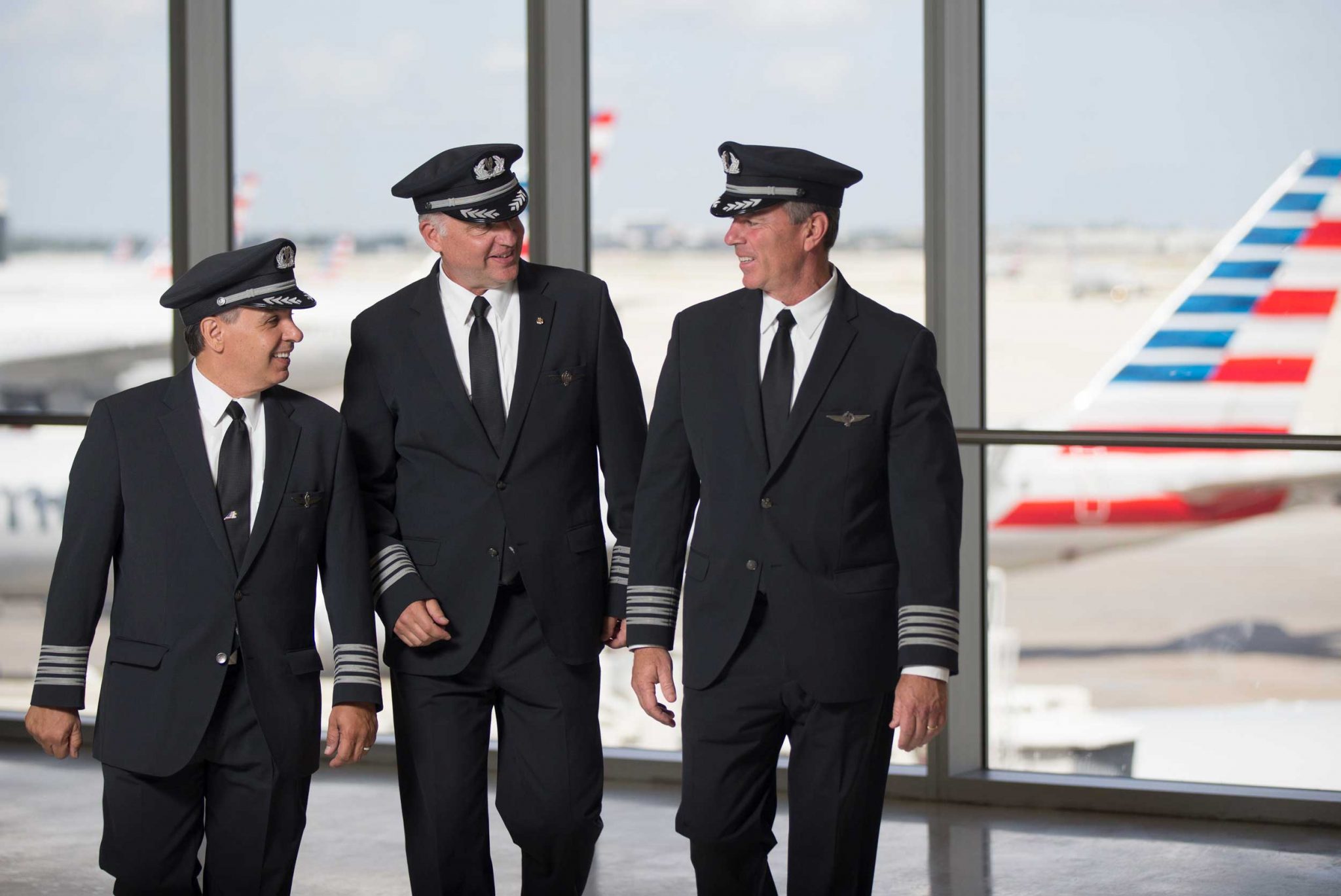
When an American Airlines captain dies or becomes incapacitated during a flight, the airline's rigorous emergency protocols and the redundant training of the remaining flight crew ensure the continued safety of the aircraft. While these tragic events are extremely rare, aviation authorities and American Airlines utilize a multi-layered safety system—including biannual medical certifications and advanced cockpit automation—to manage such emergencies and land the aircraft safely.
The sudden death or medical emergency of a pilot mid-flight is a scenario that the aviation industry prepares for with extreme precision. Although the headline "American Airlines captain dies" evokes immediate concern regarding passenger safety, the commercial aviation infrastructure is designed specifically to handle the loss of a primary crew member. In the rare instances where a captain has passed away or suffered a severe medical event in the cockpit, the First Officer (co-pilot) is fully qualified and trained to assume command immediately, declaring a medical emergency and executing a safe landing at the nearest suitable airport.
Notable Incidents of American Airlines Pilot Incapacitation
To understand the procedures and outcomes of these events, it is necessary to examine historical cases that have shaped modern safety protocols. American Airlines has a long history of safety, but like any major carrier, it has faced instances of pilot health crises.
American Airlines Flight 550 (2015)
One of the most widely documented cases occurred in October 2015. Captain Michael Johnston, 57, was helming an Airbus A320 from Phoenix to Boston with 147 passengers and five crew members on board. During the flight, Captain Johnston became ill and subsequently passed away.
The First Officer immediately took control of the aircraft, contacted Air Traffic Control (ATC), and diverted the flight to Syracuse, New York. The landing was executed without incident. This case serves as the primary example of how the "two-pilot" requirement functions as a fail-safe. Despite the tragedy of the Captain's passing, the system worked as intended, protecting the lives of everyone else on board.
The Case of Captain Robert Snow (2022)
In April 2022, Captain Robert Snow suffered a cardiac arrest in the flight deck of an American Airlines Boeing 737 shortly after landing in Dallas-Fort Worth. While this occurred after the aircraft was safely on the ground, it sparked significant national debate regarding pilot health screening and the stress of the post-pandemic aviation environment. Captain Snow survived, but the incident highlighted the critical nature of pilot wellness programs and the physical demands placed on flight crews.
Protocols: What Happens When a Pilot Becomes Incapacitated?
The moment a captain is unable to perform their duties, a specific set of procedures, known as "Pilot Incapacitation Recovery," is activated. These procedures are standardized across American Airlines and mandated by the Federal Aviation Administration (FAA).
Identification and "Two-Communication" Rule
Aviation safety relies on a concept called the "two-communication rule." If a pilot fails to respond to two consecutive verbal prompts, or if their response is incoherent, the other pilot must immediately assume they are incapacitated. In the close quarters of a cockpit, physical signs (such as slumped posture or seizure) are usually caught instantly, but subtle incapacitation (like a stroke or "microsleep") is caught through this communication protocol.
Assuming Control: The First Officer’s Role
At American Airlines, First Officers are not "apprentices"; they are fully certified commercial pilots who are rated to fly the specific aircraft they are operating. When the Captain is incapacitated:
- Fly the Airplane: The First Officer immediately takes manual control or verifies the autopilot status to ensure stable flight.
- Declare an Emergency: Using the "Mayday" or "Pan-Pan" callsign, the pilot notifies ATC of a medical emergency. This grants the aircraft priority over all other traffic.
- Secure the Pilot: The remaining crew members (often with the help of flight attendants) must secure the incapacitated pilot so they do not inadvertently interfere with the flight controls. This may involve moving the seat back or using the five-point harness to keep the pilot clear of the side-stick or yoke.
Assistance from the Cabin
American Airlines flight attendants are trained in Basic Life Support (BLS) and the use of Automated External Defibrillators (AEDs). If a captain is incapacitated, the First Officer will summon a flight attendant to the cockpit to provide medical assistance to the captain, allowing the First Officer to focus entirely on flying the plane and communicating with ATC.
FAA Medical Certification and Pilot Health Standards in 2026
As of 2026, the medical standards for American Airlines pilots remain some of the strictest in the professional world. Pilots are required to hold a First-Class Medical Certificate, which involves rigorous periodic examinations by an Aviation Medical Examiner (AME).
Frequency of Examinations
The frequency of these exams depends on the pilot’s age. For pilots under the age of 40, a First-Class Medical is required annually. However, for captains over the age of 40—the demographic most at risk for cardiac events—the examination is required every six months.
Cardiovascular and Neurological Screening
In 2026, the FAA has integrated more advanced screening tools into the First-Class Medical process. These include:
- Electrocardiogram (ECG): Required annually for pilots over 40 to detect arrhythmias or signs of previous heart attacks.
- Blood Chemistry: Monitoring for diabetes and high cholesterol, which are primary indicators of long-term cardiovascular risk.
- Mental Health Assessments: Increased focus on the psychological well-being of pilots, ensuring that stress and fatigue do not manifest as physical health crises.
| Feature | Requirement (Under 40) | Requirement (Over 40) |
|---|---|---|
| Exam Frequency | Every 12 Months | Every 6 Months |
| ECG Testing | Not standard unless indicated | Required at age 35, then annually after 40 |
| Vision Standards | 20/20 corrected | 20/20 corrected |
| Hearing Standards | Conversational at 6 feet | Conversational at 6 feet |
| Blood Pressure | Below 155/95 | Below 155/95 |
The Role of Modern Cockpit Technology in 2026
By 2026, American Airlines has outfitted much of its fleet with updated avionics designed to reduce pilot workload during emergencies. While the "single-pilot" commercial operation is not yet a reality for major carriers, the technology supporting a single remaining pilot is more robust than ever.
Autoland Systems (CAT IIIb/c)
Most modern aircraft in the American Airlines fleet, including the Boeing 787 and Airbus A321neo, are equipped with sophisticated Autoland systems. If a First Officer is left alone and is managing a high-stress environment, they can program the aircraft to land itself at airports equipped with compatible Instrument Landing Systems (ILS). This technology minimizes the risk of human error during the most critical phase of flight when a pilot may be distracted by the medical emergency occurring in the adjacent seat.
Ground Support and Telemedicine
American Airlines utilizes real-time satellite communication to connect the cockpit with medical professionals on the ground (such as those at Stat-MD). In 2026, these systems allow for the transmission of vital signs from the cockpit to ground-based doctors, who can guide the flight attendants in life-saving measures while the First Officer prepares for an emergency landing.
Pilot Shortages, Stress, and Fatigue Management
The conversation surrounding pilot deaths often touches on the systemic stresses within the airline industry. As of 2026, the industry continues to navigate the "pilot shortage" which has led to increased flight hours and shorter rest periods for some crews.
Fatigue Risk Management Systems (FRMS)
American Airlines employs an FRMS to monitor crew schedules and ensure pilots are not flying beyond their physical limits. Fatigue is a known precursor to cardiovascular stress. The FRMS uses data-driven modeling to predict when a pilot’s performance may be degraded, allowing the airline to proactively pull pilots from rotations before a health crisis occurs.
The "Age 65" Debate
A significant point of discussion in 2026 remains the mandatory retirement age for pilots. Currently set at 65, there have been various legislative attempts to increase this to 67 to combat the pilot shortage. Opponents of the increase point to the "incapacitation curve," which shows a statistically significant rise in sudden medical events in pilots over the age of 60. American Airlines continues to adhere to the Age 65 rule, prioritizing safety over staffing levels.
Comparing Aviation Safety vs. Medical Emergencies
To put the risk into perspective, it is helpful to compare the likelihood of pilot incapacitation with the redundant systems designed to handle them.
| Scenario | Mitigation Strategy | Success Rate of Mitigation |
|---|---|---|
| Sudden Cardiac Arrest | AED on board, BLS training for crew | High (for flight safety) |
| Stroke/Neurological Event | Two-communication rule, ATC priority | High |
| Food Poisoning | Pilots are served different meals | Very High |
| Fatigue-induced Error | Autopilot, FRMS monitoring | High |
Frequently Asked Questions
Has a passenger ever had to land an American Airlines plane?
While this is a common trope in films, there is no modern record of a passenger having to land a commercial American Airlines jet due to pilot death. The presence of a highly trained First Officer makes this unnecessary. In the extremely unlikely event that both pilots were incapacitated, Air Traffic Control would attempt to guide a passenger or a flight attendant through the use of the Autoland system, but the "two-pilot" rule exists specifically to prevent this scenario.
What causes most pilot deaths in the cockpit?
Statistically, the most common cause of sudden incapacitation or death in the cockpit is cardiovascular failure (heart attack). This is why the FAA places such a heavy emphasis on heart health and ECG testing for pilots over 40. Other causes include strokes and, less frequently, severe gastrointestinal issues or "silent" hypoxia.
Do pilots have to disclose their medical history to American Airlines?
Yes. Pilots are legally required to disclose all medical conditions and medications to the FAA during their First-Class Medical exam. Failure to do so can result in the permanent revocation of their license and potential criminal charges. American Airlines also has internal reporting systems for pilots to self-declare if they feel "unfit to fly" without fear of immediate job loss.
Is it safe to fly if a pilot is over 60?
Yes. Age alone is not a disqualifier for flying. A 63-year-old captain at American Airlines undergoes more frequent and rigorous health screenings than almost any other professional in the workforce. The "Age 65" rule is a conservative safety margin designed to ensure that pilots retire before the statistical likelihood of sudden health events increases sharply.
Can the plane land itself if the captain dies?
Yes, most modern American Airlines aircraft have Autoland capabilities. However, the system still requires a pilot to "program" the landing, configure the flaps and landing gear, and monitor the systems. The First Officer would handle these tasks to ensure the automated system performs correctly.
Summary of Action and Safety Assurance
The death of an American Airlines captain is a profound tragedy for the pilot's family and the airline community. However, from a passenger perspective, the event does not equate to a loss of control of the aircraft. The aviation industry is built on the principle of redundancy.
If you are a traveler concerned about this issue, the best "next action" is to recognize the efficacy of the current regulatory environment. The FAA's 2026 medical standards and the presence of a fully qualified First Officer ensure that even in the face of a medical catastrophe in the cockpit, the flight remains under professional control. Passengers should remain seated, follow all crew instructions, and trust in the decades of procedural development that make commercial aviation the safest mode of transport in the world.