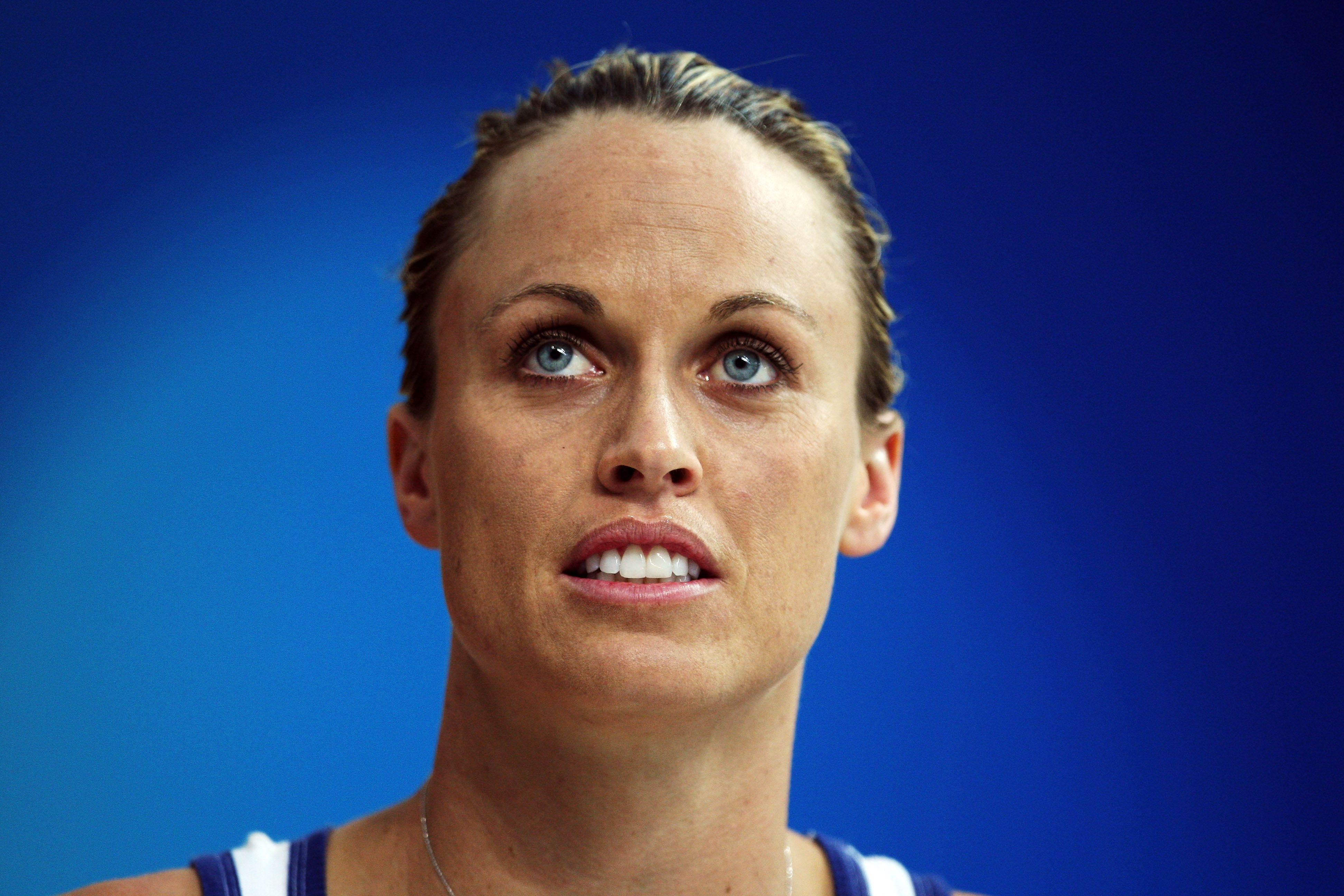
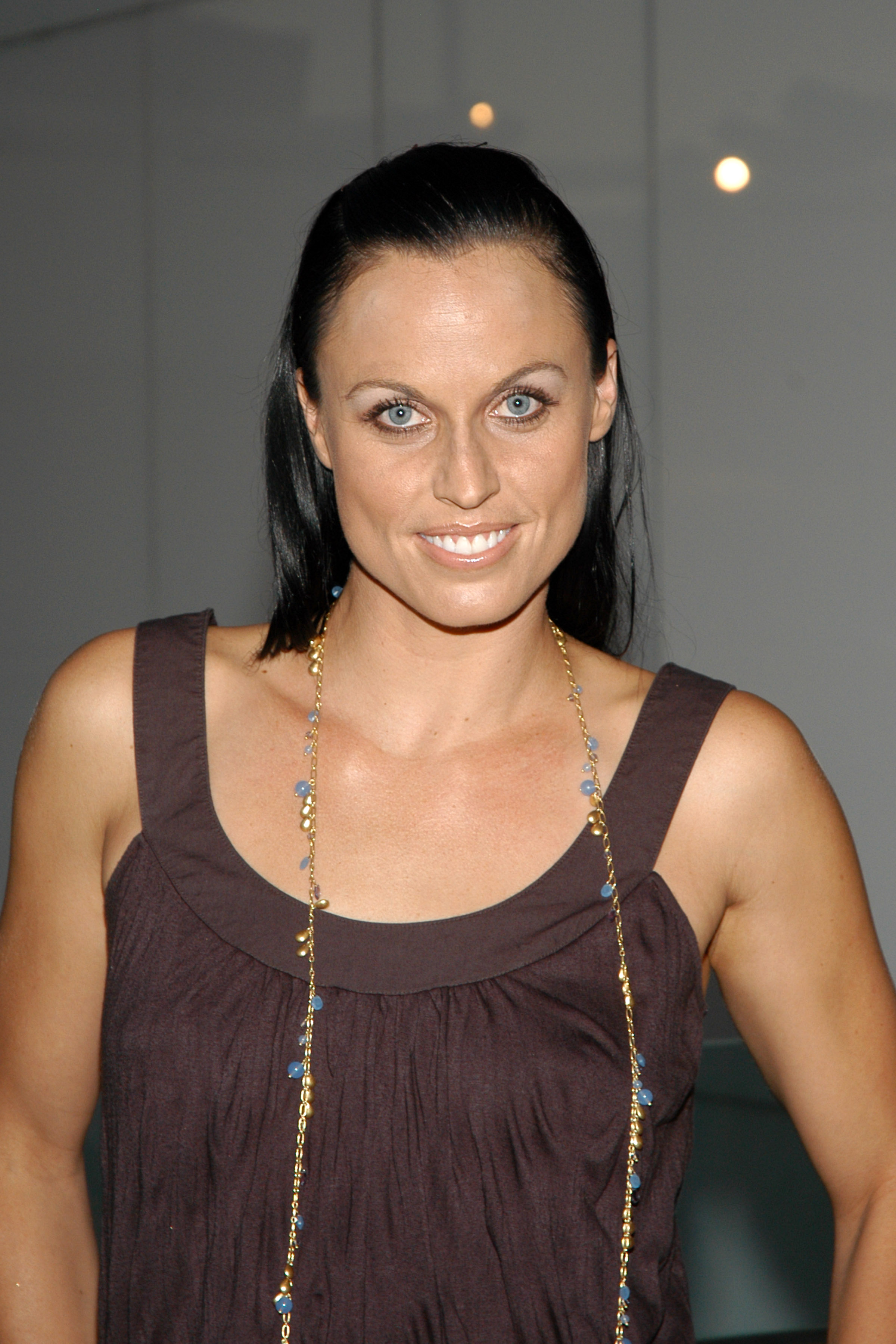
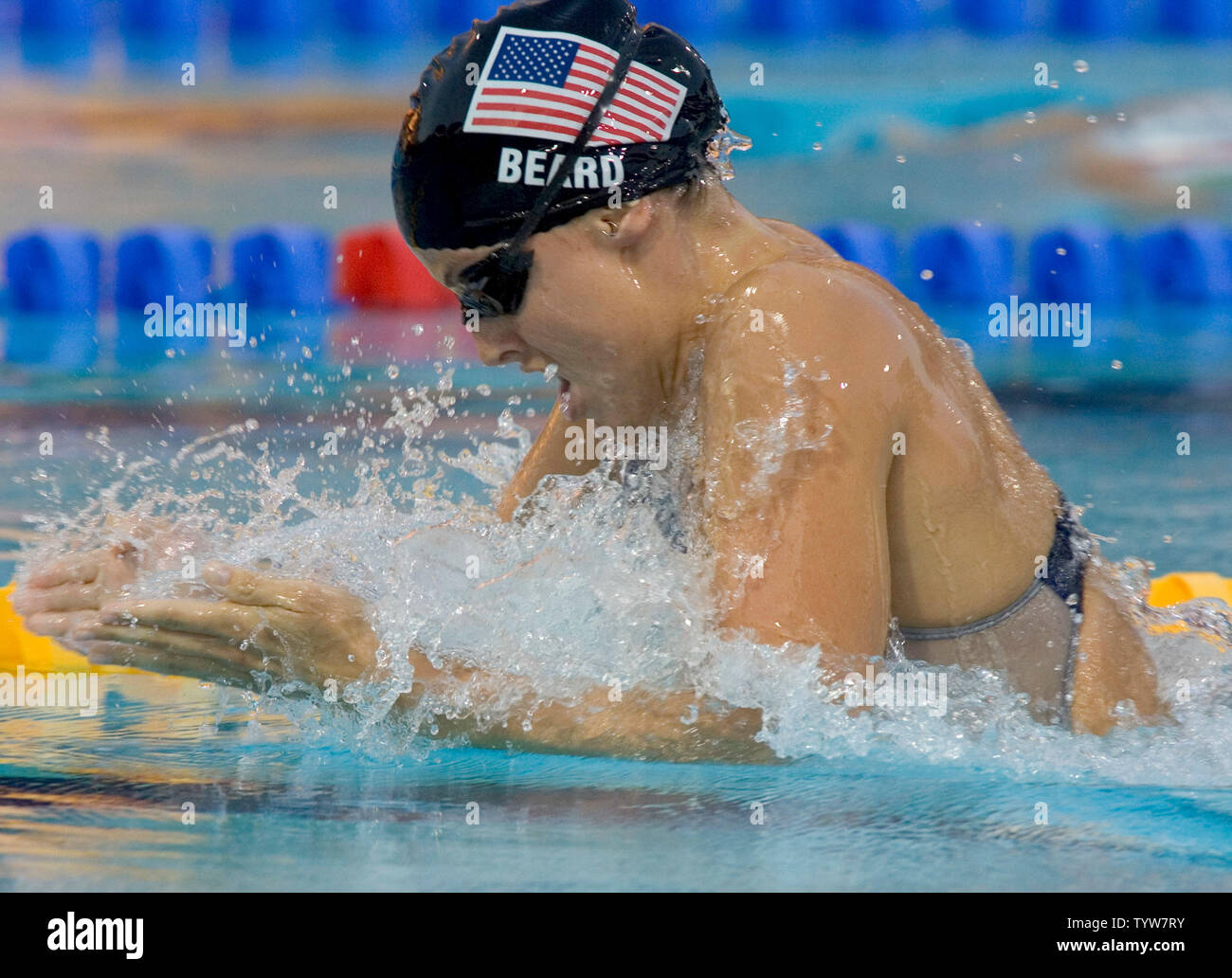
Amanda Beard is a retired American competitive swimmer and seven-time Olympic medalist who redefined the breaststroke during a career spanning four Olympic Games. Beyond her athletic achievements, she is a celebrated author, businesswoman, and advocate for mental health and body positivity, having founded the Beard Swim School to inspire future generations.
Few athletes in the history of American swimming have experienced a career as enduring, public, and transformative as Amanda Beard. Emerging as a fourteen-year-old phenom at the 1996 Atlanta Olympics, Beard captured the heart of the nation not just with her speed, but with her poise and the ubiquitous presence of her lucky teddy bear. However, the narrative of "Amanda Beard, the swimmer" is far more complex than a collection of gold medals. Her journey represents a twenty-year evolution from a child prodigy to a world-record holder, a fashion icon, and eventually, a powerful voice for athletes struggling with the invisible pressures of elite competition.
As we look at her legacy in 2026, Beard remains a foundational figure in the sport. Her transition from the podium to the boardroom and her raw honesty regarding the psychological toll of fame have made her a permanent fixture in the annals of Olympic history. This article explores her competitive milestones, the technical mastery of her breaststroke, and the vital advocacy work that defines her post-retirement life.
The Early Ascent: 1996 Atlanta Olympics
The story of Amanda Beard began in earnest in 1996. At the age of 14, she was the second-youngest medalist in American swimming history. Competing in her home country, the pressure was immense, yet Beard displayed a preternatural calm in the water.
In Atlanta, Beard secured three medals: a gold in the 4x100-meter medley relay and two individual silvers in the 100-meter and 200-meter breaststroke. Her performances were characterized by a powerful, rhythmic stroke that seemed to defy her age. While the media focused on her youth and her stuffed animal, Harold, technical analysts focused on her "catch"—the initial phase of the breaststroke pull where she generated immense propulsion compared to her older, more muscular competitors.
The 1996 Games established Beard as the future of American breaststroke. However, the sudden influx of fame also planted the seeds of the personal struggles she would later detail in her autobiography. The transition from a normal teenager to a global celebrity occurred literally overnight, creating a dichotomy between her public success and her private development.
Collegiate Excellence and the Sydney Games
Following her success in Atlanta, Beard continued her development at the University of Arizona. Swimming for the Wildcats, she became an integral part of one of the most successful collegiate programs in the United States. Her time at Arizona was critical; it allowed her to refine her technique under elite coaching while balancing the demands of a student-athlete.
By the time the 2000 Sydney Olympics arrived, Beard was no longer the "little girl with the teddy bear." She was a veteran at 18, facing a new generation of swimmers. While she did not match her three-medal haul from Atlanta, she earned a bronze medal in the 200-meter breaststroke. This period was a test of her resilience. In the world of swimming, many "age-group wonders" burn out before reaching their second Olympics. Beard’s ability to remain on the podium in Sydney proved that her longevity was a result of sustained discipline rather than just a youthful growth spurt.
The Pinnacle: 2004 Athens Olympics and World Records
The 2004 Olympic Games in Athens represented the zenith of Amanda Beard’s competitive career. During the lead-up to the Games, she solidified her status as the best 200-meter breaststroker in the world. In 2003, at the World Aquatics Championships in Barcelona, she won the gold medal and tied the world record in the 200-meter breaststroke with a time of 2:22.99.
In Athens, Beard reached the height of her powers. She captured her first individual Olympic gold medal in the 200-meter breaststroke, setting a new Olympic record in the process. She also earned silver medals in the 200-meter individual medley and the 4x100-meter medley relay. Her performance in the individual medley (IM) was particularly noteworthy, as it showcased her versatility beyond her signature stroke.
Technical Mastery of the Breaststroke
To understand Beard's dominance in 2004, one must look at the mechanics of her stroke. Breaststroke is widely considered the most technical of the four competitive swimming strokes because it relies heavily on timing and the reduction of drag.
- The Kick-to-Pull Ratio: Beard mastered the timing of the "glide." Unlike some swimmers who rushed their stroke, Beard allowed herself a split second of streamlining after each kick, maximizing the distance covered per stroke.
- The "Whip" Kick: Her kick was compact and efficient. By keeping her knees relatively close together, she minimized the frontal resistance that often slows breaststrokers down.
- Core Stability: Beard used her core to drive her hips upward, keeping her body high in the water. This "flat" body position is essential for maintaining speed throughout the 200-meter distance.
The 2008 Beijing Olympics and Retirement
Beard’s fourth and final Olympic appearance came in 2008 in Beijing. By this time, she was a co-captain of the U.S. Olympic women’s swimming team, serving as a mentor to younger stars like Rebecca Soni and Jessica Hardy. While she did not medal in Beijing, her presence was vital for team morale and leadership.
Her qualification for a fourth Olympic Games was a feat in itself. In a sport where careers often end in the early 20s, Beard competed at the highest level until she was 26. Shortly after the Beijing Games, she transitioned away from full-time competitive swimming, though she remained active in the swimming community through clinics and sponsorships.
Summary of Olympic Medal Achievements
The following table outlines Amanda Beard's Olympic medal count, illustrating her consistency across three different Games.
| Year | Location | Event | Medal |
|---|---|---|---|
| 1996 | Atlanta | 4x100m Medley Relay | Gold |
| 1996 | Atlanta | 100m Breaststroke | Silver |
| 1996 | Atlanta | 200m Breaststroke | Silver |
| 2000 | Sydney | 200m Breaststroke | Bronze |
| 2004 | Athens | 200m Breaststroke | Gold |
| 2004 | Athens | 200m Individual Medley | Silver |
| 2004 | Athens | 4x100m Medley Relay | Silver |
Breaking the Silence: "In the Water They Can't See You Cry"
In 2012, Beard published her memoir, In the Water They Can't See You Cry. The book was a watershed moment for the sport, as it dismantled the "perfect athlete" persona that had been crafted around her since 1996. In the memoir, Beard detailed her long-term struggles with:
- Bulimia and Eating Disorders: She revealed how the pressure to maintain a certain physique for both swimming and modeling led to a destructive relationship with food.
- Depression: Beard spoke candidly about the "post-Olympic blues" and the chronic depression that followed her throughout her career.
- Self-Harm: She disclosed that she had practiced self-harm as a way to cope with the overwhelming emotional pain of her public life.
By sharing these vulnerabilities, Beard became a pioneer in the athlete mental health movement. Long before modern athletes like Michael Phelps or Simone Biles spoke openly about their psychological struggles, Beard was laying the groundwork for a more empathetic and holistic approach to athlete development. Her advocacy has focused on the idea that an athlete’s worth is not defined by their medal count, but by their overall well-being.
The Beard Swim School and Entrepreneurship
Post-retirement, Amanda Beard has channeled her passion for the water into her business ventures. The Beard Swim School, based in Gig Harbor, Washington, is the cornerstone of her professional life in 2026. The school emphasizes water safety, technique, and, most importantly, the joy of swimming.
Unlike many elite-run schools that focus solely on high-performance racing, Beard’s philosophy is rooted in "drown-proofing" and building confidence. Her curriculum integrates her years of Olympic-level knowledge with a gentle, child-centric approach. This transition from "competitor" to "educator" highlights her desire to give back to the sport that gave her so much, while correcting the hyper-competitive mistakes she observed during her own upbringing in the sport.
Life in 2026: Advocacy and Family
In 2026, Amanda Beard continues to balance her roles as a business owner, motivational speaker, and mother. She has been a vocal proponent of safe sport initiatives, working with organizations to ensure that young athletes are protected from the types of emotional and physical pressures she faced.
She is also an advocate for environmental causes, particularly those related to water conservation and ocean health. Her public appearances often focus on the intersection of physical health, mental clarity, and environmental stewardship. Through her social media platforms and speaking engagements, she remains a trusted advisor for parents navigating the world of competitive youth sports.
Frequently Asked Questions
How many Olympics did Amanda Beard compete in?
Amanda Beard competed in four consecutive Olympic Games: 1996 (Atlanta), 2000 (Sydney), 2004 (Athens), and 2008 (Beijing). This longevity is rare in competitive swimming, particularly for breaststrokers, who often face significant physical strain on their joints.
What is Amanda Beard's most famous swimming record?
Her most significant record was the 200-meter breaststroke world record. In 2003, she swam a 2:22.99, which established her as the dominant force in that event leading into her gold-medal performance at the 2004 Athens Olympics.
What is the title of Amanda Beard's book?
Her memoir is titled In the Water They Can't See You Cry: A Memoir. Published in 2012, it provides an honest look at her struggles with mental health, body image, and the pressures of being a child star in the Olympic spotlight.
Does Amanda Beard still coach swimming?
Yes, through the Beard Swim School, she remains actively involved in the instructional side of the sport. While she focuses on the administrative and philosophical direction of the school, she frequently engages in clinics and community events to promote water safety.
What strokes did Amanda Beard specialize in?
Beard was primarily a breaststroke specialist, competing in both the 100-meter and 200-meter distances. However, she was also an elite-level individual medley (IM) swimmer, as evidenced by her silver medal in the 200m IM at the 2004 Olympics.
Practical Recommendations for Aspiring Swimmers
For those looking to follow in the footsteps of Amanda Beard, the following actions are recommended:
- Prioritize Technique Over Yardage: Especially in breaststroke, more swimming is not always better. Focus on the "glide" and the efficiency of the kick, as Beard did throughout her career.
- Seek Mental Health Support Early: The pressures of competitive sports can be heavy. Use resources like USA Swimming’s Safe Sport programs to find support networks and ensure a healthy balance between athletics and life.
- Study Video of Elite Breaststrokers: Analyze the body position of swimmers like Beard. Notice how high her hips remain in the water and how her head remains neutral during the recovery phase of the stroke.
- Embrace Versatility: While Beard was a specialist, her ability to swim the IM helped her breaststroke by improving her overall aerobic capacity and feel for the water in other strokes.