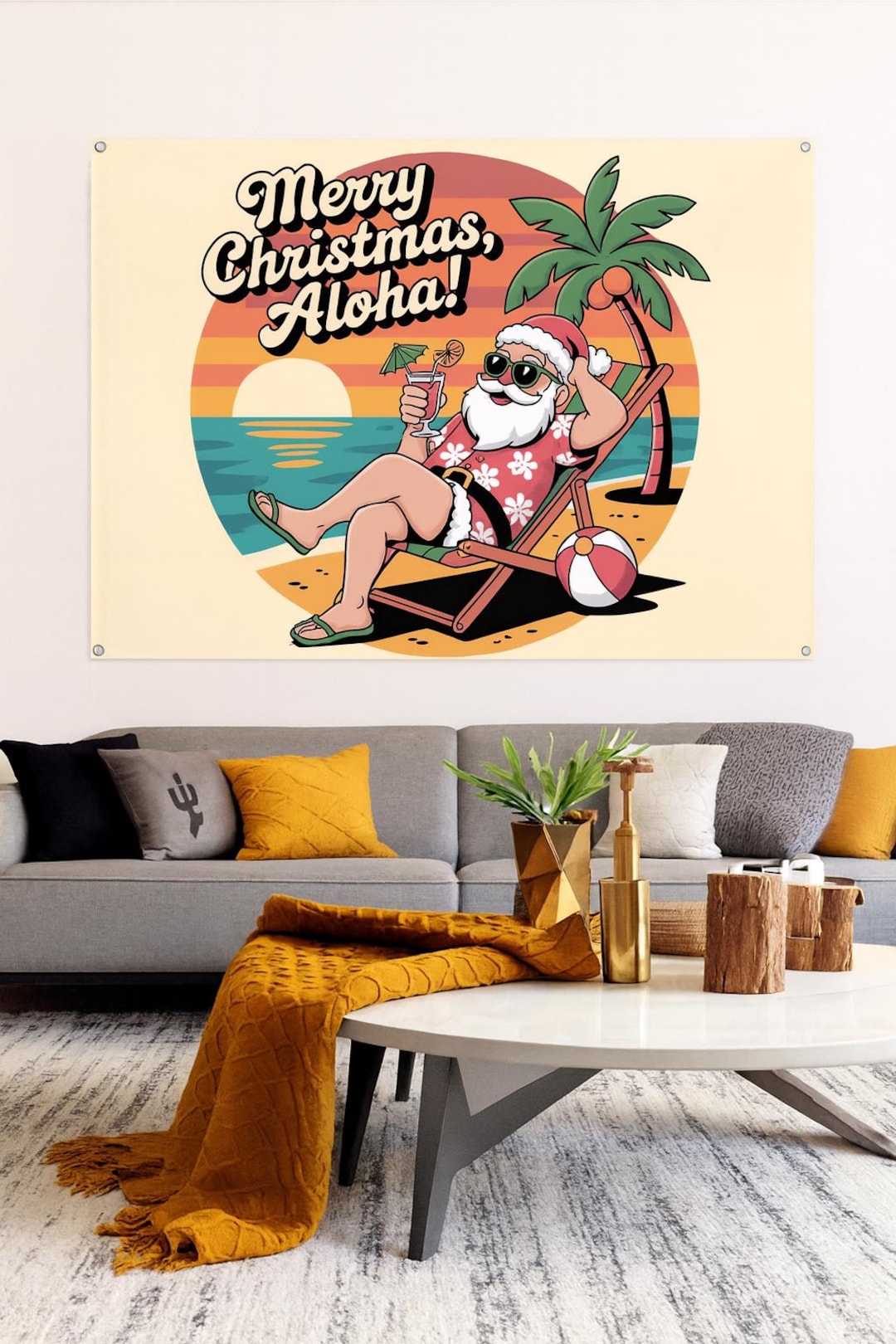
The Aloha Christmas and the holiday debate centers on the tension between traditional "winter wonderland" imagery and the authentic cultural identity of Hawaii. While some view the tropicalization of Christmas as a commercial gimmick, others see it as a necessary evolution of the "Mele Kalikimaka" spirit that blends indigenous Hawaiian values with imported colonial traditions.
The Origins of Christmas in Hawaii: From Kapu to Kalikimaka
To understand the modern Aloha Christmas and the holiday debate, one must look back to the late 18th century. The first recorded Christmas celebration in the Hawaiian Islands occurred in 1786 aboard the Queen Charlotte, a British exploring vessel anchored in Waimea Bay. However, the holiday did not take root among the Native Hawaiian population until the arrival of Protestant missionaries in 1820.
Initially, the missionaries discouraged lavish celebrations, viewing them as pagan or frivolous. It wasn't until the reign of King Kamehameha IV and Queen Emma in the mid-19th century that Christmas became a formalized, public affair. In 1862, the King officially declared Christmas a national holiday of the Kingdom of Hawaii. This period marked the beginning of the "holiday debate," as the Hawaiian monarchy sought to integrate Anglican traditions with local customs, creating a unique hybrid identity that persists today.
The term Mele Kalikimaka is itself a linguistic artifact of this era. Because the Hawaiian alphabet does not contain the sounds for "r" or "s," the English phrase "Merry Christmas" was transliterated into the phonemes available. This transition represents more than just a translation; it signifies the localized adoption of a global holiday, setting the stage for the complex cultural discussions of 2026.
The Makahiki Season: The Indigenous Precursor
A central point in the Aloha Christmas and the holiday debate is the historical intersection of Christmas and the Makahiki season. Long before European contact, Native Hawaiians observed Makahiki, a four-month period dedicated to Lono, the god of rain, agriculture, and peace.
During Makahiki, which roughly spans from October/November to February/March, war was kapu (forbidden), and the focus shifted to harvest festivals, sports, and religious ceremonies. When Christmas was introduced, it fell directly within the Makahiki window. This overlap led to a natural syncretism, where the themes of "peace on earth" mirrored the traditional cessation of conflict during the Hawaiian harvest.
Critics of modern Aloha Christmas often argue that the commercial focus on Santa Claus obscures this deep-rooted indigenous history. They suggest that the "holiday debate" should focus less on whether to wear a Santa hat and more on how to honor the values of Makahiki—sustainability, community rest, and respect for the land—during the festive season.
Mele Kalikimaka: The Song That Defined a Sub-Genre
No discussion of Aloha Christmas is complete without mentioning the 1949 classic "Mele Kalikimaka," written by R. Alex Anderson. While popularized by Bing Crosby and the Andrews Sisters, the song became a flashpoint for the holiday debate regarding the "tourist-facing" version of Hawaii.
The song’s lyrics—describing a "green bright sunlit day"—deliberately contrast the standard snowy Christmas tropes. In 2026, musicologists and cultural historians often debate whether this song represents a genuine celebration of Hawaiian life or a "Hapa Haole" (half-foreign) creation designed to sell a sanitized version of the islands to the mainland.
For residents of Hawaii, the song is a source of pride and a staple of local parades. For those engaged in the deeper holiday debate, it serves as a reminder of how the "Aloha" brand was packaged for global consumption in the mid-20th century, often at the expense of more nuanced, local traditions.
The Holiday Debate: Cultural Appreciation vs. Appropriation
As we navigate the holiday landscape in 2026, the debate over cultural appropriation has become more sophisticated. The "Aloha Christmas" aesthetic often involves iconography such as hula dancers in Santa outfits, surfboards decorated with tinsel, and tiki-themed ornaments.
The Argument for Appreciation
Proponents argue that these symbols represent a "melting pot" culture. They view the inclusion of Hawaiian elements as a way to make the holiday relevant to those living in a climate where pine trees and snow are alien concepts. In this view, "Aloha" is a spirit of inclusivity that welcomes the Christmas message into the local context.
The Argument for Appropriation
Critics point out that "Aloha" and "Hula" are sacred concepts. When they are used as mere accessories for a Western holiday, it can trivialize Native Hawaiian culture. The "holiday debate" here focuses on the commercialization of the sacred. For example, using a traditional lei as a Christmas garland or depicting Santa Claus as a "Tiki" figure is seen by many as a form of cultural erasure that ignores the religious and social significance of the original items.
The Commercialization of the Tropical Aesthetic
The Aloha Christmas and the holiday debate also extends to the economic realm. Hawaii’s economy is heavily dependent on tourism, and the "tropical Christmas" is a major draw for visitors escaping the winter cold. This has led to the creation of a "Christmas Industry" in the islands that some locals find performative.
Retailers often stock "island-style" Christmas decor that is manufactured elsewhere and sold back to locals and tourists. This has sparked a counter-movement in 2026 toward localism. Consumers are increasingly choosing to support indigenous artisans who create holiday goods that reflect genuine Hawaiian craft, such as hand-woven lauhala ornaments or locally sourced floral arrangements, rather than plastic pineapples made in overseas factories.
| Aspect | Traditional Western Christmas | Aloha Christmas (Hawaii) |
|---|---|---|
| Primary Theme | Winter Wonderland / Snow | Tropical / Oceanic / Aloha Spirit |
| Flora | Pine, Fir, Poinsettia | Hibiscus, Plumeria, Palm Trees |
| Main Protein | Roast Turkey or Ham | Kalua Pig (from an Imu) |
| Traditional Music | Silent Night / Jingle Bells | Mele Kalikimaka / Slack Key Guitar |
| Historical Root | European Christian Traditions | Syncretism of Missionary & Makahiki |
| Climate Focus | Staying Warm / Indoors | Outdoor Gatherings / Beach Days |
Environmental Considerations and the Holiday Debate
In 2026, the "holiday debate" has expanded to include environmental sustainability. Every year, thousands of Douglas Firs are shipped from the Pacific Northwest to the Hawaiian Islands in refrigerated containers.
This practice faces scrutiny for several reasons:
- Carbon Footprint: The logistics of transporting live trees across 2,400 miles of ocean is significant.
- Invasive Species: There is a perennial risk of hitchhiking pests (like yellowjackets or slugs) entering Hawaii’s delicate ecosystem through imported greenery.
- Waste Management: Disposing of thousands of pine trees in a land-limited environment poses a challenge for local municipalities.
The debate now centers on whether Hawaii should move toward "Native Christmas Trees." Organizations like the Department of Land and Natural Resources (DLNR) have encouraged the use of potted native plants, such as the ʻAʻaliʻi, which can be decorated and then planted in the garden after the holidays. This shift represents a modern attempt to resolve the Aloha Christmas conflict by aligning holiday traditions with environmental stewardship.
Celebrating an Authentic Aloha Christmas in 2026
For those looking to move past the superficial elements of the holiday debate, celebrating an "authentic" Aloha Christmas involves a focus on community and ʻohana (family). Unlike the mainland focus on indoor gift-opening, a Hawaii Christmas often revolves around the beach or the backyard.
Community Potlucks
The food is a centerpiece of the debate. While some insist on a traditional turkey dinner, most local celebrations feature a potluck that reflects the state's diverse ethnic makeup. Expect to find sashimi, poke, chicken long rice, and haupia alongside more traditional holiday fare. This "mixed plate" approach is perhaps the most genuine expression of Aloha during the holidays.
The Giving Spirit
The holiday debate often overlooks the charitable aspect of Aloha. In Hawaii, "giving" is often tied to the concept of kōkua (help/support). Many residents use the Christmas season to participate in beach cleanups or food drives for local families, viewing these acts as a modern continuation of the Makahiki tradition of sharing the harvest.
Common Misconceptions in the Holiday Debate
A significant part of the Aloha Christmas and the holiday debate involves correcting misconceptions held by those outside the islands.
- Misconception 1: It’s "just" Christmas on a beach.
- In reality, Hawaii’s Christmas is a deeply layered cultural event with roots in 19th-century history and 20th-century pop culture.
- Misconception 2: "Mele Kalikimaka" is the only way to say Merry Christmas.
- While it is the most famous phrase, many locals prefer "Hauʻoli Noʻel," which uses the Hawaiian word for "happy" and the French-derived "Noel," reflecting a different branch of linguistic history.
- Misconception 3: Native Hawaiians don't celebrate Christmas.
- A large majority of the Native Hawaiian population identifies as Christian, and Christmas is a significant religious event, not just a cultural or commercial one. The debate is often about how to celebrate, not whether to celebrate.
FAQ
What does "Aloha Christmas" actually mean?
Aloha Christmas refers to the celebration of the Christmas holiday in Hawaii or through the lens of Hawaiian culture. It emphasizes the "Aloha Spirit"—a legal and cultural mandate in Hawaii to treat others with care and respect—and replaces traditional cold-weather symbols with tropical ones, such as Santa arriving by outrigger canoe instead of a sleigh.
Is the "Holiday Debate" about the "War on Christmas"?
In the context of Hawaii, the "holiday debate" is rarely about the secular versus religious nature of the holiday. Instead, it focuses on the tension between Western colonial traditions and indigenous Hawaiian culture, as well as the environmental impact of mainland holiday practices on the islands.
Why is "Mele Kalikimaka" used if it's not "traditional"?
It is traditional in the sense that it has been used for over 150 years. It was born out of the necessity to adapt English sounds to the Hawaiian language. While it was popularized globally by a 1949 song, the phrase itself predates the song and is a legitimate part of the Hawaiian linguistic landscape.
How can I celebrate a culturally respectful Aloha Christmas?
To be respectful, focus on "appreciation over appropriation." Support local Hawaiian businesses, learn about the history of the Makahiki season, and avoid using sacred symbols like hula or specific indigenous patterns as mere "festive decor." Opt for locally grown flora rather than imported trees to protect the local environment.
Does it snow in Hawaii for Christmas?
While most of the islands enjoy temperatures in the 70s and 80s (Fahrenheit), it does occasionally snow on the peaks of Mauna Kea and Mauna Loa on the Big Island. This allows for the rare phenomenon of seeing snow-capped mountains while sitting on a tropical beach, a visual that frequently appears in the Aloha Christmas and the holiday debate as a symbol of the islands' unique duality.
Summary of Actionable Next Steps
The Aloha Christmas and the holiday debate reminds us that traditions are not static; they are living expressions of culture that must be nurtured and, at times, questioned. To participate in this holiday season meaningfully:
- Educate Yourself: Research the history of the Makahiki season to understand the indigenous roots of winter celebrations in Hawaii.
- Support Local: If purchasing gifts or decor, prioritize Native Hawaiian artists and makers to ensure your economic impact stays within the community.
- Sustainable Choices: Consider a potted native plant instead of an imported tree to reduce your carbon footprint and protect the islands from invasive species.
- Embrace the Hybridity: Understand that "Mele Kalikimaka" is a bridge between cultures. Celebrate the diversity of the "mixed plate" lifestyle that makes Hawaii’s holiday season unique.
By focusing on the values of Aloha—patience, unity, and kindness—rather than just the aesthetic, you can navigate the holiday debate and find a way to celebrate that is both festive and culturally grounded.