When you finance a vehicle through Ally Financial, maintaining comprehensive and collision insurance is a mandatory condition of your retail installment contract. Providing proof of this insurance is essential to ensure your account remains in good standing, avoid the unnecessary expense of lender-placed insurance, and protect your vehicle throughout the term of your financing agreement.
The Role of Insurance in Auto Financing
When you enter into an auto loan agreement, the vehicle serves as collateral for the debt. Because the lender holds a financial interest in the car, they require that the vehicle be protected against physical damage, total loss, or theft. This is why standard liability coverage—which only covers damage you cause to others—is insufficient for financed vehicles.
Ally Financial, like most major auto lenders, requires that borrowers maintain two specific types of coverage:
- Comprehensive Coverage: Protects the vehicle against non-collision events such as theft, vandalism, fire, natural disasters, and falling objects.
- Collision Coverage: Covers the cost of repairing or replacing your vehicle if it is involved in a crash, regardless of fault.
These requirements exist to mitigate risk. If the vehicle is totaled or stolen and you lack full coverage, you would still owe the remaining balance of the loan, creating a significant financial burden. By mandating these coverages, Ally ensures that funds are available through insurance payouts to satisfy the loan balance should a major loss occur.
Why You Must Provide Proof
Lenders do not automatically receive real-time updates from your insurance carrier when you change policies, renew, or update your coverage. It is the borrower's responsibility to ensure that Ally Financial has the most current information on file.
If your policy expires, is canceled, or if the insurer fails to notify Ally that the policy was renewed, Ally’s system may flag your account as "uninsured." When this happens, the following process typically occurs:
- Notification: You will receive a letter or electronic notice requesting evidence of insurance.
- Grace Period: You are given a specific window to provide the requested documentation.
- Lender-Placed Insurance: If proof is not provided by the deadline, Ally may purchase "force-placed" or "collateral protection" insurance on your behalf.
It is critical to understand that lender-placed insurance is significantly more expensive than a standard policy you would purchase on your own. Furthermore, this type of insurance typically only protects the lender's interest in the vehicle, providing little to no protection for the borrower.
How to Submit Your Proof of Insurance
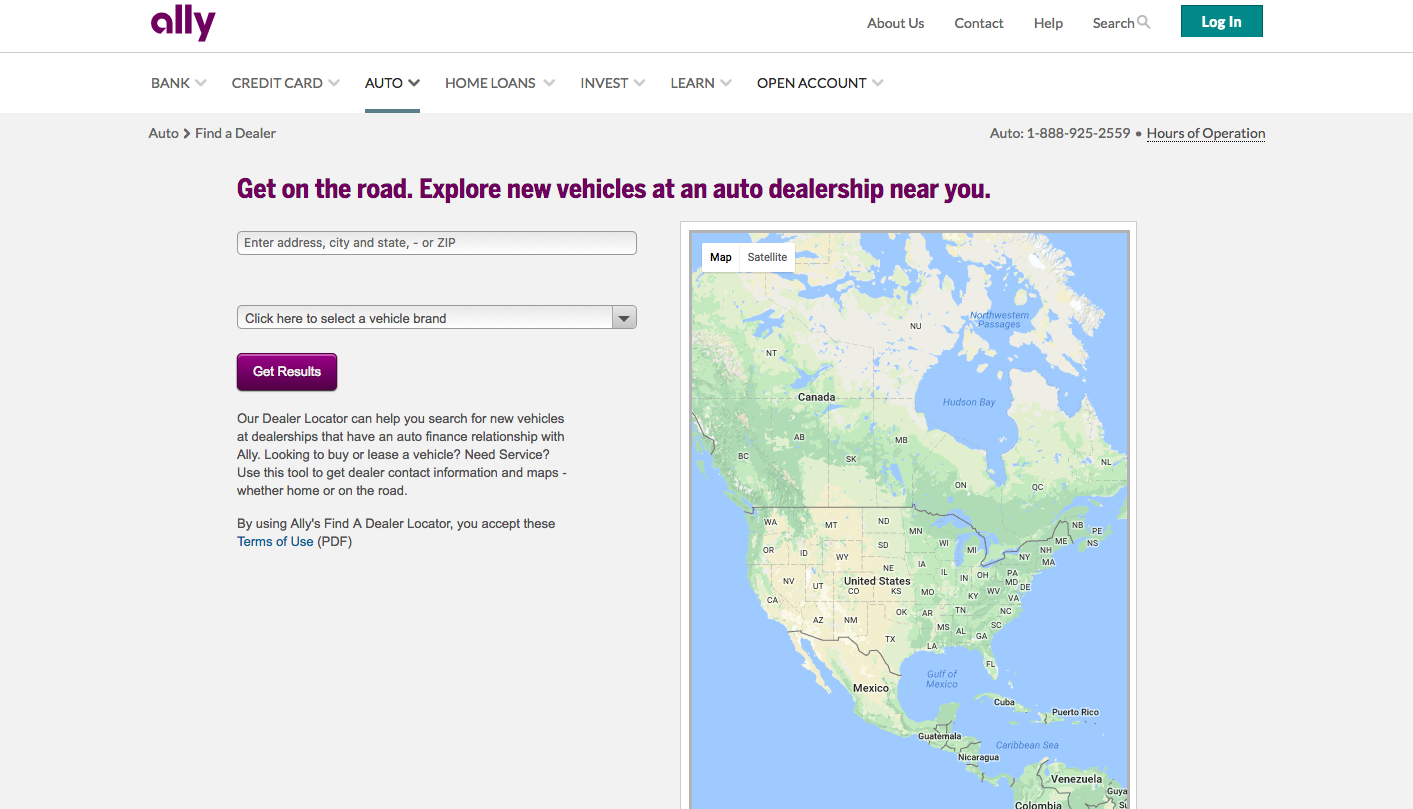
The most efficient way to submit proof of insurance to Ally Financial is through their official digital channels. Utilizing these methods ensures that the documentation is attached directly to your account record, reducing the risk of manual processing errors.
Digital Submission via the Ally Portal
- Log in to your account at the official Ally Financial website or via the mobile application.
- Navigate to the "Auto" section of your dashboard.
- Look for "Manage Insurance" or "Upload Insurance Documents."
- Upload a clear image or PDF of your current insurance declaration page (not just your insurance ID card).
- Verify that the document includes the policy number, effective dates, vehicle identification number (VIN), and the loss payee information.
Providing Information to Your Insurance Agent
You do not always have to manually upload these documents if your insurance agent is proactive. You can contact your insurance provider and instruct them to update the "Loss Payee" or "Lienholder" information on your policy to Ally Financial.
When providing this information to your agent, ensure they use the specific mailing address or digital submission portal designated by Ally for lienholder notifications. This ensures that any future renewals or cancellations are automatically reported to the lender, potentially preventing future "uninsured" flags on your account.
Necessary Documentation Details
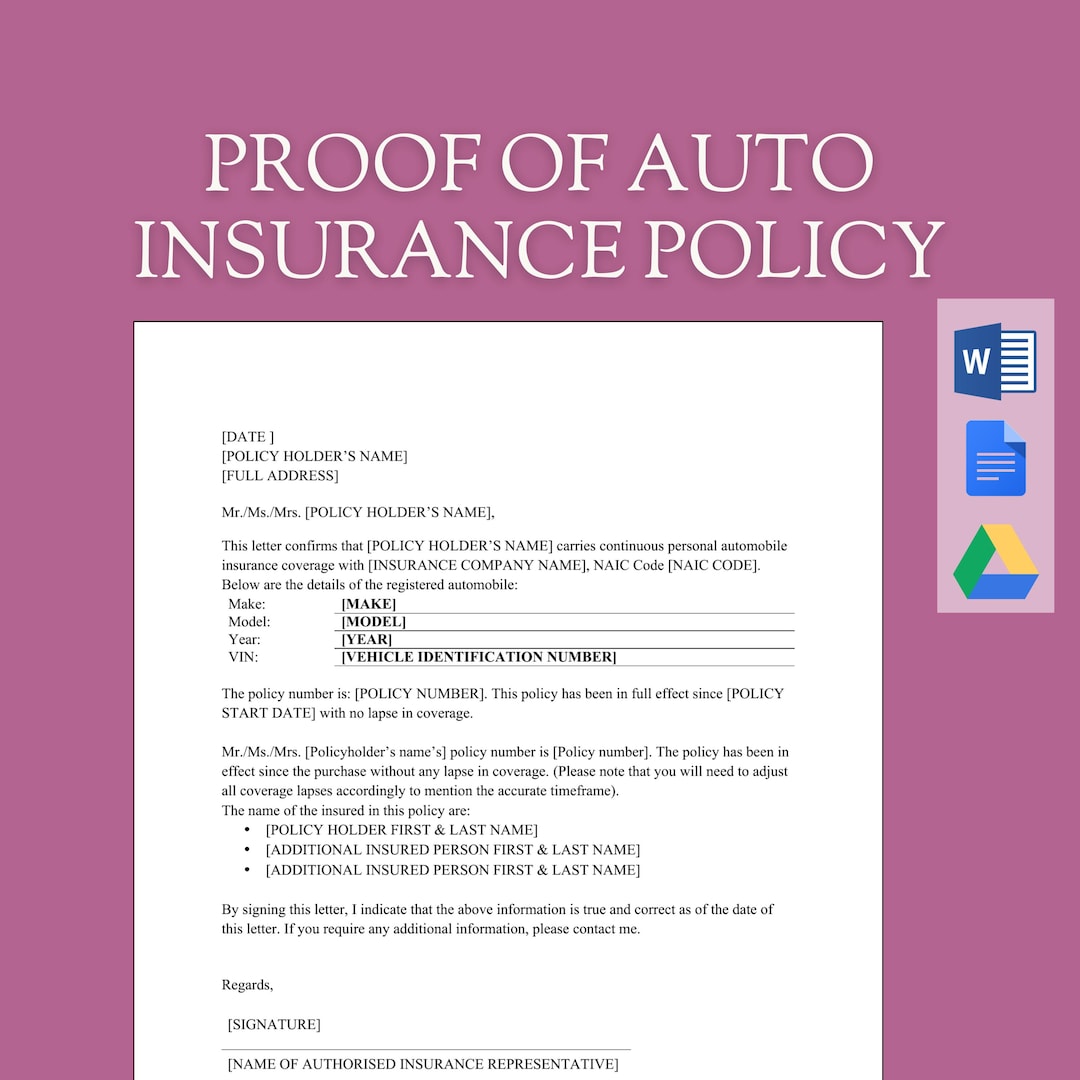
Not all insurance documents are equal. Simply sending a picture of your proof-of-insurance card often results in a rejection because these cards frequently lack the granular detail required by lenders.
To satisfy the requirement, provide a Declaration Page (also known as a "Dec Page"). This document is a comprehensive summary of your policy and must contain:
- Insured Information: Your name as it appears on the loan agreement.
- Vehicle Identification Number (VIN): This must match the VIN of the vehicle financed through Ally exactly.
- Effective Dates: The policy must clearly show the start and end dates of the coverage period.
- Coverage Limits: The document must explicitly list comprehensive and collision coverage, including the applicable deductibles.
- Lienholder Clause: Ally Financial must be listed as the "Loss Payee" or "Lienholder" to ensure they are compensated in the event of a total loss.
Comparison of Coverage Scenarios
| Coverage Type | Purpose | Requirement for Financed Vehicles |
|---|---|---|
| Liability Only | Covers damage to other people/property | Generally insufficient |
| Comprehensive | Covers theft, fire, acts of nature | Mandatory |
| Collision | Covers physical damage to your car | Mandatory |
| Gap Insurance | Covers the difference between loan balance and ACV | Optional but recommended |
Troubleshooting Common Issues
If you have received a notice from Ally Financial despite having active insurance, do not ignore it. Address it immediately to avoid the application of additional costs.
Issue 1: The "Uninsured" Notice Despite Having Coverage This often occurs if there is a discrepancy between the name on the insurance policy and the name on the loan, or if the VIN listed on the insurance policy contains a typo. Check your declaration page against your loan documents. If a mistake exists, contact your insurance agent to correct the information and have them re-submit the verification to Ally.
Issue 2: Switching Insurance Carriers If you have recently switched insurance companies, there is a risk of a "coverage gap" in the eyes of the lender if the previous policy is canceled before the new one is fully processed or reported. Always verify that your new carrier has added Ally Financial as a lienholder immediately upon binding the new policy.
Issue 3: High Deductibles Some lenders place caps on how high your comprehensive and collision deductibles can be. While Ally’s specific requirements can change, maintaining a deductible of $1,000 or lower is standard practice to ensure your coverage is considered acceptable for the security of the asset.
Frequently Asked Questions
1. Does Ally Financial accept insurance ID cards as proof? Generally, no. Insurance ID cards rarely contain all the required information, such as the full VIN, the lienholder details, or the specific coverage limits. Always submit the declarations page.
2. What should I do if I receive a bill for "Lender-Placed Insurance"? Contact Ally Financial immediately. If you have active insurance that was in effect during the period you were charged, provide that documentation. Once Ally verifies your coverage was active during the period in question, they can usually waive or refund the charge for the lender-placed insurance.
3. Is gap insurance required by Ally Financial? Gap insurance is not a legal requirement for your loan, but it is highly recommended. Because vehicles often depreciate faster than the loan balance declines, gap insurance covers the "gap" between what you owe and what the insurance company pays out if the car is totaled.
4. Can I provide insurance proof over the phone? While you can discuss your insurance status with a customer service representative, most verification processes require the submission of a document. It is safer to use the online portal to ensure a digital record exists.
5. How often do I need to provide proof? You typically only need to provide proof when you open a new policy, renew your policy, or if the lender specifically requests it. If your insurance agent is correctly listed as having a relationship with Ally, most updates happen automatically.
Final Steps to Maintain Compliance
To manage your insurance requirements effectively, keep a digital folder containing your current insurance declarations page. Whenever your policy renews, save the new document. By proactively checking your account via the Ally online portal once every six months, or whenever you renew your policy, you can catch potential discrepancies before they escalate into notices or unauthorized charges.
Always ensure your insurance agent is aware that you have a lienholder. If you move or change your insurance company, make that update a priority on your financial to-do list. Staying ahead of these administrative requirements is the simplest way to avoid the complications of lender-placed insurance and maintain the integrity of your auto loan account.