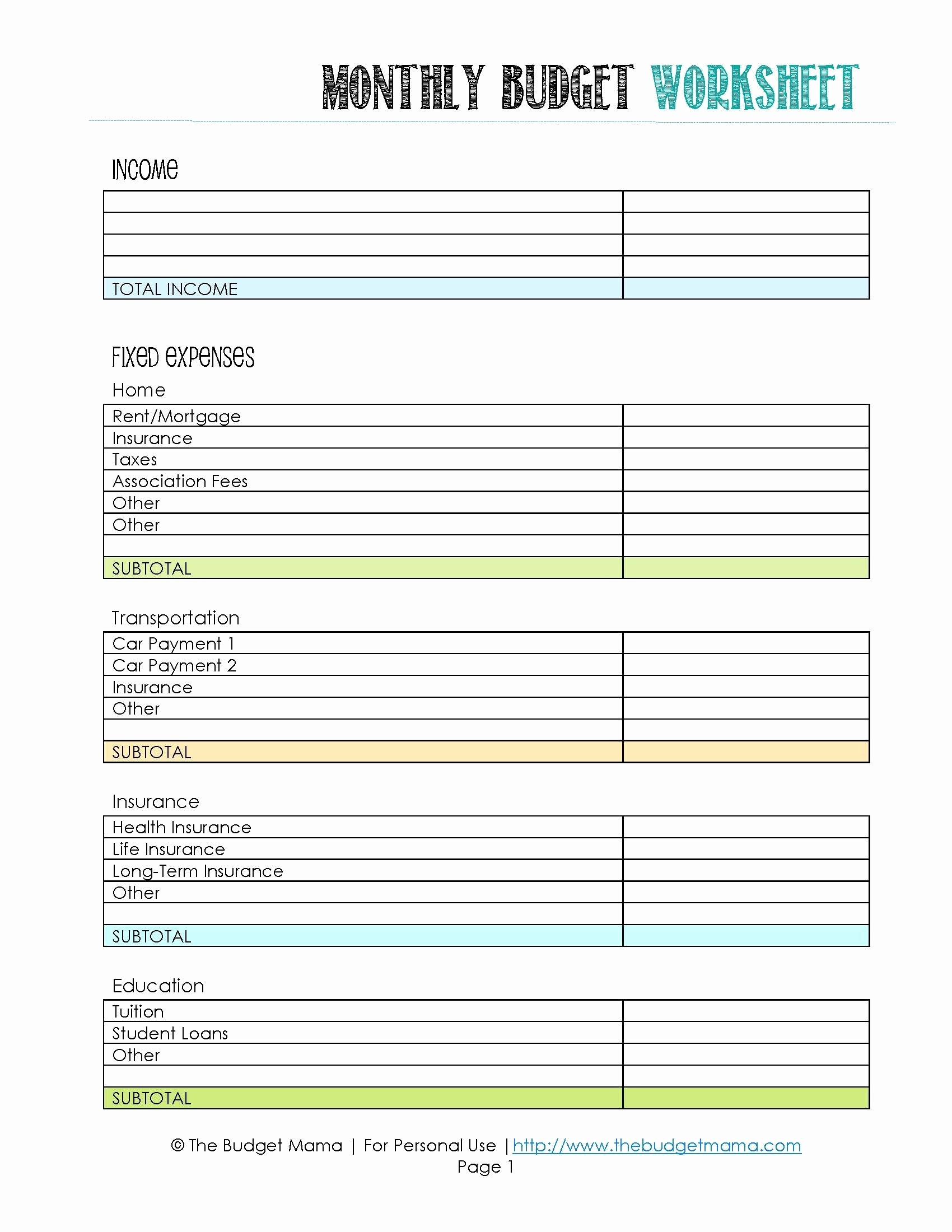
The Allstate life insurance needs worksheet is a specialized financial planning tool designed to help individuals calculate the precise amount of death benefit required to protect their family’s future. By evaluating current debts, mortgage balances, future education costs, and income replacement needs against existing assets, the worksheet provides a data-driven recommendation for policy limits.
Life insurance is not a one-size-fits-all product. A policy that was sufficient five years ago may leave a family vulnerable today due to inflation, lifestyle changes, or new financial obligations. In 2026, as the cost of living and higher education continues to fluctuate, using a structured framework like Allstate’s worksheet is essential for ensuring that your beneficiaries are not left with a financial shortfall. This guide explores the technical components of the worksheet, the methodology for accurate calculation, and how to translate those results into a viable insurance strategy.
The Strategic Purpose of a Needs-Based Worksheet
The primary goal of the Allstate life insurance needs worksheet is to move beyond "rule of thumb" estimates. Many consumers mistakenly believe that a policy worth ten times their annual salary is sufficient. However, this generalized approach fails to account for specific variables like the age of children, the remaining term on a mortgage, or the unique needs of a surviving spouse.
The worksheet operates on the principle of Capital Needs Analysis. This method identifies the total capital required to meet immediate obligations and generate a sustainable income stream for survivors. It differentiates between "cash needs" (one-time payments) and "income needs" (ongoing support). By systematically listing these requirements, the worksheet helps users avoid both under-insurance, which can lead to financial ruin for survivors, and over-insurance, which results in unnecessarily high monthly premiums.
Core Components of the Allstate Needs Calculation
To use the worksheet effectively, you must understand the five primary categories that dictate your coverage requirements. Allstate typically categorizes these using a logic similar to the DIME formula (Debt, Income, Mortgage, Education), though the official worksheet often provides deeper granularity.
1. Immediate Obligations and Final Expenses
This section addresses the costs that arise immediately following a policyholder’s death.
- Funeral and Burial Costs: As of 2026, the average cost of a professional funeral service can range significantly. Planning for $12,000 to $15,000 is a standard baseline in the worksheet.
- Medical Out-of-Pocket Expenses: This includes any remaining deductible or co-insurance payments from a final illness that health insurance might not cover.
- Estate Settlement Costs: Attorney fees, probate costs, and administrative expenses associated with settling an estate.
2. Debt Liquidation (Excluding Mortgage)
This category focuses on high-interest or short-term liabilities that would burden a grieving family.
- Credit Card Balances: Eliminating revolving debt is a priority to free up monthly cash flow for survivors.
- Automobile Loans: Ensuring the family vehicles are paid off reduces fixed monthly expenses.
- Personal Loans and Student Debt: Any co-signed loans or debts that do not offer "discharge upon death" clauses should be included.
3. Mortgage Payoff
For most households, the mortgage is the largest single debt. The worksheet allows you to decide whether you want the policy to pay off the mortgage entirely or simply provide enough to cover monthly payments for a set period. In most comprehensive planning scenarios, including the full principal balance is recommended to provide the family with the security of a debt-free home.
4. Income Replacement
This is often the largest number on the worksheet. It calculates the amount of money needed to replace the policyholder’s salary for a specific number of years.
- Duration: How long will the family need support? This is usually calculated until the youngest child reaches age 18 or 22, or until the surviving spouse reaches retirement age.
- The Multiplier: To account for inflation and the potential for the death benefit to be invested, the worksheet helps users determine a lump sum that, when invested at a conservative rate (e.g., 4-5%), will provide the necessary annual draw.
5. Future Education Funding
Providing for children's education is a core motivation for many life insurance buyers. The worksheet requires an estimate of the total cost of tuition, room, and board for each child. In 2026, planners must account for the historical 3-5% annual increase in education costs when projecting these needs for younger children.
Step-by-Step Guide to Completing the Worksheet
Filling out the Allstate life insurance needs worksheet requires gathering specific financial documents. Before starting, have your most recent bank statements, mortgage statements, investment account balances, and current employer-provided life insurance details ready.
Step 1: Calculate Total Cash Needs
Add up the final expenses, total non-mortgage debt, mortgage balance, and education goals. This represents the total amount of "new" money your family would need to clear all hurdles and fund future milestones.
Step 2: Determine Income Gap
Calculate the annual income your family needs to maintain their current standard of living. Subtract any income the surviving spouse will continue to earn and any Social Security survivor benefits they might receive. The remaining amount is the "income gap." Multiply this gap by the number of years the support is needed, adjusted for a conservative interest rate if the benefit is to be held in a trust or investment account.
Step 3: Assess Current Resources
List all assets that would be available to the family upon your death. This includes:
- Existing Life Insurance: Policies you already own personally or through work.
- Savings and Investments: Liquid assets like savings accounts, stocks, and bonds (excluding retirement accounts like 401(k)s if they are intended for the surviving spouse’s later years).
- Social Security Benefits: Estimated survivor benefits for children and the spouse.
Step 4: The Final Calculation
The formula is: (Total Cash Needs + Total Income Needs) - Current Resources = Your Life Insurance Need.
If the resulting number is positive, that is the additional coverage amount you should seek. If it is negative, your current assets and insurance are likely sufficient for your stated goals.
Comparing Coverage Options Based on Worksheet Results
Once the worksheet reveals your total "need," the next step is determining which type of Allstate policy best fits that financial profile. The choice often depends on whether the needs are temporary or permanent.
| Feature | Term Life Insurance | Whole Life Insurance | Universal Life Insurance |
|---|---|---|---|
| Duration | Fixed period (10, 15, 20, 30 years) | Lifelong coverage | Lifelong coverage (flexible) |
| Cost | Lowest initial premium | Higher, fixed premium | Variable premium options |
| Cash Value | None | Guaranteed growth | Market-linked or fixed interest |
| Best Use Case | Covering a mortgage or education | Final expenses and legacy | Flexible income replacement |
| Flexibility | Limited | Low (fixed) | High (adjustable benefits) |
Disclaimer: This information is for educational purposes only and does not constitute professional financial, legal, or tax advice. Consult with a licensed insurance agent or financial advisor to discuss your specific situation.
Advanced Considerations for 2026
When using the Allstate worksheet in 2026, several modern factors should influence your entries. These are often overlooked in standard calculators but are vital for long-term solvency.
Inflation Indexing
The purchasing power of a $1,000,000 death benefit will naturally decline over a 20-year term. If you are calculating income replacement for two decades, it is wise to add a 3% annual inflation buffer to your total requirement. Many Allstate agents recommend "laddering" policies or purchasing a slightly higher face amount than the worksheet suggests to account for this erosion of value.
The Value of Non-Income Earners
If the worksheet is being used for a stay-at-home parent, do not enter "$0" for income replacement. Instead, calculate the cost of replacing the services they provide, such as childcare, household management, and transportation. In 2026, the market cost of these services is significant and would be a major financial burden for a surviving working parent.
Impact of Taxation
While life insurance death benefits are generally received income-tax-free under Internal Revenue Code Section 101(a), the interest earned on the death benefit if it is left with the insurer is taxable. Furthermore, for very large estates, the death benefit may be included in the taxable estate for federal or state estate tax purposes. If your worksheet total exceeds the current estate tax exemption limits, additional planning with an irrevocable life insurance trust (ILIT) may be necessary.
Common Mistakes to Avoid
- Relying Solely on Employer Policies: Most group life insurance policies offer coverage equal to 1x or 2x your salary. The Allstate worksheet almost always demonstrates that this is insufficient for families with mortgages or children. Furthermore, these policies are usually not portable if you leave your job.
- Underestimating Post-Secondary Costs: With tuition inflation, a child born today may face significantly higher costs by the time they reach college. Ensure your "Education" line item reflects future values, not current ones.
- Ignoring "Hidden" Debts: Many people forget to include home equity lines of credit (HELOCs) or private student loans that may not be forgiven upon death.
- Static Planning: A worksheet completed in 2026 should be revisited by 2029 or whenever a major life event occurs (marriage, birth, new home).
Frequently Asked Questions
Does Allstate offer a digital version of the life insurance needs worksheet?
Yes, Allstate provides an interactive online calculator that functions as a digital worksheet. It allows you to toggle different variables—such as interest rates and years of income replacement—to see how they impact your recommended coverage in real-time. This tool is often the first step before meeting with an agent for a more detailed analysis.
Can I include my retirement savings goals in the worksheet?
Yes. If you intend for your life insurance to not only protect your family today but also ensure your spouse can retire comfortably in the future, you should include "Retirement Funding" as a cash need. This compensates for the 401(k) or pension contributions that will cease upon your death.
How does Allstate handle "Final Expense" coverage on the worksheet?
For older individuals or those specifically looking to cover burial costs, Allstate may use a simplified version of the worksheet. This focuses almost exclusively on immediate obligations rather than long-term income replacement, often leading to a recommendation for a smaller Whole Life or "Final Expense" policy.
Should I factor in Social Security survivor benefits?
Yes, including Social Security can significantly lower the amount of private insurance you need to buy, making your premiums more affordable. You can obtain your estimated survivor benefit amounts from the Social Security Administration (SSA) website and enter them into the "Resources" section of the Allstate worksheet.
What happens if the worksheet shows I need more coverage than I can afford?
If the recommended death benefit leads to a premium that exceeds your budget, the best strategy is to prioritize. Most advisors recommend purchasing the full amount of coverage through a lower-cost Term Life policy rather than buying an insufficient amount of Whole Life insurance. Protecting the full need is generally more important than the "cash value" features of permanent policies.
Practical Next Actions
After you have completed the Allstate life insurance needs worksheet and have a clear understanding of your required coverage, the following steps are recommended:
- Download or Print Your Results: Save a copy of your calculations to share with your insurance agent. This transparency helps the agent recommend specific policy riders that align with your needs.
- Request a Quote: Use the face amount calculated to request quotes for different term lengths (e.g., 20-year vs. 30-year) to see how the duration affects your premium.
- Review Beneficiary Designations: Ensure that the people you intend to protect are properly named on your policies.
- Schedule an Annual Review: Set a recurring calendar event to revisit the worksheet. Financial needs are dynamic, and your coverage should evolve alongside your assets and liabilities.