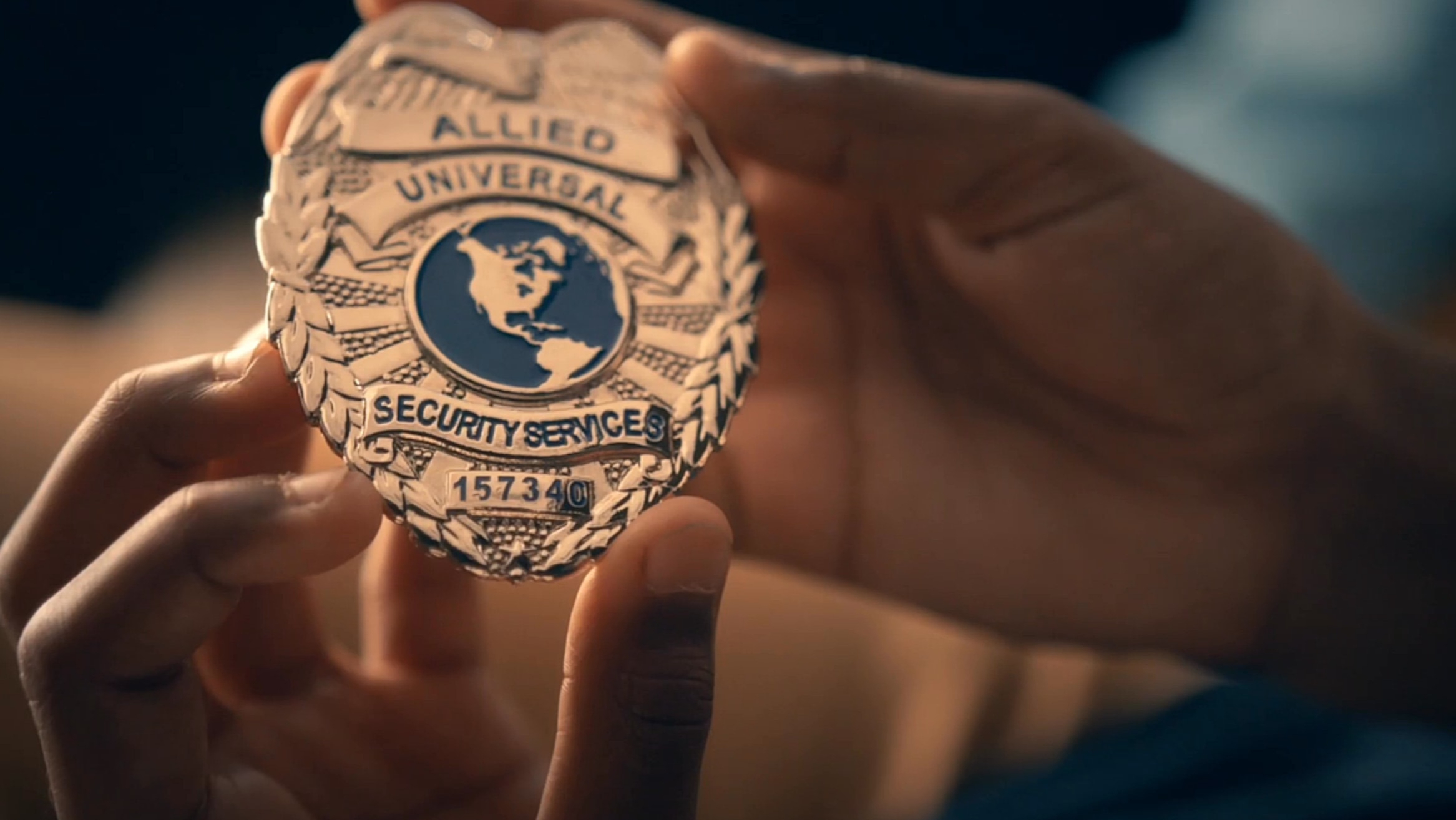
Allied Universal grooming standards require employees to maintain a neat, clean, and professional appearance that reflects the company’s role as a leader in global security. These standards encompass uniform maintenance, hair and facial hair regulations, tattoo visibility, and personal hygiene. Adherence ensures officer safety, client satisfaction, and a consistent brand image across all service sectors.
In the professional security industry, the uniform is more than just clothing; it is a symbol of authority, reliability, and readiness. As of 2026, Allied Universal remains one of the world’s largest private employers, and its grooming policies serve as a foundational element of its operational doctrine. Whether you are a new recruit preparing for your first day or a long-term employee navigating updated site-specific requirements, understanding the nuances of these standards is essential for career longevity and professional success.
The Foundation of the Allied Universal Professional Image
The primary objective of grooming standards at Allied Universal is to present a "command presence." This psychological concept suggests that an officer’s appearance can influence the behavior of others, often de-escalating potential conflicts before they begin. When an officer is well-groomed and their uniform is sharp, it signals to the public and potential bad actors that the individual is disciplined and attentive to detail.
Grooming policies are generally divided into two categories: corporate-wide baseline standards and site-specific requirements. While the corporate policy provides the "floor" for acceptable appearance, specific clients—such as high-end corporate headquarters or government installations—may demand even more stringent adherence to traditional grooming norms. Conversely, certain industrial or "post-disaster" environments might allow for more tactical, rugged attire, though the underlying requirement for cleanliness remains.
The Role of the Uniform in Security Operations
The uniform must be worn in its entirety as prescribed by the specific post orders. This typically includes a branded shirt, trousers, a duty belt, and specific footwear. Employees are responsible for the daily upkeep of these items.
- Cleanliness and Pressing: Uniforms must be free of stains, odors, and excessive wrinkling. In the 2026 operational environment, many uniforms are made of moisture-wicking, wrinkle-resistant fabrics, but regular laundering is still a mandatory requirement.
- Fit and Alterations: Uniforms should fit the individual properly—neither too tight to restrict movement nor too baggy to appear slovenly or create a safety hazard. Allied Universal typically provides standard sizing, but employees should report significant fit issues to their supervisor to ensure professional presentation.
- Footwear: Shoes or boots must be black, closed-toe, and capable of being polished unless the specific site specifies tactical footwear. Scuffed or dirty boots are often the first thing a field supervisor notices during a "post check."
Hair and Facial Hair Regulations
Hair and facial hair standards are often the most discussed aspects of the Allied Universal grooming policy. These rules are designed to ensure that hair does not interfere with the officer’s vision, the proper fit of safety equipment (such as respirators or helmets), or the ability of an opponent to use hair as a "handle" during a physical altercation.
Head Hair Standards
For all employees, hair must be kept neat and clean. Extreme styles—often defined as those that draw undue attention or appear "unprofessional" in a traditional business context—are generally discouraged.
- Color: Hair should be of a natural human hair color. While 2026 standards have become more inclusive, "neon" or highly "unnatural" colors (like bright green or hot pink) are typically prohibited unless they are a requirement for a specific, non-traditional assignment.
- Length and Style: For men, hair is often required to be kept above the collar. For women, or men with longer hair, the policy generally requires that hair be tied back or pinned up if it extends past the shoulders. This is a critical safety measure to prevent hair from being caught in machinery or grabbed during a struggle.
- Headwear: Only company-authorized hats or beanies may be worn, and they must be worn straight, with the brim facing forward.
Facial Hair Policies and Evolving Standards
Historically, the security industry favored a clean-shaven look. However, Allied Universal has modernized its approach to facial hair to balance professional appearance with individual preference and religious freedom.
- Clean-Shaven: Many high-security or "Class A" corporate sites still require officers to be clean-shaven.
- Mustaches: Mustaches are generally permitted but must be neatly trimmed and cannot extend below the corners of the mouth or the upper lip line. "Handlebar" or overly stylized mustaches are usually against policy.
- Beards and Goatees: Where permitted, beards must be maintained at a professional length (usually no more than 1/2 inch to 1 inch, depending on the specific branch guidelines). They must have defined lines on the cheeks and neck. "Stubble" or the "unshaven look" is typically not permitted; an employee is either growing a beard (which may require a transition period) or is clean-shaven.
Tattoos, Piercings, and Jewelry
As tattoos have become more mainstream, Allied Universal’s policies have adapted, yet they remain conservative to ensure broad client acceptance.
Tattoo Visibility
The general rule regarding tattoos is "discretion." While the company recognizes that many employees have tattoos, the visibility of these tattoos often depends on the specific contract.
- Prohibited Content: Tattoos that are offensive, racist, sexist, or depict violence or illegal substances are strictly prohibited if visible.
- Face and Neck: Tattoos on the face or neck are generally discouraged and may limit an employee's ability to work at certain high-profile sites.
- Covering Tattoos: If a site has a "no visible tattoo" policy, employees may be required to wear long-sleeve uniform shirts or use flesh-colored sleeves or makeup to conceal them.
Jewelry and Body Piercings
Jewelry is limited primarily for safety reasons. Excessive jewelry can be a snag hazard or can be used against an officer in a physical confrontation.
- Earnings: Generally, only small, professional studs are allowed, and often only one per ear. Hoops or dangling earrings are strictly prohibited due to the risk of them being "ripped out" during physical activity.
- Rings: Employees are usually limited to one ring per hand. Wedding bands are the most common exception.
- Necklaces: Any necklaces should be worn under the uniform shirt and not be visible.
- Body Piercings: Visible facial piercings (nose rings, brow rings, lip piercings) are typically not allowed while on duty. Tongue piercings should not interfere with clear speech.
Personal Hygiene and Scent Management
Professionalism extends beyond what the eye can see. Because security officers often work in close proximity to the public, colleagues, and clients, personal hygiene is a non-negotiable standard.
- Body Odor: Daily bathing and the use of deodorant are required. Security work can be physically demanding, making this essential for maintaining a professional environment.
- Fragrances: Employees should avoid excessive use of perfumes, colognes, or aftershaves. Many people have sensitivities or allergies to strong scents, and in an enclosed environment like a security desk or a patrol vehicle, overwhelming fragrances can be unprofessional.
- Nail Care: Nails should be kept clean and trimmed to a length that does not interfere with the performance of duties, such as typing or handling equipment. If polish is worn, it should be a neutral or subtle color.
Summary of Grooming Standards by Assignment Type
The following table compares the typical grooming expectations across different types of Allied Universal assignments as of 2026.
| Feature | Corporate / High-Rise (Class A) | Industrial / Construction | Retail / Public Space |
|---|---|---|---|
| Uniform Style | Suit or Formal Blazer | Tactical BDU / Polo | Standard Button-Down |
| Facial Hair | Often Clean-Shaven Only | Neatly Trimmed Beards Allowed | Neatly Trimmed Beards Allowed |
| Tattoo Policy | Must Be Fully Concealed | Visible Arm Tattoos Often OK | Moderate Visibility Allowed |
| Hair Style | Very Conservative/Traditional | Focused on Safety/Containment | Professional/Modern |
| Footwear | Polished Dress Shoes | Heavy-Duty Tactical Boots | Polished Black Work Shoes |
Religious and Medical Accommodations
Allied Universal complies with federal and state laws, including Title VII of the Civil Rights Act and the Americans with Disabilities Act (ADA). The company recognizes that certain grooming standards may conflict with an individual’s sincerely held religious beliefs or medical needs.
Religious Accommodations
Employees may request an accommodation for religious reasons, such as wearing a turban, hijab, or maintaining uncut hair or a beard (e.g., in the Sikh or Muslim faiths). These requests are handled on a case-by-case basis by the local HR representative. Generally, as long as the accommodation does not create an "undue hardship" or a significant safety risk (such as preventing the use of a required gas mask), it is granted.
Medical Exceptions
The most common medical exception involves "pseudofolliculitis barbae" (PFB), a skin condition common among men with curly hair where shaving causes severe irritation and scarring. In such cases, an employee can provide a doctor’s note to receive a "shaving waiver," allowing them to maintain a short, neat beard even at sites that usually require a clean-shaven look.
The Consequences of Non-Compliance
Maintaining grooming standards is a condition of employment. Failure to adhere to these policies can lead to several outcomes:
- Post Removal: A client may request that an officer be removed from their site if they do not meet the client’s specific appearance standards.
- Disciplinary Action: This typically follows a progressive path, starting with a verbal warning, followed by written warnings, and potentially leading to suspension.
- Termination: Persistent refusal to comply with uniform and grooming standards is considered a performance issue and can result in termination of employment.
Supervisors are trained to conduct "Guard Mount" or "Shift Briefings," where they inspect officers before they head to their posts. This is the primary time when grooming issues are identified and corrected.
Frequently Asked Questions
Can I wear a smart watch with my Allied Universal uniform?
Yes, smart watches are generally permitted as long as they are not overly bulky or distracting. They should be in neutral colors (black, silver, or gold) and must not interfere with the officer's attention to their post. Using the watch for personal texting or social media while on duty remains a violation of the electronics policy.
Are "unnatural" hair colors allowed if they are subtle?
The policy focuses on "natural human hair colors." While a subtle dark burgundy might be acceptable, bright blues, purples, or greens are typically not. The final determination usually lies with the Branch Manager or the specific client’s requirements. If in doubt, it is best to consult with your supervisor before making a change.
What should I do if I cannot shave due to a skin condition?
You should obtain a medical "shaving waiver" from a licensed physician. Present this documentation to your Allied Universal HR representative. They will provide you with specific guidelines on the maximum length your facial hair can be (usually 1/8 to 1/4 inch) and may restrict you from certain sites where a respirator fit-test is required by OSHA.
Can I wear tinted glasses or sunglasses on post?
Sunglasses are permitted for outdoor posts to protect the eyes and improve vision. However, they should be of a professional, non-mirrored style. Inside a building, tinted glasses or sunglasses are generally prohibited unless they are prescription transition lenses or required for a documented medical reason.
Does the "Crown Act" affect Allied Universal hair policies?
Yes. Allied Universal adheres to the CROWN Act (Creating a Respectful and Open World for Natural Hair) in jurisdictions where it is law, and generally applies these principles nationwide. This means the company does not discriminate against natural hair textures or protective hairstyles such as braids, locks, or twists, provided they meet the basic safety requirements of being neat and secured.
Final Recommendation for Employees
To ensure you are always in compliance with Allied Universal grooming standards, always refer to your specific Site Post Orders. While the general handbook provides the framework, the client’s specific needs often dictate the finer details of your appearance.
Invest in a high-quality iron or steamer and a basic shoe-shine kit. Taking five minutes before each shift to check your reflection can prevent disciplinary issues and demonstrate to your supervisors that you take your role seriously. If you are seeking a promotion or a move into a specialized field (such as Executive Protection), your grooming will be one of the primary factors evaluated. Maintaining a sharp, professional appearance is the simplest way to communicate your competence and respect for the profession.