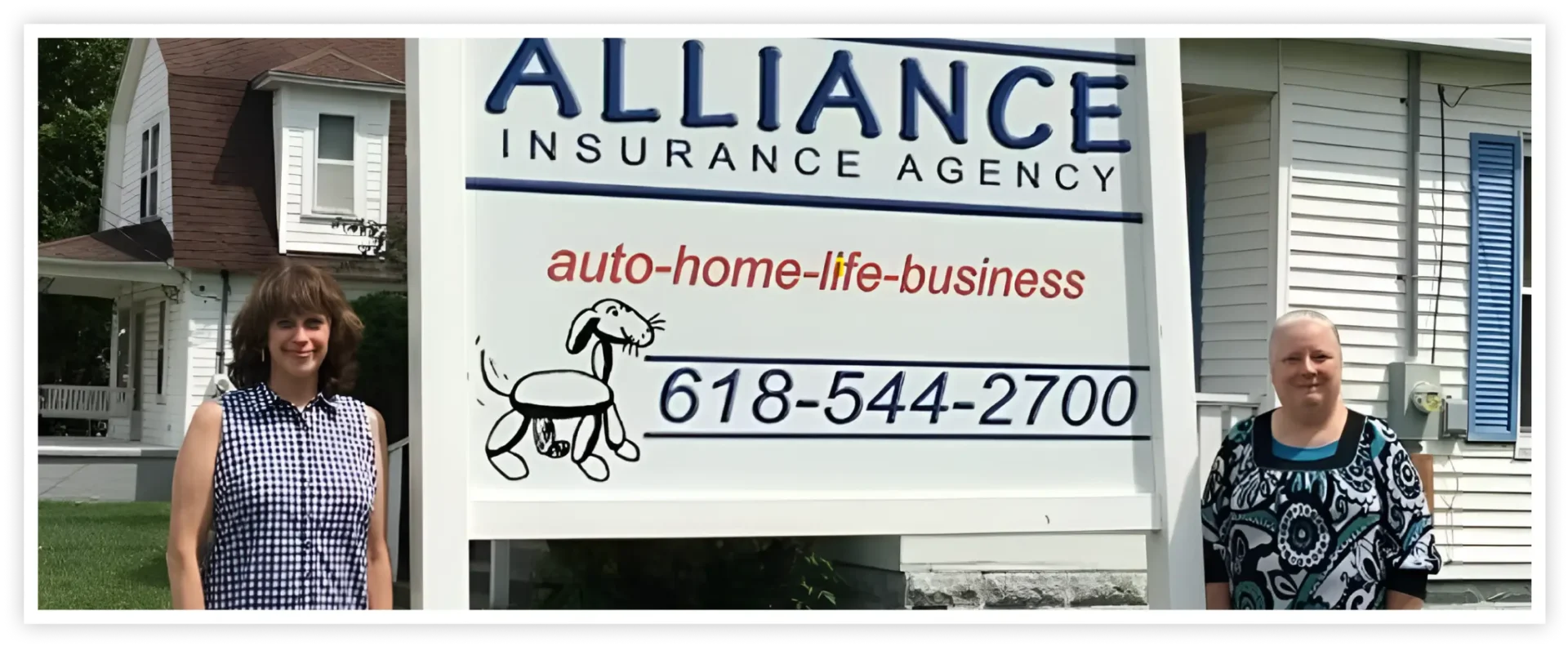
Alliance Agency is a legitimate entity operating as an independent insurance brokerage. It functions by connecting consumers with various insurance carriers rather than being a single insurance underwriter itself. If you are considering them for life insurance, it is essential to verify their licensure in your specific state, confirm the ratings of the underlying insurance carriers they represent, and ensure that their proposed coverage aligns with your long-term financial goals and risk profile.
Understanding the Role of an Insurance Agency
When researching whether a company like Alliance Agency is "legit," the most important first step is understanding the business model. Most firms using the word "Agency" in their title are not life insurance companies—they are brokers or independent agents.
An insurance carrier is the company that actually issues the policy, collects your premiums, and pays out the death benefit. An agency, conversely, acts as an intermediary. They hold contracts with multiple insurance carriers, allowing them to shop around and compare quotes to find a policy that matches your needs. Because they represent multiple carriers, they can offer a wider variety of products—such as term life, whole life, and universal life—than a "captive agent" who works for only one specific company.
Being a legitimate agency means the business is registered with the Secretary of State in its home state and holds the necessary producer licenses issued by state departments of insurance. These licenses are a mandatory requirement for any entity that solicits, sells, or negotiates insurance contracts.
Verifying Licensure and Regulatory Compliance
Before purchasing a life insurance policy through any broker or agency, you should independently verify their credentials. This process is straightforward and protects you from potential fraud or unlicensed activity.
- State Insurance Department Portals: Every state in the U.S. has a Department of Insurance (DOI). These departments maintain public databases of all licensed agents and agencies. You can visit the website of your state’s insurance commissioner and search for "Alliance Agency" or the specific legal entity name found on their website.
- National Insurance Producer Registry (NIPR): The NIPR provides a centralized lookup tool for insurance producers. This is often the most efficient way to confirm if an agency is authorized to do business in your specific jurisdiction.
- Better Business Bureau (BBB) and Consumer Reports: While not government regulators, these platforms provide insight into a company's business practices. Look for whether the company is BBB-accredited and how they handle consumer complaints. A legitimate company will generally have an established physical presence and verifiable contact information.
Analyzing the Insurance Carriers Behind the Agency
If Alliance Agency presents you with a policy, they are acting as the sales channel for an insurance carrier. The "legitimacy" of your policy depends almost entirely on the financial strength of that underlying insurance company.
When an agency suggests a policy, ask for the name of the carrier and their financial strength ratings. Independent agencies should be working with highly rated, reputable carriers. You can check these ratings through major agencies such as:
- A.M. Best: Specializes in the insurance industry; look for carriers rated "A-" (Excellent) or higher.
- Standard & Poor’s (S&P): Provides independent credit ratings for insurers.
- Moody’s: Evaluates the long-term debt and financial obligations of insurance companies.
If the agency is pushing you toward an unknown, unrated, or offshore insurance carrier, this is a significant red flag. Legitimate agencies typically work with well-known, established carriers that have decades of experience in the life insurance market.
Comparison Table: Agency vs. Carrier Roles
Understanding the difference between an agency and a carrier helps manage expectations regarding service and responsibility.
| Feature | Insurance Agency (e.g., Alliance Agency) | Insurance Carrier (The Underwriter) |
|---|---|---|
| Primary Role | Sales, advice, and policy shopping | Underwriting, risk, and claims payment |
| Regulation | Licensed by State Insurance Departments | Regulated by State Insurance Departments |
| Revenue Source | Commissions from the insurance carrier | Premiums collected from the policyholder |
| Policy Issuance | Does not issue policies directly | Legally responsible for the policy contract |
| Duty | To find suitable products for the client | To maintain solvency and pay valid claims |
Common Red Flags to Watch For
Even if a company is legally registered, individual sales practices can vary. You should be cautious if you encounter the following during your interaction with any insurance agency:
- High-Pressure Sales Tactics: If the agent pressures you to sign up immediately to avoid a "limited-time offer," be wary. Legitimate life insurance is a long-term financial product that requires careful consideration.
- Lack of Transparency on Costs: You should receive a clear breakdown of the premiums, fees, and the death benefit amount. If the agent cannot explain how your premiums are calculated, seek assistance elsewhere.
- Requests for Unusual Payment Methods: Never pay for insurance via wire transfer, cryptocurrency, or gift cards. Legitimate insurance premiums are paid directly to the carrier or through verified, secure electronic payment portals provided by the agency.
- Vague Contact Information: Ensure the agency has a verifiable office address and phone number. Be cautious of entities that only communicate through anonymous email addresses or social media platforms.
The Life Insurance Application Process
Once you determine that an agency is licensed and reputable, the process of securing life insurance involves several standard steps. Understanding these helps ensure you aren't being misled by the agency's sales process.
- Needs Analysis: A professional agent will ask about your debts, income, family size, and long-term financial goals. They should not try to sell you a "one-size-fits-all" product.
- Medical Underwriting: For most policies, you will be required to answer health questions. Depending on the size of the policy, you may need a paramedical exam (a nurse checking your height, weight, and blood pressure).
- Application Submission: The agency gathers your information and submits it to the insurance carrier. The carrier then decides whether to approve the application, decline it, or offer it at a different rate class based on your health.
- Policy Issuance: If approved, the carrier sends the official policy contract. Read this document thoroughly. It is the final word on what your coverage includes and excludes.
Frequently Asked Questions
Is Alliance Agency a direct insurance company? Generally, agencies like Alliance are brokers that represent multiple insurance companies. They do not hold the risk themselves; the insurance carrier they place your policy with assumes the risk and is responsible for paying out claims.
How do I know if the life insurance quote I received is legitimate? A legitimate quote should include the name of the insurance carrier, the type of policy, the guaranteed premium amount, and the death benefit. If you receive a quote that seems significantly lower than others for the same coverage, verify that the policy doesn't have hidden "vanishing premium" schemes or limited-time introductory rates that spike later.
What if I have a complaint about an insurance agency? If you have a dispute with an agency regarding their service or conduct, you should file a complaint with your state’s Department of Insurance. They have the authority to investigate agencies and take disciplinary action if they find evidence of illegal or unethical behavior.
Do I have to pay the agency a fee? In most cases, you do not pay a fee to an insurance agency. They are compensated through commissions paid by the insurance carrier you choose. If an agency asks you to pay an "application fee" or "processing fee" directly to them, ask for a detailed explanation and confirm if this is standard practice for the carrier involved.
Can an agency cancel my life insurance? No. Only the insurance carrier can cancel a policy, and they can typically only do so if you stop paying your premiums or if you provided fraudulent information on your application. An agency cannot unilaterally cancel your policy.
Taking Next Actions
If you are currently evaluating Alliance Agency or any other firm for your life insurance needs, proceed with the following steps:
- Request the "NAIC Number": Ask for the NAIC (National Association of Insurance Commissioners) number of the insurance carrier they are recommending. You can look this up on the NAIC website to confirm the carrier's financial health.
- Compare Quotes: Always get at least three quotes from different agencies. This provides a baseline to judge whether the offer from the agency is competitive.
- Verify Licenses: Take five minutes to search your state’s DOI website for the agency's license status.
- Read the Policy: Never rely solely on an agent's verbal explanation. Before you finalize the purchase, ensure you have a copy of the policy specimen or the draft contract so you understand the terms, conditions, and exclusions.
By following these verification steps, you shift from relying on the agency's promises to relying on verifiable data, ensuring that your financial protection is secure for the future.