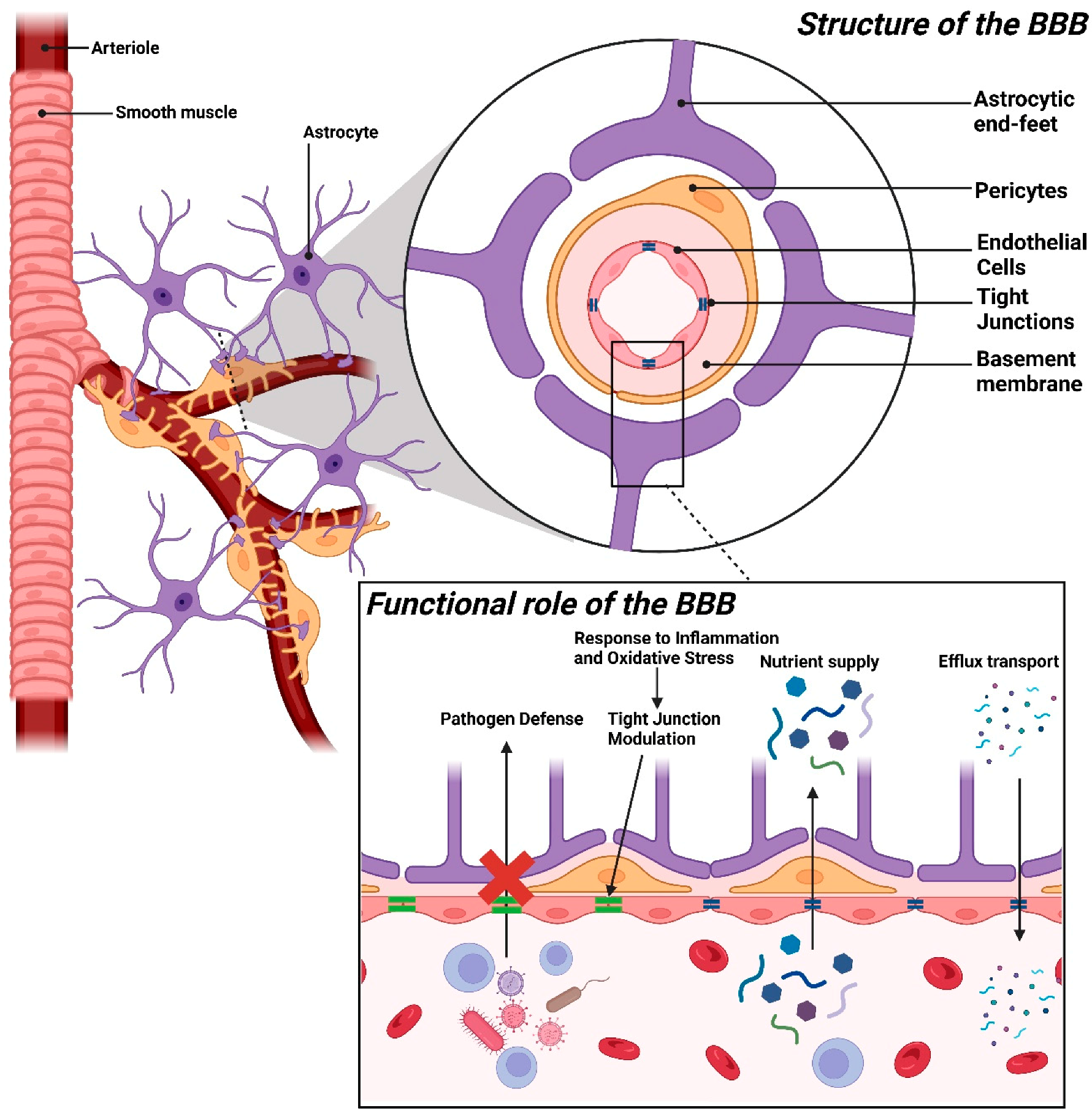
Allegra (fexofenadine) does not cross the blood-brain barrier (BBB) primarily because it is a substrate for P-glycoprotein (P-gp), an active efflux transporter that pumps the drug out of the brain's endothelial cells. Additionally, its low lipid solubility and high molecular polarity prevent it from diffusing passively across the barrier, ensuring it relieves allergy symptoms without causing the drowsiness associated with older antihistamines.
Understanding why certain medications affect our alertness while others do not requires an exploration of the complex relationship between molecular biology and the protective systems of the human brain. As of 2026, Allegra remains a gold-standard treatment for seasonal allergic rhinitis and chronic idiopathic urticaria (hives) specifically because of its "non-sedating" profile, a characteristic rooted in its inability to penetrate the central nervous system (CNS).
The Physiology of the Blood-Brain Barrier (BBB)
The blood-brain barrier is not a physical "wall" in the traditional sense but a highly selective semipermeable border of endothelial cells. These cells line the capillaries in the brain and are fused together by tight junctions, which prevent most substances from leaking from the bloodstream into the brain's extracellular fluid.
The primary purpose of the BBB is to maintain a stable environment for the brain. It allows essential nutrients like glucose and oxygen to pass through while shielding the brain from toxins, pathogens, and fluctuating hormone levels. For a drug to cross this barrier, it generally needs to be small, lipophilic (fat-soluble), or recognized by specific transport proteins that carry it inward.
Most first-generation antihistamines, such as diphenhydramine (Benadryl), possess these characteristics. They are small, lipophilic molecules that easily slip through the BBB, where they bind to H1 receptors in the brain. Since histamine in the CNS is responsible for maintaining wakefulness and alertness, blocking these receptors leads to the heavy sedation many people experience with older medications.
Fexofenadine: The Evolution of the Non-Sedating Antihistamine
Fexofenadine, the active ingredient in Allegra, represents a significant leap in pharmacological engineering. Originally discovered as the active metabolite of terfenadine, fexofenadine was developed to provide the same antihistamine benefits without the cardiac risks or the sedative side effects of its predecessors.
As of 2026, fexofenadine is categorized as a second-generation antihistamine (often colloquially referred to as third-generation due to its refined safety profile). Its design specifically targets peripheral H1 receptors—those found in the skin, nose, and eyes—rather than the H1 receptors in the brain.
Molecular Weight and Polarity
Fexofenadine is a relatively large molecule compared to first-generation antihistamines. More importantly, it is highly polar and has low lipid solubility. Because the cell membranes of the BBB are composed of lipids, "water-loving" or polar molecules like fexofenadine find it incredibly difficult to diffuse through them. This lack of passive diffusion is the first line of defense that keeps Allegra out of the CNS.
The Role of P-Glycoprotein: The Brain's "Bouncer"
The most critical reason Allegra does not cross the blood-brain barrier is the presence of P-glycoprotein (P-gp). P-gp is an ATP-binding cassette transporter located on the luminal surface of the brain’s capillary endothelial cells.
Think of P-gp as a molecular "bouncer." Even if a small amount of fexofenadine manages to begin crossing into the cell membrane of the BBB, P-gp recognizes the molecule and uses energy (ATP) to actively pump it back out into the bloodstream.
Research published in the National Institutes of Health (NIH) databases has long confirmed that fexofenadine is a high-affinity substrate for P-gp. This active efflux mechanism is so efficient that the concentration of fexofenadine in the brain remains negligible even at high doses. This distinguishes it from other second-generation antihistamines like cetirizine (Zyrtec), which are also excluded from the brain but may show a slightly higher rate of receptor occupancy in the CNS at elevated doses.
Comparing Antihistamines: BBB Penetration and Sedation
To understand why Allegra is often preferred for individuals in high-stakes professions (such as pilots or surgeons), it is helpful to compare how different antihistamines interact with the blood-brain barrier.
| Medication (Active Ingredient) | Generation | BBB Penetration | Sedation Risk | Typical Duration |
|---|---|---|---|---|
| Allegra (Fexofenadine) | 2nd / 3rd | Negligible (due to P-gp efflux) | Very Low | 12 - 24 Hours |
| Claritin (Loratadine) | 2nd | Low | Low | 24 Hours |
| Zyrtec (Cetirizine) | 2nd | Low to Moderate | Moderate (approx. 10%) | 24 Hours |
| Xyzal (Levocetirizine) | 2nd | Low | Moderate | 24 Hours |
| Benadryl (Diphenhydramine) | 1st | High (Passive Diffusion) | Very High | 4 - 6 Hours |
As the table illustrates, fexofenadine stands out for its lack of CNS activity. While loratadine is also considered non-sedating, it is converted by the liver into an active metabolite (desloratadine) that has a slightly different profile. Fexofenadine, however, does not undergo significant hepatic metabolism, meaning it remains in its non-penetrating form throughout its journey in the body.
Clinical Implications of CNS Exclusion
The fact that Allegra does not cross the BBB has profound implications for daily life and medical safety. Histamine in the brain is a neurotransmitter that plays a role in:
- Arousal and Wakefulness: Keeping you alert during the day.
- Cognitive Function: Processing information and memory.
- Appetite Control: Regulating hunger signals.
- Motor Coordination: Maintaining physical balance and reaction time.
When a drug like diphenhydramine crosses the BBB and blocks these functions, the result is "brain fog," slowed reaction times, and somnolence. In contrast, because fexofenadine stays in the periphery, it only blocks the H1 receptors involved in the allergic response (the ones causing your runny nose and itchy eyes).
Impact on Occupational Safety
In 2026, regulatory bodies like the Federal Aviation Administration (FAA) and various transport authorities continue to approve fexofenadine for use by operators of heavy machinery and pilots. Extensive studies have shown that fexofenadine does not impair psychomotor performance even at doses several times higher than the standard 180 mg recommendation. This "clean" profile is entirely due to its exclusion from the brain.
Absorption and The Fruit Juice Interaction
While the BBB prevents Allegra from entering the brain, there is another transport mechanism that users must be aware of regarding its absorption into the body. Fexofenadine relies on a transporter called OATP1A2 (Organic Anion Transporting Polypeptide) to be absorbed from the gastrointestinal tract into the bloodstream.
Certain fruit juices—specifically grapefruit, orange, and apple juice—can inhibit this transporter. If the transporter is inhibited, less fexofenadine enters the blood, making the medication less effective. This is why the label on Allegra explicitly advises taking the medication with water rather than juice. This interaction is purely about absorption in the gut and does not change the drug's inability to cross the blood-brain barrier.
Pharmacokinetics and Metabolism
Another reason for Allegra’s stability and predictable behavior is its minimal metabolism. Many drugs are processed by the cytochrome P450 system in the liver, which can lead to drug-drug interactions. Approximately 95% of fexofenadine is excreted unchanged in the feces and urine.
Because it doesn't rely on complex liver metabolism to be cleared, and because it is actively kept out of the brain, it presents a very low risk for patients with diverse medication regimens. For the elderly or those with mild hepatic impairment, fexofenadine remains a preferred choice because its lack of CNS penetration reduces the risk of confusion or falls.
Frequently Asked Questions
Does Allegra cause any drowsiness at all?
For the vast majority of the population, Allegra is truly non-sedating. Clinical trials have shown that the incidence of drowsiness with fexofenadine is comparable to a placebo. However, every individual's physiology is unique. If a person has a rare genetic variation in their P-glycoprotein transporters, they might theoretically experience more CNS effects, but this is statistically very rare.
Can I take Allegra with other medications?
Because fexofenadine is not significantly metabolized by the liver, it has fewer drug interactions than many other medications. However, you should avoid taking it with antacids containing aluminum or magnesium, as these can reduce the drug's absorption. Always consult a healthcare provider or pharmacist in 2026 for a personalized review of your medications.
Why is Allegra called a "third-generation" antihistamine sometimes?
The term "third-generation" is often used for marketing or to describe drugs that are active metabolites of second-generation drugs or have improved safety profiles. Fexofenadine is the active metabolite of terfenadine. While some pharmacologists stick to the "second-generation" label, others use "third-generation" to highlight its complete lack of sedative effects and cardiac safety.
Is Allegra safe for children?
Yes, in appropriate dosages. Because children’s brains are still developing, using an antihistamine that does not cross the blood-brain barrier is often preferred by pediatricians to avoid interfering with cognitive development or school performance. Pediatric formulations (like Allegra Children’s) are specifically dosed for younger age groups.
Does Allegra work for skin allergies?
Yes, Allegra is highly effective for chronic idiopathic urticaria (hives). Since the H1 receptors involved in hives are located in the skin (the periphery), Allegra can reach them easily without needing to enter the brain.
Summary of Best Practices for 2026
To get the most out of Allegra while benefiting from its non-sedating properties, keep the following guidelines in mind:
- Take with Water: Avoid fruit juices for at least two hours before and after taking the dose to ensure maximum absorption.
- Consistency is Key: For seasonal allergies, Allegra works best when taken daily during the allergy season to keep peripheral H1 receptors consistently blocked.
- Check the Label: Ensure you are not taking "Allegra-D" (which contains pseudoephedrine) if you are sensitive to stimulants, as the decongestant component can affect the CNS, even though fexofenadine does not.
- Consult Professionals: If you have kidney disease, consult your doctor, as fexofenadine is primarily cleared through the kidneys and may require dosage adjustment.
By leveraging the body's own defense mechanisms—specifically the P-glycoprotein efflux pump—Allegra provides a sophisticated solution to allergy management. It allows users to remain fully alert and cognitively sharp while effectively neutralizing the histamine response that leads to allergy misery.