The Alien franchise encompasses a complex, sprawling narrative web across films, literature, comics, and video games, leading to ongoing debates regarding official continuity. Defining the "Alien canon" requires distinguishing between the core cinematic timeline produced by 20th Century Studios and the expansive, often contradictory, secondary materials that expand upon the xenomorph’s origins and the Weyland-Yutani Corporation’s history.
The Foundation of Cinematic Canon
At the center of the Alien universe are the feature films. For most fans and scholars of the franchise, the theatrical releases provide the "Primary Canon." This sequence is generally defined by the films produced by 20th Century Studios, starting with Ridley Scott’s 1979 masterpiece Alien.
The core cinematic timeline follows a chronological progression that links the early exploration of humanity’s origins with the eventual interstellar colonization efforts. The accepted sequence includes:
- Prometheus (2012): Establishing the Engineer backstory.
- Alien: Covenant (2017): Detailing the transition from the Engineers to the creation of the modern Xenomorph.
- Alien (1979): The discovery of the LV-426 derelict.
- Alien: Romulus (2024): Set between the events of Alien and Aliens.
- Aliens (1986): The escalation of the conflict on LV-426.
- Alien 3 (1992): The conclusion of Ellen Ripley’s arc.
- Alien: Resurrection (1997): Set centuries after the death of Ripley, dealing with cloning and hybrid experimentation.
Disputes often arise regarding Alien: Resurrection and the tone shift it introduced, but within the framework of studio ownership and distribution, it remains a pillar of the original cinematic history.
The Divergence of the AVP Era
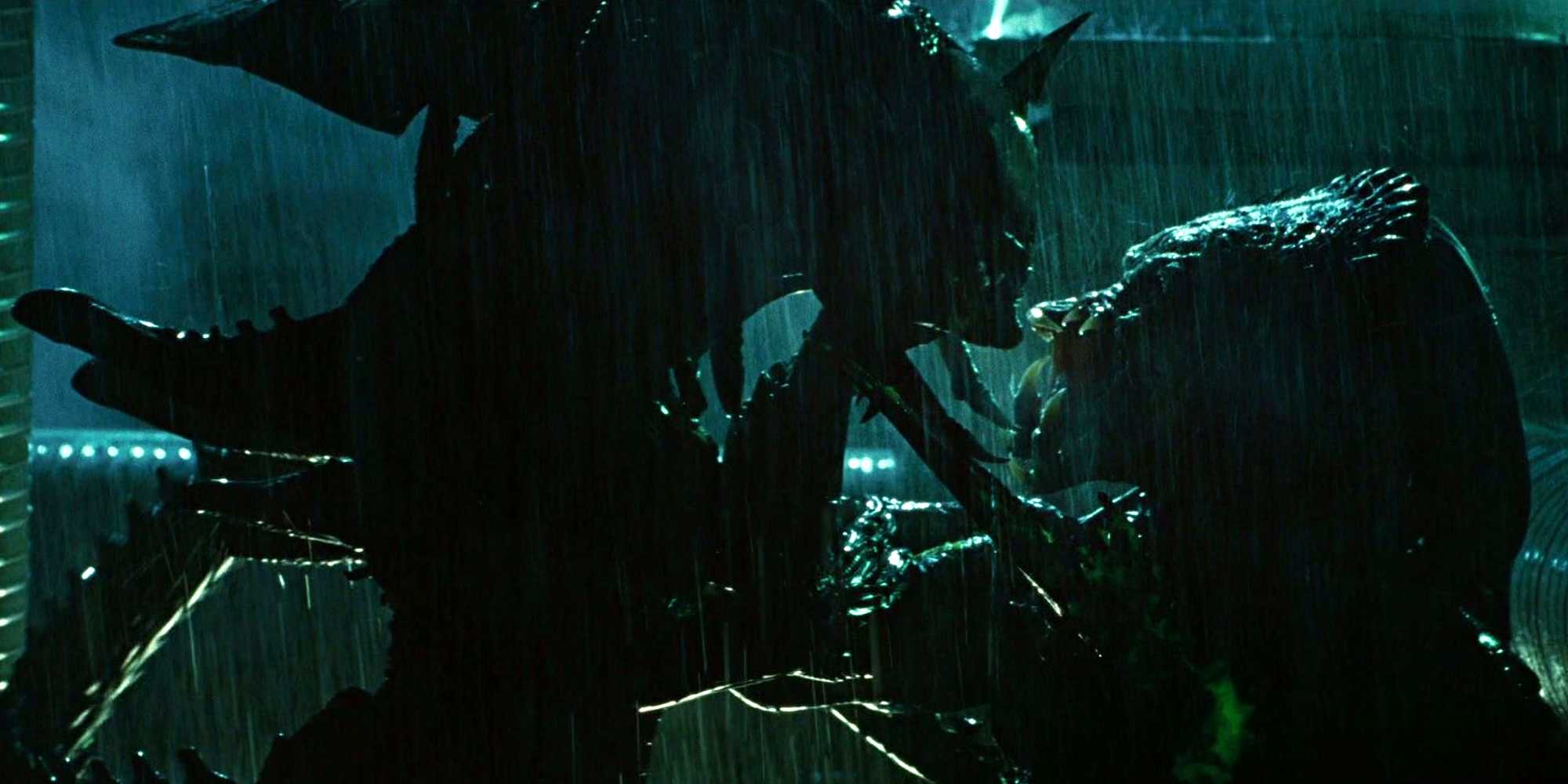
The most significant point of contention in mapping the Alien universe involves the Alien vs. Predator (AVP) films. Alien vs. Predator (2004) and Aliens vs. Predator: Requiem (2007) are viewed by many as an "Extended Universe" rather than part of the core Alien narrative.
The primary issue is one of tone and timeline compatibility. The AVP films take place on Earth in the early 21st century, which creates logistical difficulties when reconciled with the lore established in Prometheus. In Prometheus, the Weyland Corporation is led by Peter Weyland, who is an elderly man in the late 21st century. The AVP films suggest a version of the Weyland Corporation that existed much earlier, creating a chronological friction that Ridley Scott himself has largely ignored in favor of his own prequel trilogy.
Most contemporary editors of the franchise treat AVP as a parallel reality—an "Elseworlds" style spin-off that does not impact the primary survival horror narrative defined by Ripley’s encounters.
Secondary Media: Novels, Comics, and Games
Beyond the screen, the Alien franchise is supported by a massive archive of expanded media. This includes the Dark Horse comics, numerous novels published by Titan Books, and seminal video games like Alien: Isolation (2014).
Categorizing Non-Cinematic Material
- Literary Canon: Novels that retell the events of the films (novelizations) are generally considered accurate to the film’s narrative, but original novels often take creative liberties that conflict with later film releases.
- Video Game Continuity: Alien: Isolation is widely praised for its adherence to the aesthetic and narrative constraints of the 1979 film. Because it fills the gap between Alien and Aliens, it is frequently accepted as "soft canon" by the community, even if it is not explicitly referenced in the films.
- Comics and Graphic Novels: The Dark Horse catalog, which ran for decades, is the most contentious. Many of these stories featured massive alien invasions on Earth, which significantly alters the stakes established in the later films. Following the acquisition of 20th Century Fox by Disney, Marvel Comics took over the license, creating a new, separate continuity that is explicitly distinct from the film timeline.
Analyzing Continuity Conflicts
Continuity in a franchise spanning nearly 50 years is rarely seamless. When mapping this universe, scholars categorize conflicts into "Hard Retcons" and "Flavor Variations."
Hard Retcons
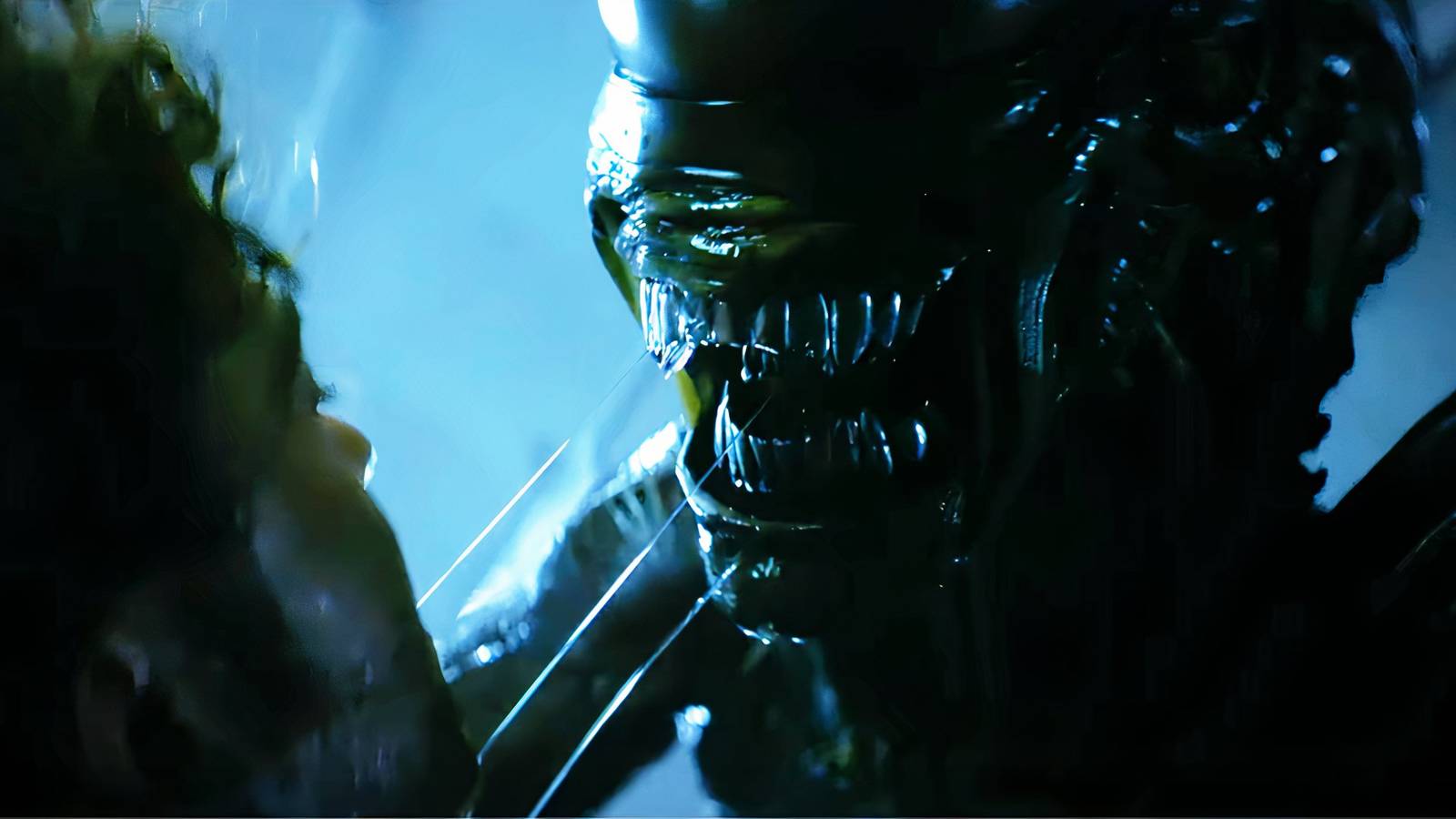
A hard retcon occurs when a new film explicitly invalidates a previous installment's facts. The most prominent example is the design and function of the Xenomorph as presented in Prometheus and Covenant. By framing the creature as a synthetic bioweapon engineered by David 8, the franchise altered the mystery established in the original 1979 film, where the creature appeared to be a natural, albeit highly aggressive, biological organism.
The Problem of "The Derelict"
A recurring source of debate is the origin of the ship found on LV-426. Alien suggests an ancient site of mysterious origin. Prometheus suggests a link to the Engineers. Alien: Romulus introduces new biological variables. These layers of explanation represent "narrative accretion," where each director adds their own philosophy, sometimes at the expense of internal consistency.
Comparison of Canon Perspectives
| Perspective | Inclusion Criteria | Reliability |
|---|---|---|
| Strict Film Purists | The 7 core theatrical films only. | Highest internal consistency. |
| Broad Cinematic | All films, including AVP and spinoffs. | Frequent timeline contradictions. |
| Expanded Universe | Films, novels, and Isolation. | Richest lore, high inconsistency. |
| Modern Disney/Marvel | Post-2020 releases and new comics. | Managed continuity, distinct path. |
Guidance for New Viewers and Researchers
For those looking to map the universe, the best approach is to adopt a "Film-First" hierarchy. This hierarchy allows for the inclusion of external media as "supplemental context" without letting it force a re-evaluation of the core film narrative.
Steps to Navigating the Content
- Prioritize the Core Films: Watch the theatrical sequence as established by release or chronological order. This establishes the baseline for the "rules" of the xenomorph, the nature of the Company, and the role of synthetics.
- Isolate the AVP Block: Treat these as a separate experiment. If they enhance your enjoyment, accept them as a side-branch; if they cause confusion, excise them from your personal map.
- Evaluate Supplemental Media via "Atmospheric Fit": Materials like Alien: Isolation should be judged on whether they respect the core film's tone. If a comic or novel introduces elements that break the core logic of the xenomorph lifecycle, it should be categorized as non-canonical.
- Accept Ambiguity: Part of the Alien franchise’s longevity is its lack of a "unified theory." Much of the fear the series evokes comes from the unknown origins of the monster. Attempting to force every piece of media into one line of history often strips the creature of its primary appeal—the terrifying, inexplicable nature of the unknown.
Frequently Asked Questions
Is Alien: Romulus considered canon?
Yes, Alien: Romulus is an official part of the 20th Century Studios cinematic canon. It is set between the events of Alien and Aliens, functioning as a direct continuation of the film-based narrative.
Where do the Alien vs. Predator films fit in the timeline?
They do not fit neatly into the primary cinematic timeline. They are widely regarded as a separate continuity that conflicts with the lore established in the Prometheus prequel series. Most fans place them in a parallel, non-canonical bucket.
Are the Dark Horse comics still official?
No. Following the 2019 acquisition of 20th Century Fox by Disney, the publishing rights for Alien comics moved to Marvel. The previous Dark Horse storylines are no longer considered part of the current active continuity.
Should I include the novels in my canon map?
Only if they do not contradict the films. Most novelizations are helpful for adding depth to characters, but original stories often drift away from the core narrative logic. Use them for supplemental lore rather than definitive factual truth.
Why is there so much contention regarding the Xenomorph origin?
The contention stems from the shift between the 1979 film (where the creature was a biological mystery) and the 2012 Prometheus era (where it became an engineered weapon). This change forced fans to reconcile two very different philosophies regarding the creature's nature.
Recommendation for Further Exploration
If you wish to delve deeper into the Alien universe, start by focusing on the "Company" archives. The internal lore provided by Weyland-Yutani documentation, often found in Alien: The Weyland-Yutani Report or similar official companion books, provides a grounded, objective look at the universe that remains mostly consistent across various films. By focusing on the corporation’s internal documentation rather than the character-driven comic books, you will find a more stable, albeit colder, version of the Alien timeline.