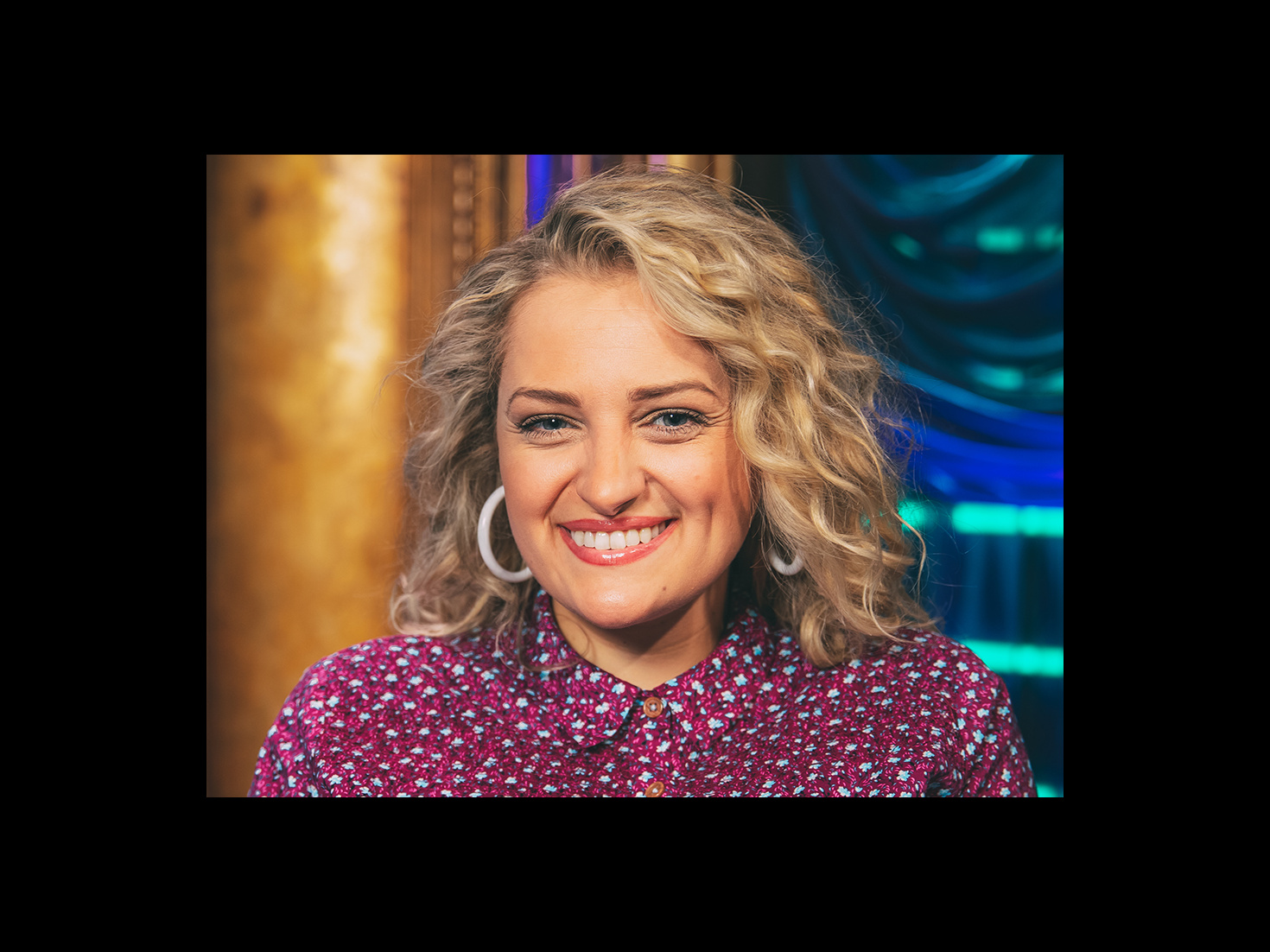
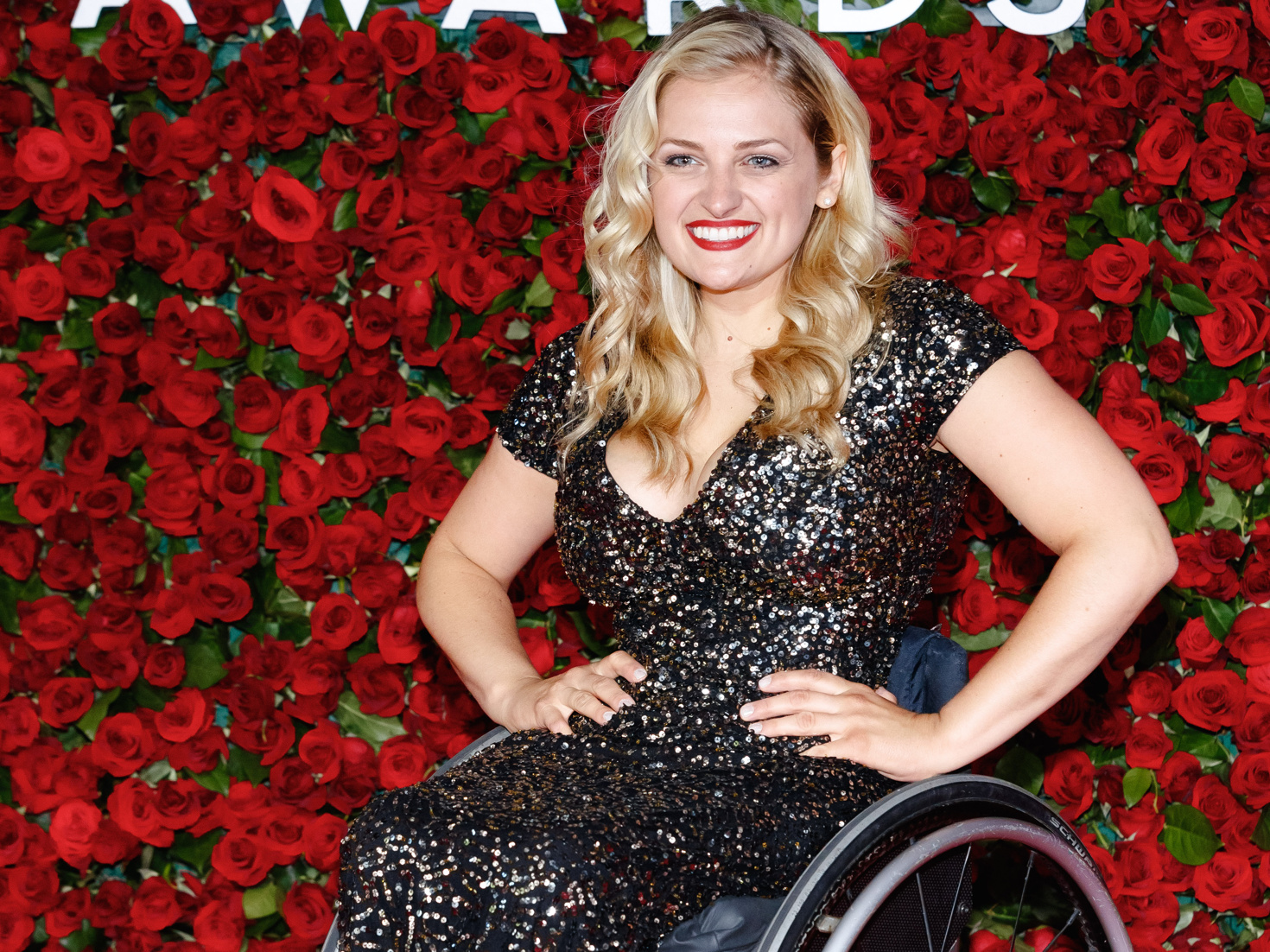
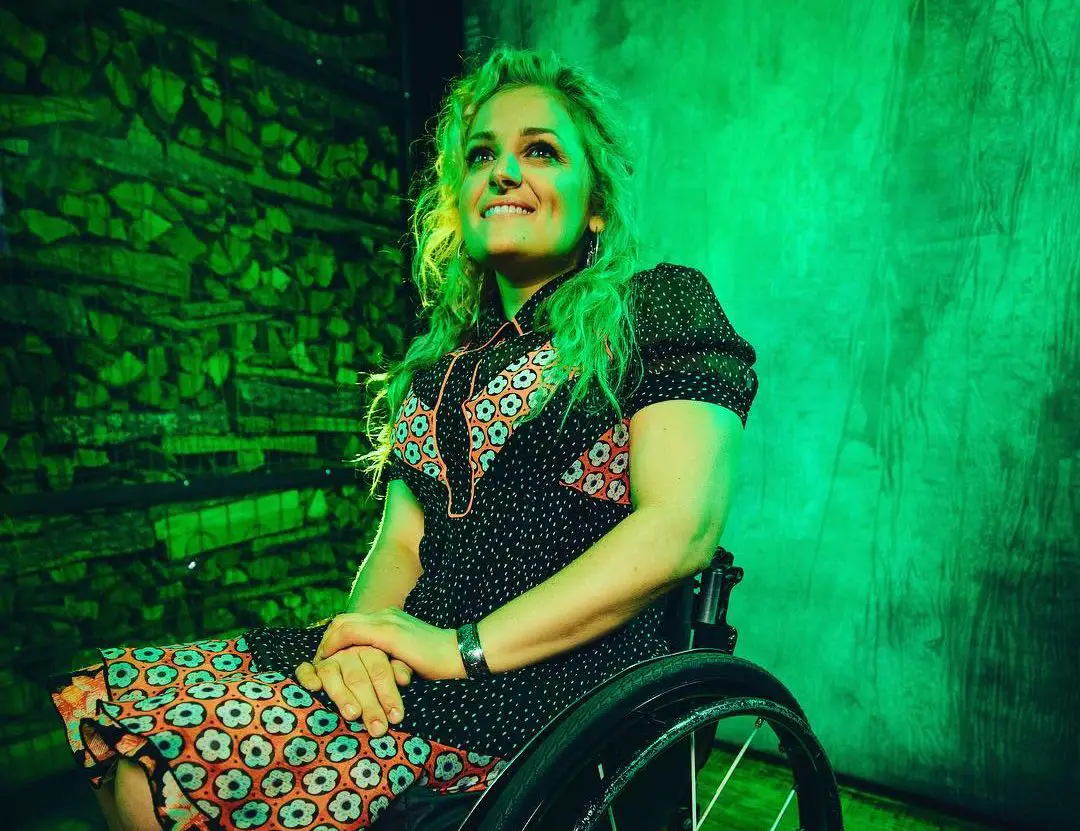
Ali Stroker is a powerhouse American actress and singer who made history as the first wheelchair user to perform on Broadway and win a Tony Award. Her career is a masterclass in resilience, talent, and advocacy, fundamentally shifting how the theater industry approaches disability representation and physical accessibility.
The narrative of Broadway has traditionally been one of "lights, glamour, and movement," but for decades, that movement was narrowly defined by able-bodied standards. Ali Stroker changed that narrative permanently. As we look at her career from the vantage point of 2026, her impact is not merely a collection of performances, but a seismic shift in the infrastructure and cultural consciousness of the American theater. From her early days in New Jersey to her historic win at the 73rd Tony Awards, Stroker’s journey provides a blueprint for how talent can dismantle systemic barriers.
Early Life and the Foundation of Resilience
Born in 1987 in Ridgewood, New Jersey, Ali Stroker’s life changed at the age of two when a car accident left her paralyzed from the chest down. However, her identity was never defined solely by her disability. Instead, it was defined by her voice. Stroker discovered her passion for performing at age seven after seeing a production of Annie. Her parents, recognizing her innate talent and drive, supported her participation in local theater, where she quickly realized that the stage was a place where she felt most empowered.
Her education was a series of "firsts." She attended the prestigious New York University Tisch School of the Arts, becoming the first student in a wheelchair to graduate from their drama program. This period was crucial because it forced the institution to confront its own physical limitations. If a student of Stroker’s caliber was to succeed, the hallways, rehearsal rooms, and stages had to be accessible. This set the stage for her lifelong dual role: a world-class performer and an inadvertent architect of institutional change.
The Breakthrough: From The Glee Project to Spring Awakening
While many Broadway stars find their start on the boards of regional theaters, Stroker’s first major brush with national fame came through reality television. In 2012, she was a finalist on the second season of The Glee Project. Although she did not win the grand prize, her charisma and vocal range earned her a guest spot on Glee as the character Betty Pillsbury. This exposure was vital; it proved to casting directors that a performer in a wheelchair could command a screen and handle the rigorous demands of a professional production.
Her true "trailblazing" moment on Broadway occurred in 2015. She was cast in the Deaf West Theatre revival of Spring Awakening. This production was revolutionary in its own right, featuring both deaf and hearing actors and utilizing American Sign Language (ASL) as a core part of the choreography. Stroker played Anna, and her presence marked the first time a wheelchair user had ever performed on a Broadway stage.
The logistics of Spring Awakening were a precursor to the modern accessibility standards we see in 2026. The Brooks Atkinson Theatre had to undergo modifications to ensure Stroker could navigate the stage and the backstage areas safely. This production proved that "it can be done"—that a wheelchair was not a limitation to the artistic vision of a Broadway show, but rather a unique element that could enhance the storytelling.
Ado Annie and the Historic Tony Win
If Spring Awakening opened the door, the 2019 revival of Rodgers and Hammerstein’s Oklahoma! blew it off the hinges. Directed by Daniel Fish, this reimagining of the classic musical was gritty, dark, and intensely intimate. Stroker was cast as Ado Annie, the "girl who cain't say no."
This casting was significant because it did not shy away from Ado Annie’s sexuality. Historically, characters with disabilities in media were often desexualized or treated with a sense of "otherness." Stroker’s Ado Annie was vibrant, flirtatious, and undeniably the center of romantic tension. Her performance of "I Cain't Say No" was a highlight of the production, performed with a vocal prowess and physical dynamism that captivated audiences and critics alike.
On June 9, 2019, Stroker won the Tony Award for Best Featured Actress in a Musical. Her acceptance speech became an instant classic in theater history. She dedicated her win to "every kid who is watching tonight who has a disability, who has a limitation or a challenge, who has been waiting to see themselves represented in this arena." However, the night also highlighted the work remaining: because the Radio City Music Hall stage lacked a ramp from the audience to the stage, Stroker had to wait backstage in the wings to ensure she could accept her award if she won. This logistical oversight sparked a national conversation about the difference between "compliance" and "true accessibility."
The "Stroker Effect": Impact on Theater Infrastructure
The "Stroker Effect" refers to the accelerated push for ADA (Americans with Disabilities Act) compliance and universal design within the Broadway ecosystem. Following her Tony win, the Broadway League and various theater owners began more rigorous assessments of backstage accessibility. In the years leading up to 2026, we have seen significant renovations in historic theaters that previously cited "architectural impossibility" as a reason for lack of access.
Key Milestones in Broadway Accessibility (2015–2026)
| Year | Milestone | Impact |
|---|---|---|
| 2015 | Spring Awakening Debut | First wheelchair user on Broadway; temporary ramp installations. |
| 2019 | Tony Award Win | National spotlight on backstage accessibility failures at Radio City. |
| 2021 | The Broadway League Task Force | Formal commitment to improving backstage access for performers. |
| 2023 | Major Theatre Renovations | Historic houses like the Majestic and the St. James announce accessibility upgrades. |
| 2026 | Industry-Wide Standards | Standardized "Rider for Accessibility" becomes common in union contracts. |
Beyond physical ramps, Stroker’s influence is felt in the casting rooms. Authentic representation—the practice of casting actors with disabilities in roles written for characters with disabilities—has become an industry standard. Moreover, "blind casting," where disability is not a factor in the role but the actor happens to have one, has seen a marked increase thanks to the precedent Stroker set.
Expanding the Reach: Television, Film, and Literature
Ali Stroker’s career is not limited to the stage. As a versatile artist, she has expanded her footprint into television and literature, ensuring that her message of "limitless living" reaches diverse audiences.
On television, she has appeared in high-profile series such as Only Murders in the Building, Echoes, and The Bold Type. In each of these roles, her disability is a part of her character’s reality but rarely the sole focus of the plot. This nuanced portrayal is essential for normalized representation.
In the literary world, Stroker co-authored a middle-grade novel titled The Chance to Fly. The book tells the story of a theater-loving girl in a wheelchair, mirroring many of Stroker’s own experiences. By writing for younger audiences, she is directly speaking to the "kids watching at home" she mentioned in her Tony speech, providing them with the protagonists she lacked during her own childhood.
Technical Training and Vocal Technique
One aspect of Stroker’s career that often gets overshadowed by her advocacy is her sheer technical skill as a vocalist. Being a singer in a wheelchair presents unique physiological challenges. Traditional vocal pedagogy emphasizes the "breath support" derived from the lower core and a specific grounded posture.
Stroker has been open about how she adapted these techniques. Because she does not have the same use of her abdominal muscles as an able-bodied singer, she utilizes different parts of her anatomy to support her powerful belt. Her ability to project to the back of a Broadway house without the traditional "anchoring" of the legs is a testament to her mastery of vocal mechanics. This has made her a sought-after masterclass teacher for aspiring singers of all physical abilities.
The State of the Industry in 2026
As of 2026, Ali Stroker remains a vital figure in the arts. While she continues to perform, her role as a consultant and advocate has grown. She often works with production companies to ensure that sets are navigable and that the environment is inclusive from day one of rehearsals.
The "Stroker Effect" has also led to the rise of other performers with disabilities finding mainstream success. We now see more wheelchair users, performers with mobility aids, and neurodivergent actors in leading roles. The conversation has shifted from "Can we accommodate this person?" to "How does this person’s unique perspective and physicality enrich our story?"
Common Misconceptions About Disability in Theatre
Despite the progress made, several misconceptions persist that Stroker has worked to debunk throughout her career:
- "Accessibility is too expensive": Stroker has demonstrated that the cost of accessibility is a minor fraction of a Broadway budget, especially when compared to the revenue generated by opening the theater to a wider pool of talent and audience members.
- "It limits artistic vision": Directors like Daniel Fish have proven that working with performers like Stroker actually expands the artistic possibilities, offering new ways to interpret classic texts.
- "It’s only about the audience": Stroker’s career has highlighted that accessibility must extend behind the curtain—to the dressing rooms, the orchestra pits, and the technical booths.
Related Questions and Detailed Answers
What was Ali Stroker’s first major award?
While her Tony Award is her most famous accolade, Ali Stroker received critical acclaim and several nominations early in her career. She won a Drama Desk Award as part of the ensemble for Spring Awakening and was nominated for several regional theater awards before her 2019 win. Her first major televised recognition was being a finalist on The Glee Project, which, while not a traditional "award," served as a significant industry endorsement.
How did Ali Stroker become paralyzed?
Ali Stroker was involved in a car accident when she was two years old. The accident resulted in a spinal cord injury that left her with paralysis from the chest down. She has used a wheelchair for mobility ever since. She often speaks about how this early experience shaped her perspective, teaching her to find creative solutions to physical barriers from a very young age.
Can Ali Stroker walk?
No, Ali Stroker is paralyzed and uses a wheelchair for all mobility. Her ability to move across a stage with grace and speed is the result of years of practice and "wheelchair choreography." In productions like Oklahoma!, her movement was integrated into the dance numbers, showcasing the wheelchair as an extension of her body rather than an obstacle.
What is Ali Stroker's vocal range?
Ali Stroker is a soprano with a powerful belt. Her range allows her to tackle traditional musical theater repertoire as well as contemporary pop and rock styles. Her performance in Oklahoma! showcased her ability to blend character-driven vocalizations with high-level technical precision, particularly in the upper-middle part of her register.
Practical Recommendation: Supporting Inclusive Theatre
For those inspired by Ali Stroker’s journey, the most effective next action is to support "inclusive-by-design" theater. This means more than just attending a show; it involves:
- Seeking out productions that feature authentic casting and performers with disabilities.
- Checking theater websites for accessibility information before purchasing tickets, and providing feedback to management when accessibility information is missing or difficult to find.
- Donating to organizations like Be An Arts Hero or local disability-led arts collectives that provide training and resources for performers with disabilities.
- Advocating for universal design in local community theaters, ensuring that the next generation of "Ali Strokers" has a place to start their journey.
Ali Stroker’s legacy is not just that she was the "first." It is that she ensures she will not be the "last." By combining undeniable talent with a relentless drive for systemic change, she has permanently altered the DNA of the American theater, making it a more vibrant, diverse, and accessible place for everyone.