As of 2026, Alex Tagliani’s net worth is estimated to be between $5 million and $8 million. This valuation is derived from his three-decade career in professional motorsports, lucrative long-term corporate endorsements, and a successful transition into business ownership, specifically within the karting and hospitality sectors in Canada.
The Financial Evolution of a Racing Career
To understand Alex Tagliani’s net worth in context, one must first analyze the unique economic structure of professional auto racing. Unlike traditional team sports where players receive a guaranteed salary, a racing driver's income is often a complex mixture of base retainers, a percentage of prize money, and personal sponsorship deals.
Tagliani, affectionately known by fans as "Tag," has navigated several distinct eras of North American racing: the high-spending days of CART/Champ Car, the transitional period of the IndyCar Series, and the regional dominance of the NASCAR Pinty’s Series. Each of these phases contributed differently to his financial standing.
The Champ Car and IndyCar Era
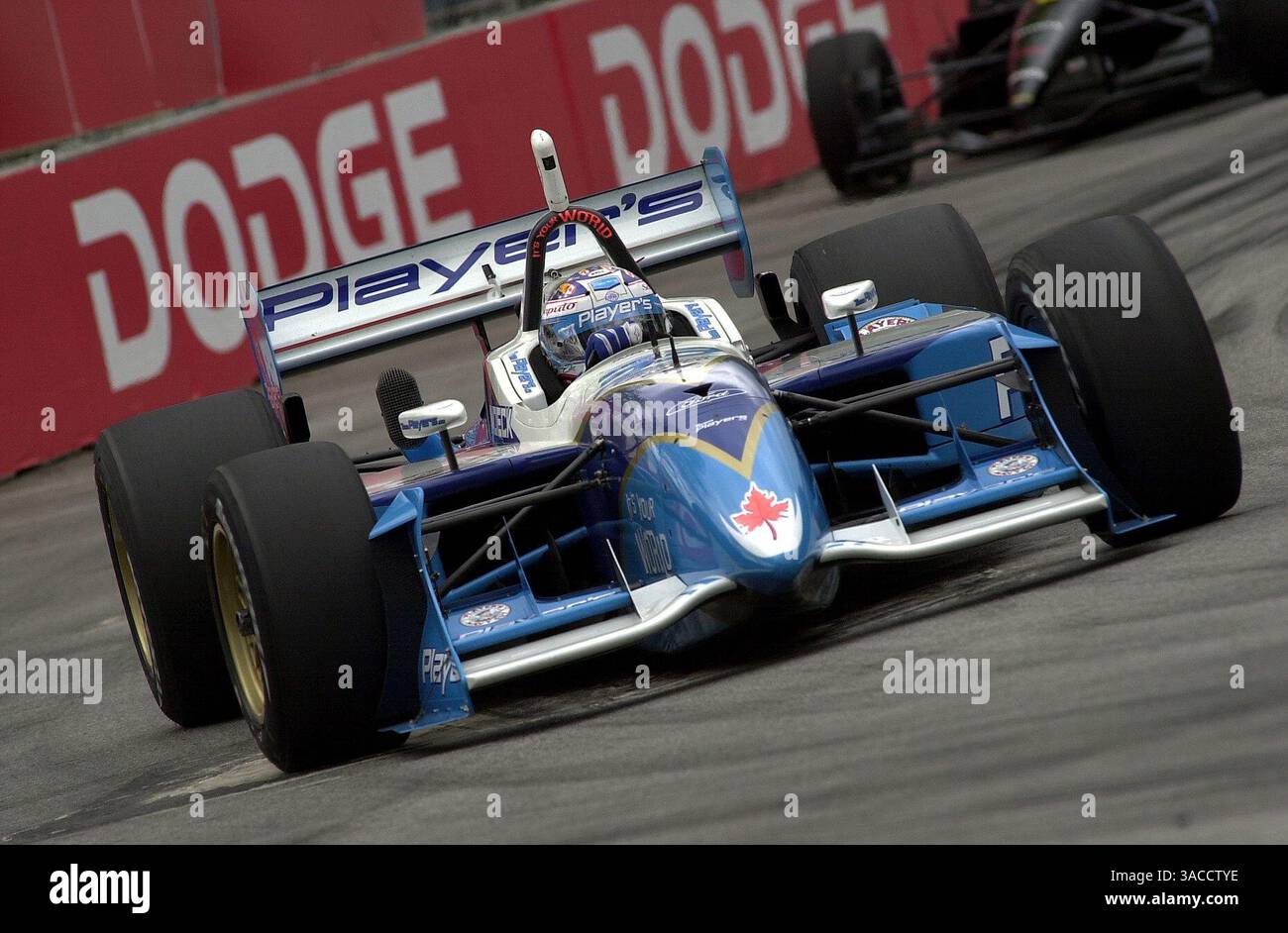
During the late 1990s and early 2000s, Champ Car was a premier global racing series with significant corporate backing. Drivers of Tagliani’s caliber—consistent podium finishers and pole-sitters—could command base salaries in the high six figures or low seven figures. Tagliani’s tenure with teams like Forsythe Racing and Team Players was particularly significant. The "Players" branding was part of a massive tobacco sponsorship era where budgets were expansive, and driver compensation reflected that.
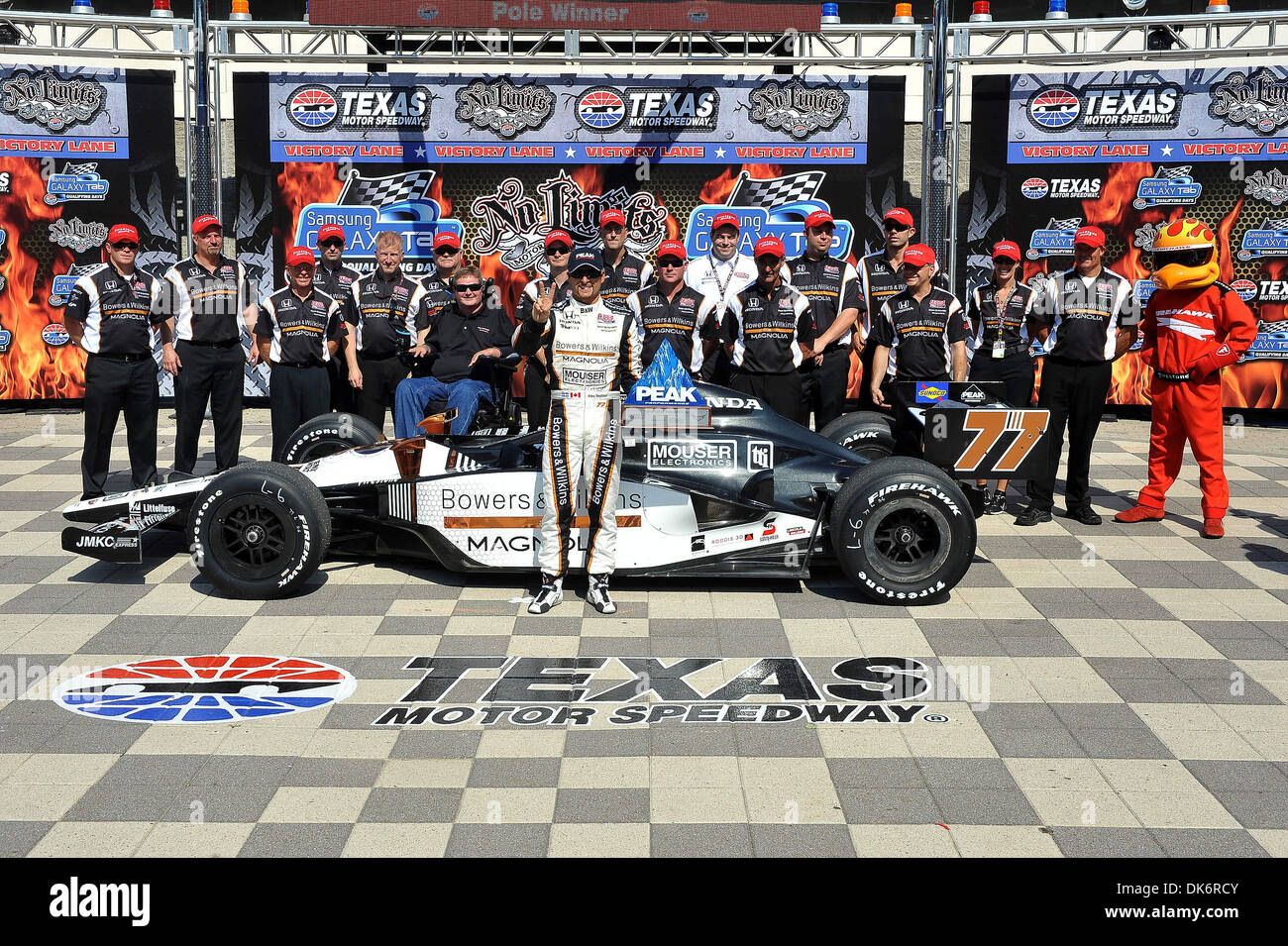
When Champ Car merged with the Indy Racing League to form the modern IndyCar Series, the financial landscape shifted. Prize money became more centralized through the "Leaders Circle" program. Tagliani’s career highlight during this period was winning the pole position for the 100th anniversary of the Indianapolis 500 in 2011. While the pole award itself carries a cash prize (often around $100,000), the true value lies in the "incidental" earnings: increased personal sponsorship rates, appearance fees, and the long-term branding power that comes with being an Indy 500 pole winner.
Transition to NASCAR Pinty’s Series
In the latter part of his career, Tagliani shifted focus toward the NASCAR Pinty’s Series in Canada. While the raw prize money in regional NASCAR series is lower than in the IndyCar Series, the "context" of his net worth here is found in sponsorship retention. Tagliani became a household name in Quebec and across Canada, allowing him to secure primary sponsorships from major brands like Lowe's, St-Hubert, and Epipen. These deals are often structured as multi-year partnerships where the driver acts as a brand ambassador, providing a more stable and predictable income stream than fluctuating race winnings.
Diversification: The Tagliani Brand and Business Ventures
A significant portion of Tagliani’s current net worth in 2026 does not come from the driver’s seat, but from his savvy as an entrepreneur. High-level athletes often struggle with the "retirement cliff," where income drops once they stop competing. Tagliani mitigated this risk by diversifying his portfolio early.
Tagliani Karting and Amusement Centers
One of Tagliani’s most robust assets is the Tagliani Karting center. Located in Sainte-Thérèse, Quebec, this facility represents a multi-million dollar investment in the "eatertainment" sector. It is not merely a racetrack but a full-scale family entertainment complex featuring state-of-the-art electric karts, axe throwing, and high-end dining.
The business model for such a facility is capital-intensive but offers high margins once established. By leveraging his name to draw in corporate events and racing enthusiasts, Tagliani has created a self-sustaining revenue stream that is independent of his personal racing schedule. In the context of 2026, the valuation of this real estate and business entity forms a large pillar of his total wealth.
The Food Industry and Tagliani Brand Products
Tagliani also ventured into the consumer goods market. For several years, "Tagliani" branded food products, including pasta sauces and Italian-inspired items, were available in major Canadian grocery chains. While the competitiveness of the retail food industry is intense, these ventures served two purposes: generating direct licensing revenue and maintaining high brand visibility. Even as some specific product lines rotate, the "Tagliani" name remains a marketable asset in the lifestyle and culinary space.
Strategic Endorsements and Brand Ambassadorships
Tagliani’s net worth is also bolstered by his long-standing relationship with Pfizer Canada and the Epipen brand. This is a rare example of a "purpose-driven" sponsorship. As someone who lives with life-threatening food allergies, Tagliani became the face of allergy awareness in motorsports.
Unlike a standard "sticker on the car" deal, this partnership involved national speaking tours, educational campaigns, and long-term contracts. Such deep-rooted corporate alignments are generally more lucrative and durable than traditional athletic endorsements. They provide a "retainer" style income that persists regardless of the driver's finish on Sunday.
| Revenue Stream Category | Estimated Contribution to Net Worth | Primary Context |
|---|---|---|
| Professional Racing Contracts | 30% | Historic earnings from Champ Car/IndyCar/NASCAR. |
| Business Ownership (Karting) | 35% | Tangible assets, real estate, and operational cash flow. |
| Corporate Ambassadorships | 20% | Long-term deals with Epipen, St-Hubert, and Lowe's. |
| Personal Assets & Investments | 15% | Real estate, private collections, and market investments. |
Comparative Context: Tagliani vs. Peers
To understand if a $5M to $8M net worth is "high" or "low," we must compare Tagliani to his contemporaries.
- The Formula 1 Elite: Compared to a driver like Jacques Villeneuve (whose net worth is estimated in the $20M-$50M range), Tagliani’s wealth is modest. However, Villeneuve benefited from the astronomical salaries of 1990s Formula 1.
- The IndyCar Journeyman: Many drivers who participated in IndyCar for a few seasons often leave the sport with little to show for it after paying for their seats. Tagliani is in the upper echelon of drivers who successfully turned a racing career into a permanent "brand."
- The Canadian Regional Context: Within the Canadian motorsport landscape, Tagliani is one of the most financially successful figures. His ability to bridge the gap between English and French-speaking markets in Canada doubled his "marketable surface area" for sponsors.
Real Estate and Lifestyle Assets
While Tagliani is relatively private about his personal holdings, his lifestyle and public appearances reflect a successful professional profile. His primary residence in Quebec and his involvement in the Mont-Tremblant racing community suggest a real estate portfolio that has appreciated significantly over the last decade. Furthermore, his personal collection of racing memorabilia and vintage karts represents a niche but appreciating asset class.
Financial Resilience and Management
It is worth noting that Tagliani’s financial health in 2026 is a testament to his resilience. Professional racing is a sport of high volatility. Teams go bankrupt, sponsorships are canceled on short notice, and injuries can end careers instantly. Tagliani survived the "Split" in American open-wheel racing, which saw many drivers lose their livelihoods. His ability to maintain a consistent presence in the NASCAR Pinty’s Series ensured that he never had a "gap year" in his earnings, allowing his investments to compound over time.
Frequently Asked Questions
Did Alex Tagliani ever race in Formula 1?
No, Alex Tagliani never raced in Formula 1. His primary career was spent in North American open-wheel racing (Champ Car and IndyCar) and NASCAR. While F1 drivers typically have higher net worths due to global scale, Tagliani maximized his earnings within the North American market through localized business ventures.
How much does an Indy 500 pole winner earn?
The prize for winning the pole position at the Indianapolis 500 varies by year but typically ranges from $80,000 to $100,000. However, the indirect financial benefits—such as bonuses from personal sponsors and increased demand for appearance fees—can be worth several times the initial prize amount.
Is Tagliani Karting his main source of income now?
By 2026, the Tagliani Karting and Amusement centers likely represent his most significant source of active business income. While he still earns from racing and endorsements, the scalable nature of an entertainment venue provides more long-term financial stability than the performance-based nature of racing.
How do his allergies affect his sponsorship deals?
Tagliani’s life-threatening allergy to nuts became a cornerstone of his professional brand. By partnering with Epipen (Pfizer Canada), he turned a personal health challenge into a unique marketing niche. This allowed him to access sponsorship budgets from the pharmaceutical sector, which rarely invests in motorsports.
What is Alex Tagliani's role in 2026?
In 2026, Tagliani remains a prominent figure in Canadian motorsports, serving as a mentor to younger drivers, a business owner, and a part-time competitor in specialized events. His focus has shifted from full-time championship chasing to managing his "Tagliani Brands" portfolio and expanding his karting facilities.
Practical Recommendation for Fans and Analysts
When evaluating the net worth of an athlete like Alex Tagliani, it is crucial to look beyond the "purse strings" of race results. For those interested in the business of sports, Tagliani serves as a primary case study in regional brand optimization.
If you are analyzing his financial trajectory, focus on his ability to maintain sponsorship longevity. Most racing sponsorships last 1–3 years; Tagliani has maintained some partnerships for over a decade. This consistency is the true engine behind his $5M to $8M net worth. For aspiring athletes, the lesson is clear: individual race wins provide a "spike" in wealth, but a diversified business portfolio and a clear brand identity provide "stability."