When evaluating the complex relationship between alcohol consumption and cognitive health, findings from Harvard-affiliated researchers provide critical clarity on how moderate versus heavy drinking impacts long-term brain function. Rather than offering a simple pass or fail for alcohol use, these large-scale epidemiological studies highlight a nuanced risk profile where lifestyle factors, overall health, and exact consumption volumes heavily dictate outcomes.
Introduction to Harvard's Research on Alcohol and Brain Health
For decades, public health messaging regarding alcohol has oscillated between warnings of universal harm and moderate claims of cardioprotection or neuroprotection. To parse through these contradictions, researchers from institutions like the Harvard T.H. Chan School of Public Health and affiliated medical centers have repeatedly examined prospective cohort studies, such as the Nurses' Health Study and the Health Professionals Follow-up Study. These extensive projects track participants over decades, recording lifestyle habits, dietary choices, and cognitive changes over time.
The primary consensus emerging from Harvard-associated research is that while heavy, chronic alcohol consumption is an independent and definitive risk factor for cognitive decline, vascular dementia, and alcohol-related brain damage, the impact of light to moderate drinking is less uniform. Understanding these nuances requires looking closely at how ethanol interacts with the cardiovascular system, neuroinflammation, and brain volume over a human lifespan.
Note: This article is for informational and educational purposes only and does not constitute medical, neurological, or psychiatric advice. Anyone with concerns regarding their cognitive health, alcohol consumption, or substance use should consult a qualified healthcare professional.
Methodological Strengths of Harvard-Affiliated Cohorts
To evaluate the reliability of any study concerning alcohol and dementia, one must examine its methodology. Harvard researchers have predominantly utilized prospective cohort studies, which offer distinct advantages over retrospective or cross-sectional designs.
Prospective Tracking vs. Retrospective Recall
In a prospective cohort study, participants report their alcohol intake and lifestyle habits periodically before they develop cognitive impairment or dementia. This eliminates "recall bias," a common flaw in retrospective studies where individuals already experiencing memory loss misreport their past drinking behaviors. Furthermore, these cohorts often track tens of thousands of individuals, providing enormous statistical power.
Controlling for Confounders
A major challenge in nutritional and lifestyle epidemiology is confounding. People who drink moderate amounts of alcohol—such as a glass of red wine with dinner—often exhibit other healthy behaviors, including higher socioeconomic status, better diets, regular physical exercise, and lower rates of smoking. Harvard analyses routinely adjust for these variables using multivariable regression models, attempting to isolate the independent effect of alcohol itself from the broader lifestyle matrix.
The Dual Nature of Alcohol: Neuroprotection vs. Neurotoxicity
The biological mechanisms linking alcohol to brain health are bifurcated, depending almost entirely on dosage and frequency.
| Low-to-Moderate Intake | Heavy/Chronic Intake |
|---|---|
| - Potential cardiovascular support | - Direct neurotoxicity |
| - Possible anti-inflammatory effects | - Brain atrophy and volume loss |
| - Improved insulin sensitivity | - Thiamine deficiency (Wernicke) |
Mechanisms of Harm at High Volumes
Chronic heavy drinking—typically defined as exceeding standard guidelines of moderate intake—exerts profound neurotoxic effects. Ethanol and its metabolite, acetaldehyde, promote oxidative stress, generate reactive oxygen species, and trigger neuroinflammation. Over time, this leads to structural brain changes, including cortical atrophy, white matter damage, and loss of hippocampal volume.
Additionally, chronic heavy alcohol use frequently leads to nutritional deficiencies, most notably vitamin B1 (thiamine). Thiamine deficiency can precipitate Wernicke-Korsakoff syndrome, a severe neurological disorder characterized by profound memory loss and confabulation. Furthermore, heavy drinking elevates the risk of hypertension, stroke, and cerebrovascular disease, all of which strongly drive vascular dementia.
The Hypothetical Benefits of Moderate Consumption
Conversely, observational analyses frequently observe a J-shaped or U-shaped curve regarding moderate alcohol intake and cognitive decline. In these models, light-to-moderate drinkers (e.g., up to one drink per day for women, up to two for men) sometimes demonstrate a slightly lower risk of cognitive impairment compared to heavy drinkers and, in some analyses, lifetime abstainers.
Researchers attribute this potential benefit to vascular pathways. Moderate alcohol consumption can modestly increase high-density lipoprotein (HDL) cholesterol, improve insulin sensitivity, and possess mild anti-inflammatory and anticoagulant properties. Because healthy cerebral blood flow is essential for maintaining cognitive function, these vascular protections may help stave off vascular dementia.
Key Findings: Dissecting the Data on Dementia Subtypes
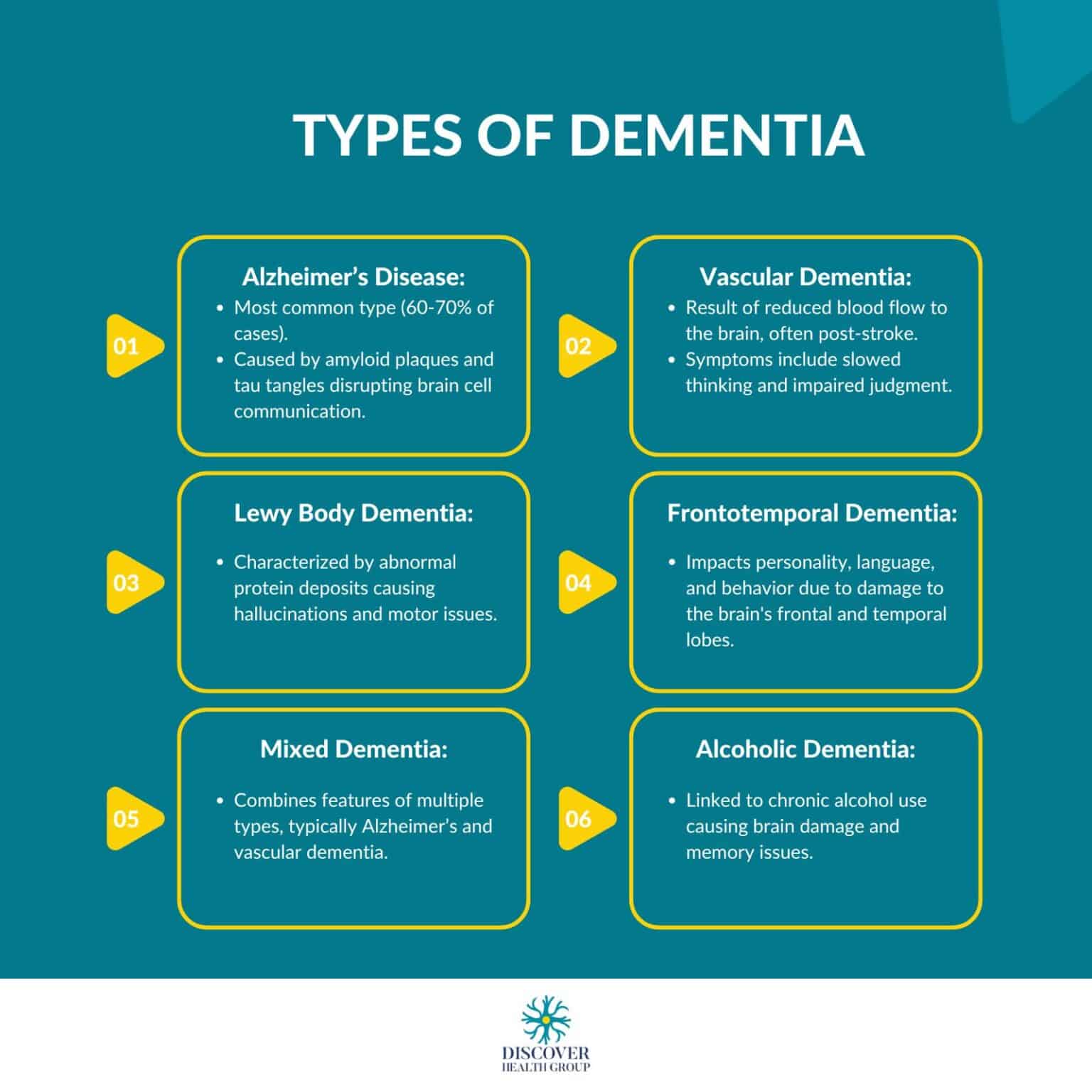
Dementia is not a single disease but an umbrella term for a decline in mental ability severe enough to interfere with daily life. Alzheimer's disease and vascular dementia are the two most common forms, and lifestyle factors impact them differently.
Alzheimer's Disease and Amyloid Plaques
Alzheimer's disease is characterized by the accumulation of amyloid-beta plaques and tau tangles in the brain. While some older epidemiological suggestions pointed toward a protective effect of moderate alcohol against Alzheimer's, more recent, genetically informed studies (such as Mendelian randomization analyses) cast doubt on a direct protective biochemical effect on amyloid pathology. Instead, researchers emphasize that any observed cognitive benefit from moderate drinking is likely mediated through vascular health rather than a direct reduction in Alzheimer's neuropathology.
Vascular Dementia and Stroke Risk
Because vascular dementia results from conditions that block or reduce blood flow to the brain, quietly starving brain cells of oxygen and nutrients, the cardiovascular effects of alcohol are paramount. Even mild-to-moderate drinking can elevate blood pressure in susceptible individuals, increasing stroke risk. When strokes occur—even silent mini-strokes—the cumulative damage accelerates the onset of vascular cognitive impairment.
Comparing Drinking Categories and Cognitive Outcomes
To synthesize how different levels of consumption impact neurological health, the following breakdown contrasts patterns evaluated in major epidemiological literature:
| Consumption Category | Estimated Volume | Primary Neurological Impact | Associated Risk Profile |
|---|---|---|---|
| Lifetime Abstainers | Zero alcohol | Baseline reference group; varies based on social/health status | Standard baseline risk for age-related cognitive decline. |
| Light to Moderate | 1–7 drinks/week (women)1–14 drinks/week (men) | Potential modest vascular benefits; minimal direct neurotoxicity | Often associated with stable cognitive outcomes in adjusted models, though residual confounding remains a debate. |
| Heavy / Binge | Exceeding moderate thresholds regularly | Direct neurotoxicity, cortical atrophy, cerebrovascular damage | Significantly elevated risk for all-cause dementia, vascular dementia, and alcohol-related brain damage. |
Limitations, Caveats, and Evolving Scientific Perspectives
While Harvard-affiliated studies provide robust observational data, modern researchers are increasingly vocal about the limitations of this body of work.
The Challenge of the "Abstainer" Control Group
A recurring methodological hurdle in alcohol research is the "sick quitter" effect. In many cohort studies, the control group of non-drinkers includes individuals who previously drank heavily but stopped due to health problems, medication use, or advancing age. This can artificially make moderate drinkers look healthier by comparison. When researchers rigorously separate lifetime abstainers from former drinkers, the protective associations of moderate alcohol often weaken or disappear entirely.
Shifting Public Health Guidelines
In light of modern analytical techniques—such as Mendelian randomization, which uses genetic variants to study the causal effects of lifestyle exposures—major health organizations have adjusted their stances. The World Health Organization (WHO) and other bodies state that no level of alcohol consumption is entirely safe for brain health or cancer prevention. While Harvard studies have historically highlighted the complex, multidimensional nature of human lifestyles, contemporary scientific consensus heavily leans toward advising against starting to drink for the explicit purpose of gaining health benefits.
Practical Guidance and Next Actions
For individuals looking to protect their cognitive health and lower their risk of dementia, translating epidemiological research into daily habits requires a balanced approach.
- Assess Current Consumption: Honestly evaluate personal drinking habits against standard public health guidelines for moderate intake.
- Prioritize Proven Interventions: Focus on lifestyle modifications with definitive, unarguable cognitive benefits, such as maintaining regular cardiovascular exercise, managing blood pressure and diabetes, eating a Mediterranean-style diet, securing adequate sleep, and staying cognitively and socially engaged.
- Consult Healthcare Providers: Discuss any concerns about memory, cognition, or alcohol use with a primary care physician or neurologist. Personalized medical guidance supersedes broad population-level epidemiological studies.