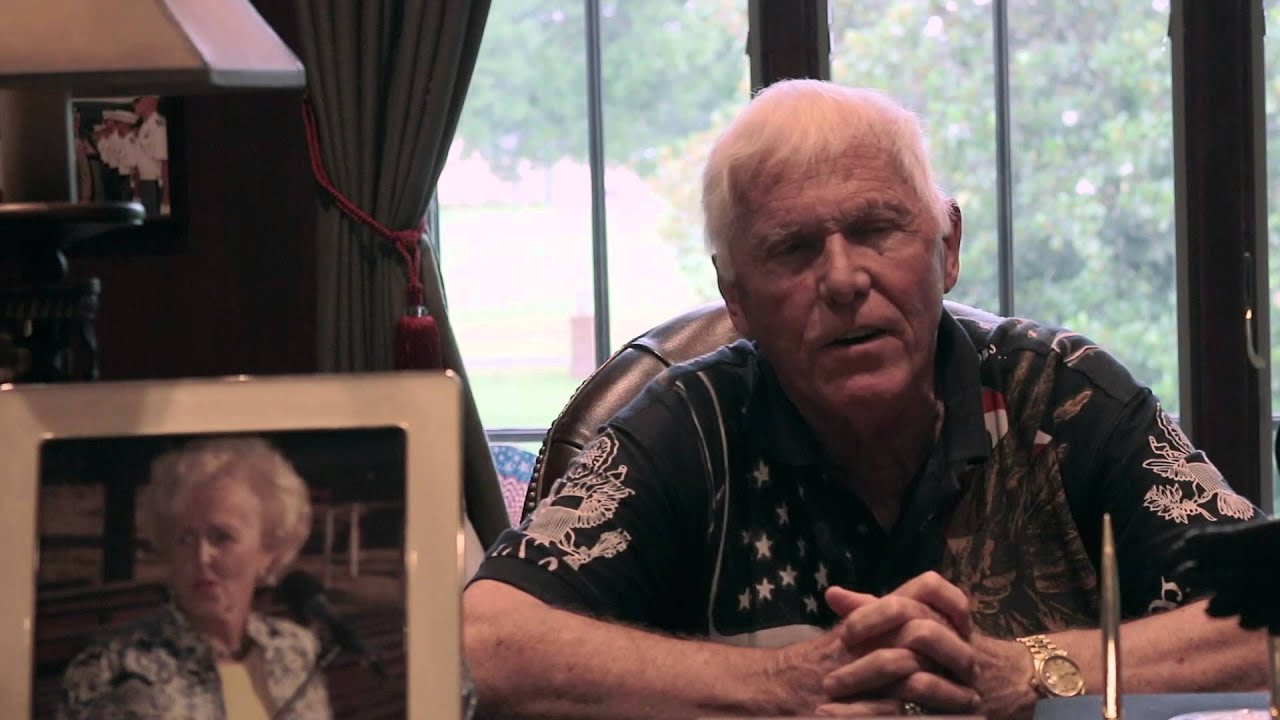
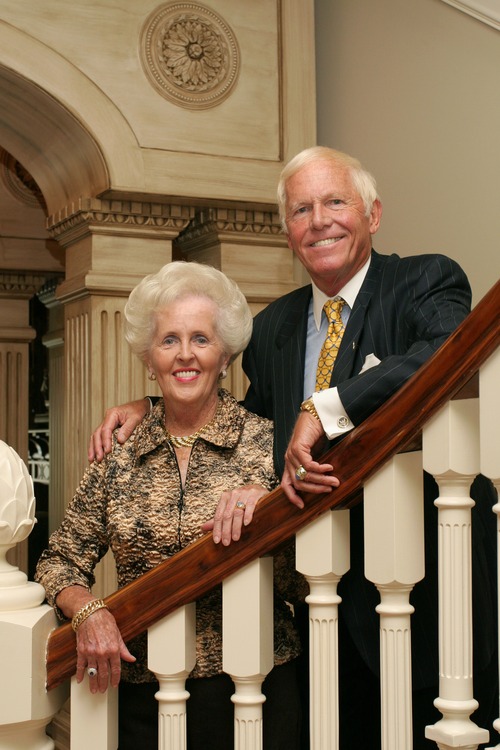
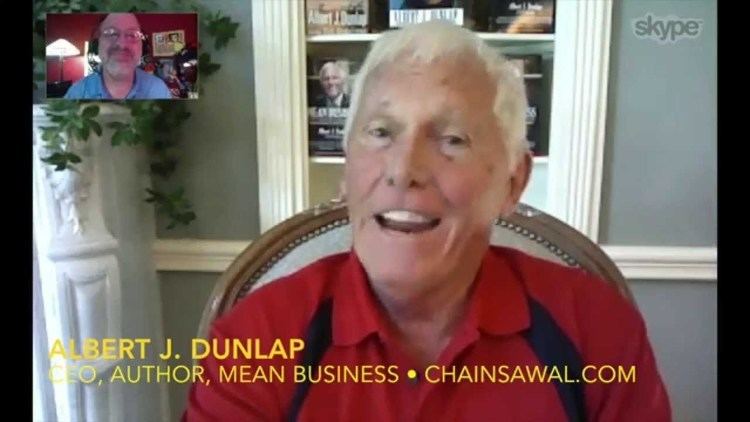
At the time of his death in 2019, Albert J. Dunlap’s net worth was estimated at approximately $100 million. His fortune was primarily built through high-stakes corporate turnarounds, massive severance packages, and aggressive cost-cutting measures at major American corporations, most notably his $100 million payout from the Scott Paper-Kimberly-Clark merger.
Albert J. Dunlap, famously known by the monikers "Chainsaw Al" and "Rambo in Pinstripes," remains one of the most polarizing figures in American business history. His career was defined by a ruthless commitment to shareholder value, often at the expense of thousands of jobs and the long-term stability of the companies he managed. While his methods were hailed by Wall Street in the mid-1990s, his legacy was eventually tarnished by accounting scandals and a lifetime ban from serving as an officer or director of a public company. As of 2026, his financial trajectory serves as a definitive case study in the "Greed is Good" era of corporate governance and the eventual regulatory backlash that followed.
The Architecture of a Turnaround Specialist's Wealth
To understand Albert Dunlap's net worth, one must examine the specific "Chainsaw" methodology he employed. Dunlap did not build companies; he "fixed" them for sale. His strategy followed a predictable and lucrative pattern: arrive at a struggling firm, terminate a significant percentage of the workforce, shutter factories, slash R&D budgets, and divest non-core assets. These actions invariably led to a short-term spike in stock price, allowing Dunlap to exit with massive bonuses and stock options.
Early Career Foundations
Dunlap’s wealth accumulation began long before he became a household name. After serving in the military and graduating from West Point, he applied military discipline to corporate environments. His early successes at companies like Lily-Tulip and Crown-Zellerbach established his reputation. At Lily-Tulip, he famously turned a $1.7 million loss into a $6.3 million profit in just one year. These early roles provided the seed capital and the track record necessary to demand the eight-figure contracts that would later define his career.
In the 1980s, Dunlap worked for Sir James Goldsmith, a renowned corporate raider. This period was crucial for his financial development, as he learned the intricacies of asset stripping and hostile takeovers. By the time he was tapped to lead Scott Paper in 1994, he was already a wealthy man, but it was his tenure there that catapulted him into the stratosphere of the ultra-wealthy.
The Scott Paper Windfall: A $100 Million Payday
The single most significant contribution to Albert Dunlap’s net worth came from his 18-month tenure at Scott Paper Company. When Dunlap took over in 1994, the company was stagnant. He immediately implemented his signature tactics, laying off 11,000 employees—approximately 35% of the workforce.
The financial results were immediate and dramatic. Scott Paper's stock price tripled during his brief tenure. In 1995, the company merged with Kimberly-Clark in a deal valued at $9.4 billion. As a result of this merger and his employment contract, Dunlap walked away with a compensation package estimated at $100 million, including salary, bonuses, and the gains from his stock options.
This payout became a flashpoint for critics of executive compensation. It proved that a CEO could generate immense personal wealth by focusing exclusively on short-term stock performance, a realization that made Dunlap a hero to certain investors and a villain to labor advocates.
The Sunbeam Collapse and Financial Repercussions
In 1996, Dunlap was hired to save Sunbeam Corporation, a manufacturer of household appliances. Investors were so optimistic about his arrival that Sunbeam's stock price jumped 50% in a single day. Initially, it appeared "Chainsaw Al" was repeating his Scott Paper success; the stock price soared from $12 to over $50.
However, the Sunbeam era would eventually lead to significant financial and legal setbacks for Dunlap. In 1998, it was revealed that the company’s "turnaround" was largely a mirage created by aggressive and fraudulent accounting practices, including "channel stuffing"—the practice of shipping products to retailers before they were ordered to inflate sales figures.
SEC Fines and Legal Settlements
The fallout from Sunbeam was both professional and financial. In 2002, Dunlap reached a settlement with the Securities and Exchange Commission (SEC). While he did not admit to wrongdoing, the financial and legal consequences were severe:
- Financial Penalty: Dunlap paid a $500,000 civil penalty to the SEC.
- Lifetime Ban: He was permanently barred from serving as an officer or director of any public company.
- Shareholder Litigation: Dunlap paid $15 million out of his own pocket to settle a class-action lawsuit brought by Sunbeam shareholders.
Despite these multimillion-dollar payouts, Dunlap’s net worth remained substantial. The $15 million settlement represented only a fraction of the wealth he had accumulated during the Scott Paper years and through his various investment portfolios.
Comparative Analysis of Major Payouts
The following table outlines the key financial milestones that defined Dunlap’s wealth throughout his career.
| Company/Event | Tenure | Primary Financial Outcome | Estimated Personal Gain |
|---|---|---|---|
| Lily-Tulip | 1983–1986 | Successful IPO/Sale | ~$5 Million |
| Consolidated Press | 1991–1993 | Management Fees/Bonuses | ~$10 Million |
| Scott Paper | 1994–1995 | Kimberly-Clark Merger | ~$100 Million |
| Sunbeam Corp | 1996–1998 | Salary & Stock Sales | ~$20 Million (Pre-settlement) |
| SEC Settlement | 2002 | Legal Fines/Payments | (-$15.5 Million) |
| FSU Donations | 2011–2018 | Philanthropic Outflow | (-$20+ Million) |
Philanthropy and the Florida State University Legacy
In his later years, Dunlap focused on rehabilitating his image through large-scale philanthropy, particularly at Florida State University (FSU). His donations were a significant factor in the final valuation of his estate.
In 2011, Albert and his wife, Judy Dunlap, pledged $10 million to FSU to establish the Albert J. and Judith A. Dunlap Student Success Center. They later donated an additional $10 million to the FSU Athletics department, leading to the creation of the Albert J. Dunlap Athletic Training Facility. In total, the Dunlaps contributed more than $20 million to the university.
These donations suggest that even after his legal troubles and the Sunbeam collapse, Dunlap maintained a highly liquid and robust investment portfolio. Financial analysts of the era noted that his wealth was likely diversified into private equity and real estate, shielding him from the volatility of the public markets he was no longer allowed to manage.
Assessing the Sources of Wealth: Salary vs. Options
The core of Dunlap's $100 million+ net worth was not his base salary, which typically hovered around $1 million per year. Instead, his wealth was a product of leveraged equity.
- Stock Options: Dunlap insisted on contracts that heavily rewarded stock price appreciation. At Scott Paper, the rapid rise in share price meant his options were "in the money" by tens of millions of dollars within months.
- Severance Clauses: Dunlap pioneered the use of "golden parachutes." His contracts were structured so that even if he were fired (as he eventually was at Sunbeam), he would still receive massive payouts.
- Investment Management: Post-Sunbeam, Dunlap lived a relatively private life in Ocala, Florida. His estate was managed through private trusts, which allowed his initial $100 million windfall to grow through compound interest and conservative market investments over two decades.
The Ethical and Financial Debate
Albert Dunlap’s net worth is often cited in discussions regarding the "Social Cost of Capital." While he successfully generated billions of dollars in market capitalization for shareholders, critics point to the massive human cost. The 11,000 jobs cut at Scott Paper and the thousands more at Sunbeam created a ripple effect in the American manufacturing sector.
From a purely technical SEO and financial analysis perspective, Dunlap's wealth is a testament to the "Shareholder Primacy" model of the 1990s. This model argued that the sole purpose of a corporation is to maximize wealth for its owners. Dunlap was the ultimate instrument of this philosophy. His ability to maintain a nine-figure net worth despite a career-ending scandal highlights the enduring nature of executive wealth once a certain threshold of capital is reached.
Frequently Asked Questions
What was Albert J. Dunlap’s net worth when he died?
At the time of his death in January 2019, Albert Dunlap's net worth was estimated to be approximately $100 million. While his career ended in 1998 following the Sunbeam scandal, his previous earnings from Scott Paper and subsequent investment growth allowed him to maintain this level of wealth.
How much did Albert Dunlap make from Scott Paper?
Dunlap earned roughly $100 million from his 18-month tenure at Scott Paper. This payout included a $20 million retirement package, millions in stock options, and salary/bonuses triggered by the merger with Kimberly-Clark.
Why was Albert Dunlap banned from being a CEO?
The SEC issued a lifetime ban against Dunlap in 2002 following an investigation into accounting fraud at Sunbeam Corporation. The SEC alleged that Dunlap and his team used fraudulent techniques to hide the company's poor financial health and mislead investors.
Did Albert Dunlap lose his money after the Sunbeam scandal?
No. While he paid $15 million in a shareholder settlement and a $500,000 SEC fine, these amounts were small compared to the $100 million he had secured from Scott Paper. He remained a very wealthy man for the rest of his life.
How much did Al Dunlap donate to Florida State University?
Albert and Judy Dunlap donated over $20 million to Florida State University. Their contributions funded several major projects, including the Dunlap Student Success Center and the Albert J. Dunlap Athletic Training Facility.
Conclusion and Final Considerations
The financial legacy of Albert J. Dunlap is a complex narrative of rapid accumulation, aggressive management, and regulatory fallout. His estimated $100 million net worth was a direct byproduct of a specific era in American business—one that prioritized immediate stock gains over organizational longevity.
For modern investors and business students, Dunlap’s career serves as a cautionary tale. While his financial success was undeniable, the methods used to achieve it led to his permanent expulsion from the corporate world. His wealth remained intact largely because he secured his fortune before his tactics were fully scrutinized by regulators. Today, his estate stands as a reminder of the massive rewards—and the significant risks—associated with the "Chainsaw" approach to corporate leadership.