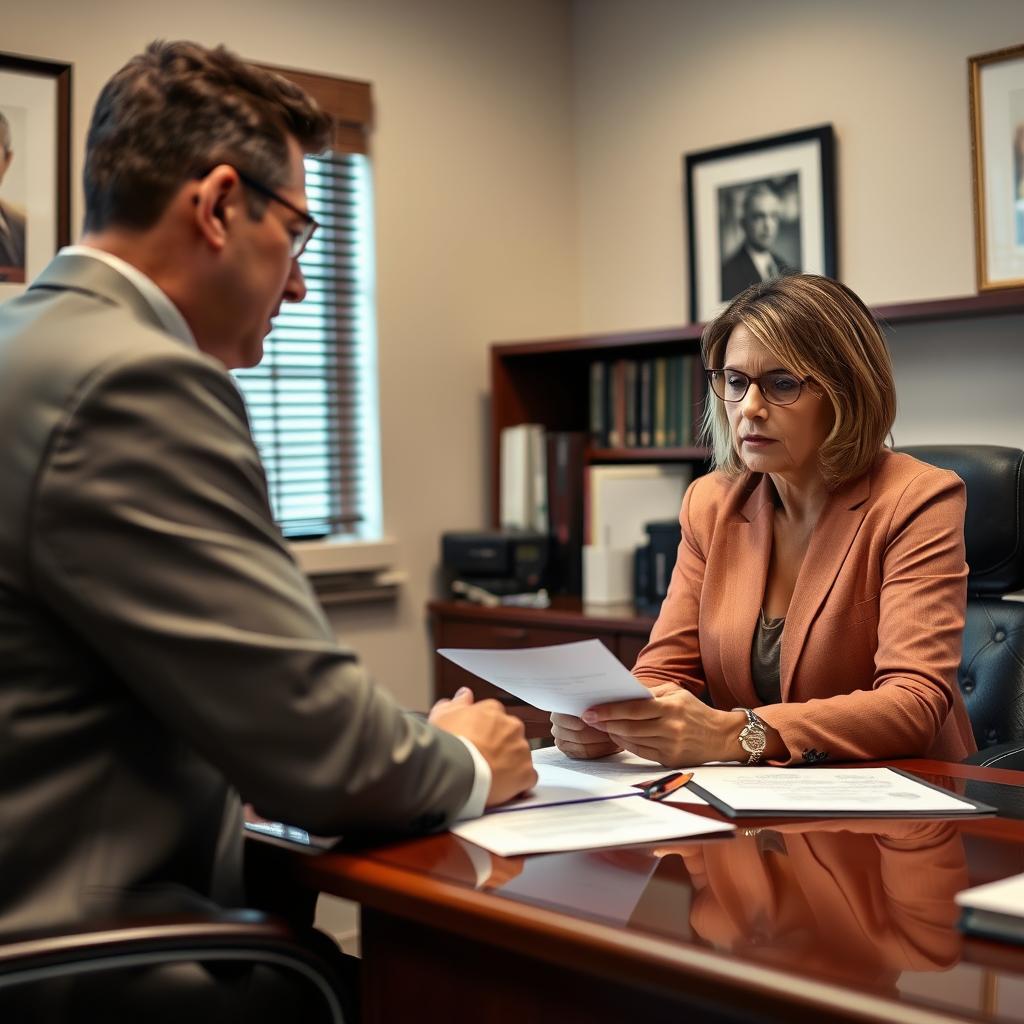
Navigating the criminal justice system in Albany, New York, requires a strategic understanding of local court procedures, state statutes, and the specific tendencies of the Albany County District Attorney’s Office. An Albany criminal lawyer serves as an essential advocate, managing everything from the initial arraignment and discovery review to plea negotiations and jury trials. In 2026, successful defense hinges on navigating New York’s rigorous discovery timelines and leveraging local jurisdictional knowledge to protect a defendant’s constitutional rights and future opportunities.
The Landscape of Criminal Defense in Albany, New York
Albany functions as the administrative and legal hub of New York State. Consequently, the criminal justice environment here is more complex than in surrounding rural counties. Cases are primarily funneled through two main venues: the Albany City Court and the Albany County Court.
For those facing charges, it is vital to distinguish where their case will be heard. Albany City Court, located at 1 Morton Avenue, typically handles misdemeanors, violations, and the initial stages of felony cases (such as the preliminary hearing). If a case involves a felony and is presented to a grand jury, it moves to the Albany County Court at the Albany County Courthouse on Eagle Street.
The prosecutorial philosophy in Albany is shaped by the Albany County District Attorney’s Office. By 2026, the office continues to balance traditional prosecution with various diversion programs, such as Drug Court or Veterans Court. A knowledgeable Albany criminal lawyer understands how to present a client as a candidate for these alternative resolutions, which can lead to dismissed charges or reduced sentencing in exchange for rehabilitation.
Critical Stages of an Albany Criminal Case
The timeline of a criminal case in New York is strictly regulated by the Criminal Procedure Law (CPL). Understanding these stages allows defendants to work more effectively with their legal counsel.
1. The Arrest and Pre-Arraignment
Following an arrest by the Albany Police Department (APD) or the New York State Police, an individual is usually taken to a local precinct for booking. This is the most vulnerable time for a defendant. An experienced lawyer will advise their client to exercise their right to remain silent immediately. In Albany, many arrests result in "Appearance Tickets" for lower-level offenses, but serious charges will lead to the defendant being held in custody until they can be seen by a judge.
2. Arraignment: The First Court Appearance
The arraignment is the formal reading of charges. In Albany, judges make critical decisions regarding bail or "Release on Recognizance" (ROR) during this phase. Although New York's bail reform laws have significantly limited the instances where cash bail can be set for non-violent felonies and misdemeanors, judges still retain discretion for "qualifying offenses." Your lawyer’s primary goal here is to secure your release so you can assist in your defense from outside a jail cell.
3. The Discovery Phase and CPL 245
New York’s discovery laws (CPL 245) are among the most robust in the United States. As of 2026, the prosecution is required to turn over all evidence—police reports, body camera footage, witness statements, and forensic data—within a strict timeframe (typically 20 to 35 days from arraignment).
An Albany criminal lawyer must meticulously review this "discovery dump." If the prosecution fails to provide this evidence in a timely manner, the lawyer may file a motion to dismiss based on "speedy trial" violations (CPL 30.30). This procedural leverage is often the difference between a conviction and a dismissal.
4. Motion Practice and Suppression Hearings
Before a case goes to trial, defense attorneys often engage in motion practice. This involves asking the court to "suppress" or throw out evidence that was obtained illegally. Common hearings in Albany include:
- Huntley Hearings: To challenge the voluntariness of a defendant’s statement to police.
- Mapp Hearings: To challenge the legality of a physical search or seizure.
- Wade Hearings: To challenge the procedures used by police for witness identification.
Common Charges and Defense Strategies in Albany
The Capital Region sees a high volume of specific case types. Defense strategies must be tailored to the nuances of these charges under New York Penal Law.
Driving While Intoxicated (DWI)
Albany County takes a hardline stance on DWI. Prosecutors often look for "Aggravated DWI" charges if a Blood Alcohol Content (BAC) is .18% or higher. A specialized Albany criminal lawyer will investigate the calibration records of the breathalyzer used by the APD and the legality of the initial traffic stop on local roads like Central Avenue or Western Avenue. Furthermore, counsel will represent the client at the Department of Motor Vehicles (DMV) Refusal Hearing to attempt to save their driving privileges.
Drug Offenses and the "War on Drugs" Evolution
While New York has legalized adult-use cannabis, the sale and possession of "controlled substances" (such as fentanyl, cocaine, or illegally obtained prescription pills) remain high-priority prosecutions. Defense in these cases often centers on "constructive possession"—arguing that just because drugs were found in a vehicle or home doesn't mean the defendant had knowledge or control over them.
Violent Crimes and Weapons Possession
Albany has seen significant enforcement regarding "unlawful possession of a weapon." Because New York has some of the strictest gun laws in the country, even a first-time offender can face mandatory minimum prison sentences for a loaded firearm. Defense attorneys in 2026 frequently focus on the Fourth Amendment, challenging the "reasonable suspicion" officers used to conduct a frisk or vehicle search.
Comparison of Legal Representation Options
Choosing between the Public Defender’s office and a private Albany criminal lawyer depends on financial eligibility and the complexity of the case.
| Feature | Albany County Public Defender | Private Criminal Defense Lawyer |
|---|---|---|
| Cost | Free for those who qualify financially. | Retainer-based (ranges from $2,500 to $25,000+). |
| Caseload | Extremely high; limited time per client. | Controlled; allows for deep-dive investigation. |
| Specialization | Generalists across various criminal codes. | Often specializes in specific niches (DWI, White Collar). |
| Communication | Often limited to court dates. | Direct access via phone, email, or private office. |
| Resources | State-funded investigators/experts. | Private investigators and independent forensic labs. |
Attorney Fees and Costs in 2026
In 2026, the cost of hiring a criminal lawyer in Albany reflects the complexity of the New York penal system and the rising costs of legal practice. Most private attorneys use one of two fee structures:
- Flat Fee: Common for predictable cases like a first-time DWI or a low-level misdemeanor. For a misdemeanor in Albany, flat fees typically range from $3,000 to $7,500.
- Hourly Retainer: Common for serious felonies or cases expected to go to trial. Retainers often start at $10,000 to $15,000, with hourly rates for senior Albany partners ranging from $350 to $600 per hour.
It is important to clarify whether the fee includes "trial costs." Some lawyers charge a base fee for negotiations and an additional "trial " kicker if the case cannot be resolved through a plea bargain.
Essential Qualities of a Top Albany Defense Attorney
When searching for legal counsel, residents of the Capital District should prioritize specific professional traits:
- Local Jurisdictional Knowledge: Every judge in the Albany City and County courts has different preferences for how motions are argued and how pleas are conducted. A lawyer who "lives" in these courts daily has a distinct advantage over an out-of-town attorney.
- Proven Trial Record: While most cases end in a plea, the best plea deals are offered to lawyers who the prosecution knows are willing and able to win at trial.
- Transparency regarding Outcomes: Avoid any lawyer who guarantees a specific result. The legal system is unpredictable; look for an attorney who provides a "best-case/worst-case" analysis based on current 2026 case law.
- Technological Proficiency: In 2026, criminal defense involves analyzing vast amounts of digital evidence (GPS data, social media records, and surveillance). Your lawyer should have the infrastructure to manage these digital files efficiently.
Navigating the Albany County DA’s Diversion Programs
The Albany County District Attorney’s Office offers several programs aimed at "Alternative to Incarceration" (ATI). A strategic lawyer will often push for these early in the process.
- Law Enforcement Assisted Diversion (LEAD): This program allows officers to redirect individuals to community-based services instead of jail for certain low-level offenses related to poverty or addiction.
- Judicial Diversion for Felony Drug Offenders: Under CPL Article 216, certain felony offenders can undergo court-monitored treatment. Successful completion can lead to the charges being reduced or dismissed.
- Clean Slate Act Considerations: With New York's Clean Slate Act in full effect by 2026, a lawyer’s job also involves advising clients on how a current plea might affect the future automatic sealing of their records.
Frequently Asked Questions
What should I do if the police contact me in Albany?
Do not provide a statement. Politely inform the officer that you are exercising your right to remain silent and that you wish to speak with an attorney. In Albany, even "informal" conversations at the precinct are often recorded and used as evidence to establish intent or presence at a crime scene.
Can a lawyer get my charges dropped before the first court date?
While rare, a lawyer can sometimes intervene with the District Attorney's office before an accusatory instrument is filed. This is known as "pre-file intervention." If your lawyer can present exculpatory evidence immediately, the DA may choose not to move forward with the case.
How long does a criminal case take in Albany County?
Due to the 2026 court schedules and discovery requirements, a misdemeanor might be resolved in 3 to 6 months. Felony cases, particularly those involving violent crimes or complex financial fraud, can take 12 to 24 months to reach a resolution or trial.
Will I go to jail for a first-time offense in Albany?
New York's sentencing guidelines and bail laws favor non-incarceratory sentences for most first-time, non-violent offenders. However, certain "Strict Liability" crimes or those involving weapons carry mandatory sentences. An attorney will work to negotiate a "split sentence" (probation plus community service) or a conditional discharge.
What is the difference between a misdemeanor and a felony in New York?
A misdemeanor is a crime punishable by up to one year in local jail (such as the Albany County Correctional Facility). A felony is a more serious crime punishable by more than one year in a New York State prison. Felonies also result in the permanent loss of certain civil rights, such as the right to possess a firearm.
Final Recommendation for Those Facing Charges
If you or a loved one are facing criminal charges in Albany, the most critical window for your defense is the first 48 hours. Secure a lawyer who understands the local court ecosystem and has a clear plan for managing the discovery process. Prioritize an attorney who offers a detailed written retainer agreement and demonstrates a clear understanding of the 2026 legal landscape in New York State. Early intervention is the most effective way to protect your rights, your reputation, and your freedom.