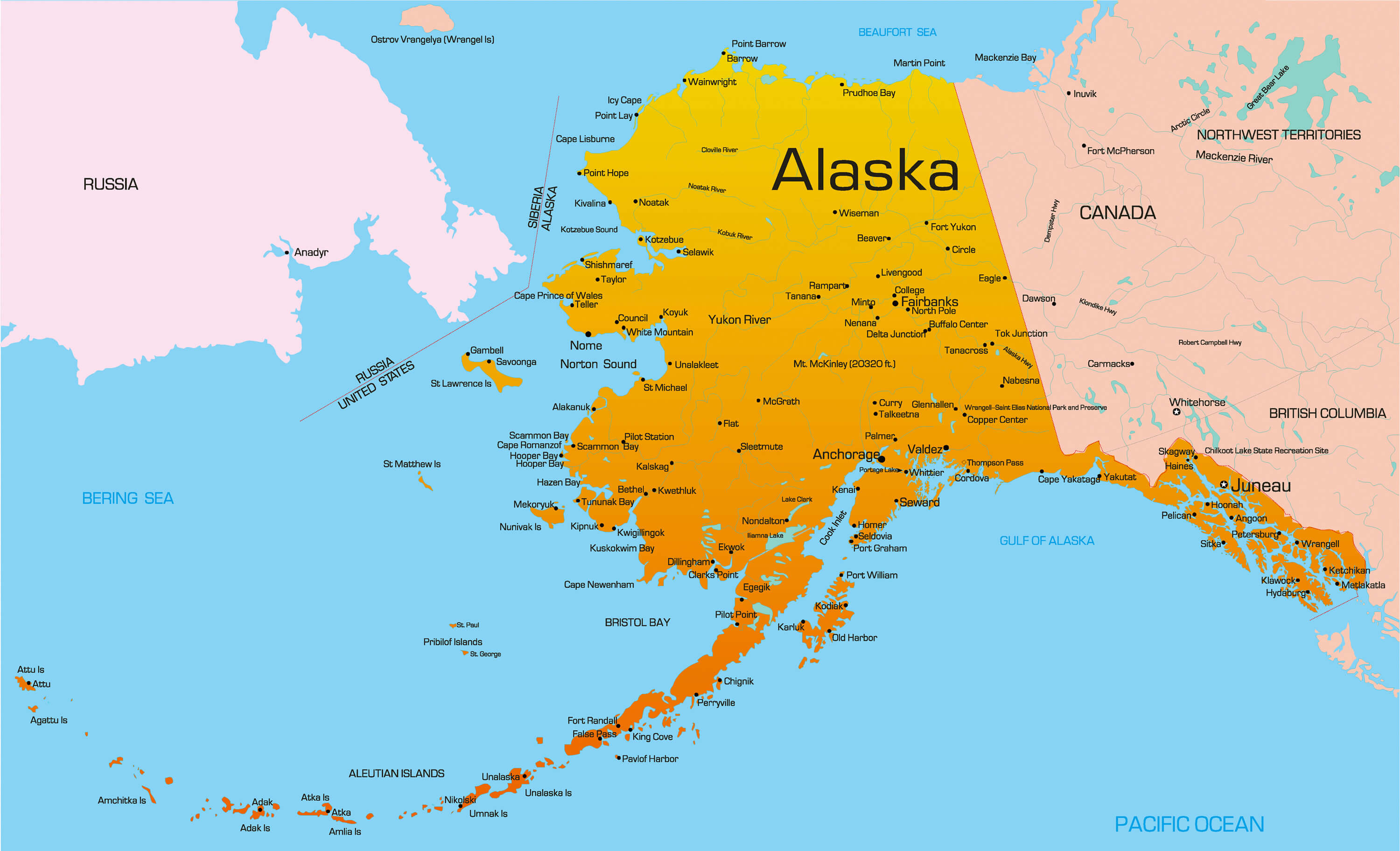
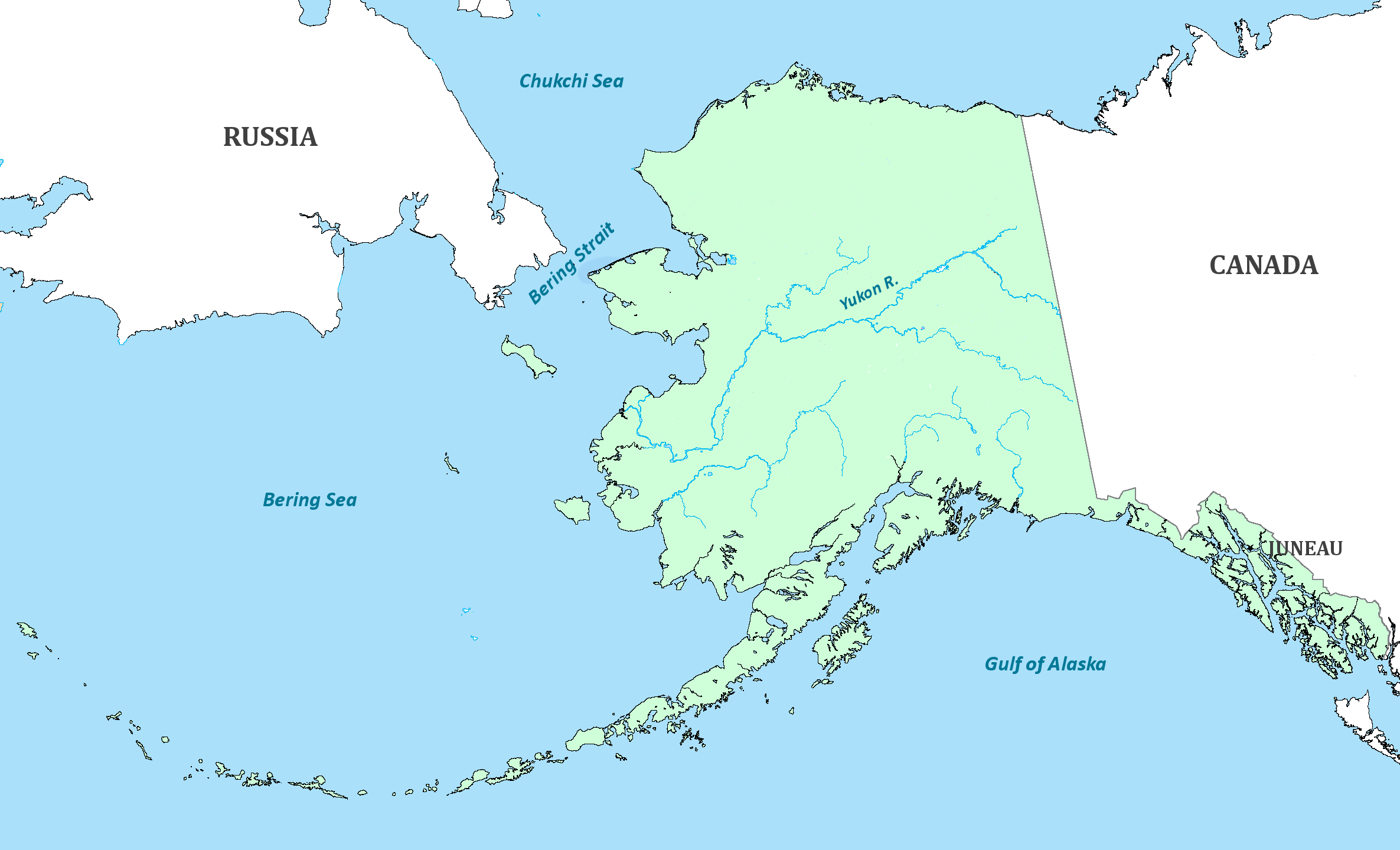
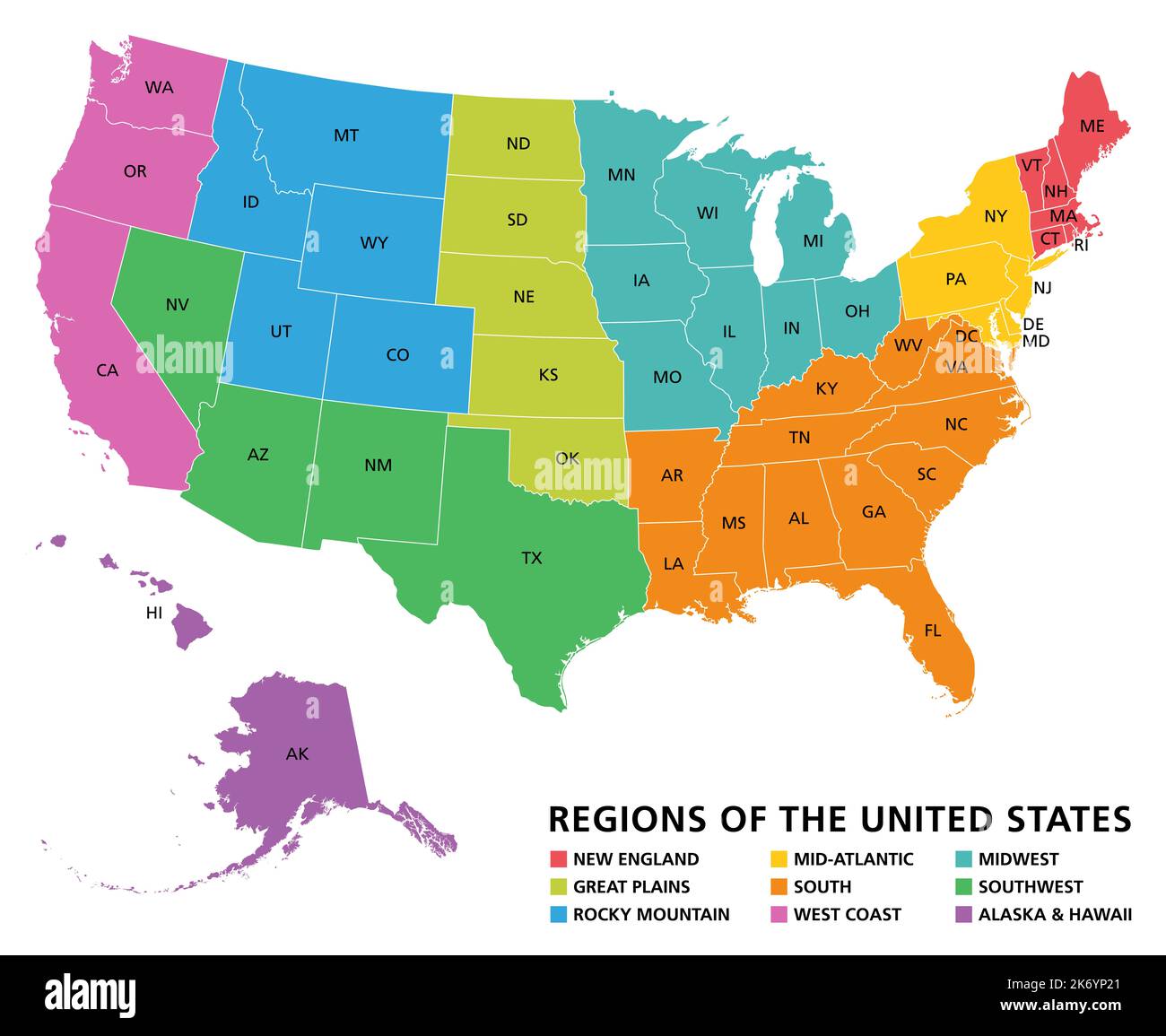
Alaska is a US state located in the extreme northwest of the North American continent. As the largest state in the United States by land area, it occupies a unique geopolitical and environmental position, separated from the contiguous lower 48 states by Canada. Its vast landscape encompasses diverse climates, ranging from temperate maritime zones to arctic tundra.
The Geographic Definition of Alaska
Alaska’s status as a northern state is not merely a linguistic descriptor; it is a fundamental geographic reality that defines its climate, infrastructure, and interaction with the rest of the United States. Situated between the Arctic Ocean to the north, the Bering Sea to the west, and the Gulf of Alaska to the south, the state’s massive footprint—covering over 663,000 square miles—requires a nuanced understanding of its regional divisions.
When discussing Alaska as a "northern" entity, it is essential to distinguish between the various climatic regions. The state is far more than a singular block of ice or snow. The Southeast Panhandle, for instance, enjoys a maritime climate with heavy precipitation and relatively mild temperatures compared to the interior or the North Slope. Conversely, the areas north of the Brooks Range represent some of the most extreme arctic environments on the planet.
Historical Context and Admission to the Union
The narrative of Alaska as a US state begins with its purchase from the Russian Empire in 1867. For many decades, it served as a district and then a territory, characterized primarily by resource extraction, specifically gold mining and the fur trade. The transition to statehood was a protracted political effort, driven by a growing population and the desire for federal representation.
Alaska officially became the 49th state of the Union on January 3, 1959. This admission changed the structural composition of the United States, pushing its northernmost boundary deep into the Arctic Circle. The legal framework established at statehood granted Alaska control over much of its natural resources, a factor that continues to define its internal economy and its often-contentious relationship with federal land management agencies.
The Socio-Economic Landscape in 2026
In 2026, the state remains a critical hub for energy production, particularly petroleum and natural gas. The development of infrastructure in the northern reaches, such as the Trans-Alaska Pipeline System, represents one of the most significant engineering feats of the 20th century. While the global shift toward renewable energy sources continues to influence market trends, Alaska’s role as a major domestic oil supplier remains a cornerstone of its fiscal health.
Beyond resource extraction, the state’s economy is buoyed by tourism, commercial fishing, and a robust federal presence, including multiple military installations. These bases serve as strategic assets for national security, given Alaska’s proximity to other nations bordering the Arctic, such as Russia and Canada. The interplay between these sectors requires a delicate balance of preservation and development.
Environmental Factors and Operational Realities
Living or operating in Alaska requires a significant adjustment to environmental realities. The "northern" label implies specific challenges regarding logistics, transportation, and construction that do not exist elsewhere in the United States.
| Factor | Challenge | Operational Strategy |
|---|---|---|
| Transportation | Lack of road connectivity to the "Lower 48" | Reliance on maritime and air transport |
| Climate | Extreme temperature fluctuations | Winterization of infrastructure and vehicles |
| Logistics | High cost of importing consumer goods | Local supply chain diversification |
| Infrastructure | Permafrost instability | Specialized pile foundations for construction |
The issue of permafrost is particularly relevant for modern development. As climate conditions fluctuate, the thawing of permafrost beneath roads, pipelines, and residential foundations creates a constant maintenance requirement. Engineering in Alaska in 2026 involves advanced geotechnical monitoring to ensure the stability of structures that were built decades ago.
Governance and Federal Relations
As a state, Alaska possesses the same sovereignty as any other member of the United States, yet it faces unique federal-state dynamics. Approximately 60 percent of the land in Alaska is owned by the federal government. This presents a complex legal environment for land use, wildlife management, and economic development projects.
The Alaska Native Claims Settlement Act (ANCSA) of 1971 further complicates and defines the land-management landscape. By creating Native regional and village corporations, the act settled land claims while establishing a unique model of corporate-based tribal governance that is distinct from the reservation systems found in other parts of the United States. Understanding this system is necessary for any professional or researcher working with land development or environmental policy in the state.
Infrastructure and Connectivity
Connectivity remains the primary obstacle to the integration of Alaska’s disparate regions. The state is divided into boroughs, many of which are not connected by any road network. For instance, Juneau, the state capital, is accessible only by sea or air. This "island-like" connectivity forces a reliance on the Alaska Marine Highway, a ferry system that serves as an essential lifeline for coastal communities.
The 2026 state budget continues to emphasize the maintenance of the existing road networks, such as the Glenn, Parks, and Richardson Highways, which serve as the primary conduits for goods entering the interior. However, calls for further expansion of the road system are frequently debated against the high costs of construction in remote wilderness areas and the potential environmental impact on protected lands.
Frequently Asked Questions
Is Alaska part of Canada? No, Alaska is not part of Canada. It is a sovereign state within the United States. While it shares a long eastern border with Canada, it was purchased by the US from Russia in 1867 and has been a state since 1959.
Why is Alaska’s climate so diverse? Alaska’s climate is diverse because of its massive size, varying topography, and oceanic influences. The mountainous regions, such as the Alaska Range, act as barriers that trap moisture and influence temperature, creating stark differences between coastal rainforests and interior continental climates.
What is the importance of the North Slope in Alaska? The North Slope is the northernmost region of the state and is of critical importance due to its extensive oil and gas reserves. It is the site of the Prudhoe Bay Oil Field, which is central to the state's economy and the operation of the Trans-Alaska Pipeline.
How do I get to Alaska from the lower 48 states? Travelers typically arrive by air into major hubs like Anchorage or Fairbanks. While it is possible to drive to Alaska via the Alaska Highway through Canada, this requires crossing international borders and navigating thousands of miles of road, much of which is in remote northern terrain.
What is the role of Native Corporations in Alaska? Native Corporations, established by the 1971 ANCSA legislation, own vast tracts of land and manage businesses to benefit their shareholders, who are Alaska Native people. They play a major role in the state's economy, managing resources such as timber, oil, and tourism.
Recommendations for Future Engagement
For those planning to interact with or travel to Alaska, the most critical step is acknowledging the scale of the state. It is not a place that can be easily traversed in a single visit or fully understood through a brief review of administrative maps.
If you are researching the state for professional purposes, prioritize engagement with the Alaska Department of Natural Resources or the Alaska Native regional corporations, as these entities hold the most relevant and current data regarding land use and economic activity. If visiting, ensure that your travel plans account for the significant distance between major regions and the inherent volatility of weather patterns that can impact even the most well-laid schedules.
Alaska remains a cornerstone of American geography—a northern territory that blends the rugged realities of the Arctic with the institutional stability of a US state. Its future is tied to its ability to adapt to a changing global climate while continuing to leverage the natural resources that have fueled its growth since statehood.