Alaska is home to an estimated 30,000 to 40,000 grizzly bears, representing the vast majority of the population in the United States and serving as a critical indicator of the state's ecological health. These apex predators, officially classified as brown bears (Ursus arctos horribilis) in the interior and coastal regions of the state, occupy diverse habitats ranging from the dense temperate rainforests of Southeast Alaska to the arid slopes of the Brooks Range. Understanding this population requires analyzing their biological distribution, the specific challenges they face, and the management frameworks that balance their existence with human activity.
Defining the Species: Grizzly vs. Brown Bear
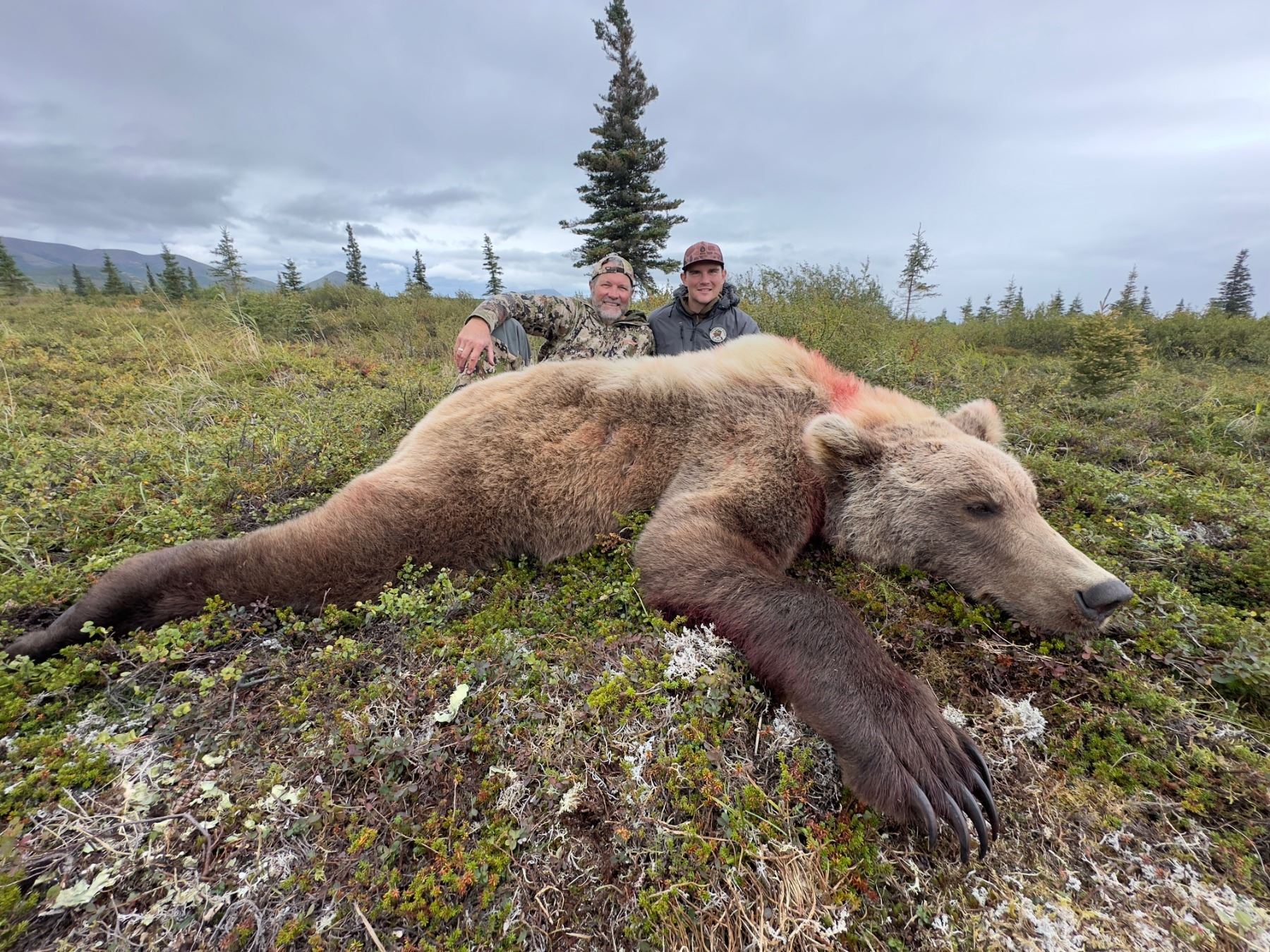
While the terms are often used interchangeably, in scientific and management contexts, "brown bear" is the species designation, while "grizzly" is often used to describe the interior, smaller-bodied populations. In Alaska, there is no biological difference between a grizzly bear and a coastal brown bear; they are the same species. The primary variation in size and weight is attributed to diet and habitat quality rather than genetics. Coastal bears, which have access to abundant salmon runs, generally reach significantly larger sizes than their interior counterparts, who rely on a diet of vegetation, roots, berries, and small mammals.
Population Distribution and Habitat Dynamics
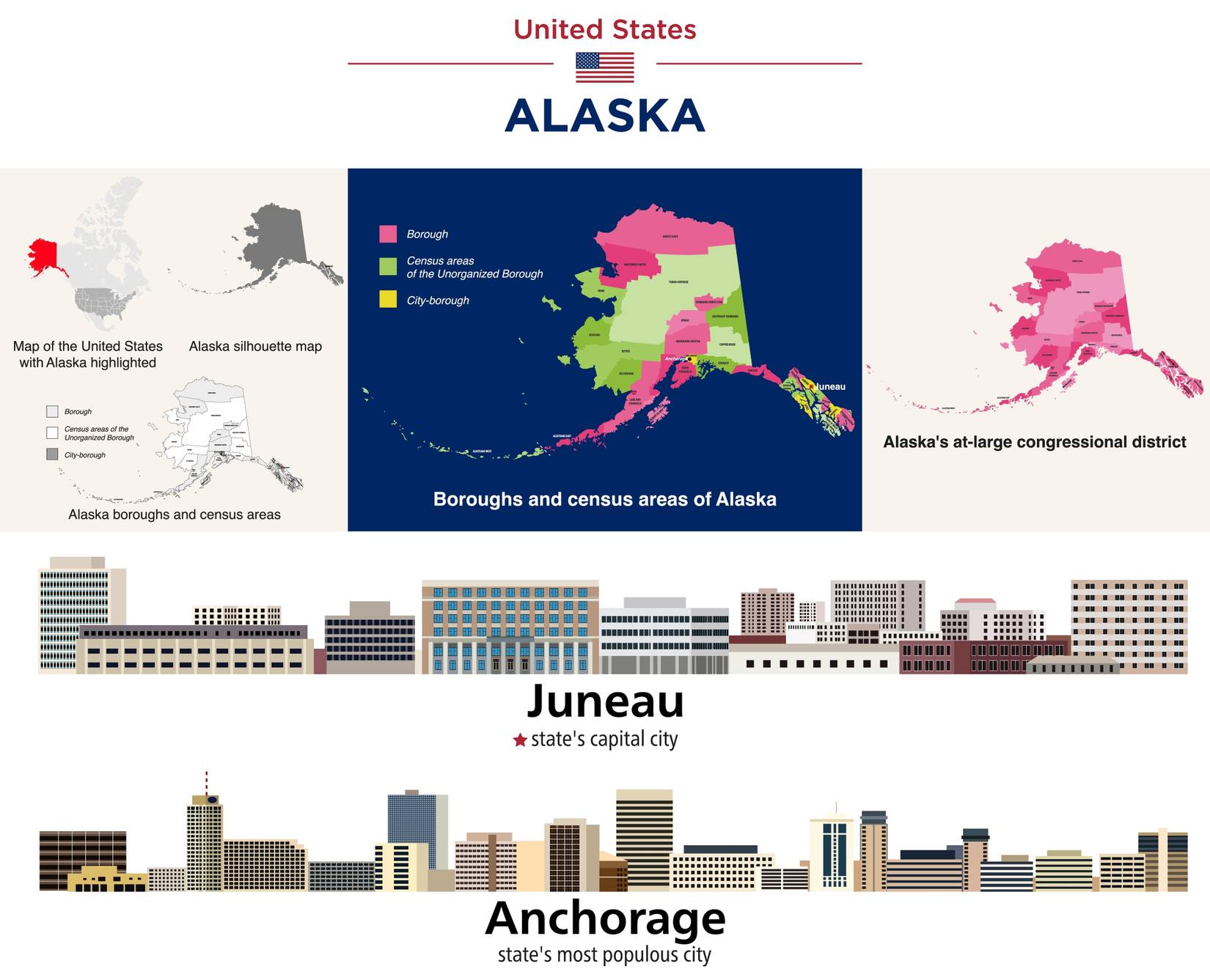
The Alaskan grizzly population is not distributed uniformly across the landscape. The state is divided into various Game Management Units (GMUs) by the Alaska Department of Fish and Game (ADF&G), which tracks population trends through a combination of aerial surveys, DNA analysis of hair samples, and harvest reporting.
Coastal vs. Inland Populations
- Coastal Regions: Populations in areas such as Kodiak Island, the Alaska Peninsula, and the Southeast panhandle are high-density. The influx of seasonal salmon provides the caloric density required to support higher bear numbers per square mile.
- Interior and Arctic Regions: In regions like the North Slope and the interior boreal forests, the population density is lower. Bears here occupy much larger home ranges to secure enough food, leading to a more dispersed population structure.
The following table provides a generalized overview of population densities and habitat drivers:
| Habitat Region | Primary Food Source | Relative Density | Typical Behavior |
|---|---|---|---|
| Coastal Southeast | Salmon, Marine Mammals | High | Sedentary/Concentrated |
| Alaska Peninsula | Salmon, Sedge, Berries | High | Semi-Nomadic |
| Interior Boreal | Roots, Berries, Moose | Low | Highly Nomadic |
| Arctic North Slope | Caribou, Roots, Ground Squirrels | Very Low | Highly Migratory |
Managing the Population: Science and Conservation
The Alaska Department of Fish and Game (ADF&G) is the primary authority responsible for the management and monitoring of the grizzly bear population. Their management philosophy is grounded in "sustained yield," a principle that dictates that harvest levels must be balanced so that the population remains stable or grows over the long term.
Monitoring Methodologies
Because grizzlies are elusive, tracking their exact numbers across millions of acres of wilderness is complex. Managers rely on:
- Aerial Surveys: Conducted during optimal conditions (usually spring or early summer), these surveys count bears within defined blocks to extrapolate density.
- DNA Mark-Recapture: Researchers place hair traps (barbed wire strands that snag fur) to collect DNA. By identifying individual bears through their genetic signature, biologists can estimate population size more accurately than visual observation alone.
- Harvest Data: Mandatory reporting of harvested bears provides critical information regarding age, sex, and location, which helps track trends in the breeding-age population.
Human-Bear Coexistence and Public Safety
As human activity increases in areas previously considered remote, the frequency of human-grizzly encounters rises. This intersection creates significant management hurdles regarding food storage, waste management, and recreational protocols.
Mitigation Strategies
- Secure Food Storage: In public parks and wilderness areas, the use of bear-resistant containers (BRCs) is not merely a recommendation; it is often a regulatory requirement. These containers prevent bears from becoming "food-conditioned," a state where a bear associates humans with easy meals.
- Waste Management: Many Alaskan municipalities and remote lodges have transitioned to bear-proof waste disposal systems. A bear that successfully accesses human trash is statistically much more likely to be involved in a future conflict, often resulting in lethal management action.
- Attitude and Awareness: Education on non-lethal deterrents, such as bear spray (capsaicin-based repellent), has proven highly effective. When used correctly at close range, bear spray stops the majority of aggressive encounters without causing long-term harm to the bear or the human.
The Role of Hunting in Population Control
Hunting is a central component of the state’s grizzly bear management plan. Unlike many other jurisdictions in North America where grizzly bear hunting is prohibited, Alaska maintains a regulated harvest system. Proponents argue that this keeps bear populations wary of humans, potentially reducing the number of close-range conflicts. Critics, however, point to the potential for over-harvesting, particularly in areas near popular tourist destinations or fragile ecosystems.
Regulations are strictly tiered by GMU. Permits are often issued via a lottery system for high-demand or high-density areas to prevent localized depletion of the population. Harvesters must adhere to specific "meat salvage" requirements, ensuring that the animal is used in accordance with state ethical standards.
Biological Challenges and Environmental Impacts
The grizzly bear population is susceptible to shifts in the Alaskan environment. Climate change is a significant variable. While warming temperatures may initially increase the availability of certain berries, they also disrupt the timing of salmon runs and alter the migration patterns of ungulate prey like caribou and moose.
Furthermore, the fragmentation of wilderness due to industrial infrastructure—such as roads or mining operations—can impede the movement of bears between habitats. Connectivity is essential for genetic diversity, as bears require large swaths of land to interact with other subpopulations.
Frequently Asked Questions
1. Are grizzly bear populations in Alaska currently declining?
In most regions of Alaska, grizzly populations are considered stable or increasing. There are isolated areas where density has fluctuated due to shifts in prey availability or harvest pressure, but there is no evidence of a systemic, state-wide decline.
2. Is there a difference between a grizzly bear and a Kodiak bear?
Genetically, they are very similar. The "Kodiak bear" is a sub-population of the brown bear found on the Kodiak Archipelago. Due to geographic isolation and an incredibly rich diet of salmon, they have evolved to be some of the largest bears in the world.
3. What should I do if I encounter a grizzly bear in the wild?
Never run. Running can trigger a predatory chase response. Back away slowly while keeping your eyes on the bear without making direct, prolonged eye contact. If the bear is stationary, speak in a calm, firm voice to identify yourself as a human. Have bear spray readily accessible and know how to operate the safety mechanism.
4. Why is bear spray recommended over firearms?
Studies have shown that bear spray is often more effective at stopping an attack than a firearm. It creates a "cloud" of deterrent that does not require precise aim under high-stress conditions, whereas a firearm requires significant marksmanship to stop a charging, large-bodied animal.
5. How are population limits determined?
Limits are determined by the Board of Game, a group of citizens appointed by the Governor to oversee the conservation of Alaska’s wildlife. They utilize scientific data provided by ADF&G biologists, public testimony, and economic analysis to establish harvest quotas and management strategies.
Practical Guidance for Travelers and Residents
If you are planning to visit or work in Alaska, prioritize your interaction with the environment by adhering to the following:
- Verify Requirements: Before entering a specific Game Management Unit or National Park, check the local agency website for specific food storage regulations.
- Carry Deterrents: Always carry bear spray in a chest holster or on your hip—never inside your pack.
- Stay Informed: Conditions change throughout the season. Late-season salmon runs can draw bears to river corridors, dramatically increasing encounter probability in specific spots. Always check local ADF&G advisories before departing.
The Alaskan grizzly bear population remains a robust, vital, and awe-inspiring component of the state’s wild character. Their management requires constant vigilance, scientific rigor, and a commitment from both residents and visitors to respect the boundaries of one of the world's most formidable creatures.