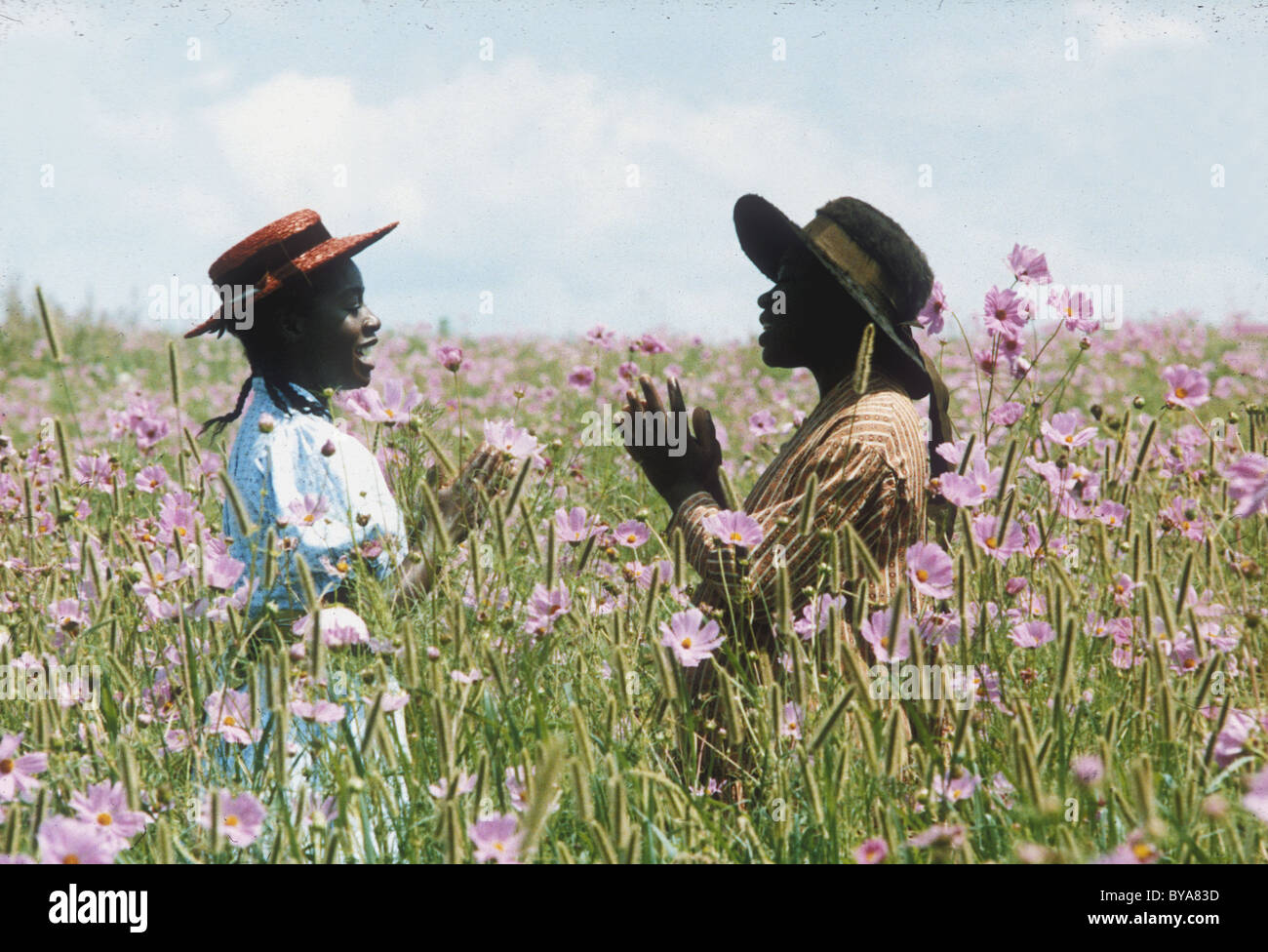
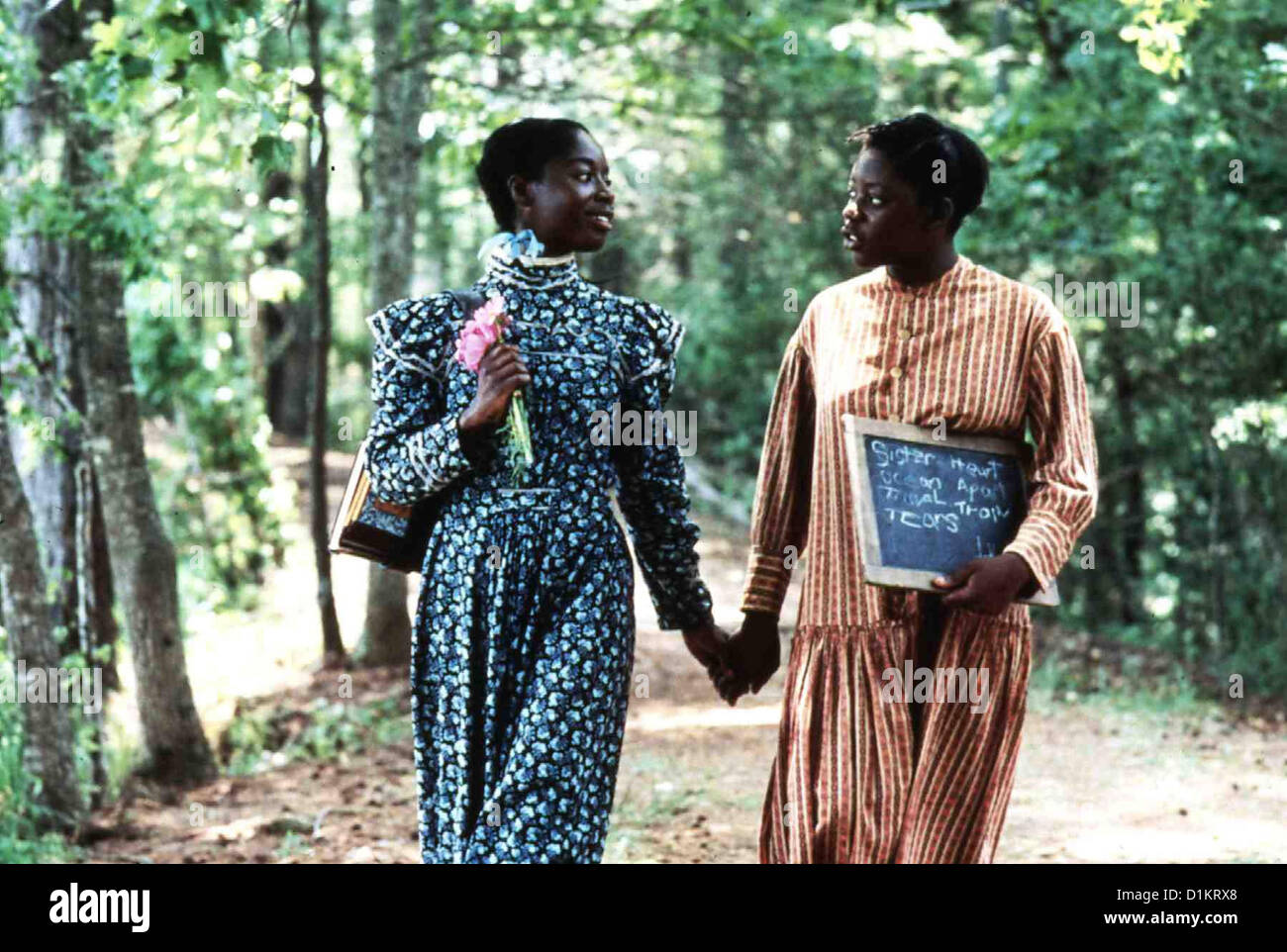
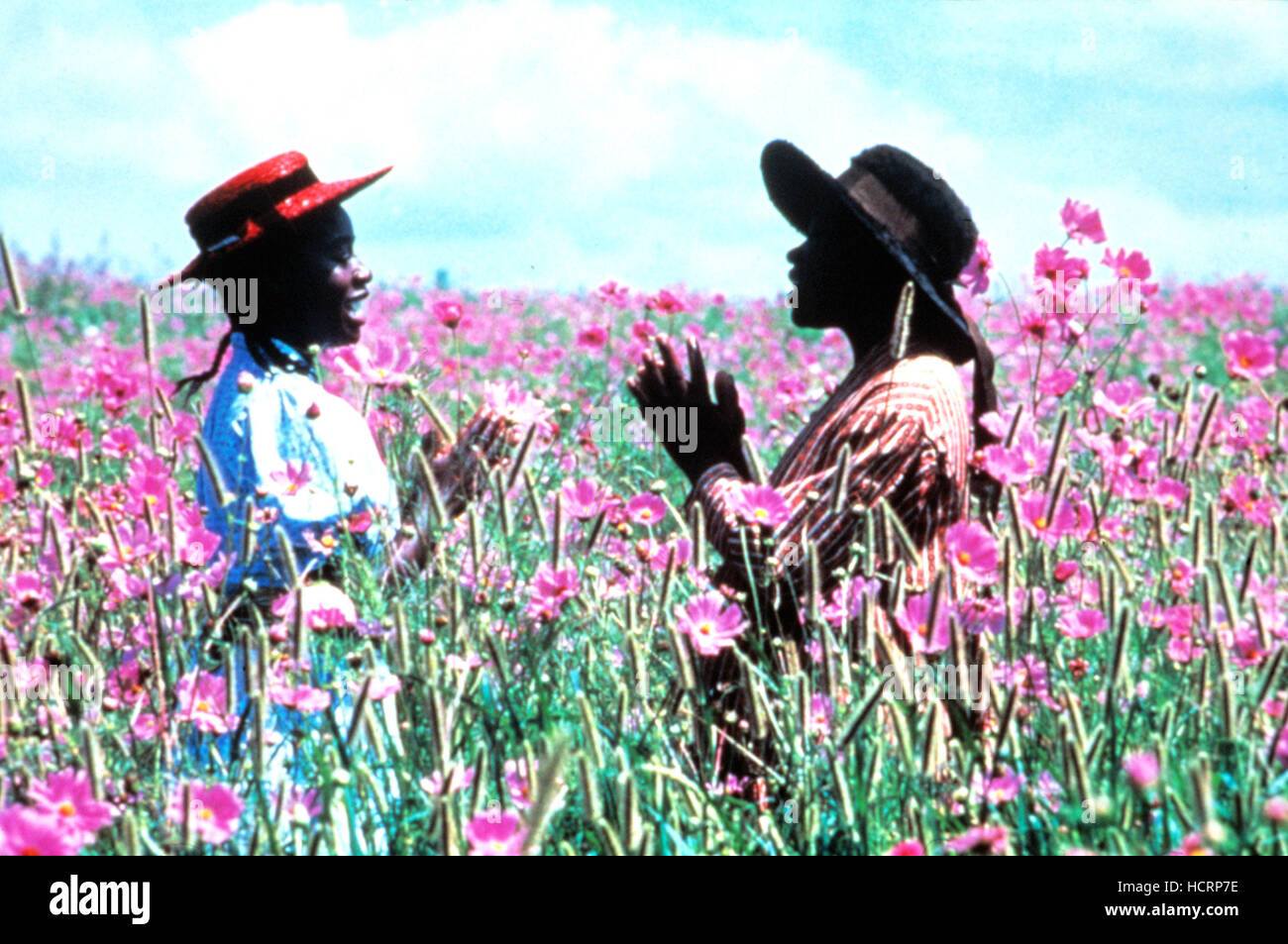
Akosua Busia portrayed Nettie Harris in Steven Spielberg’s landmark 1985 film adaptation of The Color Purple. As Celie’s educated, resilient younger sister, Busia’s performance served as the narrative's moral compass and emotional anchor, representing the enduring bond of sisterhood and the vital connection to African heritage throughout decades of separation.
The Significance of Nettie Harris in Cinematic History
When Akosua Busia portrayed Nettie in The Color Purple, she took on a role that was fundamentally different from almost any other Black female character in mainstream Hollywood at the time. In the context of the 1985 film, Nettie is the catalyst for the protagonist’s internal growth. While Celie, played by Whoopi Goldberg, endures years of systemic abuse and silencing, Nettie represents the possibility of a different life—one defined by literacy, travel, and spiritual autonomy.
The character of Nettie is often viewed through the lens of her absence. After being forcibly separated from Celie by "Mister" (Albert Johnson), Nettie’s presence in the film is sustained through the "Dear Celie" letters. These letters, which Mister hides for decades, serve as the primary narrative device that expands the story's scope from the American South to the mission fields of Africa. Busia had the difficult task of making a character feel immediate and beloved even when she was off-screen for significant portions of the film. Her performance ensured that the audience felt the weight of her absence as acutely as Celie did.
As of 2026, looking back at the 40th anniversary of the film’s release, Busia’s portrayal remains the gold standard for the character. While the story has since been adapted into a Tony-winning Broadway musical and a 2023 musical film, the 1985 iteration remains the foundation for how the public perceives the bond between the Harris sisters.
Akosua Busia’s Background and Path to the Role
Akosua Busia was uniquely suited to play a character who bridges the gap between African and American identities. Born in Ghana, she is a member of the Royal Family of Wenchi and the daughter of Dr. Kofi Abrefa Busia, who served as the Prime Minister of Ghana from 1969 to 1972. This personal history of political and intellectual leadership gave Busia a natural gravitas that she brought to the role of the scholarly Nettie.
Busia was educated at the University of Oxford and the Central School of Speech and Drama in London. By the time she was cast by Steven Spielberg and casting director Reuben Cannon, she was already a sophisticated artist with a deep understanding of the literary themes present in Alice Walker’s Pulitzer Prize-winning novel.
The casting of Busia was a deliberate move to find an actress who could embody both the vulnerability of a young girl fleeing abuse and the strength of a woman traveling across the globe to find her place. Her chemistry with Whoopi Goldberg in the early scenes of the film established a sisterly bond so profound that it sustained the audience’s emotional investment through the two-hour-and-thirty-four-minute runtime.
Analyzing the Performance: Key Scenes and Thematic Depth
Akosua Busia’s performance is marked by several pivotal sequences that define the emotional trajectory of The Color Purple. To understand why her portrayal remains iconic in 2026, one must examine the specific technical and emotional choices she made as an actress.
The Separation Scene
The sequence where Mister throws Nettie off his property is one of the most harrowing in 1980s cinema. Busia’s physical performance—clinging to the gate, screaming for Celie, and promising to write—established the stakes of the entire movie. She managed to convey a sense of desperate hope that contrasted with Celie’s silent resignation. This scene is the engine that drives the rest of the plot; without the audience believing in Nettie’s survival and her commitment to her sister, the eventual climax would lose its power.
The African Sequence
While the 1985 film faced some criticism for its stylized, "Spielbergian" depiction of Africa, Busia’s performance in these segments provided a necessary groundedness. As Nettie becomes a missionary and lives among the Olinka people, Busia portrays a woman who is constantly learning and evolving. She handles the exposition of the letters with a voice-over that is both rhythmic and deeply soulful, turning a narrative necessity into a poetic highlight of the film.
The Return
The resolution of The Color Purple hinges entirely on the reunion. When Akosua Busia’s Nettie returns to the homestead as an older woman, accompanied by Celie’s lost children, the transformation is complete. Busia shifted her posture and vocal tone to reflect a woman who had seen the world, suffered loss, but remained spiritually unbroken.
Comparison of Portrayals: 1985 vs. 2023
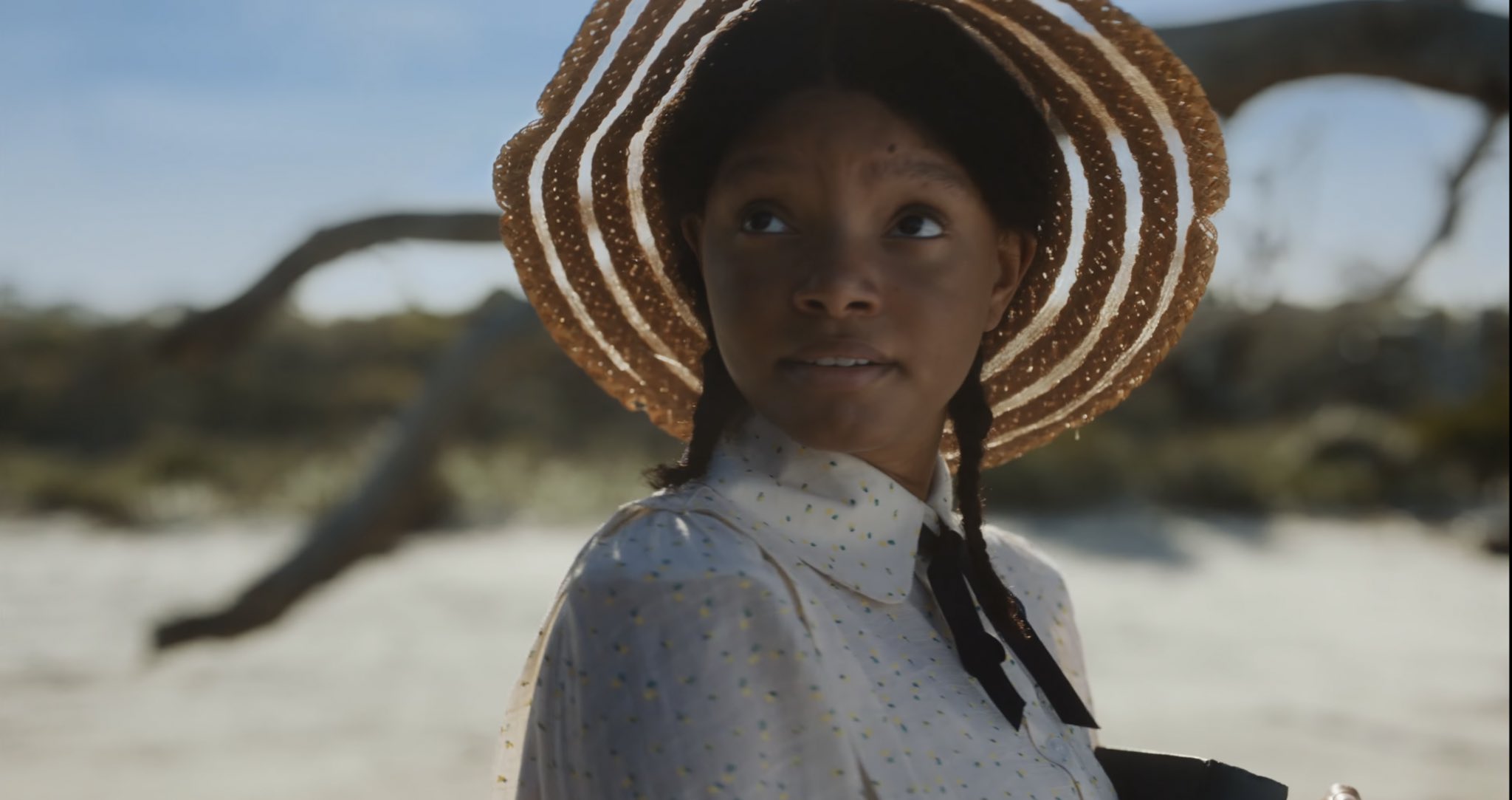
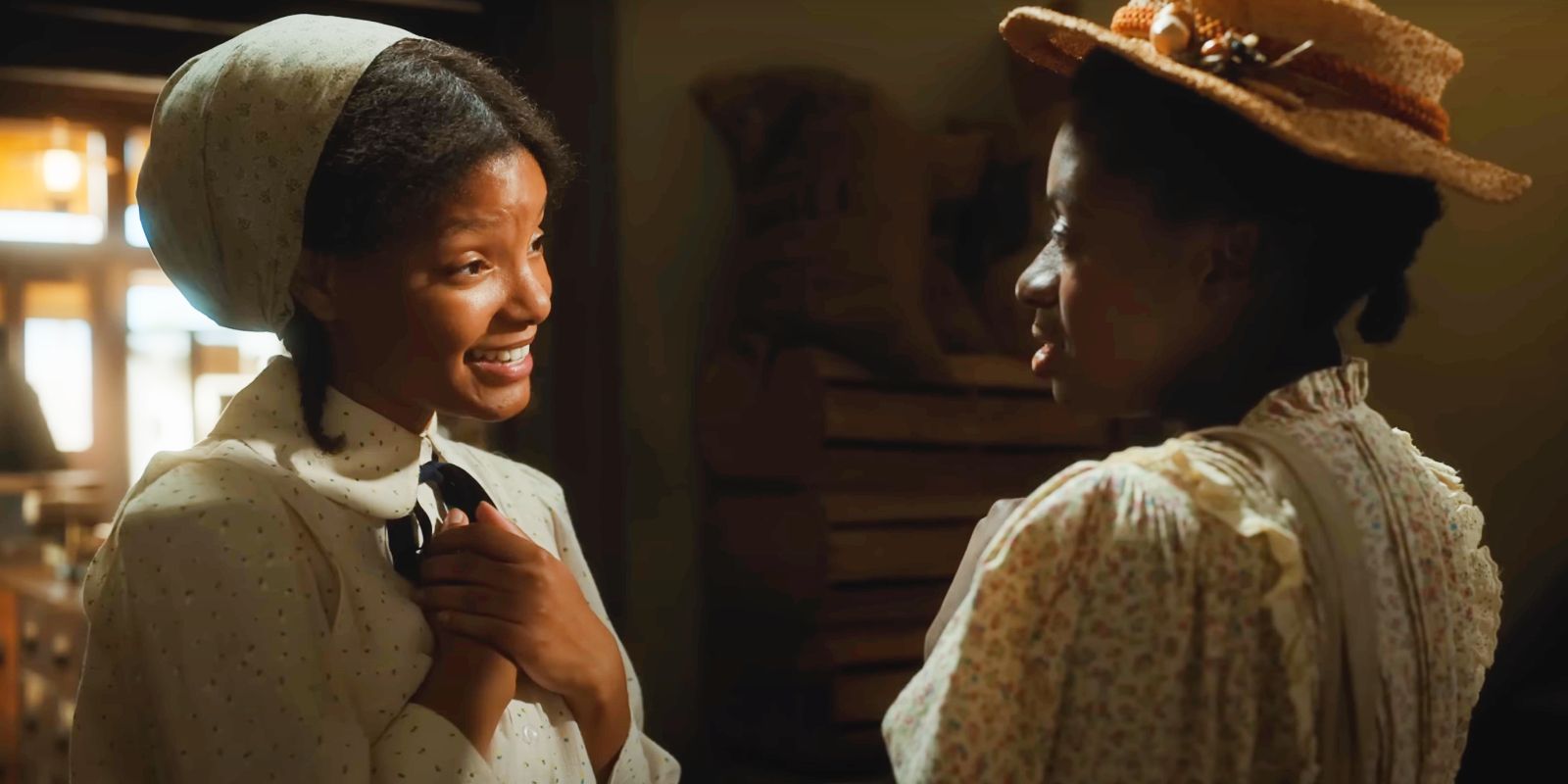
With the 2023 musical film adaptation bringing The Color Purple back into the cultural zeitgeist, comparisons between the original cast and the new performers are inevitable. While Halle Bailey brought a beautiful vocal performance to the role of young Nettie in the 2023 version (with Phillypa Soo playing the adult version), Akosua Busia’s 1985 performance is often noted for its raw dramatic intensity.
| Feature | 1985 Film (Akosua Busia) | 2023 Film (Halle Bailey / Phillypa Soo) |
|---|---|---|
| Primary Medium | Period Drama | Musical Adaptation |
| Character Focus | Emotional resilience and letter-writing | Musical expression and youthful energy |
| Development | Played by one actress across multiple ages | Split between two actresses for age progression |
| Nettie's Impact | The primary link to the African sub-plot | Enhanced by original songs like "Keep It Movin'" |
| Legacy | Defined the role for a generation | Reinterpreted the role for a modern audience |
The Enduring Legacy of the 1985 Performance
By 2026, The Color Purple has solidified its place in the National Film Registry, and Akosua Busia’s contribution is a major reason for its longevity. Her portrayal of Nettie helped challenge the "tragic" tropes of Black female characters. Nettie was not a victim; she was a survivor, a scholar, and a world traveler.
Busia’s work on the film also highlights the importance of authentic international representation. As a Ghanaian actress playing a character who spends much of her life in Africa, Busia brought an innate understanding of the cultural nuances involved in the Olinka sequences. This added a layer of authenticity to the production that was ahead of its time in the mid-80s.
Furthermore, the film served as a springboard for Busia’s multifaceted career. She did not limit herself to acting; she became a successful novelist, screenwriter, and director. Her book, The Seasons of Beento Blackbird, received critical acclaim and demonstrated that she shared the literary spirit of the character she so famously portrayed.
Common Mistakes in Retrospectives
When discussing the role of Nettie, several common misconceptions often arise in modern film analysis:
- Overlooking the Letters: Some critics argue that Nettie is a "passive" character because she is absent for much of the film. However, Busia’s voice-over performance is an active form of storytelling. The letters are not just plot points; they are Nettie’s way of keeping Celie’s spirit alive.
- Confusing Adaptation Details: It is important to distinguish between the novel’s version of Nettie and the film’s version. While the movie simplifies some of the political complexities of Nettie’s time in Africa, Busia’s performance captures the emotional essence of the book’s character perfectly.
- Ignoring the Physicality: Busia’s performance in the early scenes involves significant physical acting—running, fighting, and teaching—that set the tone for the film’s energy.
Practical Guidance: How to Revisit Busia's Work
For those looking to explore the career of Akosua Busia beyond The Color Purple, there are several key works to consider. She appeared in films like Native Son (1986) and Rosewood (1997), and she also wrote the screenplay for the film Beloved (1998), based on Toni Morrison's novel.
To fully appreciate her portrayal of Nettie, viewers should:
- Watch the 40th Anniversary Remaster: Recent digital restorations of the 1985 film clarify the visual details of the African sequences, making Busia's performance even more vivid.
- Read "The Seasons of Beento Blackbird": To understand her artistic voice, her debut novel is essential reading.
- Compare with the 2023 Adaptation: Watching the musical version provides context for how Busia’s dramatic choices influenced later interpretations of the character.
Frequently Asked Questions
Who played Nettie in the original 1985 film The Color Purple?
Akosua Busia played the role of Nettie Harris in the 1985 film directed by Steven Spielberg. She is a Ghanaian actress, director, and novelist who was chosen for the role due to her ability to portray both the youthful innocence and the matured wisdom of the character.
Is Akosua Busia still active in the film industry?
As of 2026, Akosua Busia remains a respected figure in the arts, though she has shifted much of her focus toward writing and directing in recent years. She occasionally makes public appearances related to the legacy of The Color Purple and continues to be involved in international film projects, particularly those highlighting African stories.
What happened to Nettie in the plot of The Color Purple?
After being forced to leave Celie’s home by Mister, Nettie traveled to Africa with a missionary family (Samuel and Corrine) who, unbeknownst to her at first, had adopted Celie’s children. She spent years writing letters to Celie that were intercepted by Mister. Eventually, she returned to Georgia with Celie's children, leading to a profound family reunion.
Did Akosua Busia do her own singing in the film?
While the 1985 film is a drama and not a musical, it contains several spirituals and chants. Busia participated in the ensemble vocals required for the African sequences, but the primary musical focuses of the film were the blues numbers performed by the character Shug Avery.
What is Akosua Busia's royal background?
Akosua Busia is the daughter of Dr. Kofi Abrefa Busia, the former Prime Minister of Ghana. She is a member of the royal family of Wenchi, a town in the Bono Region of Ghana. This background influenced her perspective on African history and representation in Western media.
Conclusion and Final Recommendation
Akosua Busia’s portrayal of Nettie in The Color Purple remains one of the most significant performances in Black cinema history. By bringing a combination of intellectual depth, emotional vulnerability, and cultural authenticity to the role, she ensured that Nettie would be remembered as more than just a "lost sister." She became a symbol of the intellectual and spiritual life that exists even in the face of extreme adversity.
For students of film or fans of the original novel, revisiting Busia’s performance in the 1985 film is highly recommended. It provides a masterclass in how to maintain a powerful character presence through the use of voice, movement, and emotional consistency. As we reflect on the film's 40-year legacy in 2026, it is clear that Busia’s contribution was essential in transforming Alice Walker's words into a timeless cinematic experience.