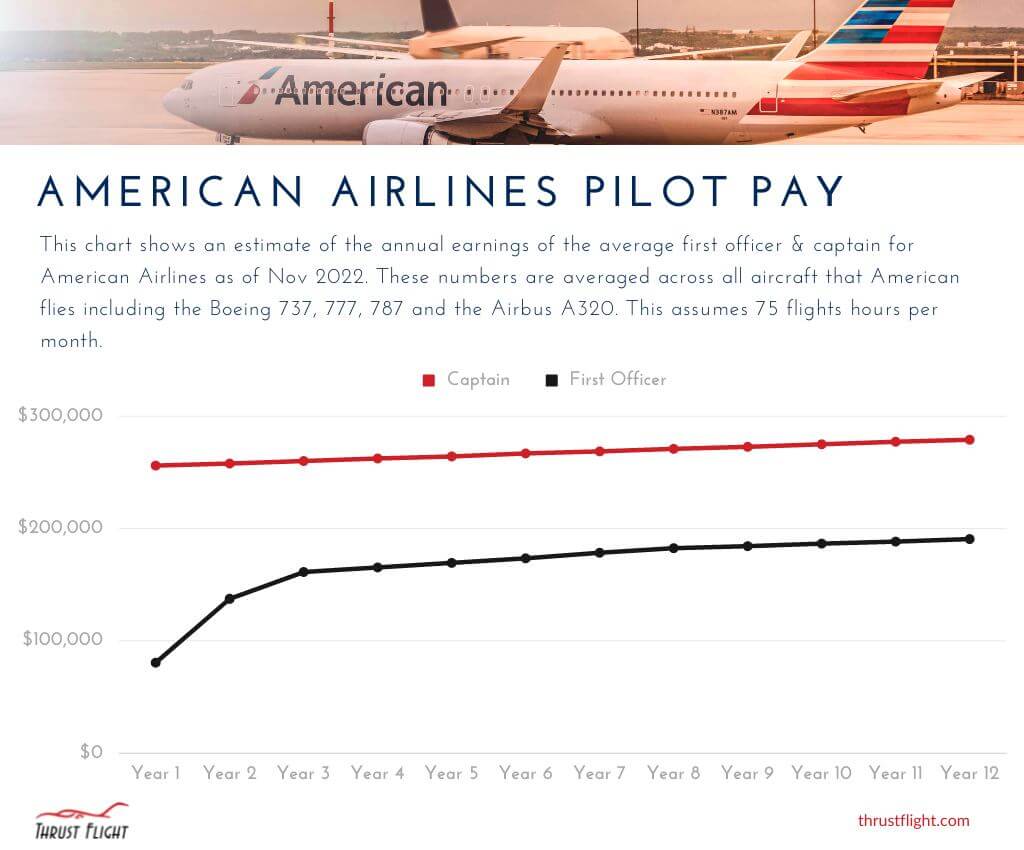
Airline pilot compensation is defined by a complex structure of hourly rates, guaranteed flight hours, and seniority-based progression rather than a traditional salaried model. While top-tier major airline captains can earn north of $300,000 annually, total take-home pay is heavily influenced by aircraft type, years of service, contractual overtime, and the specific collective bargaining agreement governing the pilot's airline.
The aviation industry operates on a tiered system that separates the career trajectory of a pilot into distinct phases. Understanding what pilots "really" earn requires peeling back the curtain on how flight hours are logged, how seniority dictates earning potential, and the often-overlooked expenses that accompany the profession.
The Mechanics of Hourly Pay Structures
Unlike most professional careers that utilize a flat salary, airline pilots are paid based on "block hours." A block hour is measured from the moment the aircraft moves under its own power for the purpose of flight until it comes to a stop at its destination gate. Pilots have a "pay rate" per block hour, which is strictly defined by their contract.
This rate increases incrementally based on two factors: the pilot’s years of service at the specific airline (longevity) and the maximum takeoff weight (MTOW) of the aircraft they are currently qualified to fly. A pilot moving from a narrow-body regional jet to a wide-body international aircraft will see an immediate, substantial jump in their hourly pay rate, regardless of their total years with the company.
Furthermore, every pilot contract includes a "monthly guarantee." This is the minimum number of hours the airline is obligated to pay the pilot, even if the pilot flies fewer hours than that due to scheduling issues or flight cancellations. This guarantee provides a necessary baseline of financial stability in an industry prone to operational volatility.
Seniority: The Invisible Hand of Earnings
In the airline industry, seniority is the single most important determinant of a pilot’s lifestyle and compensation. Seniority is strictly defined by the date a pilot begins employment at their specific airline. It cannot be bought, traded, or transferred between carriers.
As a pilot gains seniority, they gain the ability to bid for better schedules, more desirable aircraft, and preferred bases. While a junior first officer might be flying "reserve" (being on call to cover gaps in the schedule) at a lower pay tier, a senior captain is choosing trips that maximize rest, minimize time away from home, and prioritize the highest-paying aircraft in the fleet. This seniority system is why pay rates for two individuals doing the same job at the same airline can differ by over 100%.
Comparative Pay Analysis: Major vs. Regional
The industry is generally split between "Major" carriers (often flying domestic and international long-haul routes) and "Regional" carriers (which act as feeders for the Majors). While the gap has narrowed significantly in recent years due to labor shortages and aggressive union bargaining, a fundamental difference in earning ceiling remains.
| Carrier Tier | Typical First-Year Pay | Seniority Plateau | Primary Earning Driver |
|---|---|---|---|
| Regional First Officer | $75k – $100k | Low/Moderate | Hourly rate steps |
| Major First Officer | $120k – $180k | Moderate | Equipment type |
| Major Captain | $220k – $350k+ | High | Longevity & Wide-body ops |
It is essential to note that these figures represent gross pay before taxes and retirement contributions. Most professional pilots participate in defined-contribution retirement plans (such as a 401(k)) where the company contributes a significant percentage, sometimes as high as 15% to 18%, on top of the pilot's gross hourly earnings. This "hidden" compensation is a massive factor in the total financial value of an airline career.
Hidden Costs and Financial Realities
When evaluating pilot earnings, it is easy to focus exclusively on the headline hourly rates. However, the profession carries unique financial burdens that often go uncalculated.
- Training Costs: Before even reaching a commercial cockpit, pilots must invest tens or even hundreds of thousands of dollars in flight training, licenses, and certifications. Many pilots begin their careers with significant student loan debt.
- Medical Requirements: Pilots are subject to stringent FAA (or relevant national aviation authority) medical examinations. If a pilot develops a health condition that leads to the loss of their medical certificate, they lose their ability to fly and, consequently, their income. This necessitates expensive "Loss of License" insurance policies.
- Away-From-Home Expenses: While pilots receive a daily stipend for meals and incidental expenses (per diem), the cost of maintaining a home and living in crash pads or hotels during training or reserve shifts can be significant.
- Taxes and Scheduling: Because pilots often work across different state lines and countries, their tax filings can become complex. Additionally, working holidays, weekends, and overnight shifts is standard, meaning "extra pay" for overtime is often just the baseline requirement for maintaining a full-time schedule.
The Role of Collective Bargaining
Almost all airline pilots in the United States operate under a Collective Bargaining Agreement (CBA) negotiated by their labor union. These agreements are ironclad documents that dictate every aspect of compensation, including annual pay raises, retirement matching, and work rules.
In 2026, the industry continues to reflect the outcomes of major contract negotiations from the previous few years. These contracts have fundamentally reset the market, ensuring that pay rates automatically scale upward with inflation or predetermined yearly percentage increases. When reading about "what pilots make," it is vital to remember that these figures are not set by the market randomly—they are locked in by legally binding contracts that run for 3–5 year cycles.
Troubleshooting Your Career Expectations
If you are considering a career as an airline pilot based on compensation data, keep these practical realities in mind:
- Avoid "Snapshot" Bias: Do not look at the pay rate of a 20-year captain and assume you will earn that in your first five years. Your early career will be defined by lower hourly rates and less control over your schedule.
- Account for Benefits: When comparing a pilot job to an office job, remember to add the company’s retirement contribution to the salary. A $150,000 pilot salary with a 15% company contribution is effectively worth $172,500 in total compensation.
- Consider the "Quality of Life" Cost: A high hourly rate often comes at the cost of being away from home for 15–20 days per month. The "real" earnings must be weighed against the personal value of your time.
Frequently Asked Questions
Do pilots get paid for time spent in the airport terminal? Generally, no. Pilots are paid "block-to-block." While there is some compensation for the time between flights (known as "duty rig" or "trip rig" in some contracts), the majority of a pilot’s time spent sitting in the terminal or waiting for a hotel shuttle is not compensated at the full flight hourly rate.
Is there a mandatory retirement age for pilots? Yes. In the United States, commercial pilots are currently mandated to retire at age 65. This strictly limits the number of years a pilot can earn at the top end of the pay scale, which is why retirement planning and maximizing earnings in the final two decades of a career are critical.
How does aircraft size affect pilot pay? Airlines pay pilots based on the "weight class" of the aircraft. A pilot flying a massive long-haul Airbus A350 or Boeing 787 is paid a significantly higher hourly rate than a pilot flying a smaller, regional jet. This is why pilots strive to upgrade to larger aircraft as they gain seniority.
Are pilots paid during training? Yes. Once hired by an airline, pilots are typically paid a training wage or a portion of their base salary while they undergo the mandatory simulator and ground school training required to transition to the specific airline’s fleet.
What is a "Reserve" pilot? A reserve pilot is on a standby schedule. They are paid a guaranteed minimum number of hours, but they must be ready to report to the airport on short notice to cover for a pilot who is ill or delayed. It is often the lowest-paying, most unpredictable role for new hires.
Next Steps for Aspiring Pilots
If you are analyzing these pay structures to decide on a career path, your next action should be to review the current "Pilot Contract Summary" for the specific airline you are interested in. Most unions publish these summaries publicly. Look for the "Pay Scales" section and identify the "First Year" rate vs. the "Fifth Year" rate. This will give you the most accurate projection of your financial trajectory over the critical first half-decade of your professional flying career.