If your car’s air conditioning is not working, the most common causes include a refrigerant leak, a failing compressor, a clogged cabin air filter, or an electrical fault such as a blown fuse. Troubleshooting involves checking for airflow, listening for compressor engagement, and inspecting the system for visible leaks or debris.
The automotive air conditioning system is a complex, closed-loop network designed to manipulate the states of matter to move heat from the cabin to the outside atmosphere. In 2026, with most vehicles on the road utilizing advanced climate control systems—especially in electric vehicles (EVs) where the AC is also responsible for cooling the battery pack—a failure is more than just a matter of comfort; it can be a matter of vehicle health. Understanding why the system fails requires a look at both mechanical components and the chemical balance of the refrigerant.
How the Automotive AC System Operates
Before diving into troubleshooting, it is essential to understand the "refrigeration cycle." The system does not "create" cold air; rather, it removes heat. It consists of five primary components: the compressor, condenser, expansion valve (or orifice tube), evaporator, and the refrigerant itself.
The compressor is the heart of the system, pressurized by the engine's accessory belt or an electric motor in EVs. It compresses low-pressure gas into high-pressure, high-temperature gas. This gas travels to the condenser (located in front of the radiator), where it releases heat to the outside air and turns into a high-pressure liquid. This liquid passes through an expansion valve, which drops the pressure significantly, causing the liquid to become very cold. As it flows through the evaporator (behind the dashboard), the blower motor pushes cabin air across the cold coils. The refrigerant absorbs the heat from the cabin air and turns back into a gas, returning to the compressor to start the cycle again.
The Most Common Cause: Refrigerant Leaks
By far the most frequent reason for a car's AC to stop blowing cold air is a lack of refrigerant. Because the AC is a pressurized system, even a pinhole leak can eventually lead to total failure.
Why Leaks Occur
Unlike a home refrigerator, which sits stationary, a car’s AC system is subject to constant vibration, extreme temperature fluctuations, and road debris. Rubber hoses can dry out and crack over time, and metal lines can corrode or rub against other engine components. In 2026, most vehicles use R-1234yf refrigerant, which is more environmentally friendly than the older R-134a but also more expensive and sensitive to system pressures.
Identifying the Leak
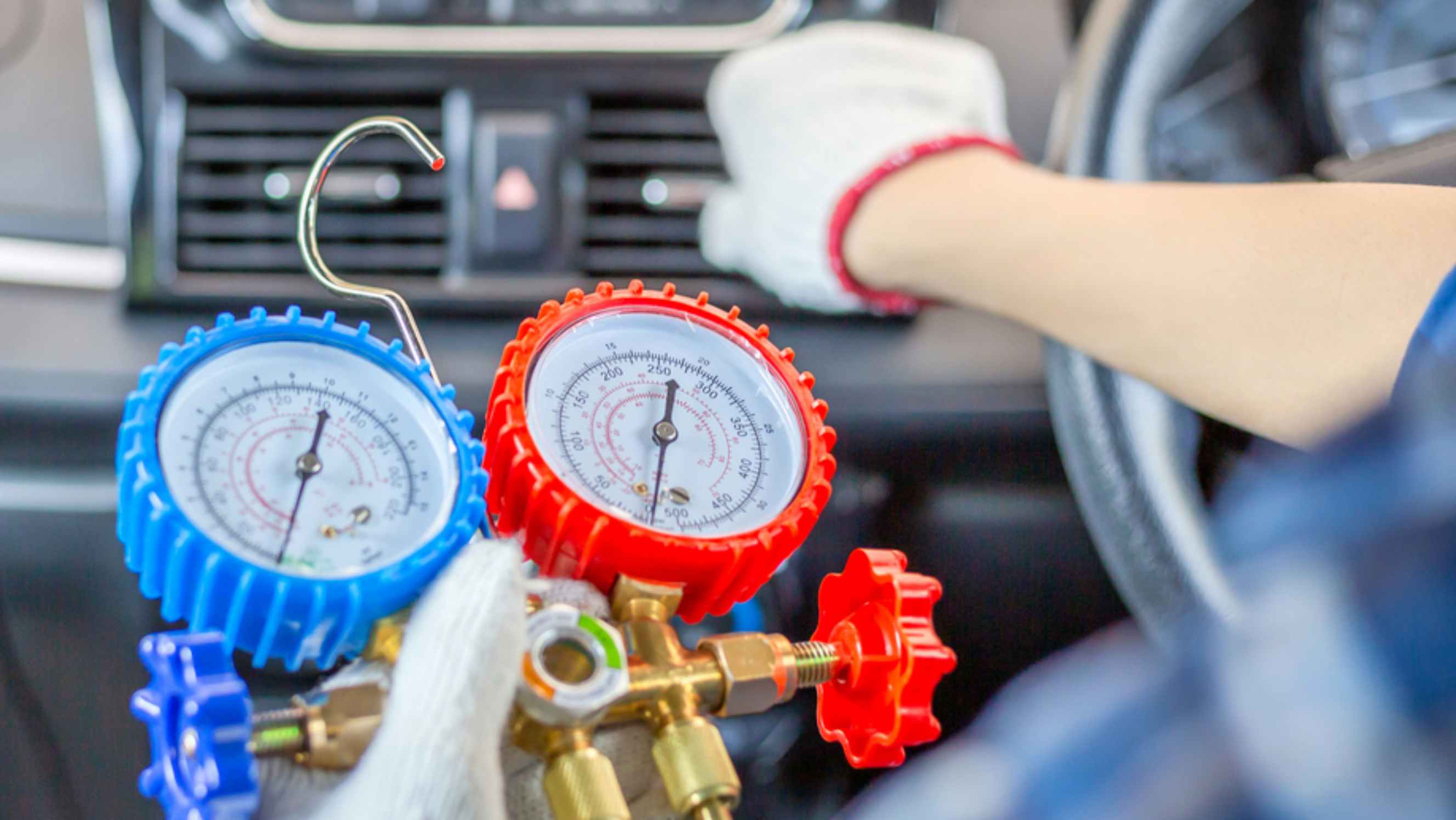
Refrigerant is a gas at room temperature, making leaks difficult to see with the naked eye. However, most refrigerants are mixed with a specialized oil to lubricate the compressor. If you see "greasy" spots on AC hoses or connections, that is likely a mixture of oil and leaking refrigerant. Professional technicians use UV dye and specialized "sniffers" (electronic leak detectors) to find microscopic leaks, particularly in the evaporator, which is buried deep inside the dashboard and cannot be visually inspected easily.
Compressor and Clutch Failures
If the refrigerant levels are correct but the system still fails, the compressor is the next likely culprit. The compressor must be spinning to move the refrigerant.
- The Clutch Mechanism: On many internal combustion vehicles, the compressor has an electromagnetic clutch. When you turn on the AC, the clutch should engage with the pulley. If you hear a "click" but the center of the compressor doesn't spin, or if there is no click at all, the clutch may be burnt out or not receiving power.
- Internal Failure: Over time, the internal pistons of a compressor can wear down or seize. This is often caused by running the system with low refrigerant (which also means low lubrication) or if moisture enters the system and causes internal corrosion.
- Variable Displacement Compressors: Many modern cars in 2026 use variable displacement compressors that do not have a traditional "on/off" clutch. These stay engaged all the time and adjust their output internally. If these fail, they often require advanced diagnostic tools to verify, as there is no visible clutch to watch.
Condenser Obstructions and Damage
The condenser acts as a heat exchanger. Because it is located at the very front of the vehicle to maximize airflow, it is highly susceptible to damage.
Physical Blockage
If the fins of the condenser are clogged with leaves, plastic bags, or heavy dust, the refrigerant cannot shed its heat. This results in the AC blowing "luke-warm" air, especially when the car is idling or moving slowly. Once the car reaches highway speeds and more air is forced through the condenser, the AC might temporarily start working again.
External Damage
A small rock kicked up from the road can easily puncture the thin aluminum tubes of a condenser. If you notice a sudden loss of cooling after driving on a gravel road or behind a construction truck, a punctured condenser is a high probability.
Electrical Faults and Blown Fuses
Car AC systems are governed by a network of sensors, fuses, and relays. If the computer (ECU) detects a problem, it will prevent the compressor from turning on to protect the engine.
- Pressure Switches: The system has high-pressure and low-pressure sensors. If the pressure is too low (due to a leak) or too high (due to a blockage), the switch opens the circuit, and the compressor stops.
- Blown Fuses: A simple blown fuse can cut power to the compressor clutch or the blower motor. While replacing a fuse is easy, a blown fuse often indicates an underlying electrical short that may need further investigation.
- Relay Failure: The AC relay is a small switch that handles the high-current load of the compressor. If the internal contacts of the relay wear out, the compressor will never receive the signal to engage.
The Role of the Cabin Air Filter
Sometimes the AC system is "working" perfectly, but you aren't feeling the results. A severely clogged cabin air filter can restrict airflow so much that very little air makes it through the vents. In 2026, many luxury and electric vehicles feature HEPA-grade filtration systems that are very effective but also prone to clogging if not changed every 12,000 to 15,000 miles. If you hear the blower motor working hard but feel only a whisper of air, check your filter first.
Comparison of Common AC Symptoms
The following table helps categorize symptoms to narrow down the likely failure point.
| Symptom | Likely Cause | Severity |
|---|---|---|
| AC blows warm air while idling, cold while driving | Condenser blockage or cooling fan failure | Moderate |
| Air is cool but not "cold" | Low refrigerant (small leak) | Moderate |
| AC works for a few minutes, then turns warm | Iced-up evaporator or faulty expansion valve | High |
| No air comes out of the vents at all | Blown fuse or failed blower motor | Moderate |
| Loud squealing or grinding noise when AC is on | Failing compressor bearing or belt | Critical |
| Unpleasant "locker room" or moldy smell | Bacteria buildup on the evaporator | Low |
Cost Analysis for 2026 Repairs
Repairing an AC system varies wildly in price depending on the component. In 2026, the cost of R-1234yf refrigerant remains a significant factor in repair estimates.
- Recharge Service: A basic "evacuate and recharge" typically costs between $200 and $450, depending on the amount of refrigerant needed. This service should always include a vacuum test to check for leaks.
- Compressor Replacement: This is a major repair. Including parts and labor, expect to pay between $800 and $1,800. If the compressor failed internally and sent metal shards through the system (a "black death" failure), the price can double as other components must be flushed or replaced.
- Condenser Replacement: Usually ranges from $500 to $900. This is often an accessible repair on many vehicles.
- Evaporator Replacement: This is the most labor-intensive repair, as it often requires removing the entire dashboard. Labor costs can push this repair into the $1,200 to $2,500 range.
EV-Specific Considerations
If you are driving an electric vehicle in 2026, your AC system is part of the Thermal Management System. In an EV, the AC compressor is powered by the high-voltage battery. If the AC fails, the car may limit its charging speed or even refuse to drive to prevent the battery from overheating. EV AC repairs must be handled by technicians certified in high-voltage systems, as the compressors use specialized non-conductive polyolester (POE) oil. Using standard PAG oil in an EV compressor can lead to a lethal electrical short to the vehicle chassis.
FAQs
Can I just add more refrigerant myself with a retail kit?
While DIY "recharge kits" are available, they are often a temporary fix and can cause more harm than good. These kits frequently contain "leak stop" additives that can clog the expansion valve or the orifice tube. Furthermore, modern systems are so precisely tuned that adding even a few ounces too much can cause the system to shut down due to high pressure. It is always better to have a professional recover the old gas and weigh in the exact factory specification.
Why does my AC smell like vinegar or old socks?
This is usually caused by moisture trapped in the evaporator housing, which allows mold and bacteria to grow. To prevent this, try turning off the AC button but keeping the fan running for the last two minutes of your drive. This helps dry out the evaporator. For existing smells, specialized foaming cleansers can be injected into the drain tube to kill the bacteria.
How often should I service my car's AC?
Unlike engine oil, the AC system does not have a standard "change interval." However, it is a good practice to have the system performance checked every two years. Replacing the cabin air filter annually and ensuring the condenser is free of debris can significantly extend the life of the compressor.
Can a bad battery cause the AC not to work?
In modern vehicles, yes. If the battery is weak or the alternator is failing, the vehicle's power management system may proactively shut down "non-essential" loads like the AC compressor to ensure there is enough electricity to keep the engine running and the safety systems active.
Why is water dripping on my passenger floorboard?
This indicates a clogged evaporator drain tube. As the AC removes humidity from the air, the water collects in a tray and should drain outside the car. If the tube is blocked by dust or debris, the water backs up and spills into the cabin. This is usually a quick and inexpensive fix involving clearing the tube with compressed air.
Recommendation for Next Actions
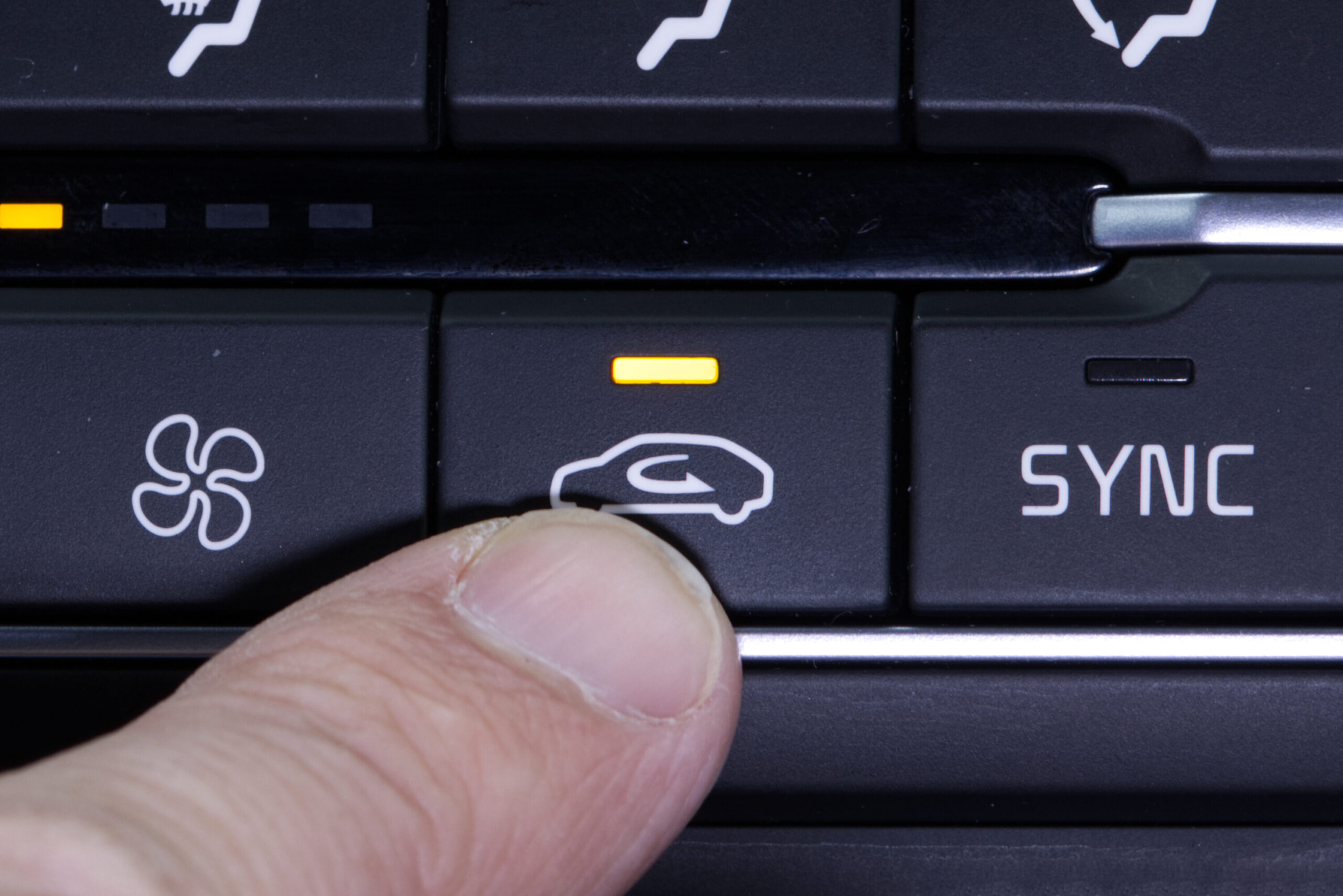
If your air conditioning is not working, your first step should be a visual inspection. Check the cabin air filter and look at the condenser through the front grille for any obvious blockages or damage. If those look clear, start the car, turn the AC to "Max," and listen for the compressor to engage.
If you do not hear the compressor or the air remains warm, avoid using "leak stop" products. Instead, take the vehicle to a certified technician who can perform a vacuum test. This test will determine if the system can hold a vacuum; if it can't, a leak is present. Identifying the exact location of a leak early can save you from a much more expensive compressor replacement later on.