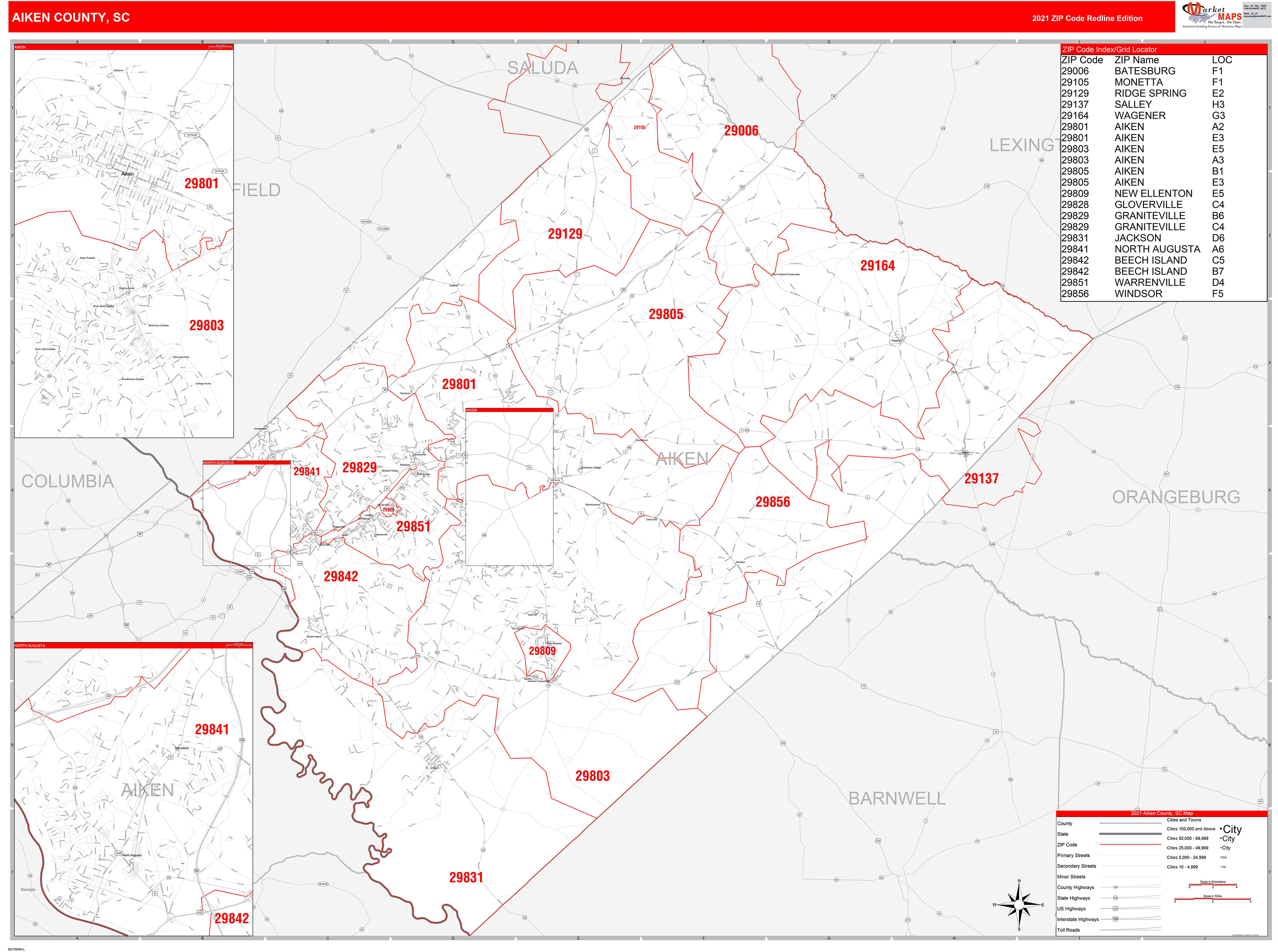
Aiken County, South Carolina, serves as a major administrative, agricultural, and industrial hub within the Central Savannah River Area (CSRA). Residents and visitors accessing the county’s services must navigate a complex network of departmental oversight ranging from property taxation and public records to emergency management and voter registration, all of which are centralized through the official county government infrastructure.
Understanding the Structure of Aiken County Government
Aiken County operates under a Council-Administrator form of government. This structure separates legislative and executive functions, ensuring that the County Council remains responsible for setting policies, enacting ordinances, and adopting budgets, while the County Administrator manages the day-to-day operations and staff of the various county departments.
For those interacting with the county, identifying the correct department is the primary hurdle. The county is segmented into functional divisions: Public Safety, Finance, Public Works, and Judicial Services. Because Aiken is a sprawling county—one of the largest by land area in South Carolina—administrative offices are primarily concentrated in the county seat of Aiken, though satellite services are often available for specific tax or judicial requirements.
Primary Administrative Departments
- Aiken County Treasurer: Responsible for the collection of property taxes, mobile home fees, and the distribution of funds to local taxing entities.
- Aiken County Auditor: Handles the assessment of personal property, vehicle tax valuations, and homestead exemptions.
- Register of Deeds: The repository for all real estate transactions, liens, plats, and UCC filings.
- Clerk of Court: The central office for family court, general sessions, and common pleas records.
Property Taxes and Assessment Procedures
One of the most frequent reasons residents interact with Aiken County offices is the management of property taxes. In South Carolina, property tax is administered at the county level but governed by state statutes.
The Assessment Process
The Auditor’s office determines the taxable value of property, while the Treasurer handles the billing and collection. If you own residential or commercial property, your tax bill is calculated by multiplying the assessed value by the local millage rate.
- Assessment Ratios: Owner-occupied legal residences (legal residence status) are assessed at 4% of fair market value, whereas non-owner-occupied properties and businesses are typically assessed at 6%.
- Appeals: Property owners who disagree with their valuation have a specific window of time to file an appeal. In 2026, taxpayers should consult the current reassessment schedule, as state law requires periodic updates to property values to reflect market conditions.
Payment Deadlines and Penalties
Aiken County property taxes are generally due by January 15 of each year. Failure to pay by the deadline results in penalties that increase the longer the account remains delinquent. It is imperative for homeowners to verify their escrow status if they have a mortgage, as tax bills are sent to the property owner, and not always directly to the mortgage lender.
Navigating Public Records and Judicial Services
Aiken County provides digital access to a significant portion of its public records, though complex document searches often require an in-person visit to the government complex.
Real Estate Records
The Register of Deeds maintains archives of land ownership. Whether you are conducting a title search for a home purchase or researching easements, you can access index records online. However, full document images may sometimes require a subscription service or a visit to the physical office to view original maps (plats) and restrictive covenants that may not be fully digitized.
Judicial Access
The Clerk of Court oversees the filing of civil and criminal cases. If you are involved in a court matter or seeking to serve as a juror, the Clerk’s office is your primary point of contact. Jury duty is a mandatory obligation for residents, and the county manages the selection process through state-provided voter registration and driver’s license databases.
Public Safety and Emergency Management
Aiken County faces specific environmental and safety challenges. The Emergency Management Division (EMD) is tasked with disaster preparedness, which includes planning for natural events such as severe storms or flooding.
- Emergency Alerts: Residents are encouraged to register for the county’s mass notification system. This provides real-time alerts regarding road closures, weather warnings, and public safety threats.
- Sheriff’s Office: The Aiken County Sheriff’s Office manages law enforcement for the unincorporated areas of the county. For those living within the city limits of Aiken, North Augusta, or smaller municipalities, law enforcement may be provided by local police departments, though the Sheriff maintains jurisdiction throughout the entire county.
Comparison of County Service Accessibility
| Service Type | Primary Contact Method | Digital Availability | In-Person Necessity |
|---|---|---|---|
| Property Tax Payment | Website/Mail | High | Low |
| Marriage Licenses | Probate Court | Moderate | High |
| Voter Registration | SC Election Comm | Moderate | Low |
| Building Permits | Planning & Dev. | Moderate | High |
| Court Case Search | Clerk of Court | High | Moderate |
Economic Development and Infrastructure
Aiken County’s economy is heavily influenced by the Savannah River Site (SRS) and a growing manufacturing sector. Consequently, the county’s Planning and Development department plays a critical role in zoning and land use.
If you are a contractor or homeowner planning a significant renovation, obtaining a building permit is a mandatory first step. The Planning and Development office ensures that all construction adheres to current building codes. In 2026, the county is placing a renewed focus on infrastructure improvements, particularly regarding road maintenance and utility expansion in the rapidly growing western portions of the county near North Augusta.
Utilities and Zoning
Unlike urban centers where utilities are often municipal, many residents in unincorporated Aiken County rely on private wells and septic systems. The South Carolina Department of Health and Environmental Control (DHEC) coordinates with the county on permitting for septic systems, while the county oversees the zoning regulations that dictate how land can be developed. Always check your specific parcel zoning before initiating any commercial projects or multi-family construction.
Frequently Asked Questions
1. How do I apply for a homestead exemption in Aiken County? To apply for a homestead exemption, you must visit the Auditor’s office. You generally need to be 65 or older, or legally blind or disabled, and own your home as your primary legal residence. You must provide proof of age or disability documentation.
2. Where do I register to vote in Aiken County? Voter registration is handled through the South Carolina Election Commission, but you can coordinate locally with the Aiken County Voter Registration and Elections office. You can register online, by mail, or in person at the county government office.
3. What are the permit requirements for backyard structures? Requirements depend on the size and location of the structure. Small utility sheds may not require a permit, while larger detached garages or accessory dwelling units (ADUs) require a site plan and building permit. Consult the Planning and Development department before breaking ground.
4. How can I search for criminal records in Aiken County? Public criminal records can be searched through the Clerk of Court’s online portal. Note that some sensitive records, such as those related to family court or juvenile matters, are restricted by state law and cannot be accessed publicly without a court order.
5. Does Aiken County have an animal control ordinance? Yes, the county has specific ordinances regarding leash laws and the registration of domestic animals. These are enforced by the Aiken County Animal Control division. Residents should familiarize themselves with these rules if they own livestock or domestic pets.
Next Steps for Residents
For most residents and business owners, the first step in addressing any administrative concern is identifying the correct department through the official county website. For time-sensitive matters, such as tax payments or permit renewals, aim to complete the process at least two weeks before any stated deadline to account for potential processing delays. If you require in-person assistance, call the specific department beforehand to verify office hours, as some divisions may operate on modified schedules or require appointments for specialized services.