The entry of AI-generated music into the Billboard charts represents a transformative moment for the music industry, signaling a shift where synthetic audio models—often trained on copyrighted datasets—now compete directly with human-authored compositions. As of 2026, Billboard has established specific eligibility criteria to distinguish between human-led creative works and fully autonomous AI productions, ensuring chart integrity while acknowledging the evolving nature of music production.
Understanding the Intersection of AI and Chart Eligibility
For a song to be considered for a position on a Billboard chart, it must meet rigorous standards regarding metadata, distribution, and creative contribution. In the current landscape, the primary challenge for AI-generated music is the "human authorship" requirement. Billboard's policies mandate that, for a song to qualify for the Hot 100 or other mainstream charts, there must be meaningful human input in the composition, performance, and production phases.
An "AI-generated song" typically falls into one of three categories:
- AI-Assisted Music: Humans use generative tools to help with melody, structure, or arrangement, but maintain primary creative control. These are generally eligible for chart inclusion.
- AI-Collaborative Music: An AI model generates significant portions of the track, which are then curated, performed, or significantly edited by human artists. Eligibility here is determined on a case-by-case basis.
- Fully Synthetic Music: Songs created autonomously by AI without substantive human artistic input. Under current guidelines, these tracks often struggle to qualify for industry-standard charts, which prioritize the attribution of authorship to living, human creators.
The Mechanism of AI Song Creation
AI music generation relies on large-scale models trained on millions of data points—specifically, audio files, musical notation, and lyrical databases. When a user inputs a prompt into an AI model, the system predicts the most probable sequence of notes, rhythms, and vocal timbres.
The process involves three main components:
- The Dataset: This includes the corpus of music the model learned from. Critics and legal entities frequently debate whether these models infringe upon the intellectual property of the artists whose work resides in the training data.
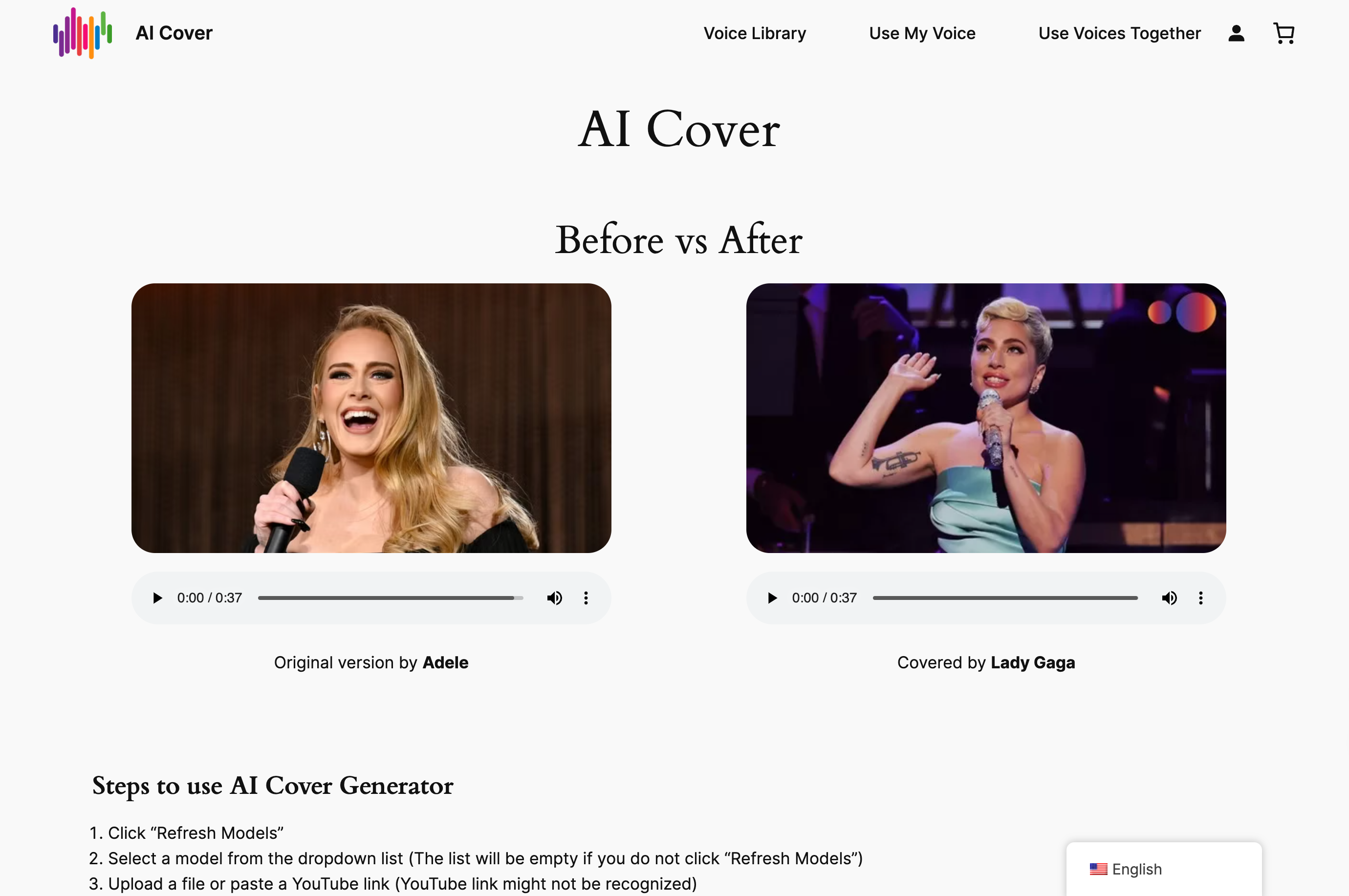
- The Inference Engine: This is the AI software that interprets the prompt and synthesizes the audio. By 2026, inference engines have become highly sophisticated, capable of mimicking the specific vocal characteristics of real-world artists.
- The Master Export: The resulting WAV or MP3 file, which is often uploaded to digital service providers (DSPs) such as Spotify, Apple Music, and Amazon Music.
Billboard’s Data Verification Process
Billboard compiles its charts using data provided by Luminate, a music analytics platform that tracks streaming, radio airplay, and digital sales. Because Luminate and Billboard prioritize verified metadata, AI-generated tracks that are not properly labeled often face "takedowns" or disqualification.
To verify a track, the following data points are scrutinized:
- ISRC Codes: The International Standard Recording Code is mandatory for tracking. If an ISRC is linked to a ghost producer or a fraudulent identity, the track is at risk of being removed from chart consideration.
- Artist Verification: DSPs often require artists to claim their profiles. AI-generated tracks that attempt to impersonate famous artists (e.g., "Deepfakes") are routinely removed for violating the terms of service of major streaming platforms.
- Human Authorship Attribution: Songwriter and producer credits must be listed in the metadata. If an AI is the sole creator, the lack of a human "performing artist" often renders the track ineligible for standard Billboard rankings.
Table 1: Comparison of Music Production Paradigms
| Feature | Traditional Production | AI-Assisted Production | Fully Synthetic AI |
|---|---|---|---|
| Primary Creator | Human Artist | Human + AI Tool | Algorithm/Model |
| Creative Input | Composition, Lyrics, Performance | Human Direction, AI Execution | Prompt-based Generation |
| Copyright Status | High (Human Authorship) | Variable (Hybrid) | Generally Uncopyrightable |
| Billboard Eligibility | Fully Eligible | Eligible with Credit | Currently Ineligible |
| Technical Barrier | High (Requires Studio) | Low (Software Interface) | Minimal (Text-to-Audio) |
Legal and Ethical Implications
The inclusion of AI-generated content on the charts has sparked significant litigation. By 2026, several high-profile cases have reached the U.S. court system regarding the right of publicity. If an AI generates a song that uses a specific celebrity's voice, it violates the legal protections afforded to that person’s identity.
Furthermore, the U.S. Copyright Office has consistently ruled that works produced without "human authorship" cannot be copyrighted. Because the charts rely on legal protections to ensure revenue streams, tracks that lack a valid copyright registration are often viewed as "public domain" or "ineligible assets," making them unsuitable for commercial chart competition.
Navigating the Challenges of AI Music Distribution
For creators attempting to bring AI-integrated music to the mainstream, the path is fraught with technical and regulatory hurdles. If you are an artist utilizing AI tools, you must be transparent about your process.
- Documenting the Human Element: Keep records of how you manipulated, edited, or performed alongside the AI output. If a song is challenged, this documentation acts as proof of "transformative use" and human contribution.
- Metadata Transparency: When submitting tracks to distributors (like DistroKid or TuneCore), explicitly mention the role of AI if required by platform terms. Failing to do so can result in an account suspension.
- Voice Cloning Awareness: Never use AI models that clone the voices of real artists. Even if the music itself is original, the unauthorized use of a distinct vocal identity is a primary cause for removal from streaming platforms and, by extension, exclusion from Billboard rankings.
- Platform Compliance: Each streaming platform has its own evolving policy regarding synthetic content. Familiarize yourself with the terms of service for the specific platform where you plan to release your work.
The Evolution of "Authenticity" in the Chart Era
One of the most persistent questions in the music industry is whether a "Billboard hit" requires a human connection. Historically, the charts have reflected cultural trends and social influence. While AI can simulate the sonic qualities of a hit song, it cannot replicate the social context, the "story" of an artist, or the live touring experience that usually drives long-term chart success.
As of 2026, we see a divergence: AI-generated tracks that mimic viral trends often gain fleeting popularity on social media platforms, but they struggle to maintain the sustained listener retention required to climb the Hot 100. This suggests that while the "sound" of a hit is now democratized, the "success" of a hit remains tied to human-centric factors.
Common Misconceptions Regarding AI and Charts
There is a widespread belief that AI tracks are "taking over" the charts. In reality, the top 100 positions remain heavily dominated by traditional artists who utilize AI as an efficiency tool rather than a replacement for songwriting. The fear that an algorithm will simply produce a number-one song from scratch is largely mitigated by the complexity of the music industry's business model, which relies on touring, endorsements, and fan engagement—things AI currently cannot replicate.
Additionally, some users believe that because a song is "popular" on TikTok or other viral platforms, it is automatically eligible for Billboard. Virality is a factor, but Billboard's data verification process is distinct from the algorithmic recommendation systems used by social media apps. Only streams from authorized, licensed platforms count toward the charts, and those platforms have significantly stricter verification rules than social media sites.
Frequently Asked Questions
Can an AI-generated song reach number one on the Billboard Hot 100? As of 2026, no fully AI-generated song has reached number one. While tracks featuring AI-assisted components have charted, the industry requires human authorship and identity verification for top-tier chart placement.
Is it illegal to release AI-generated music? It is not illegal to release AI music, provided it does not violate the copyright of others, infringe on personality rights (voice likeness), or violate the terms of service of the streaming platforms distributing the music.
Does Billboard flag AI songs? Billboard works with data partners to identify, filter, and monitor tracks. If a track is found to be a fraudulent deepfake or to be masquerading as a human-composed work without proper disclosure, it can be excluded from chart calculations.
How does an AI artist prove authorship? Creators must demonstrate the human work involved in the prompt engineering, arrangement, and post-production editing. Standard documentation for copyright registration is often required to solidify this claim.
Will AI music ever be judged equally to human music? The industry currently distinguishes between "synthetic content" and "human creative works." Whether this distinction remains will depend on future legal precedents and the evolving definition of "authorship" within the music business.
Moving Forward with AI in Your Creative Workflow
If you are a producer or songwriter looking to incorporate AI into your projects, approach the technology as an instrument rather than a ghostwriter. The most successful artists in 2026 are those who use AI to overcome technical barriers—such as generating drum patterns or chord progressions—while maintaining total control over the lyrical narrative and emotional arc of their music.
By prioritizing human-led creative decisions, you ensure that your work remains eligible for industry recognition while safeguarding your intellectual property. As the landscape continues to shift, staying informed about the policies of both streaming services and chart-compilation agencies is essential for any professional navigating the intersection of technology and art.