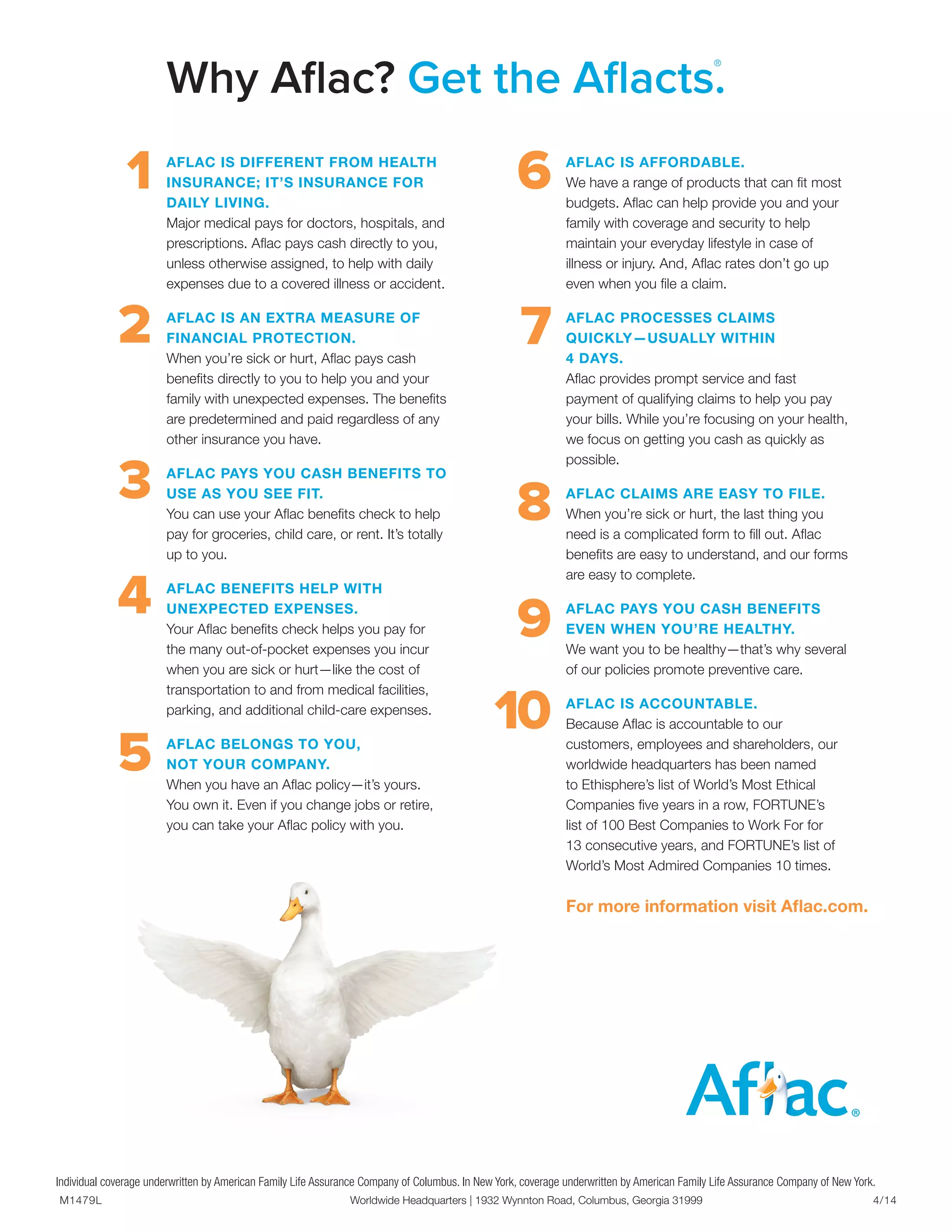
Aflac primarily offers supplemental insurance products—such as accident, cancer, and short-term disability coverage—rather than traditional permanent life insurance policies that accumulate cash value. Consequently, Aflac policies typically do not offer policy loans because they are generally term-based or supplemental health plans that lack an investment or "cash value" component. Policyholders seeking loans against life insurance must hold a permanent policy, such as whole or universal life, from a life-insurance-focused carrier.
The Nature of Aflac’s Product Portfolio
To understand why "Aflac life insurance loans" is an infrequent request, one must first distinguish between the types of insurance products available in the market. Aflac is globally recognized for its supplemental insurance, which provides cash benefits for specific events like accidents, hospital stays, or critical illnesses. These policies are designed to pay out benefits when a covered event occurs; they are not designed to function as financial assets or savings vehicles.
Unlike whole life or universal life insurance—which are "permanent" life insurance products—Aflac’s core offerings do not build cash value over time. Because cash value is the collateral required for a life insurance policy loan, products that do not accumulate this equity cannot support a loan mechanism. If you are looking to take a loan against a policy, you are likely looking for a product that combines a death benefit with a savings element, which is distinct from the supplemental protection that forms the bulk of Aflac’s business model.
Distinguishing Between Permanent and Supplemental Insurance
Life insurance loans are a feature inherent to "Cash Value" life insurance. This category includes Whole Life, Universal Life, and Variable Life insurance. These policies have a dual purpose: providing a death benefit to beneficiaries and acting as a tax-advantaged financial instrument for the policyholder.
How Cash Value Loans Work
In a typical permanent life insurance contract, a portion of your premium is set aside in a cash-value account. This account grows over time, often based on a set interest rate or the performance of underlying investments. As this value grows, the insurance company allows you to borrow against it. This is not a withdrawal; it is a loan taken from the insurer, using your policy’s cash value as security. The interest rates are often favorable compared to traditional bank loans, and the death benefit is usually reduced if the loan remains unpaid at the time of the policyholder's death.
Why Supplemental Coverage Differs
Aflac’s policies are "indemnity" or "supplemental" plans. Their goal is to offset out-of-pocket costs that arise from medical events. These premiums pay for the administrative costs and the potential for a claim payout. Because there is no surplus capital accumulating in an investment account within the policy, there is no "value" to borrow against. If you have an Aflac policy, it serves to protect your income or savings during a health crisis, not to serve as a lending institution for your personal financial needs.
Assessing Your Financial Options in 2026
If your search for a loan stems from a need for liquidity, it is essential to identify the correct financial vehicle. If you do not hold a permanent life insurance policy, you will not find a policy loan option. In 2026, financial planning professionals emphasize that policy loans should be treated with caution, even for those who do have access to them, as they can jeopardize the viability of the life insurance coverage itself if not managed correctly.
If you are currently under the impression that you have a policy that supports a loan, verify your documentation immediately. Check your policy declarations page to see if it is labeled as "Whole Life," "Universal Life," or "Term/Supplemental." If it is a term or supplemental plan, you will need to look into alternative financing routes.
Alternative Sources of Liquidity
- Personal Lines of Credit: Many banking institutions offer unsecured personal lines of credit that function similarly to a loan without requiring an insurance policy as collateral.
- Home Equity Lines of Credit (HELOC): If you are a homeowner, borrowing against the equity in your home is a common method for accessing capital, though it involves placing a lien on your property.
- Retirement Account Loans: Certain employer-sponsored 401(k) plans allow for participant loans. Check with your plan administrator to see if your plan permits this, as it is a common way to borrow against your own assets.
- Emergency Savings: Financial advisors generally recommend prioritizing an emergency fund that covers three to six months of expenses before considering debt-based borrowing.
Comparing Insurance Types for Loan Eligibility
The following table outlines the key differences between insurance types to help you determine if your policy is a candidate for a loan.
| Feature | Supplemental Insurance (Aflac) | Whole/Universal Life Insurance |
|---|---|---|
| Primary Goal | Coverage for specific health events | Death benefit and cash accumulation |
| Cash Value | None | Yes |
| Loan Eligibility | No | Yes |
| Premium Structure | Level or age-banded | Often higher to fund cash value |
| Asset Potential | None | Potential for growth/borrowing |
Troubleshooting Your Policy Documentation
If you are uncertain about the type of policy you hold, follow these steps to clarify your status:
- Retrieve your Policy Schedule: This document, provided when you first purchased the plan, explicitly states the type of insurance.
- Contact Customer Service: Call the number on your policy documentation. Speak with a representative and ask specifically: "Does this policy accumulate a cash value that allows for policy loans?"
- Review the Prospectus/Certificate of Insurance: Look for sections labeled "Non-Forfeiture Values" or "Cash Surrender Value." If these terms do not appear in your policy, the policy does not support loans.
- Verify with your Employer: If your Aflac policy is provided through your workplace, your Human Resources department may have a Summary Plan Description (SPD) that outlines the benefits available to you.
Frequently Asked Questions
Can I withdraw money from my Aflac policy?
No, Aflac supplemental policies are designed for protection rather than savings. You cannot withdraw funds from these policies because there is no cash value account associated with them.
What happens if I stop paying my Aflac premiums?
If you stop paying premiums, the policy will generally lapse. This means you will lose your coverage, and you will not receive any payout or refund of the premiums already paid, as these premiums covered the cost of insurance for the time the policy was active.
Is a life insurance loan considered taxable income?
Generally, a loan taken from a permanent life insurance policy is not considered taxable income because it is technically a loan, not a withdrawal. However, if the policy is surrendered or lapses while a loan is outstanding, the difference between the cash value and the premiums paid could be subject to income tax.
Are there any situations where Aflac provides a "refund"?
Some specific Aflac policies have "Return of Premium" riders. These are not loans; rather, they are specific contract terms that may return a portion of your premiums if no claims were filed over a designated number of years. This is a contractual benefit, not a loan against the policy.
Where can I find information about my specific policy?
You can access your account details through the official Aflac portal or by reviewing the physical copy of the insurance contract provided to you at the time of purchase.
Final Recommendation
If your immediate goal is to access funds, do not attempt to force a "loan" from a policy that is not designed to offer one. Relying on Aflac for liquidity is not a viable strategy because their products lack the cash-value mechanisms found in permanent life insurance. Focus on exploring traditional lending options, such as personal loans or employer-sponsored savings plans, and maintain your Aflac coverage for its intended purpose: shielding your bank account from the high costs of unexpected medical bills. If you require long-term financial planning, consult with a certified financial advisor to discuss whether a permanent life insurance policy is a suitable addition to your long-term portfolio.