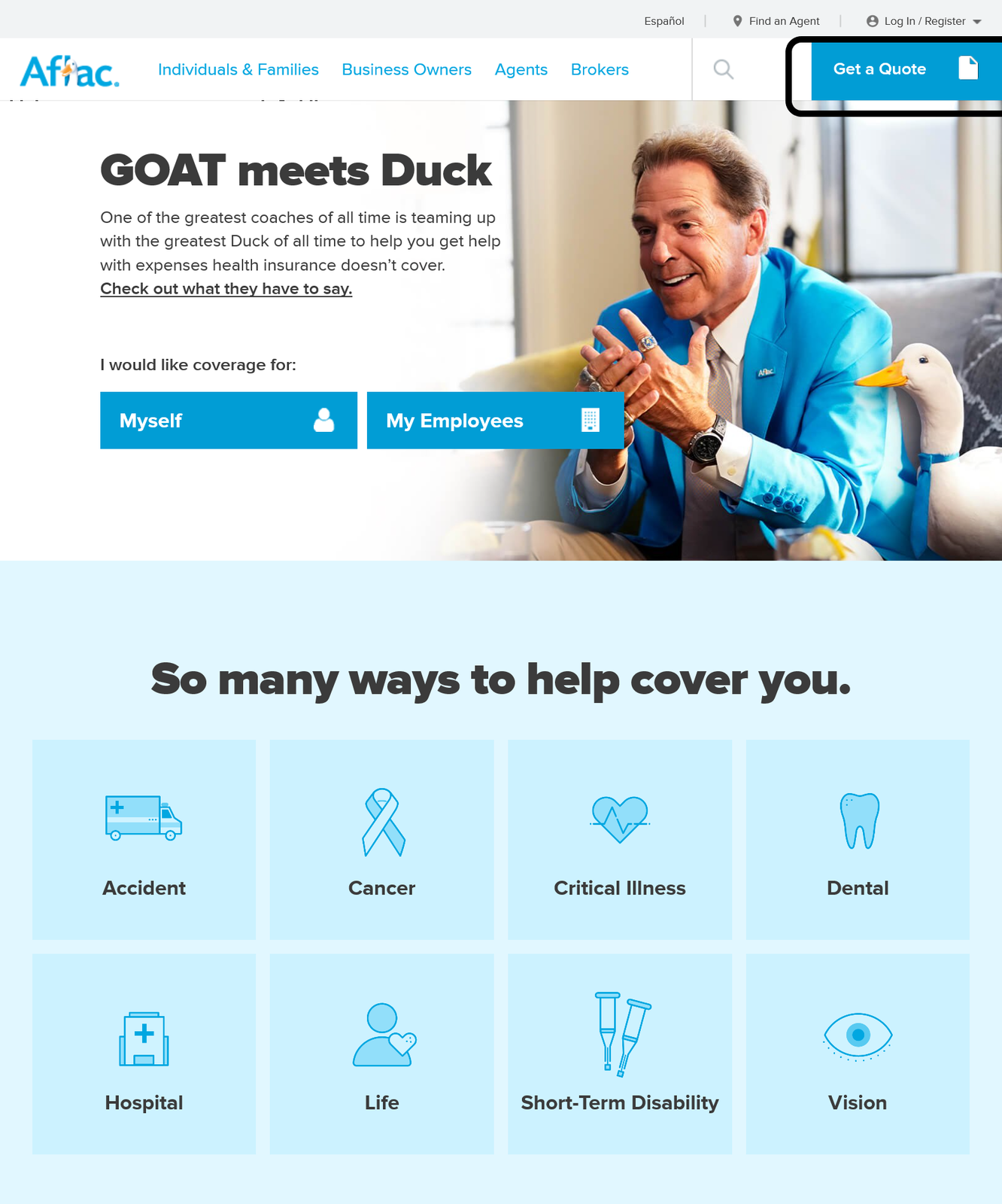
Aflac life insurance benefits typically encompass various term and whole life insurance products designed to provide financial security for beneficiaries. These plans are often offered as voluntary, employee-paid benefits through the workplace, focusing on providing cash payouts to cover funeral costs, medical bills, or ongoing living expenses for survivors following a policyholder’s passing.
The Role of Aflac in the Life Insurance Market
While many consumers primarily associate the brand with supplemental health products like accident or cancer insurance, Aflac also maintains a significant portfolio of life insurance solutions. The fundamental premise of Aflac life insurance is "supplemental" protection. This means these policies are designed to work alongside, not necessarily replace, primary life insurance coverage—such as group policies provided by an employer or individual policies purchased privately.
In the context of 2026, the marketplace for life insurance remains focused on financial stability during inflationary periods. For many, the appeal of Aflac lies in the ease of payroll deduction, which allows premiums to be paid automatically without the policyholder needing to manage manual monthly payments. Because these products are frequently distributed through worksite enrollment, they often feature simplified underwriting processes compared to large-scale, medically underwritten individual life policies.
Core Types of Aflac Life Insurance Policies
To understand the benefits, one must first distinguish between the primary types of life insurance coverage Aflac provides. Each product serves a distinct long-term financial objective.
Term Life Insurance
Term life insurance is designed to provide coverage for a specific duration, typically ranging from 10 to 30 years. It is often the most cost-effective way to secure high coverage amounts during years when financial obligations—such as mortgages or the raising of children—are at their peak. If the policyholder passes away during the term, the death benefit is paid to the beneficiary. If the term expires, the coverage ends.
Whole Life Insurance
Unlike term policies, whole life insurance is a form of permanent coverage. It covers the policyholder for their entire life, provided the premiums are paid. A key feature of whole life insurance is the inclusion of a cash value component. Over time, a portion of the premium goes into a cash account that grows at a specified interest rate. Policyholders may have the option to borrow against this cash value or surrender the policy for its cash surrender value, making it both a death benefit vehicle and a financial savings tool.
Evaluating Key Benefits and Policy Features
When considering the benefits of an Aflac policy, it is essential to look at the specific provisions that add value beyond the base death benefit. While specific terms vary by state and individual contract, these features are common across the provider's lifecycle offerings.
- Portability: One of the most significant benefits for the modern workforce is that these policies are generally portable. If an employee leaves their job, retires, or changes careers, they can often keep their Aflac policy by paying the premiums directly to the company. This maintains continuity of coverage without the need for new medical examinations.
- Simplified Underwriting: Many Aflac policies utilize "guaranteed issue" or "simplified issue" underwriting. This means that individuals might be accepted for coverage with fewer medical questions or no invasive health screenings. This is particularly advantageous for individuals who may have minor health concerns that would make obtaining private life insurance through traditional, fully underwritten channels difficult or prohibitively expensive.
- Level Premiums: For many of the products offered, the premium remains level for the duration of the policy. This provides predictability, allowing families to budget effectively without the concern that costs will increase as the policyholder ages.
- Living Benefits (Riders): Some policies include or offer riders for accelerated death benefits. This allows the policyholder to access a portion of the death benefit if they are diagnosed with a terminal illness. These funds can be used for end-of-life care, medical expenses, or personal needs, significantly reducing the financial burden during a period of crisis.
Comparison of Insurance Structures
| Feature | Term Life Insurance | Whole Life Insurance |
|---|---|---|
| Duration | Set period (e.g., 10–30 years) | Lifetime (if premiums are paid) |
| Cash Value | No | Yes, accumulates over time |
| Cost | Generally lower premiums | Generally higher premiums |
| Purpose | Temporary high-risk coverage | Long-term stability & cash buildup |
| Premiums | Level for the duration | Level for the duration |
Eligibility and Enrollment Prerequisites
Accessing Aflac life insurance benefits typically begins through the workplace. Because these products are categorized as voluntary benefits, the enrollment process is streamlined to occur during an employer’s designated "Open Enrollment" period.
The Enrollment Process
To secure coverage, an individual must be an active employee at a participating company. During enrollment, an Aflac representative or a digital benefits portal will provide details on the available plan options, including the death benefit amount, premium costs, and beneficiary designations. Once selected, the premiums are deducted directly from the paycheck.
Health Eligibility
While many policies are designed for easy access, there are still eligibility requirements. Some policies may ask for health history, and there may be exclusions for pre-existing conditions or specific high-risk activities. It is imperative to review the "Summary of Benefits" provided during the enrollment period to ensure that the policy fits individual health and financial circumstances.
Financial Considerations and Cost Drivers
The cost of life insurance is determined by several variables. Understanding these can help applicants make informed decisions.
- Age: As is standard in the insurance industry, the younger a person is when they initiate a policy, the lower their premiums will be.
- Benefit Amount: The total payout value (the "face amount") directly correlates to the premium. Larger death benefits require higher monthly contributions.
- Type of Policy: Permanent (whole) life insurance is mathematically more expensive than term life insurance because it includes a savings element and lasts indefinitely.
- Tobacco and Health Status: Even for policies with simplified underwriting, tobacco use or certain health conditions may categorize an applicant into a higher risk bracket, resulting in higher premiums.
Common Mistakes to Avoid
- Underestimating Needs: A common error is choosing a policy limit that is too low. A good rule of thumb is to calculate the "DIME" method (Debt, Income, Mortgage, Education) to determine how much money a family would truly need if the policyholder were no longer there to contribute.
- Ignoring Beneficiary Updates: A life insurance policy is only as good as the instructions attached to it. Life events such as marriage, divorce, or the birth of a child require an immediate update to the beneficiary designation. Neglecting this step can lead to legal complications or benefits being paid to the wrong individuals.
- Viewing it as an Investment: While whole life insurance does have a cash value, it should primarily be viewed as a risk-management tool. If the primary goal is high-yield wealth accumulation, financial advisors generally suggest exploring tax-advantaged retirement accounts before relying on the cash value of a life insurance policy.
Frequently Asked Questions
Can I keep my Aflac life insurance if I change jobs? Yes, most Aflac policies are portable. If you leave your employer, you can typically convert your payroll-deducted policy to a direct-billing arrangement, allowing you to maintain your coverage at the same rates, provided you continue to make timely payments to the company.
Do I need a medical exam to get Aflac life insurance? Many of the policies offered through the workplace utilize simplified or guaranteed-issue underwriting. This often eliminates the need for a traditional paramedical exam, though you will still be required to answer health-related questions on the application.
How does the cash value in a whole life policy work? The cash value acts as a savings component. A portion of your premium is set aside and earns interest. Over time, you may be able to borrow against this value or use it to pay future premiums, depending on the specific terms of your contract.
What happens if I miss a premium payment? Missing a payment can lead to the lapse of your policy. If your policy lapses, your coverage terminates, and your beneficiaries will not receive a payout in the event of a death. Aflac typically provides a grace period, but it is critical to contact them immediately if a payment is missed to discuss reinstatement options.
Is Aflac life insurance better than a private policy? There is no universal "better" option; it depends on your needs. Aflac policies are often more convenient due to payroll deductions and simpler underwriting. Private policies from other carriers might offer more customization or higher coverage limits for those who are willing to undergo a full medical underwriting process.
Final Recommendation
When assessing whether Aflac life insurance is the right fit for your financial portfolio, begin by reviewing your current total life insurance coverage. If you are an employee at a firm that offers Aflac, evaluate your existing employer-provided group life insurance. If the provided coverage is insufficient to cover your debts and your family’s living expenses, an Aflac term or whole life policy may serve as an excellent, convenient supplement.
Before signing any documentation, request the "Outline of Coverage" and the "Policy Contract." Review the exclusions carefully—especially regarding suicide, hazardous activities, or pre-existing conditions—and confirm that the portability features align with your long-term career plans. If you are uncertain about the amount of coverage needed, consult with a financial advisor to conduct a proper needs analysis, ensuring your coverage effectively bridges the gap between your current assets and your family’s future requirements.