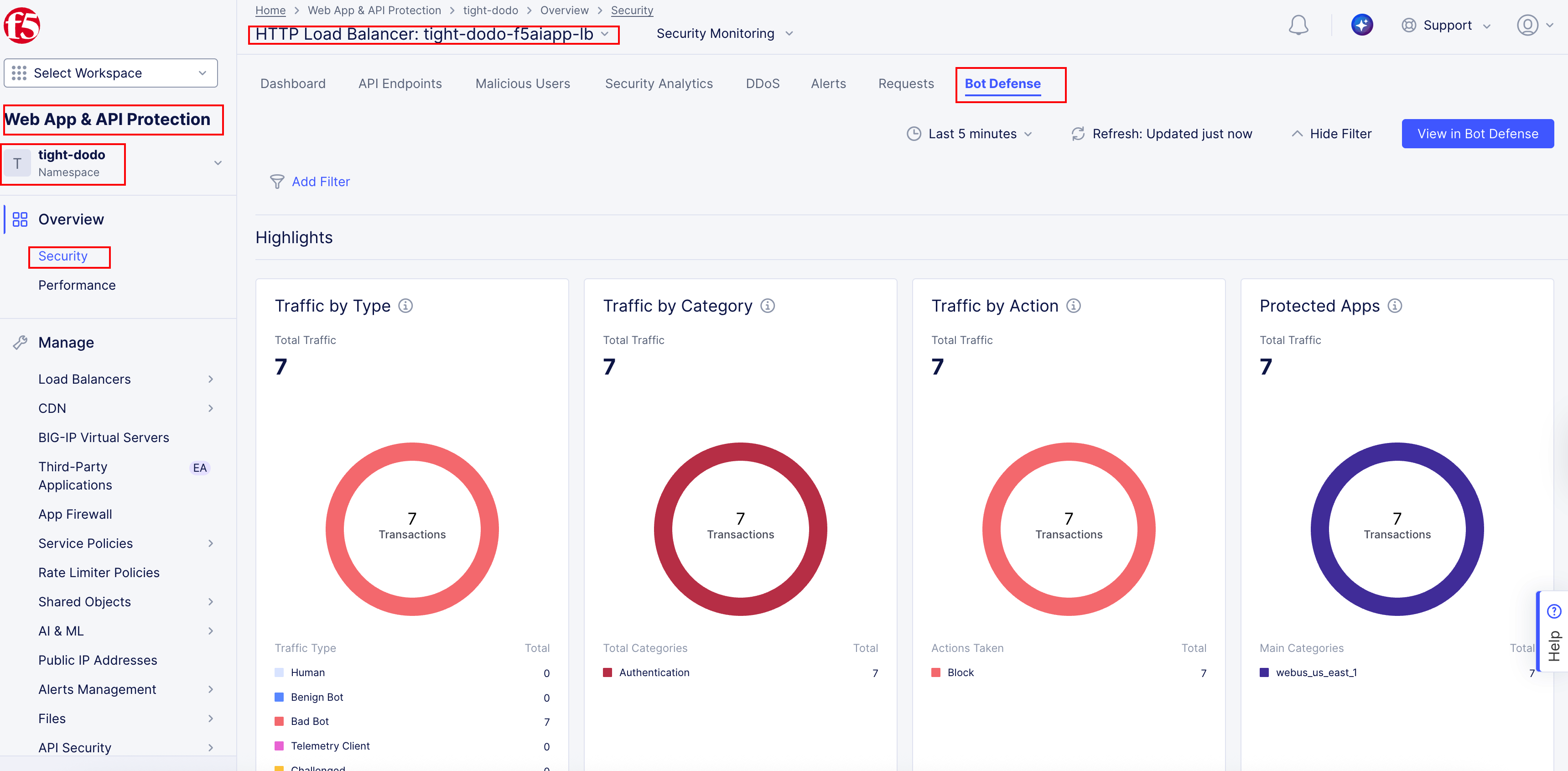
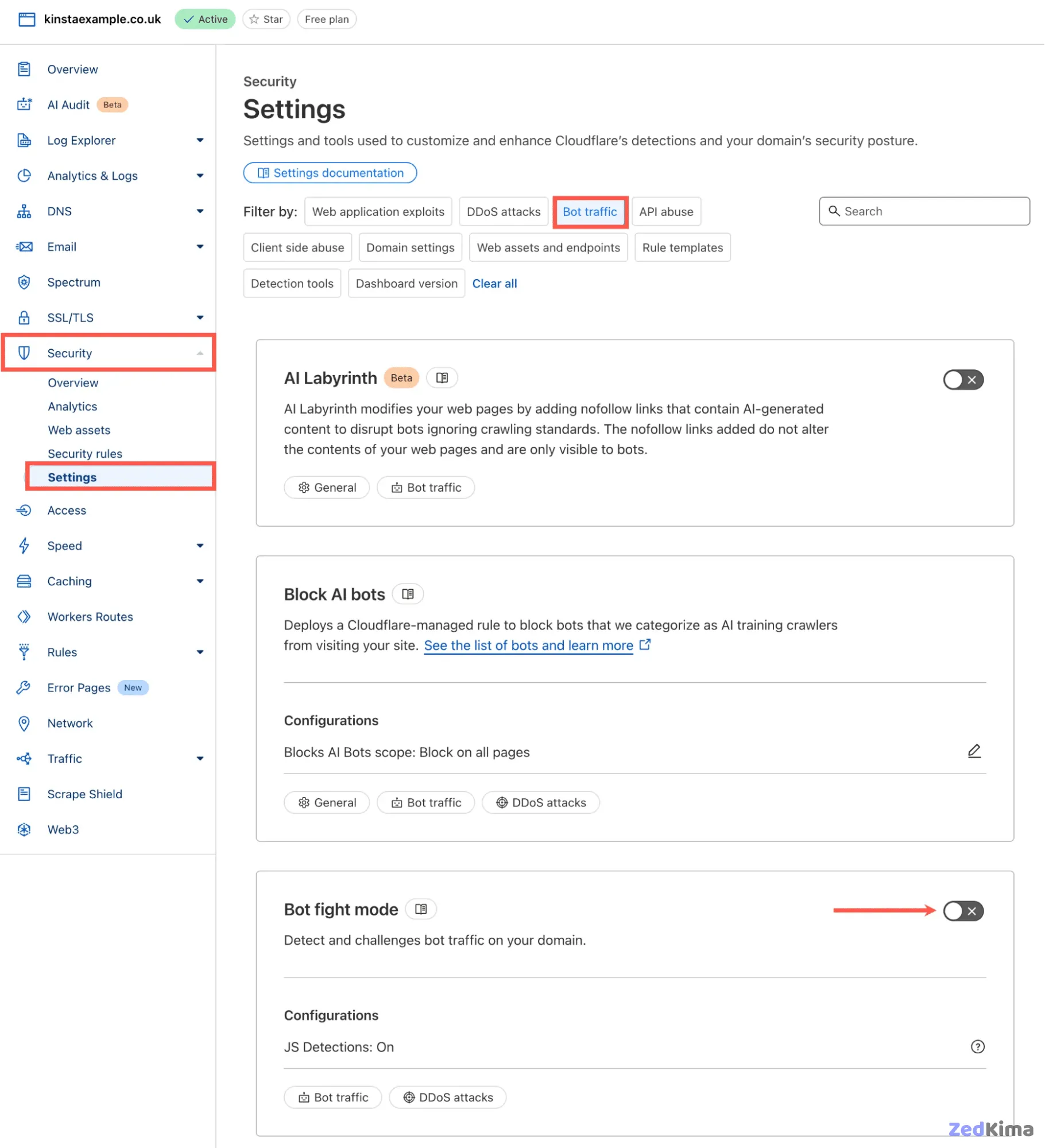
Advanced bot protection within cloud security architectures relies on continuous telemetry, multi-layered behavioral analysis, and real-time risk scoring to block automated malicious traffic while ensuring seamless access for legitimate human users. Modern web applications, API endpoints, and cloud infrastructures face sophisticated automated threats that bypass traditional security measures, necessitating specialized mitigation strategies deployed directly at the network edge and application layers.
The Evolution of Automated Threats and Cloud Vulnerabilities
The landscape of automated attacks has shifted dramatically over the past decade. Early automated threats relied on simple, static scripts that ran from single IP addresses, making them easy to identify and block using basic IP reputation lists or static rate limiting. Today, threat actors deploy distributed botnets leveraging residential proxy networks, headless browsers, and machine learning models designed to mimic human interaction patterns down to mouse movements, keystroke dynamics, and timing intervals.
Cloud environments present a unique surface area for these attacks. Because modern cloud applications rely heavily on Application Programming Interfaces (APIs), microservices, and decoupled front-end frameworks, they offer numerous endpoints for automated exploitation. Threat actors target these environments for credential stuffing, inventory hoarding, account takeover (ATO), scraping proprietary data, and distributed denial-of-service (DDoS) attacks. Traditional perimeter defenses, such as legacy web application firewalls (WAFs) configured with static regular expressions, fail to capture the nuanced behavior of modern automated threats, allowing malicious traffic to blend in with legitimate user activity.
Furthermore, cloud architectures inherently distribute workloads across multiple regions and availability zones. Securing these environments requires bot protection mechanisms that scale dynamically with cloud infrastructure. Security teams must ensure that their bot mitigation tools integrate natively with cloud-native delivery networks, container orchestration platforms, and serverless compute models without introducing latency or degrading the user experience.
Core Mechanisms of Advanced Bot Protection Systems
Deploying an effective defense against sophisticated automated threats requires a combination of telemetry collection, behavioral analysis, and cryptographic challenge-response mechanisms. Advanced bot protection systems operate across multiple layers of the Open Systems Interconnection (OSI) model, inspecting incoming requests before they reach core application logic.
Telemetry and Signal Collection
The foundation of modern bot detection is the collection of diverse client-side and server-side telemetry signals. Security engines evaluate hundreds of indicators per request, including:
- Browser and Device Fingerprinting: Analyzing the execution environment, including canvas rendering, WebGL support, audio contexts, and installed fonts to determine if the client is running a standard, unmodified consumer browser or an automated scraping framework like Puppeteer or Selenium.
- Behavioral Biometrics: Measuring how users interact with the page, such as mouse trajectory curves, acceleration, click distribution, scroll patterns, and touch events on mobile devices.
- Network and Transport Characteristics: Inspecting TLS handshake parameters, HTTP/2 and HTTP/3 settings, cipher suites, and TCP window sizes, which often differ significantly between legitimate browsers and automated scripts.
- IP Reputation and Behavioral History: Evaluating the originating IP address against global threat intelligence databases, checking for data center or residential proxy attribution, and analyzing historical traffic frequency associated with the identifier.
Machine Learning and Risk Scoring
Once telemetry signals are captured, machine learning models process the data in real time to calculate a risk score for each request. Unsupervised models cluster traffic to detect anomalous patterns, while supervised models trained on vast global threat data classify incoming requests as human, good bot (such as search engine crawlers), or bad bot.
Rather than relying on binary decisions, advanced systems use continuous risk scoring. A request with a moderate risk score might not be blocked outright; instead, it is subjected to a progressive challenge that verifies legitimacy without frustrating human users.
Cryptographic and Interactive Challenges
When automated verification is inconclusive, systems deploy interactive or non-interactive challenges. Modern non-interactive challenges execute lightweight cryptographic puzzles in the background of the browser, validating the client environment without requiring user intervention. If a script cannot solve the puzzle or execute the necessary JavaScript runtime environment, the system flags it as automated. For higher-risk scenarios, behavioral CAPTCHAs or frictionless proof-of-work challenges are deployed to disrupt automated workflows while remaining accessible.
Integration Strategies within Cloud Ecosystems
Integrating bot protection into a cloud security architecture requires careful consideration of placement, performance, and operational overhead. Organizations generally choose between edge-native security services, standalone cloud-delivered WAF platforms, and proxy-based architectures.
Edge Computing and Content Delivery Networks (CDNs)
The most effective placement for advanced bot protection is at the cloud edge, typically integrated with a Content Delivery Network (CDN) or edge compute platform. By analyzing traffic at Points of Presence (PoPs) closest to the end user, security systems can intercept and block malicious requests before they consume origin server resources, bandwidth, or database connections. Edge-based mitigation prevents infrastructure degradation during large-scale automated attacks such as credential stuffing or inventory denial events.
API Security and Gateway Integration
Because APIs represent the primary gateway for modern cloud applications, bot protection must extend beyond traditional HTML pages to API endpoints. API-specific bot mitigation focuses on schema validation, tracking parameter anomalies, enforcing strict rate limits per authenticated user session, and detecting credential abuse across mobile applications and single-page applications (SPAs). Security teams often integrate bot protection engines directly into API gateways or service meshes within Kubernetes environments.
| Deployment Model | Primary Advantage | Operational Consideration | Best Suited For |
|---|---|---|---|
| Edge / CDN Native | Blocks attacks before origin ingestion; minimal latency impact. | Requires routing DNS through the security vendor's network. | Public-facing web apps, e-commerce platforms, high-traffic portals. |
| API Gateway Integration | Protects backend microservices and mobile app endpoints directly. | Requires fine-grained tuning to avoid breaking legitimate programmatic integrations. | SaaS platforms, mobile backends, financial services APIs. |
| Reverse Proxy / Sidecar | Deep inspection within private cloud environments and service meshes. | Adds internal networking complexity and potential latency overhead. | Internal enterprise apps, zero-trust architectures, strict compliance zones. |
Operational Challenges and Mitigation Best Practices
Implementing advanced bot protection is not a set-and-forget initiative. Organizations frequently encounter operational hurdles that require ongoing tuning, monitoring, and policy adjustment.
Minimizing False Positives
The primary risk of aggressive bot mitigation is the misclassification of legitimate users, good automated tools (such as monitoring services or partner scrapers), or accessibility tools as malicious bots. False positives directly impact revenue and user trust. To mitigate this risk, security teams should:
- Maintain and regularly audit allowlists for verified business partners, internal testing environments, and critical search engine crawlers.
- Implement gradual enforcement modes (such as logging or monitoring-only) when deploying new rulesets to evaluate impact before enabling active blocking.
- Provide clear, frictionless fallback mechanisms and support pathways for users incorrectly flagged by the system.
Evasion Techniques and the Cat-and-Mouse Dynamic
Adversaries continuously adapt their automation frameworks to evade detection. Threat actors utilize residential proxy rotation to bypass IP-based blocks, employ human-in-the-loop solver services to defeat challenges, and mimic advanced browser fingerprints. Consequently, security teams must treat bot protection as a dynamic capability rather than a static control. Relying solely on signature-based detection is insufficient; organizations must partner with vendors or maintain internal systems that leverage global threat intelligence sharing and frequent machine learning model updates to counter evolving evasion techniques.
Managing Performance and Latency
Cloud-native applications demand low latency to maintain optimal user experience and search engine optimization (SEO) rankings. Introducing deep inspection, cryptographic challenges, and machine learning scoring inline can add milliseconds to request processing times. Architects must evaluate the performance SLA of their security tooling, leverage asynchronous telemetry collection where appropriate, and ensure that edge decision-making engines are geographically distributed to minimize network hops.
Compliance, Privacy, and Data Governance
Advanced bot protection mechanisms collect extensive telemetry from end-user devices, including browser attributes, network metadata, and behavioral biometrics. This data collection intersects directly with global data privacy regulations such as the European Union's General Data Protection Regulation (GDPR), the California Consumer Privacy Act (CCPA), and other regional frameworks.
Organizations deploying bot protection must ensure that their vendors and internal configurations adhere to strict privacy standards:
- Data Minimization: Collect only the telemetry signals strictly necessary for security evaluation and threat detection.
- Anonymization and Pseudonymization: Ensure that client fingerprints, IP addresses, and behavioral logs are hashed, pseudonymized, or aggregated to prevent the direct identification of natural persons where required by law.
- Transparency: Update privacy policies and cookie notices to inform users that automated security measures and device fingerprinting technologies are utilized to protect the platform from fraud and abuse.
Frequently Asked Questions
What is the difference between a traditional WAF and advanced bot protection?
Traditional Web Application Filters (WAFs) primarily inspect incoming HTTP traffic against signature databases, known malicious IP lists, and static regular expressions to block known vulnerabilities like SQL injection or cross-site scripting. Advanced bot protection focuses on identifying automated, non-human traffic patterns by analyzing client-side telemetry, behavioral biometrics, and machine learning risk scores, even when the requests originate from clean IP addresses and mimic standard browser behavior.
How do advanced bot protection systems avoid blocking legitimate search engine crawlers?
Advanced security platforms maintain dynamic directories of verified search engine bots, such as Googlebot or Bingbot. These systems verify legitimate crawlers using reverse DNS lookups, cryptographic validation, and autonomous IP verification against published provider ranges, ensuring that SEO indexing is not disrupted while malicious scrapers are blocked.
Can advanced bot protection stop credential stuffing attacks?
Yes. Credential stuffing involves automated login attempts using lists of compromised username and password pairs. Advanced bot protection stops these attacks by analyzing the request frequency, identifying headless browser signatures, evaluating device posture anomalies, and detecting anomalous behavioral patterns on authentication endpoints before the requests hit the identity management system.
Does deploying bot protection introduce noticeable latency for users?
When deployed correctly at the cloud edge or integrated via optimized content delivery networks, advanced bot protection adds negligible latency—typically measured in single-digit milliseconds. Modern architectures evaluate lightweight telemetry asynchronously or leverage efficient edge compute runtimes to make real-time decisions without degrading the user experience.
What should organizations look for when selecting a cloud bot protection vendor?
Key evaluation criteria include global threat intelligence capabilities, low false-positive rates, native integration with existing cloud infrastructure and CDNs, robust API protection features, transparent reporting dashboards, and compliance with relevant data privacy regulations.
Conclusion and Next Actions
Securing modern cloud applications against sophisticated automated threats requires moving beyond legacy static defenses toward intelligent, context-aware bot protection architectures. Organizations should begin by auditing their current exposure across web and API endpoints, identifying high-risk workflows such as authentication, account creation, and checkout funnels. Security teams should then evaluate edge-native solutions that integrate seamlessly with their existing cloud delivery networks, implement monitoring modes to baseline traffic, and gradually transition to active mitigation while maintaining continuous oversight to minimize false positives and adapt to emerging threat vectors.