Accessing adult content through a Roku device requires navigating specific platform policies, utilizing private or unofficial channels, or leveraging casting and screen-mirroring alternatives from external devices. Roku maintains strict content guidelines on its official Channel Store, which significantly limits explicit material directly available through standard searches, meaning users must understand alternative setup procedures, compatibility factors, and security considerations to view mature media on their living room televisions.
The Roku Content Ecosystem and Official Store Policies
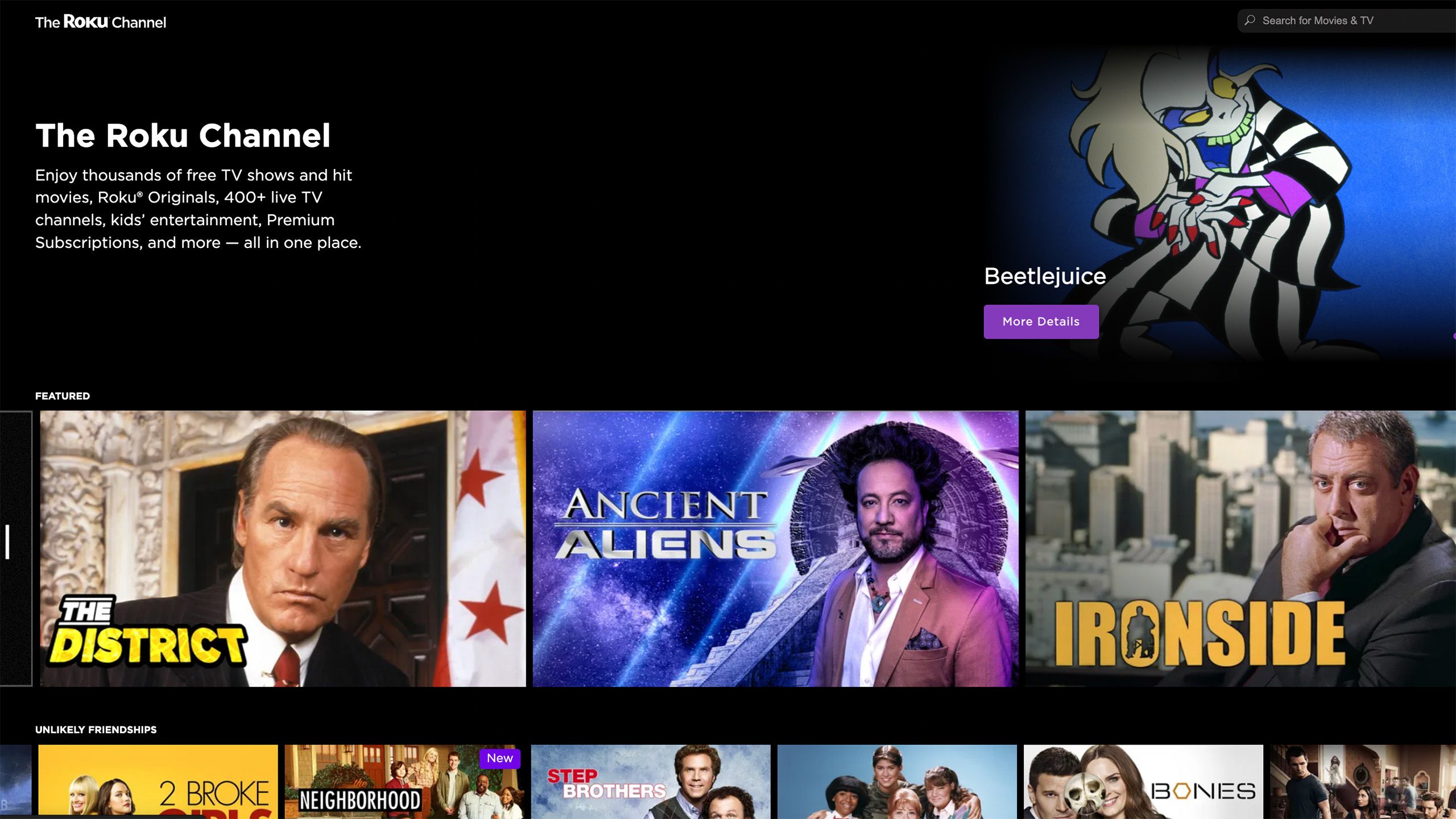
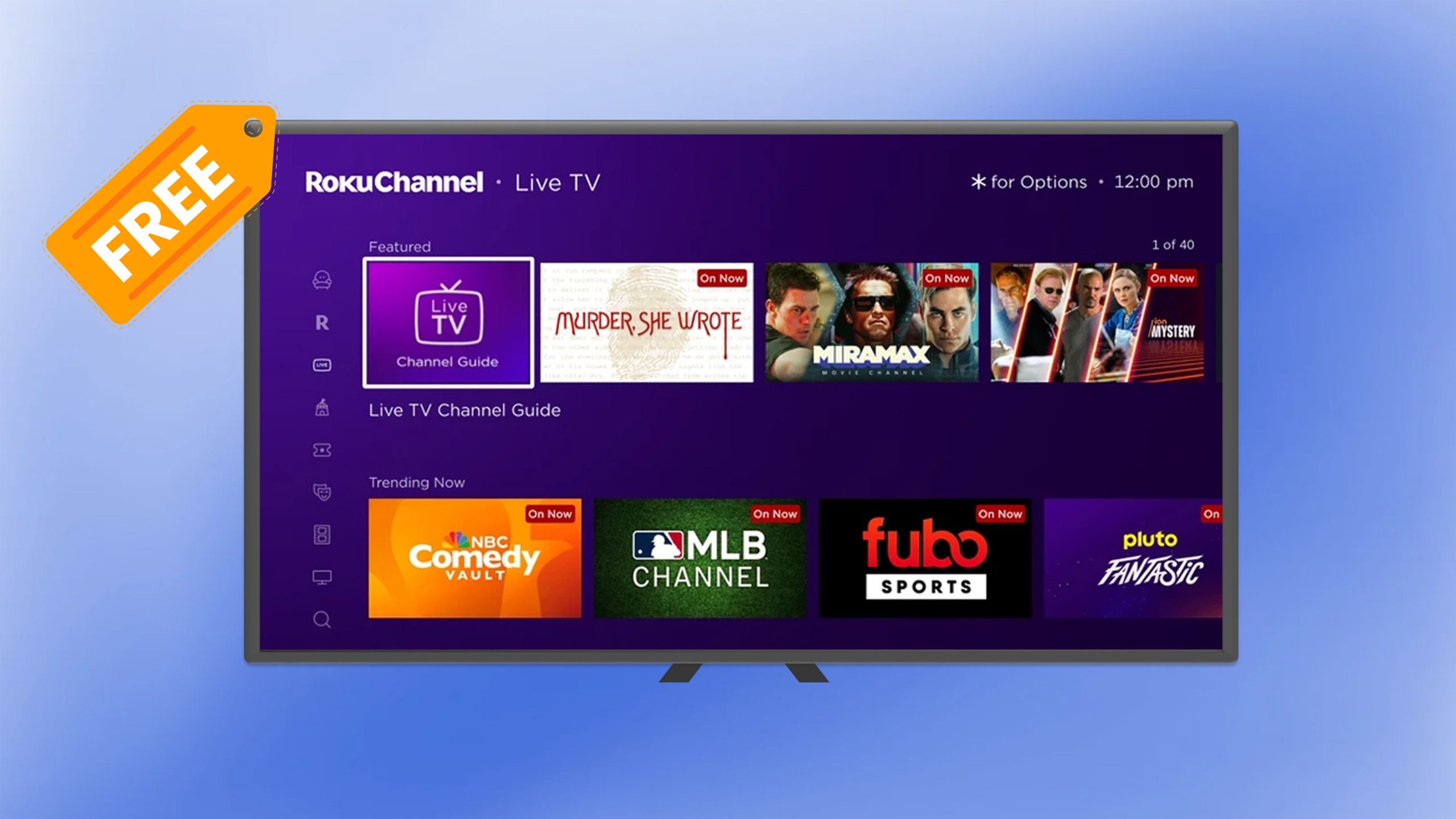
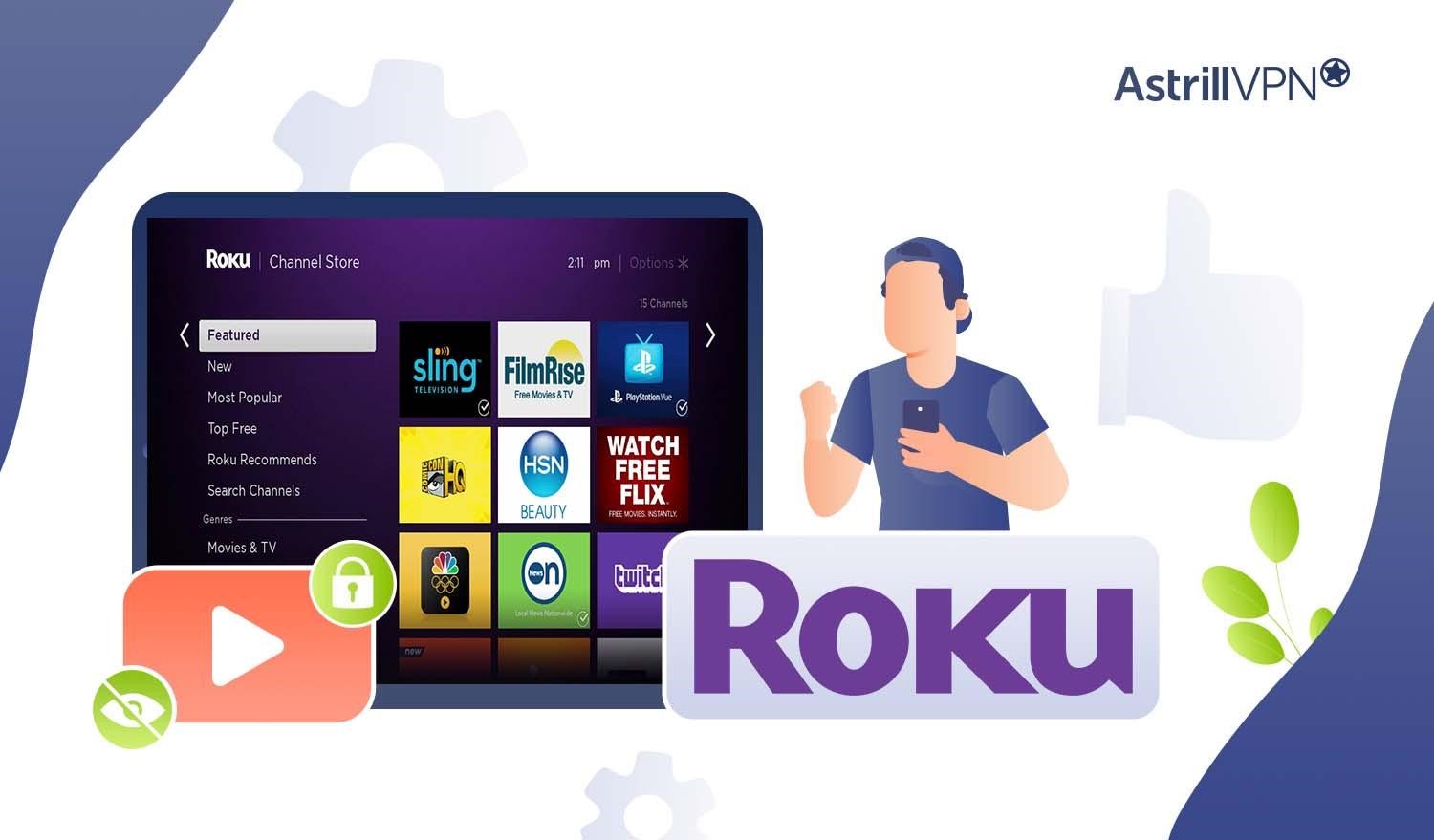
Roku operates a heavily curated digital storefront that enforces stringent content moderation policies. To maintain a broad market appeal and comply with various family-friendly broadcast standards, Roku prohibits explicit adult channels, pornography, and unrated sexually explicit material from appearing in the official, public Roku Channel Store. Developers who attempt to submit applications containing explicit video content face immediate rejection or removal under Roku’s developer terms of service.
Consequently, searching for mainstream adult terms within the standard Roku interface yields no direct results for explicit streaming networks. Users often encounter confusion when traditional web-based adult platforms lack a native application for Roku devices. Understanding this fundamental policy restriction prevents frustration and clarifies why alternative methods—such as casting from a smartphone, tablet, or personal computer—become necessary for individuals seeking mature entertainment on their Roku-enabled displays.
Methods for Viewing Mature Content on Roku Devices
Because direct application downloads are restricted by platform policies, users typically rely on alternative technical methods to bridge the gap between adult media providers and their Roku hardware. These methods require varying degrees of technical setup, hardware compatibility, and security awareness.
Screen Mirroring and Casting
Screen mirroring and casting represent the most common and accessible workarounds for displaying content from an external device onto a Roku TV or streaming stick.
- Miracast (Windows and Android): Roku devices natively support Miracast protocols, allowing Windows PCs and Android smartphones to mirror their exact display onto the television screen. Users can open an adult web browser on their phone or computer, navigate to a preferred platform, and initiate a system-level screen mirror.
- AirPlay (Apple iOS and macOS): Modern Roku devices support Apple AirPlay and HomeKit. Users operating an iPhone, iPad, or Mac can utilize the AirPlay icon within a video player or the iOS control center to cast browser tabs or video streams directly to the Roku screen.
Private Channels and Developer Mode
Historically, the Roku ecosystem permitted "private channels" (also known as beta or unlisted channels) that required a specific invite code for installation. Over the years, Roku has systematically phased out or severely restricted private channels to tighten security and curb copyright infringement and policy violations. While developer mode can still be sideloaded onto a Roku device for custom application testing, it is not a viable or practical solution for everyday streaming of commercial adult content, as it requires maintaining a local development server and frequently recompiling code packages.
| Access Method | Technical Complexity | Hardware Requirements | Primary Limitation |
|---|---|---|---|
| AirPlay / Casting | Low | Compatible iOS, Android, or PC device | Requires an active secondary device; potential connection lag |
| Web Browser (Roku App) | Low | Roku mobile app with web capabilities | Limited direct video playback support on native Roku UI |
| Developer Sideloading | High | Computer, Roku developer account | Complex setup; intended for developers, not consumers |
Technical Requirements and Device Compatibility
Executing screen mirroring or casting successfully requires ensuring that both the Roku device and the source streaming device are configured correctly. Network stability plays a critical role in high-definition video playback, especially when mirroring dynamic web streams.
Network Configuration
Both the Roku device and the casting device must reside on the same local Wi-Fi network. Interference or isolation settings on network routers—such as Access Point (AP) isolation—can block devices from communicating locally, preventing AirPlay or Miracast connections from establishing successfully. Utilizing a stable 5 GHz Wi-Fi band or an Ethernet connection for the Roku device reduces latency and buffering issues during video playback.
Firmware and Operating System Updates
Roku OS updates regularly, which can occasionally alter screen mirroring permissions or protocol behaviors. Users should verify that their Roku device runs the latest available software version by navigating to Settings > System > System update > Check now. Similarly, iOS, Android, and Windows operating systems must be updated to ensure seamless handshake protocols with the Roku casting receiver.
Privacy, Security, and Family Considerations
Streaming mature content within a shared household environment introduces distinct privacy and security challenges that require deliberate management.
Device History and Account Management
When casting from a personal smartphone or computer, browser history, cache files, and open tabs remain on the source device unless managed manually or opened in private/incognito browsing modes. Furthermore, Roku accounts are often tied to primary household credit cards used for purchasing subscriptions or renting movies through the official store. Users must ensure that casting activities do not inadvertently expose account credentials or link unintended payment methods to external third-party sites.
Parental Controls and PIN Protection
To prevent minors from accessing restricted areas, casting features, or unauthorized applications, Roku provides robust parental control options. Setting up a Roku PIN prevents unauthorized users from adding new channels, changing system settings, or making purchases. While parental controls do not block incoming screen-mirroring streams originating from an external device, securing the physical environment and managing device access points protects younger viewers from accidental exposure.
Troubleshooting Common Connection Issues
Users attempting to cast or mirror content to a Roku device frequently encounter specific technical hurdles. Addressing these issues systematically restores functionality.
- Connection Drops: If the mirrored stream freezes or disconnects, verify network signal strength. Restarting both the router and the Roku device often clears temporary cache corruption in the network stack.
- AirPlay Not Responding: Ensure that AirPlay is enabled on the Roku device by navigating to Settings > Apple AirPlay and HomeKit. If the option is missing, verify that the Roku model supports AirPlay and that it has completed all pending system updates.
- Audio-Only or Black Screen: Certain web video players utilize digital rights management (DRM) or custom rendering engines that block screen capture protocols. If a black screen appears while audio plays, switching to an alternative browser or utilizing a different video source format on the host device usually resolves the conflict.
Frequently Asked Questions
Can I download an adult app directly from the Roku Channel Store?
No. Roku’s strict content policies prohibit explicit adult applications, pornography, and unrated explicit media from being hosted or distributed on the official Roku Channel Store.
Is it possible to use private channel codes to access adult content?
Roku has systematically deprecated and restricted private channels. Most legacy private codes for adult content are inactive, and attempting to use unverified developer scripts violates Roku’s terms of service.
How can I watch mature video content on my Roku TV?
The most reliable method is screen mirroring or casting from a smartphone, tablet, or personal computer connected to the same local Wi-Fi network, utilizing protocols like Apple AirPlay or Miracast.
Does casting adult content compromise my Roku account security?
Casting relies on a local network peer-to-peer connection rather than authenticating through your Roku account. However, you should exercise caution regarding browser security and shared device histories on the host smartphone or computer.
Why does my screen mirroring disconnect randomly?
Frequent disconnects are usually caused by local Wi-Fi interference, network congestion, or power-saving modes enabled on either the Roku device or the casting smartphone or computer.
Conclusion and Next Actions
Navigating the limitations of an adult Roku channel requires understanding that direct application downloads are unavailable due to platform policies. By utilizing secure screen mirroring, maintaining stable local network connections, and practicing safe browsing habits on external casting devices, users can achieve their viewing goals without violating system constraints. Verify your device compatibility, ensure your operating systems are fully updated, and utilize private browsing windows on your source devices to maintain privacy and security.