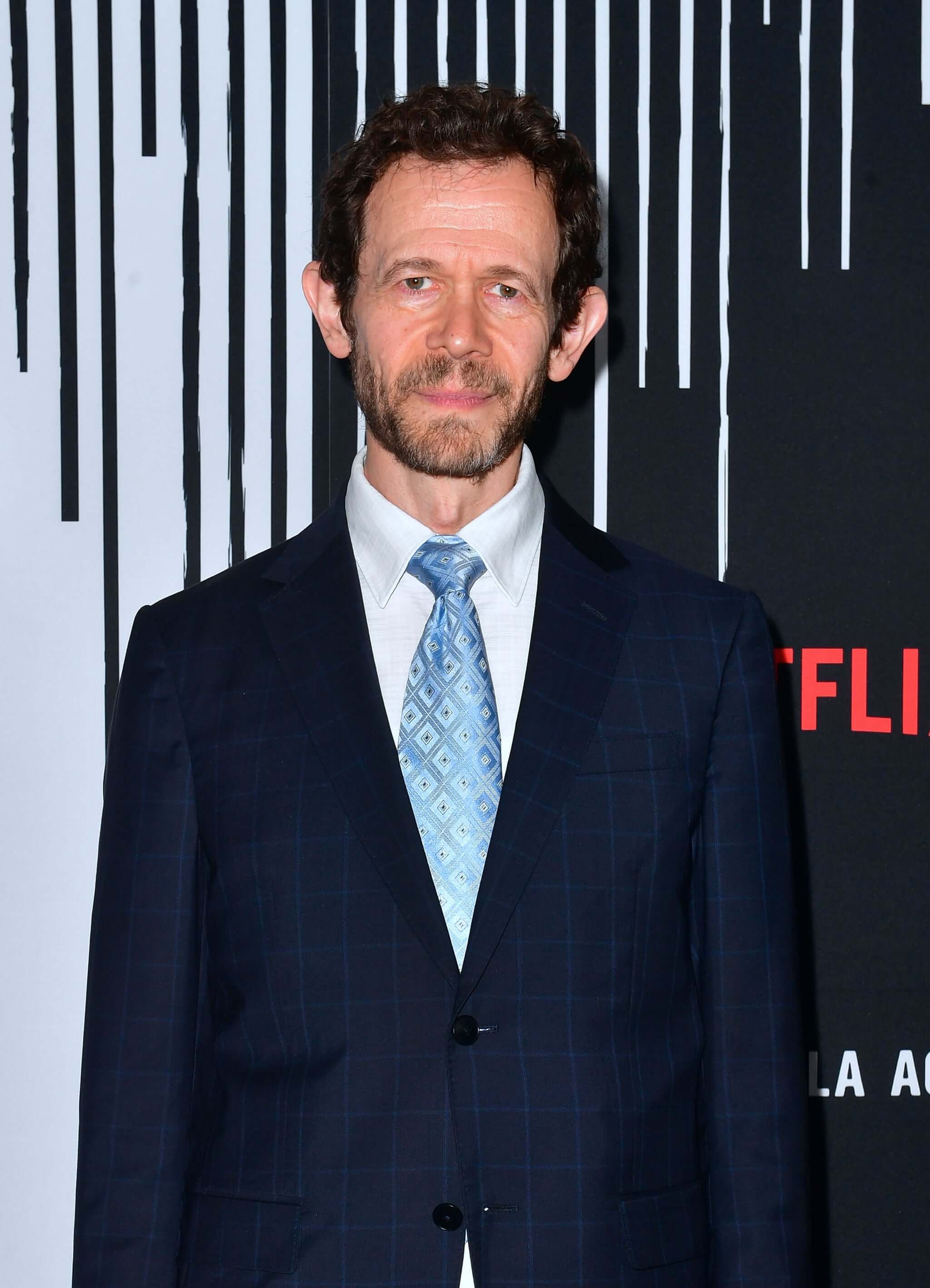
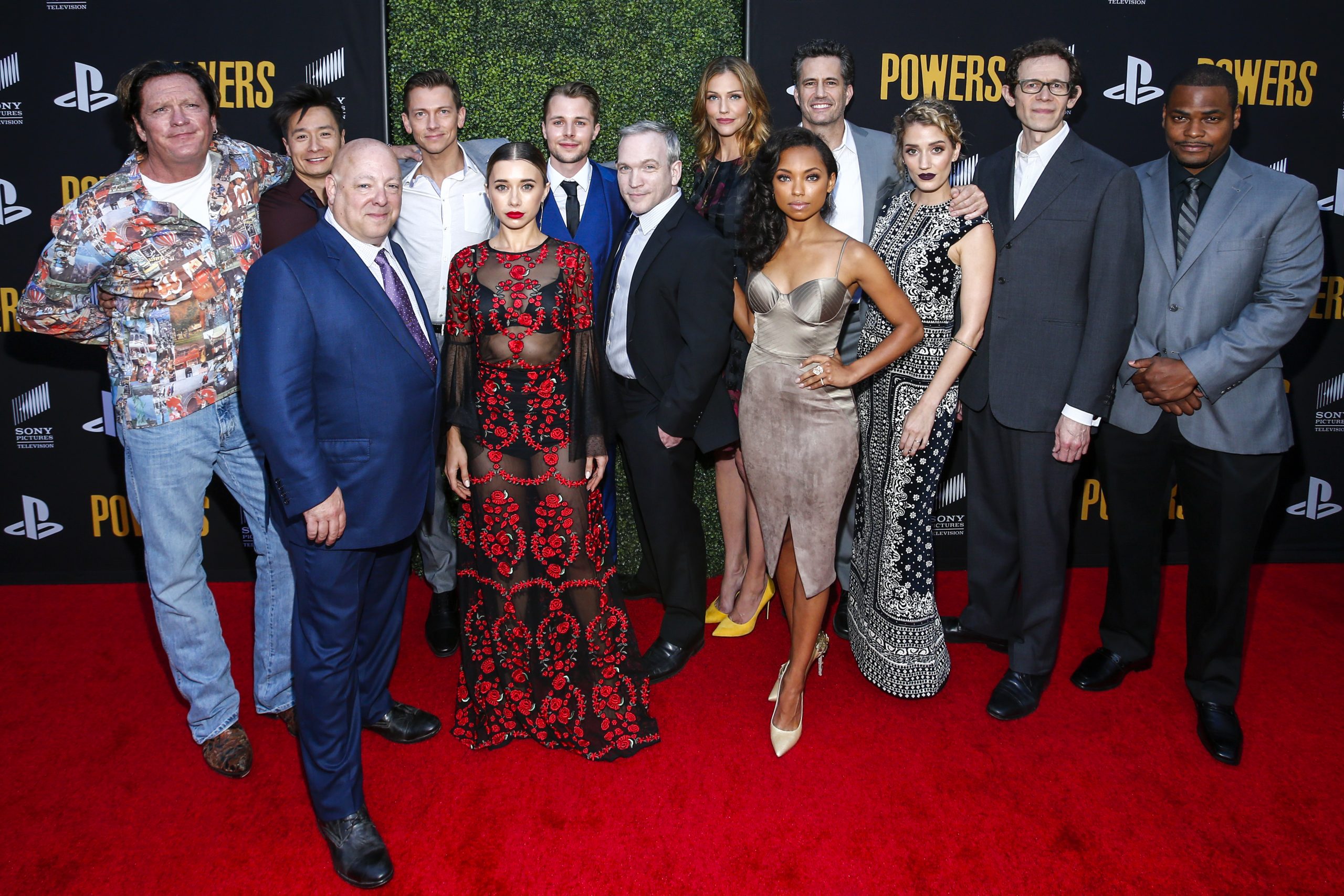
Adam Godley’s net worth is estimated to be between $2 million and $3 million as of 2026. Built across four decades of high-caliber performance, his wealth stems from consistent work in major Hollywood films, acclaimed streaming series, recurring roles on classic cable dramas, and elite stage productions on Broadway and the West End.
Financial Disclaimer and Estimation Methodology
Evaluating the financial portfolio of a working character actor requires examining public union pay scales, credited roles, theatrical box office grosses, and industry standard residual structures. Unlike corporate executives or public company founders, actors are not required to publish private tax returns or asset ledgers.
The estimates presented in this analysis rely on verified SAG-AFTRA (Screen Actors Guild – American Federation of Television and Radio Artists) and UK Equity rate cards, box office earnings reports, theatrical production tier guidelines, and standard talent agency commission deductions. Figures represent net worth accumulated through direct acting compensation, long-tail performance royalties, voiceover work, and motion-capture performances, adjusted for standard professional overheads such as management fees, legal representation, and income taxation across foreign and domestic jurisdictions.
Estimated Net Worth Overview
Adam Godley has carved out one of the most resilient and versatile careers in contemporary screen and stage acting. Rather than relying on the single massive payday typical of top-billed action stars, Godley’s financial success reflects the steady, cumulative wealth-building strategy of a premiere character actor.
| Metric / Financial Indicator | Estimated Value / Status (2026) |
|---|---|
| Estimated Net Worth Range | $2,000,000 – $3,000,000 |
| Primary Sources of Income | Television Series (Recurring/Regular), Stage Roles, Major Film Backend |
| Key Television Projects | The Umbrella Academy, The Great, Breaking Bad, Suits |
| Key Stage Achievements | 2x Tony Award Nominee, 4x Olivier Award Nominee |
| Primary Industry Guilds | SAG-AFTRA (USA), Equity (UK) |
| Active Financial Era | 1977–Present (Peak Earnings: 2005–Present) |
| Typical Contract Level | Guest Star / Recurring Guest / Series Regular / Principal Stage |
Godley’s steady transition from acclaimed British theatrical child actor to internationally recognized screen talent has enabled him to maintain consistent financial liquidity while diversifying his portfolio across television syndication, global streaming platforms, and feature film releases.
The Economics of a Master Character Actor
To understand how Adam Godley achieved his current financial standing, it is essential to examine the business model of a top-tier character actor. Unlike movie leads who command upfront eight-figure salaries but experience wide multi-year gaps between major releases, character actors rely on high role volume, multi-medium employment, and long-term passive royalty streams.
- Stage Productions: Stable Base Income & Prestigious Industry Standing
- Adam Godley Earnings Model: Multi-Medium Revenue Diversification
- Feature Films: Massive Upfront Fees & Global Residuals
- Television / Streaming: High Per-Episode Pay & Passive Syndication
1. High-Volume Work Ethic
Godley has logged dozens of major credits across television, film, and theatre. By maintaining continuous visibility among casting directors in both London and Los Angeles, he minimizes extended periods of unemployment, smoothing out the income volatility that typically affects creative freelancers.
2. Geographically Flexible Market Access
Holding deep roots in both the United Kingdom and the United States allows Godley to work seamlessly under both UK Equity and US SAG-AFTRA jurisdiction. This dual-market presence enables him to capture high-budget US television projects while simultaneously booking prestigious West End theatrical runs and European co-productions.
3. Specialization in Distinctive Roles
Character actors with unique physical presence, distinctive vocal delivery, and exceptional classical training command higher day rates and guest-star fees than general background or entry-level supporting players. Godley’s reputation as a dependable actor capable of handling complex comedic, tragic, and fantastical roles makes him a prime candidate for high-value supporting contracts.
Television Career: The Core engine of Wealth Creation
While theatre earns prestige, television serves as the primary cash engine for modern actors. Godley’s television work spans broadcast network procedurals, prestige cable dramas, and global streaming tentpoles, creating a robust balance of upfront compensation and ongoing residual checks.
The Umbrella Academy (Netflix)
Godley’s portrayal of Pogo—the intelligent, voiced, and motion-captured chimpanzee butler—represented a multi-season series regular income stream across the show’s four-season run.
- Voice and Motion-Capture Premium: Voice acting combined with physical performance tracking often commands specialized contractual compensation.
- Global Streaming Rates: As a main cast member on a high-performing Netflix global property, per-episode rates for veteran actors on later seasons routinely reach deep into five-figure to low six-figure amounts per episode.
The Great (Hulu / Starz)
Playing the eccentric Archbishop (Archie) across three seasons of the critically acclaimed series The Great provided Godley with another major long-term recurring revenue source. Premium streaming platforms pay competitive per-episode fees for established character actors, supplemented by international distribution licensing fees paid out through secondary markets.
Breaking Bad (AMC)
Godley played Elliott Schwartz, co-founder of Gray Matter Technologies and former business partner of Walter White, appearing in key episodes throughout the series, including the series finale "Felina."
- Syndication Impact: Although Godley appeared in a limited number of episodes, Breaking Bad is one of the most heavily syndicated and re-streamed shows in television history.
- Residual Life Cycle: Under SAG-AFTRA basic agreements, broadcast reruns, basic cable airings, international syndication, and digital platform sales continue to generate quarterly residual checks decades after original air dates.
Suits (USA Network)
As Nigel Nesbitt, the eccentric British rival to Louis Litt, Godley delivered a memorable recurring arc. The global streaming resurgence of Suits across major platforms generated renewed residual streams for the entire supporting cast under union streaming residual calculations, contributing passive income years after the show concluded its original cable run.
| Television Project | Network / Platform | Financial Impact Structure |
|---|---|---|
| The Umbrella Academy | Netflix | Multi-season regular salary & voice/mocap performance fees |
| The Great | Hulu / Starz | Series regular salary across three full seasons |
| Breaking Bad | AMC | High-value residual checks from global syndication & box sets |
| Suits | USA Network / Netflix | Cable guest star pay + massive long-tail streaming residuals |
Stage Achievements and Broadway Earnings
Before achieving widespread on-screen recognition, Adam Godley established himself as a stage actor of the highest order. Stage acting generally pays lower top-line salaries than television or film, but top-tier Broadway and West End productions provide lucrative, predictable weekly incomes for key performers.
The Lehman Trilogy
Godley earned widespread critical acclaim and a Tony Award nomination for Best Performance by a Leading Actor in a Play for his work in The Lehman Trilogy.
- Commercial Success: Directed by Sam Mendes, the play enjoyed sell-out runs at the National Theatre in London, the Park Avenue Armory, the Piccadilly Theatre in the West End, and the Nederlander Theatre on Broadway.
- Broadway Production Scales: Lead actors in profitable Broadway productions receive substantial weekly base salaries under Actors' Equity League agreements, often enhanced by over-scale negotiated rates, weekly profit sharing bonuses, and archival broadcast recording royalties.
Classic West End & Broadway Credits
Godley’s stage résumé includes major productions such as:
- Anything Goes (Tony Award Nomination)
- Private Lives (Olivier Award Nomination)
- Mouth to Mouth (Olivier Award Nomination)
- Rain Man (West End co-starring alongside Josh Hartnett)
A nomination for a Tony or Olivier Award significantly enhances an actor's market value, allowing agents to negotiate higher base rates for subsequent television and film guest-starring appearances.
Film Roles and Studio Paychecks
In addition to episodic television and main-stage plays, Godley’s filmography includes supporting roles in high-grossing studio releases. Feature film compensation for character actors operates on daily or weekly scale rates, often negotiated well above union minimums based on the actor's resume.
- Studio Film Projects
- Charlie and the Chocolate Factory (2005): Global Box Office: $475M+ (Mr. Teavee)
- Love Actually (2003): Global Holiday Classic (Mr. Trench)
- Nanny McPhee (2005): International Box Office Hit (Vicar)
- Battleship (2012): High-Budget Studio Feature (Dr. Nogrady)
High-Profile Film Credits:
- ** Charlie and the Chocolate Factory (2005):** Directed by Tim Burton, the film grossed over $475 million worldwide. Godley played Mr. Teavee, the father of Mike Teavee. Appearing as a featured parent in a major studio franchise installment provides significant upfront compensation, international press tour per diems, and secondary home-video/streaming royalties.
- ** Love Actually (2003):** Featured in a brief but recognizable role as Mr. Trench, Godley benefits from the film's status as a perpetual holiday broadcasting standard globally.
- ** The Theory of Everything (2014) & Battleship (2012):** Demonstrating range between prestige Oscar-nominated biopics and massive studio action films, these roles reinforce continuous employment and SAG-AFTRA pension contributions.
Analysis of Revenue Streams and Residual Structures
To fully understand how an actor's net worth is preserved and grown, one must examine the operational structure of SAG-AFTRA and Equity residual payments.
- Gross Acting Salary / Royalty Payment
- SAG-AFTRA / Equity Union Health & Pension Deductions (~10-15%)
- Talent Agency Commission (~10%)
- Managerial Fees (~10-15%)
- Legal Representation (~5%)
- Net Taxable Income
- Federal, State & Foreign Income Tax
- Retained Net Worth
SAG-AFTRA vs. Equity Residual Models
- Domestic Syndication: Broadcast network television (and major cable reruns) pays actors based on a declining percentage scale of the original fee per rerun. High-syndication shows like Breaking Bad generate reliable income decades after release.
- Foreign Residuals: International distribution agreements pay out fixed royalties or platform performance bonuses when shows are licensed to foreign networks.
- Streaming Residuals (SVOD): Platform streaming services (such as Netflix and Hulu) historically paid flat annual residual fees based on subscriber tier sizes. Recent union contract revisions negotiated post-2023 have introduced enhanced success-based residual bonuses, benefiting actors attached to high-performing series like The Umbrella Academy.
Personal Life, Wealth Management, and Career Longevity
Adam Godley keeps his private life relatively low-profile compared to mainstream Hollywood celebrities. He maintains a long-term partnership with writer and producer Jon Hartmere, residing primarily between Los Angeles and London to facilitate access to both US and UK production hubs.
Financial Sustainability Factors
- Low Personal Overhead: Godley avoids flashy, high-maintenance lifestyle spending often associated with sudden celebrity wealth. This disciplined approach enables higher capital retention and long-term asset accumulation.
- Pension and Health Trust Contributions: Decades of qualifying work under SAG-AFTRA and UK Equity secure substantial healthcare coverage and defined-benefit pension eligibility upon retirement.
- Diversified Asset Portfolio: Standard wealth management strategies for established character actors involve real estate investments, conservative equities portfolios, and tax-efficient retirement vehicles, insulating net worth from industry volatility.
Frequently Asked Questions (FAQs)
What is Adam Godley's estimated net worth in 2026?
Adam Godley’s net worth is estimated between $2 million and $3 million. This estimate reflects his continuous earnings across four decades in high-budget feature films, recurring streaming and cable television roles, and lead performances on Broadway and the West End.
What is Adam Godley's most financially successful role?
In terms of ongoing backend royalties and overall visibility, his roles in The Umbrella Academy (Netflix), The Great (Hulu), Breaking Bad (AMC), and Charlie and the Chocolate Factory (Warner Bros.) represent his most financially lucrative projects.
How much do actors make for voice and motion-capture roles like Pogo in The Umbrella Academy?
Voice and motion-capture performers for main characters on major streaming platforms are compensated on series regular contracts. For an established actor on a multi-season hit, compensation typically ranges from $30,000 to over $100,000 per episode in later seasons, excluding long-tail streaming residuals.
How do Broadway theatrical earnings compare to television salaries?
Broadway lead roles provide consistent, stable income—typically between $3,000 and $10,000+ per week for established, nominated actors—along with potential profit shares. However, television roles generally offer significantly higher per-day or per-episode earnings in shorter production timeframes.
Does Adam Godley still earn money from Breaking Bad and Suits?
Yes. Under SAG-AFTRA collective bargaining agreements, actors receive residual payments whenever a TV show is rebroadcast, streamed, sold on home media, or licensed internationally. Because both Breaking Bad and Suits remain global streaming hits, they generate regular quarterly residual checks.
Has Adam Godley won any major awards that boosted his market value?
While Godley has been nominated for two Tony Awards (Anything Goes, The Lehman Trilogy) and four Laurence Olivier Awards, his major reward nominations function as prestige markers. In the entertainment industry, these accolades allow agents to negotiate higher base pay rates and top-billing guest-star compensation.
Strategic Summary: Lessons from Character-Driven Financial Success
Adam Godley’s career financial structure serves as a case study in career longevity and sustainable wealth generation within the performing arts. Rather than relying on volatile, one-time paydays, his financial model relies on:
- Medium Flexibility: Transitioning seamlessly between classical stage, studio films, and modern episodic television.
- Dual-Market Access: Leveraging professional status in both the UK and US entertainment markets.
- Passive Residual Accumulation: Building a extensive catalog of credited appearances on high-syndication and global streaming series.
By balancing artistic prestige on stage with high-volume, recurring television roles, Godley has established a solid $2M–$3M financial profile that offers stability and security in an unpredictable industry.