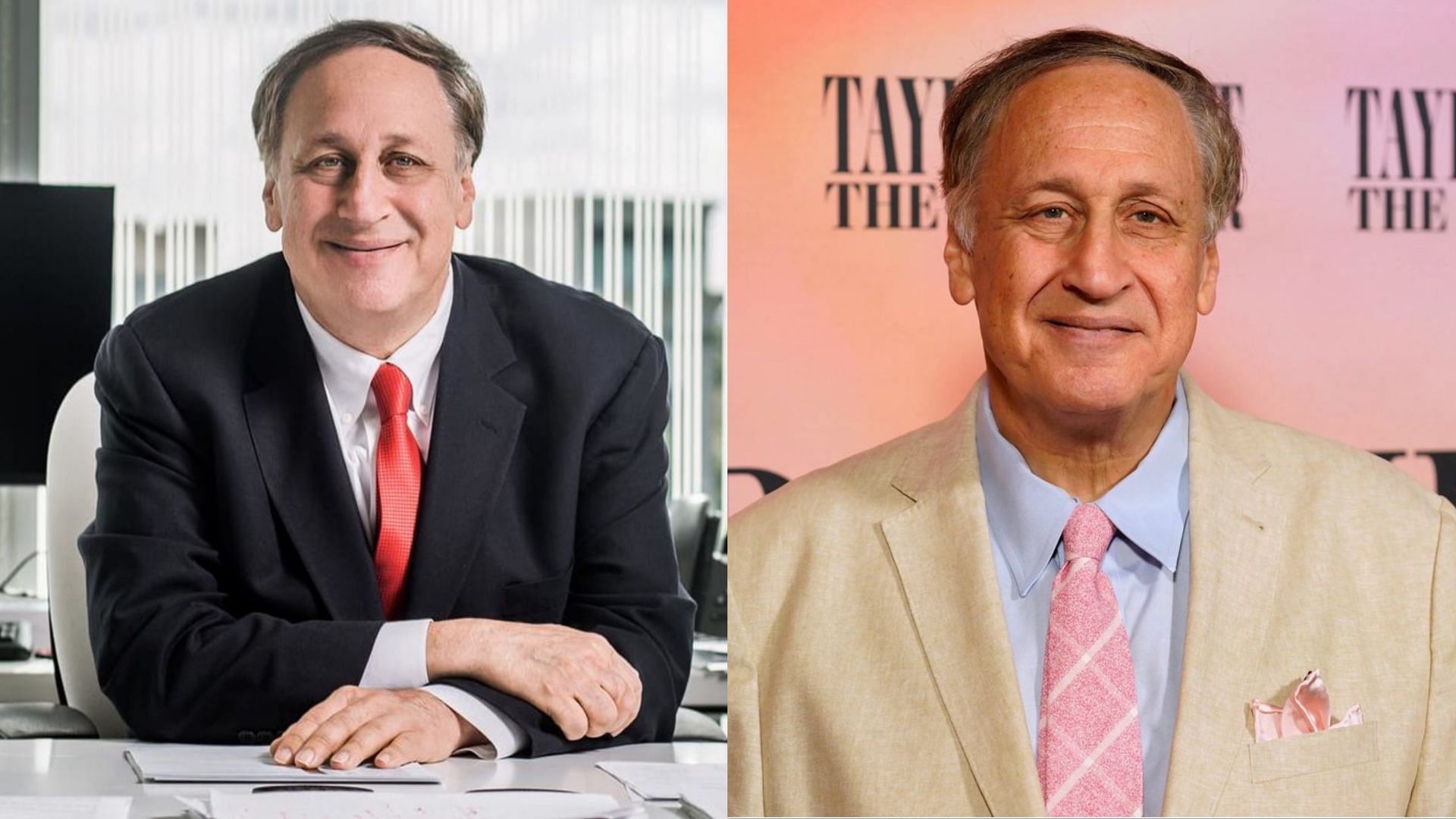
Adam Aron, the long-serving Chief Executive Officer and Chairman of AMC Entertainment Holdings, Inc., has an estimated net worth of approximately $50 million to $65 million. His wealth primarily stems from decades of executive leadership across hospitality, sports, and entertainment, augmented by substantial equity liquidations during AMC's historic trading surges.
Executive Financial Profile and Net Worth Overview
Adam Aron’s net worth reflects a multi-decade career as a senior executive in major consumer-facing sectors. Before becoming the public face of AMC Entertainment during the theatrical industry's turbulent post-pandemic era and retail investment movement, Aron built substantial capital through executive suites at resort management firms, cruise lines, commercial airlines, and professional sports franchises.
Unlike founders whose net worth is tightly bound to a single startup's founding equity, executive wealth like Aron's accumulates through a combination of contractual base salaries, short-term cash incentives, long-term equity grants (such as Restricted Stock Units), and strategically timed liquidations.
| Metric | Details |
|---|---|
| Estimated Net Worth Range | $50 Million – $65 Million |
| Primary Source of Wealth | Executive Compensation & Stock Equity Sales |
| Key Asset Holdings | Real Estate, Liquid Cash Holdings, AMC Equity |
| Primary Corporate Affiliation | AMC Entertainment Holdings, Inc. (CEO & Chairman) |
| Notable Past Roles | CEO of Vail Resorts, CEO of Norwegian Cruise Line, Co-Owner/CEO of Philadelphia 76ers |
While market fluctuations in public equity directly impact any chief executive's real-time net worth, Aron’s financial standing was largely insulated by significant share liquidations executed between late 2021 and early 2022 under pre-established trading plans.
The Career Path Behind Adam Aron’s Fortune
To understand how Adam Aron accumulated his net worth, it is necessary to examine his progression through leadership roles in corporate America over four decades.
- 1980s–1990s: Marketing Leadership (Hyatt, United Airlines)
- 1993–1996: Cruise Industry (CEO, Norwegian Cruise Line)
- 1996–2006: Resort Transformation (CEO, Vail Resorts)
- 2006–2015: Private Equity & Sports (Apollo, CEO/Co-Owner Philadelphia 76ers)
- 2016–Present: Theatrical Exhibition (CEO & Chairman, AMC Entertainment)
Early Executive Roles: Marketing and Hospitality Leadership
Aron earned his Bachelor’s degree from Harvard College and an MBA from Harvard Business School. His early career included executive marketing positions at major corporate entities:
- Hyatt Hotels Corporation: Served as Senior Vice President of Marketing, establishing foundational programs in modern hospitality loyalty.
- United Airlines: Served as Senior Vice President of Marketing, managing high-budget corporate strategy during a competitive era for domestic aviation.
- Norwegian Cruise Line: Served as President and Chief Executive Officer from 1993 to 1996, managing fleet expansions and international marketing campaigns.
Vail Resorts (1996–2006)
Aron served as Chairman and Chief Executive Officer of Vail Resorts for ten years. During his tenure, he oversaw the expansion of the company into one of North America's premier mountain resort operators. He directed the acquisition of major ski destinations, integrated real estate development divisions, and led the public listing of the enterprise. The equity appreciation and performance-based compensation during his decade at Vail laid the groundwork for his private net worth.
Professional Sports and Private Equity (2006–2015)
After stepping down from Vail Resorts, Aron served as a Senior Operating Partner at Apollo Management LP, a leading global private equity firm. In 2011, he became CEO and co-owner of the Philadelphia 76ers NBA franchise as part of an investment group led by Joshua Harris and David Blitzer. His stake in the sports franchise and subsequent buyout yielded significant capital returns as professional sports enterprise valuations expanded rapidly during the 2010s.
AMC Entertainment Holdings (2016–Present)
In January 2016, Aron was named President and CEO of AMC Entertainment, later adding the title of Chairman of the Board. He led major acquisitions, including Carmike Cinemas and Odeon & UCI Cinemas Group, positioning AMC as the world's largest theatrical exhibition enterprise.
Breakdown of AMC Executive Compensation and Equity Liquidation
A significant portion of public reporting on Adam Aron’s net worth centers on his compensation filings with the U.S. Securities and Exchange Commission (SEC), specifically SEC Form 4 filings and annual Proxy Statements (DEF 14A).
| Component | Amount |
|---|---|
| Base Salary (Cash) | ~$1.5M |
| Performance Bonuses | $2M - $6M |
| Equity Awards (RSUs/Stock) | $10M - $15M |
Annual Executive Compensation History
Under Aron’s management contract, annual compensation packages combine a fixed cash salary with performance bonuses and substantial restricted stock grants.
- 2020 Compensation: Total reported compensation reached approximately $20.9 million, comprised of a $1.2 million base salary, stock awards valued at $8.3 million, and non-equity incentive pay designed to preserve liquidity during industry-wide theater closures.
- 2021 Compensation: Total reported compensation was approximately $18.9 million, heavily weighted toward long-term equity grants designed to align executive compensation with shareholder recovery efforts.
- 2022–2023 Adjustments: In response to shareholder dilution concerns and debt restructuring demands, Aron requested a freeze on his base salary in late 2022 and voluntarily curtailed performance-based cash bonuses for key corporate officers during fiscal reorganizations.
The 2021–2022 Stock Liquidations (Rule 10b5-1 Trading Plans)
The most direct cash influx into Adam Aron's personal fortune occurred between November 2021 and January 2022. During the retail-driven "meme stock" rally, AMC’s equity price surged dramatically, creating an unprecedented liquidity window for existing shareholders and executives.
To sell corporate stock without violating insider trading regulations, executives use SEC Rule 10b5-1 trading plans. These plans must be scheduled months in advance, pre-determining the timing and volume of share sales regardless of short-term market fluctuations.
- Aug 2021: Plan Adopted (Estate Plan)
- Nov 2021: 1.25M Shares Sold (~$40M)
- Jan 2022: Remaining Share Sales
- August 2021: Aron announced on earnings calls that he would implement a 10b5-1 trading plan for estate planning purposes, citing his age (then 67) and wealth diversification needs.
- November 2021 – January 2022: Aron executed scheduled sales totaling over 3.1 million shares of AMC common stock.
- Gross Proceeds: The series of sales generated gross proceeds of approximately $42 million to $45 million before federal and state tax liabilities.
While public commentary among retail trading forums focused heavily on these transactions, pre-scheduled 10b5-1 plans are standard corporate practice for high-net-worth executives managing concentrated equity positions.
Executive Assets, Holdings, and Pay Summary
To illustrate how corporate executive wealth is structured, the table below provides a detailed breakdown of Adam Aron’s verified earnings mechanisms, equity transactions, and corporate roles.
| Wealth Component / Period | Primary Assets & Income Streams | Financial Details & Estimated Values | SEC / Regulatory Reference |
|---|---|---|---|
| AMC Stock Sales (2021–2022) | Pre-arranged liquidation of ~3.1 million equity shares | Realized gross proceeds of $42M – $45M | SEC Form 4 Filings (10b5-1 Plan) |
| AMC Annual Compensation | Base Salary, Performance Bonuses, and Restricted Stock Grants | Total annual packages historically ranging between $15M – $23M | SEC Form DEF 14A Proxy Statements |
| Vail Resorts Tenure (1996–2006) | Decadelong salary, performance incentives, and executive equity appreciation | Estimated aggregate earnings of $20M+ over 10 years | Public Corporate Filings (Vail Resorts) |
| 76ers Equity Buyout (2011–2013) | Partnership stake in NBA franchise purchase and subsequent ownership recapitalization | Realized proceeds estimated at $5M – $10M | Private Equity / Partnership Reports |
| Remaining AMC Stock Grants | Unvested Restricted Stock Units (RSUs) and direct beneficial ownership | Subject to public equity pricing and vesting schedules | SEC Ownership Reports |
Corporate Governance and Retail Trading Impact
Adam Aron’s financial story is unique due to the intersection of traditional corporate management and modern retail trading mechanics.
- Traditional Management
- Capital Allocation
- Debt Restructuring
- Share Dilution/APEs
- Retail Volatility Ecosystem
- Social-Driven Demand
- Volatile Share Prices
- Community Engagement
The Retail Investor Era ("Apes")
In early 2021, millions of retail investors mobilized across social platforms such as Reddit and X (formerly Twitter) to purchase AMC shares, creating a high-volume trading phenomenon. Recognizing the shift, Aron adapted his executive communications strategy, directly addressing individual shareholders on public forums, hosting specialized movie screenings, and introducing company perks through programs like AMC Investor Connect.
This retail support enabled AMC to issue new capital, raising billions of dollars in equity to pay down high-interest debt and navigate severe revenue disruptions. However, it also put Aron’s executive pay, net worth, and equity sales under intense public scrutiny.
Stock Dilution, APE Units, and Enterprise Capital Structure
To keep AMC solvent, executive leadership engaged in multiple rounds of equity financing:
- At-The-Market (ATM) Equity Offerings: Issuing new common shares to institutional and retail buyers to generate liquidity.
- AMC Preferred Equity (APE) Units: Created as a dividend distribution in 2022, allowing the company to raise additional capital when common share authorization limits were reached.
- Reverse Stock Split & Conversion: In 2023, a court-approved corporate reorganization converted APE units back into common shares and executed a 1-for-10 reverse stock split.
These capital restructurings significantly changed the total share count and modified the per-share value of both public holdings and executive equity grants.
Executive Wealth Management Lessons and Financial Considerations
Analyzing Adam Aron's net worth highlights several core concepts in high-level wealth management and corporate finance:
- Asset Diversification: Moving out of single stock concentration
- Rule 10b5-1 Trading: Pre-planned sales mitigates insider risk
- Pay-for-Performance: Balancing base salary with equity options
- Concentration Risk vs. Diversification: Corporate officers usually receive a substantial portion of their pay in company equity. For executives approaching retirement age, holding concentrated stock positions poses significant downside risk. Pre-scheduled selling plans (Rule 10b5-1) serve to systematically convert volatile corporate equity into diversified, liquid assets.
- Gross Proceeds vs. Net Realized Wealth: Public reports listing gross stock sales rarely account for combined state and federal tax liabilities, which can exceed 40% to 50% for high earners in high-tax jurisdictions.
- Market Perception of Executive Pay: Public commentary often conflates total proxy compensation (which includes unvested equity subject to price drops) with realized cash income.
Financial Disclaimer: Information regarding executive net worth, stock holdings, and corporate compensation is derived from public disclosures, SEC filings, and standard financial reporting methods. Estimates are intended for analytical purposes and do not constitute financial advice or investment recommendations.
Frequently Asked Questions
What is Adam Aron's estimated net worth?
Adam Aron's net worth is estimated to be between $50 million and $65 million. This figure includes proceeds from historical executive share sales, accumulated cash compensation, real estate holdings, and current corporate equity grants across his career.
How much money did Adam Aron make selling AMC stock in 2021 and 2022?
Between November 2021 and January 2022, Adam Aron sold approximately 3.1 million shares of AMC common stock under a pre-established SEC Rule 10b5-1 trading plan. These sales yielded gross proceeds of roughly $42 million to $45 million before tax obligations.
What is Adam Aron's annual salary at AMC Entertainment?
Adam Aron's base salary is typically set around $1.5 million per year. However, his total annual compensation package—including performance bonuses and long-term equity grants—has historically ranged between $15 million and $23 million, depending on board approvals and corporate performance metrics.
What major companies did Adam Aron lead before joining AMC?
Prior to taking the helm at AMC Entertainment in 2016, Aron served as Chief Executive Officer of Vail Resorts (1996–2006), President and CEO of Norwegian Cruise Line (1993–1996), and Chief Executive Officer and co-owner of the Philadelphia 76ers NBA franchise (2011–2013). He also held senior executive marketing positions at United Airlines and Hyatt Hotels.
Does Adam Aron still hold shares in AMC Entertainment?
Yes. Despite selling equity under pre-arranged estate plans between 2021 and 2022, Aron retains ownership of AMC common stock and unvested Restricted Stock Units (RSUs) granted as part of his ongoing executive compensation agreement.
Strategic Summary
Adam Aron’s net worth reflects a career structured around corporate turnarounds, brand expansion, and high-level hospitality and entertainment management. While public attention focuses primarily on his leadership of AMC Entertainment during the retail trading era, his financial foundation was established across decades of senior corporate roles.
For investors and corporate analysts, Aron's compensation profile highlights how executive equity grants, pre-planned liquidation schedules, and board-level pay structures interact during periods of public market volatility.