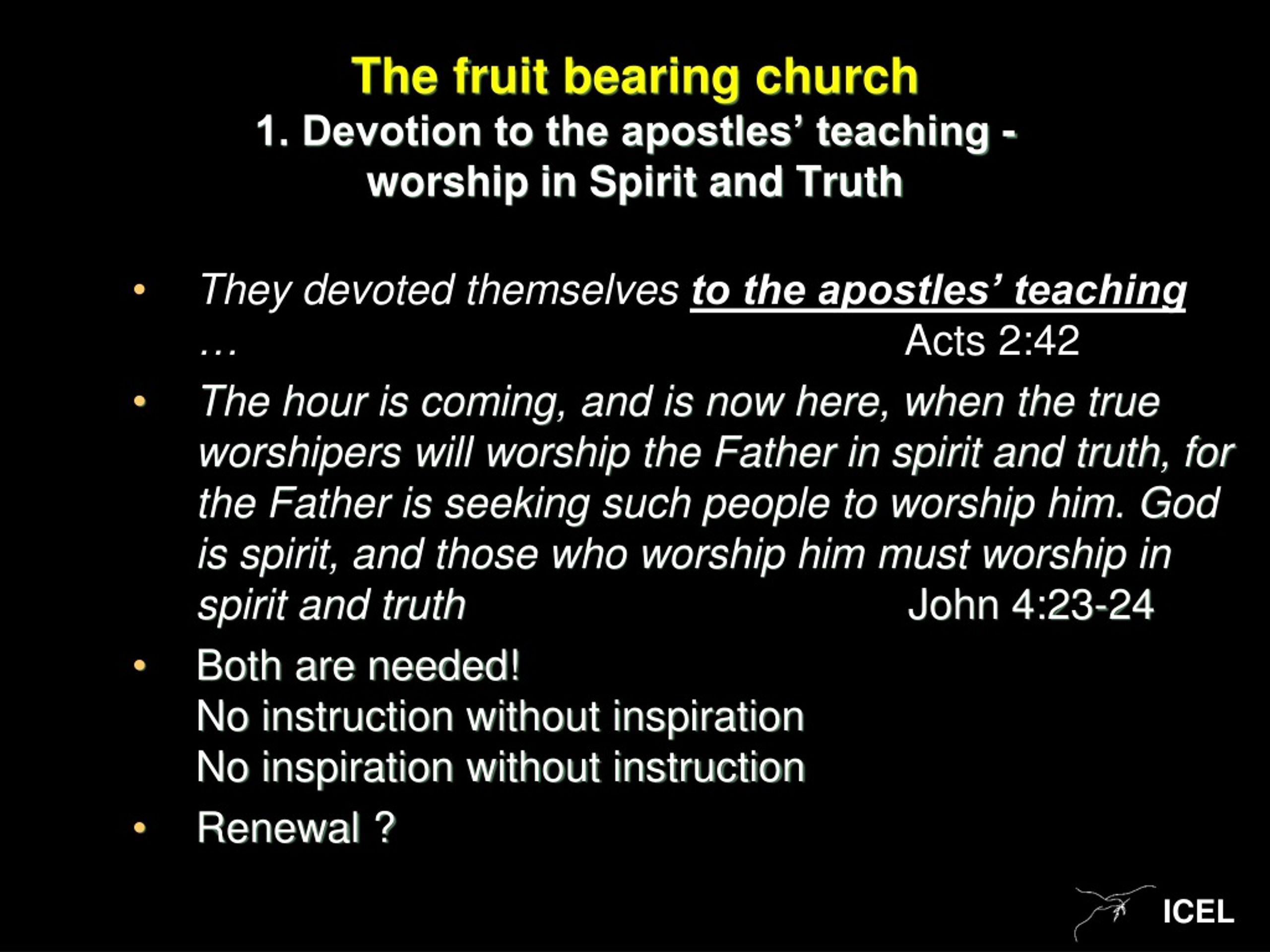
Acts 2:42-47 in the King James Version (KJV) provides the foundational description of the first Christian church in Jerusalem immediately following the day of Pentecost. This passage outlines four core spiritual disciplines—doctrine, fellowship, communion, and prayer—while illustrating a lifestyle of radical generosity, communal unity, and rapid evangelistic growth.
The passage serves as a historical and theological anchor for Christian ecclesiology, defining what it means to be a "church" in its most primal and vibrant form. Coming on the heels of Peter’s sermon and the conversion of three thousand souls, these verses transition the narrative from a single event (Pentecost) to a sustainable community. As we examine this text in 2026, the principles remain a primary reference point for those seeking to understand the essential nature of Christian devotion and community life.
The Context of the Jerusalem Church
To understand the weight of Acts 2:42-47, one must first recognize the preceding events. The Holy Spirit had descended upon the apostles, Peter had addressed a massive crowd of Jewish pilgrims from across the Roman Empire, and a massive conversion event had occurred. The three thousand new believers were not merely "converts" in a statistical sense; they were individuals who had experienced a total shift in their worldview.
The transition from the "great day" of Pentecost to the "daily life" of the believer is what Luke, the author of Acts, captures here. It is one thing to have a spiritual experience; it is another to maintain a spiritual life. Acts 2:42-47 documents how that initial fire was channeled into structured, yet organic, communal practices.
The Four Pillars of Devotion (Verse 42)
The KJV text of verse 42 states: "And they continued stedfastly in the apostles' doctrine and fellowship, and in breaking of bread, and in prayers." This verse is often cited as the "four pillars" of the church.
The Apostles' Doctrine
The word doctrine simply means teaching. In the first century, the New Testament had not yet been written. Therefore, the "apostles' doctrine" consisted of the oral accounts of Jesus' life, His teachings, His death, and His resurrection, interpreted through the lens of the Hebrew Scriptures (the Old Testament). The believers did not just listen to these teachings; they "continued stedfastly" in them. This implies a rigorous, persistent commitment to learning the truth and letting it govern their behavior.
Fellowship (Koinonia)
In the KJV, fellowship translates the Greek word koinonia, which implies more than just social interaction. It refers to a deep, participatory sharing. It was the common bond of their shared life in Christ. This fellowship was the glue that held together a diverse group of people—some local to Jerusalem and many who had traveled from distant lands and stayed to learn more about the Way.
Breaking of Bread
While some scholars suggest this refers purely to common meals, the context within a list of spiritual disciplines suggests the Lord’s Supper or Communion. In the early church, the Eucharist was often celebrated within the context of a larger meal known as the "Agape feast" or "love feast." By breaking bread together, they were acknowledging their union with Christ and with one another.
Prayers
The KJV uses the plural prayers, which likely indicates that the early Christians participated in both formal, set times of prayer (continuing the Jewish tradition of the hours of prayer) and spontaneous communal petitions. Prayer was not a peripheral activity but the "oxygen" of the community.
Fear, Wonders, and Signs (Verse 43)
Verse 43 notes: "And fear came upon every soul: and many wonders and signs were done by the apostles."
The word fear here is not terror but a profound sense of awe and reverence (phobos). The presence of God was so palpable that even those outside the immediate circle of believers felt the weight of something divine happening. The "wonders and signs" performed by the apostles served a specific purpose: they validated the message of the Gospel. In 2026, theological discussions often distinguish these "signs" as the credentials of the apostolic office, intended to confirm that the message of the resurrected Jesus was indeed from God.
Radical Community and Economic Unity (Verses 44-45)
One of the most striking aspects of the early church was their approach to material possessions. The KJV records: "And all that believed were together, and had all things common; And sold their possessions and goods, and parted them to all men, as every man had need."
All Things Common
The phrase all things common does not describe a state-mandated political system like communism. Rather, it describes a voluntary, Spirit-led economy of love. Because the believers felt they were part of one spiritual family, the distinction between "mine" and "thine" began to blur.
Selling and Parting
The text notes they "sold" their possessions and "parted" (distributed) them. This was an ongoing process, not necessarily a one-time liquidation of all assets. As a need arose ("as every man had need"), someone in the community would sacrifice an asset to meet that need. This level of generosity was a powerful witness to the surrounding culture, demonstrating that their hope was not in worldly wealth but in the kingdom of God.
Daily Rhythms: The Temple and the House (Verse 46)
The early church operated in two spheres: the public and the private. Verse 46 says: "And they, continuing daily with one accord in the temple, and breaking bread from house to house, did eat their meat with gladness and singleness of heart."
| Feature | The Temple (Public) | The House (Private) |
|---|---|---|
| Setting | The Temple Courts in Jerusalem | Private residences of believers |
| Audience | Large gatherings and the public | Intimate circles of believers |
| Activity | Public witness and prayer | Breaking bread and fellowship |
| Purpose | Connection to heritage and outreach | Nurture and family-style community |
| Atmosphere | Formal and communal | Informal and personal |
The "one accord" mentioned here highlights the supernatural unity of the group. Despite coming from different backgrounds, they were unified in their mission and devotion. The phrase singleness of heart is a beautiful KJV expression meaning sincerity and simplicity. There were no ulterior motives or hidden agendas; their lives were transparent and focused on God.
The Result: Praise and Growth (Verse 47)
The passage concludes with the result of this lifestyle: "Praising God, and having favour with all the people. And the Lord added to the church daily such as should be saved."
The early church was a praising church. Their joy was infectious. This joy resulted in "favour with all the people." While persecution would eventually come, in these early days, the general public was impressed by the integrity, love, and joy of the Christian community.
Crucially, the KJV notes that "the Lord added" to the church. The growth was not a result of human manipulation or marketing strategies. It was a divine work. As the believers lived out the "apostles' doctrine" and "fellowship," the Holy Spirit drew others into the fold on a daily basis.
Key Linguistic Features of the KJV Translation
For those studying Acts 2:42-47 specifically in the King James Version, certain words carry specific historical and theological weight:
- Stedfastly: This emphasizes the "staying power" of the early believers. They didn't just try these things; they remained fixed in them.
- Parted them: An archaic way of saying "divided" or "distributed." It conveys the intentionality of sharing resources.
- Meat: In 1611 (and preserved in the KJV), "meat" referred to food in general, not specifically animal flesh. It signifies their communal meals.
- Singleness of heart: This captures the Greek aphelotēs, suggesting a heart that is smooth and without the "stones" of hypocrisy or selfishness.
Comparison of Early Church Practices vs. Modern Context
As we evaluate these verses in 2026, it is helpful to see how these ancient practices compare to contemporary church life.
- Then: Daily meetings in public and private.
- Now: Weekly meetings are standard, with a growing emphasis on small "cell" groups or house churches to replicate the "house to house" intimacy.
- Then: Voluntary sharing of all resources.
- Now: Organized benevolence funds and tithes, though usually less radical than the total communal sharing seen in Jerusalem.
- Then: Rapid, daily growth through social witness.
- Now: Growth often occurs through digital outreach, specialized programs, and personal evangelism, though the core "attractional" quality of a loving community remains the most effective tool.
Frequently Asked Questions
Does Acts 2:44-45 mandate communism?
No. The "sharing of all things" in Acts was voluntary and motivated by Christian love, not government coercion. Believers still owned property (for example, they met in "houses"), but they treated their property as available for God's use. The practice was also specific to the Jerusalem church, likely due to the extreme poverty and the fact that many visitors stayed longer than planned after Pentecost.
What does "breaking of bread" mean in verse 42?
Most biblical scholars believe this refers to both a regular meal and the celebration of the Lord's Supper. In the early church, these were often the same thing. The act of eating together was a sign of covenantal peace and unity.
Is the "fear" mentioned in verse 43 the same as being afraid?
In the KJV, "fear" often translates a Greek word meaning "holy awe" or "reverential respect." It is the realization that God is holy and present. It is the same kind of fear described in the "fear of the Lord is the beginning of wisdom."
Why were they meeting in the Temple if they were Christians?
The first Christians were Jews who believed that Jesus was the fulfillment of the Jewish Law and Prophets. They did not immediately stop being Jewish; rather, they saw the Temple as a natural place to gather for prayer and to tell other Jews about the Messiah.
What is "singleness of heart" in modern English?
It can be translated as "sincerity," "simplicity," or "uncluttered focus." It describes a person whose life is not divided by conflicting loyalties but is entirely focused on God and the well-being of others.
Practical Next Actions for Readers
If you are looking to apply the principles of Acts 2:42-47 to your life or community today, consider the following steps:
- Prioritize the "Four Pillars": Evaluate your spiritual life based on the balance of doctrine (study), fellowship (community), breaking of bread (communion/meals), and prayer. If one is missing, your spiritual growth may be stunted.
- Seek "House to House" Connection: Do not rely solely on large-scale church services. Find a smaller group where you can experience "singleness of heart" and "gladness" in a more personal setting.
- Practice Radical Hospitality: You may not sell everything you own, but you can adopt the mindset that your resources are "common" for those in need. Look for opportunities to be "parted" from your goods for the sake of others.
- Focus on Unity: The early church was successful because they were "with one accord." Minimize gossip, strive for reconciliation, and focus on the core "apostles' doctrine" rather than divisive secondary issues.
By returning to the blueprint provided in Acts 2:42-47, believers can find a path toward a more vibrant, authentic, and impactful expression of faith that mirrors the power and purity of the apostolic era.