Ace Home Warranty provides service contracts designed to help homeowners offset the high costs of repairing or replacing major household systems and appliances that break down due to normal wear and tear. Understanding how this coverage works, what items are included, and what limitations apply can help you determine whether a policy aligns with your property maintenance needs.
Homeownership comes with a continuous stream of maintenance responsibilities, and few expenses are as disruptive as the sudden failure of a major appliance or essential home system. When a heating unit stops working in the dead of winter or a refrigerator fails unexpectedly, the financial impact can strain household budgets. Home warranty contracts like those offered by Ace Home Warranty serve as a service agreement between the homeowner and the warranty provider to manage these unexpected repair and replacement costs. To make an informed decision, it is essential to evaluate the mechanics of these agreements, the specific types of coverage available, associated costs, and common limitations.
Understanding the Fundamentals of Home Warranties
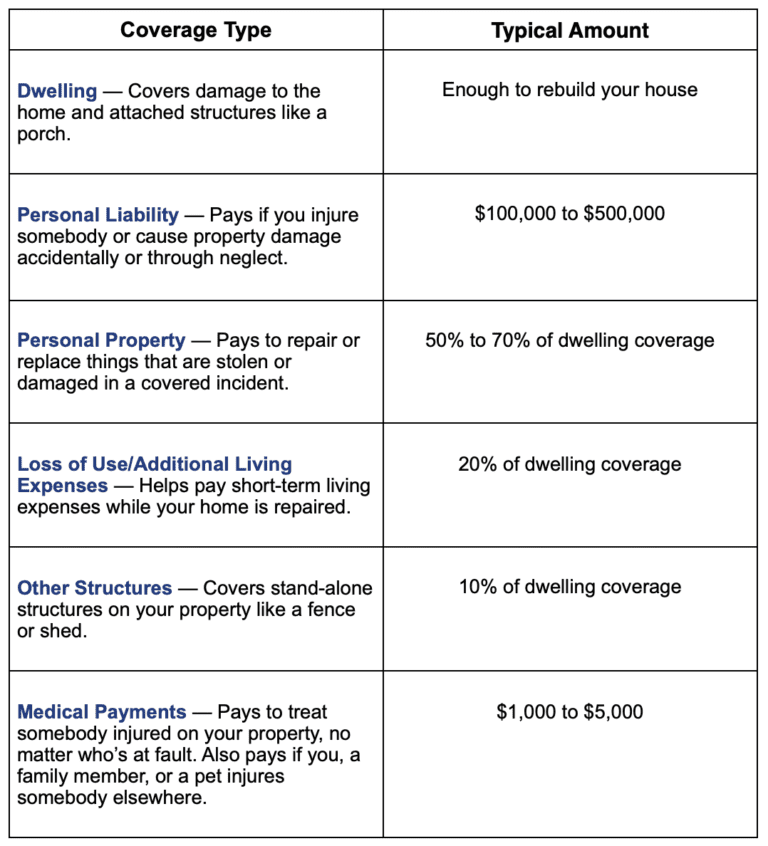
A home warranty is fundamentally different from standard homeowners insurance, a distinction that many buyers fail to recognize until they file a claim. While homeowners insurance covers damage and loss caused by unforeseen external events such as fires, storms, or theft, a home warranty covers the mechanical breakdown of systems and appliances resulting from normal wear and tear over time.
When a covered item fails, the homeowner files a claim with the warranty provider. The provider then dispatches a pre-screened, contracted service technician to diagnose the issue. Depending on the terms of the agreement, the technician will either repair the malfunctioning item or replace it, subject to any applicable coverage caps, exclusions, and the payment of a service call fee by the homeowner.
Systems Versus Appliances Coverage
Most providers structure their protection plans into distinct categories: system coverage, appliance coverage, and combined or comprehensive plans.
- Systems Coverage: Typically focuses on the primary, built-in structural infrastructure of a house. This includes electrical wiring, plumbing systems, heating and air conditioning (HVAC) units, and water heaters. Because these systems are complex and essential to daily habitation, repairing or replacing them independently can cost thousands of dollars.
- Appliance Coverage: Generally targets major freestanding and built-in kitchen and laundry appliances. Common items include refrigerators, ovens, cooktops, dishwashers, built-in microwaves, garbage disposals, clothes washers, and dryers.
- Comprehensive Plans: Combine both systems and appliances into a single bundled contract, offering broader protection across the entire household infrastructure.
Ace Home Warranty Coverage Tiers and Options
Ace Home Warranty structures its offerings to accommodate varying budgets and property sizes. Selecting the appropriate tier requires an inventory of your home's mechanical assets, their age, and their historical reliability.
Standard Appliance Plans
An appliance-focused tier is typically designed for homeowners who have relatively new or robust home systems but want protection for heavily used kitchen and laundry machinery. These plans usually cover standard kitchen staples and laundry pairs. However, policyholders must verify whether secondary or specialty appliances—such as freestanding freezers, ice makers, or trash compactors—require optional add-on coverage.
Standard System Plans
System-centric plans cater to properties where major infrastructure represents the highest financial risk. Older homes, in particular, may feature aging electrical panels, extensive plumbing networks, or legacy HVAC equipment. A systems plan helps mitigate the risk of catastrophic failure in these critical areas, though it leaves kitchen and laundry appliances outside the scope of protection.
Comprehensive Combo Plans
For maximum protection, comprehensive plans merge system and appliance coverage into one contract. This option appeals to buyers of pre-owned homes, real estate investors, and risk-averse homeowners who want to minimize the number of out-of-pocket repair decisions they have to make.
| Coverage Type | Typical Included Items | Common Exclusions | Best Suited For |
|---|---|---|---|
| Appliance Plan | Refrigerator, dishwasher, range/oven, washer, dryer | HVAC systems, electrical wiring, plumbing leaks | Newer homes with robust infrastructure and older appliances |
| Systems Plan | HVAC, electrical system, plumbing, water heater | Refrigerators, washers, dryers, cosmetic damage | Older homes with recently replaced appliances and aging systems |
| Comprehensive Plan | All major appliances, HVAC, electrical, plumbing | Pre-existing conditions, code upgrades, misuse | Total-home peace of mind and comprehensive risk management |
Financial Obligations: Premiums, Service Fees, and Caps
Evaluating a home warranty requires looking beyond marketing claims to understand the total cost of ownership. The financial structure of an Ace Home Warranty contract typically involves three distinct cost components: the upfront or monthly premium, the service call fee, and payout limits.
Premiums and Payment Structures
Homeowners can generally choose between paying an annual premium in a lump sum or spreading the cost across monthly installments. The pricing varies based on the chosen tier of coverage, the square footage of the home, and any optional riders selected for specialty items like pools, spas, or detached guest houses.
Service Call Fees (Trade Service Fees)
Every time a technician is dispatched to your property, you must pay a service call fee. This fee is paid directly to the service provider or collected by the warranty company at the time of the service request, regardless of whether the repair is ultimately covered under the contract terms. Homeowners should review whether the service fee is per trade (e.g., separate fees for plumbing and electrical) and whether subsequent visits for the same issue incur additional charges.
Coverage Caps and Payout Limits
Warranty providers establish maximum payout limits per item and per contract term. For example, a policy might cover up to $1,500 for HVAC repairs or replacements per contract year, but cap individual appliance repairs at $500. If a replacement unit costs more than the established cap, the homeowner is responsible for paying the difference out of pocket.
Understanding Exclusions, Limitations, and Pre-Existing Conditions
No home warranty covers everything. Reading the fine print of the contract is essential to avoid surprises when filing a claim.
- Pre-Existing Conditions: Warranties generally do not cover failures resulting from conditions that existed prior to the effective date of the contract or before the 30-day waiting period expires. Technicians inspect or diagnose equipment upon the first service call, and if evidence indicates a long-standing, unaddressed failure, the claim may be denied.
- Improper Installation or Maintenance: Equipment failure caused by manufacturer defect, improper initial installation, or a lack of routine preventative maintenance is typically excluded. Homeowners should maintain records of regular servicing, such as annual HVAC tune-ups and water heater flushes.
- Code Compliance and Modifications: If local building codes have changed since your home was originally built, the warranty provider will pay to repair or replace the item to its original operational state, but they generally will not cover the cost of bringing the surrounding infrastructure up to current municipal building codes.
Step-by-Step Guide to Filing a Claim
When a covered breakdown occurs, following the correct administrative procedure ensures a smooth claims process and minimizes delays in restoration.
- Verify Coverage Status: Check your current contract documents to confirm that the malfunctioning item is explicitly listed and that your account is in good standing.
- Submit a Service Request: Contact Ace Home Warranty via their online customer portal or telephone claims line. Provide a detailed description of the symptoms and error codes if applicable.
- Pay the Service Fee: Remit the required trade service fee when prompted so the claim can be processed and dispatched.
- Schedule the Technician Visit: A contracted, licensed service technician will contact you to set up an appointment window for diagnosis.
- Review the Diagnosis and Authorization: The technician submits their findings to the warranty provider. The provider reviews the report against your contract terms to authorize repair or replacement.
Frequently Asked Questions
Is there a waiting period before coverage begins?
Yes. Most home warranty contracts include a standard 30-day waiting period from the date of purchase or contract activation before you can submit a service claim. This prevents policyholders from purchasing coverage only after noticing an immediate, active failure.
Can I choose my own repair technician?
Generally, no. Home warranty companies maintain a network of pre-vetted, licensed service contractors. Utilizing an unauthorized out-of-network technician without prior written consent from the provider typically voids reimbursement rights for that repair.
What happens if an item cannot be repaired?
If a covered system or appliance is deemed beyond repair by the authorized technician, the warranty provider will typically replace it with a unit of similar capacity, features, and efficiency. If an exact match is unavailable, replacements may be of comparable general utility, subject to policy coverage limits.
Does a home warranty cover cosmetic damage?
No. Home warranties address mechanical and electrical functionality. Dents, scratches, rust, chipping paint, and other cosmetic blemishes that do not impair the functional operation of the system or appliance are excluded from coverage.
Are commercial-grade appliances covered in residential properties?
Standard residential home warranty contracts are written strictly for residential-use equipment installed in primary or secondary personal dwellings. Commercial-grade, heavy-duty, or multi-family rental appliances generally require specialized commercial rider coverage.
Conclusion and Next Actions
Evaluating Ace Home Warranty coverage requires a careful balance of your home's infrastructure age, your personal risk tolerance, and the financial trade-offs between monthly premiums, service fees, and coverage caps. To determine the best course of action, inventory your home's major systems, review the exact terms and exclusions of available plan tiers, and compare these offerings against your anticipated maintenance budget. If you decide to proceed, request a sample contract directly from the provider to verify all policy limits before signing up.