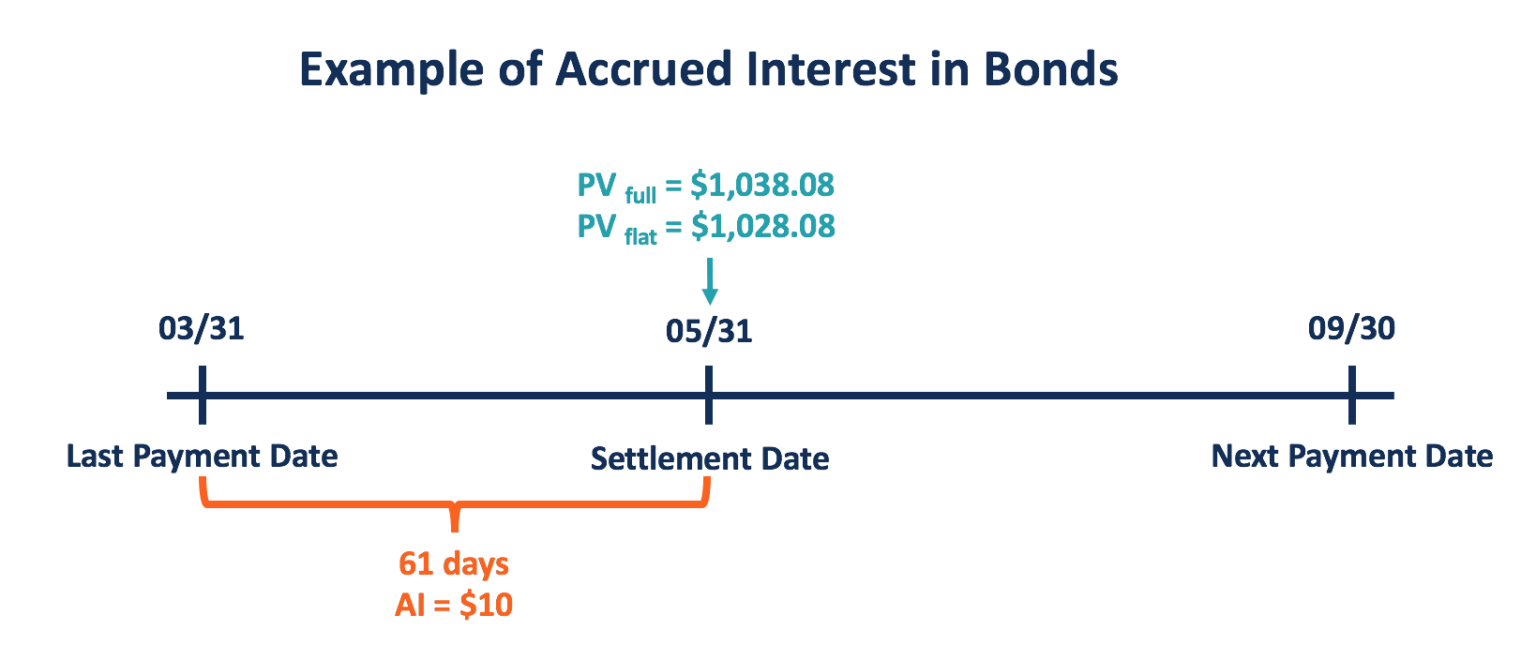
Accrued interest on a loan represents the interest expense that has been incurred by a borrower but has not yet been paid or recorded as a formal payment under the terms of a loan agreement. In accounting, this creates a liability on the balance sheet and an expense on the income statement, ensuring that financial statements accurately reflect the cost of borrowing during the specific period in which it was consumed, regardless of when the cash transaction occurs.
The Accounting Concept of Accrual Basis Reporting
The fundamental pillar of modern accounting, particularly under Generally Accepted Accounting Principles (GAAP) and International Financial Reporting Standards (IFRS), is the accrual basis of accounting. Unlike cash-basis accounting, which only recognizes transactions when money physically changes hands, the accrual method dictates that expenses must be recorded in the period they are incurred.
When an entity takes out a loan, interest typically accumulates daily based on the outstanding principal balance and the agreed-upon annual percentage rate (APR). If a payment is scheduled for the end of the quarter, the interest generated during the first and second months of that quarter still represents a legitimate cost of doing business. By recognizing this interest as "accrued," the business maintains a transparent view of its financial obligations. Failing to record this would result in an understatement of expenses and an underestimation of total liabilities, leading to a distorted view of the company’s profitability and solvency.
Distinguishing Accrued Interest from Paid Interest
It is essential to differentiate between interest expense and interest payable. Interest expense is the total cost of borrowing incurred during a specific reporting period, while interest payable is the specific amount of interest that has accrued but remains unpaid as of the balance sheet date.
When a payment is finally made, the accounting entry involves debiting the "Accrued Interest Payable" account to reduce the liability and crediting the "Cash" account. If the payment includes both principal and interest, the accounting software or manual entry must split the transaction to ensure that only the interest portion reduces the accrued liability, while the remainder reduces the principal balance of the loan.
The Mechanics of Recording Accrued Interest
Recording accrued interest requires a periodic adjusting journal entry. Most businesses perform these adjustments at the end of each month, quarter, or fiscal year. The process involves three primary steps:
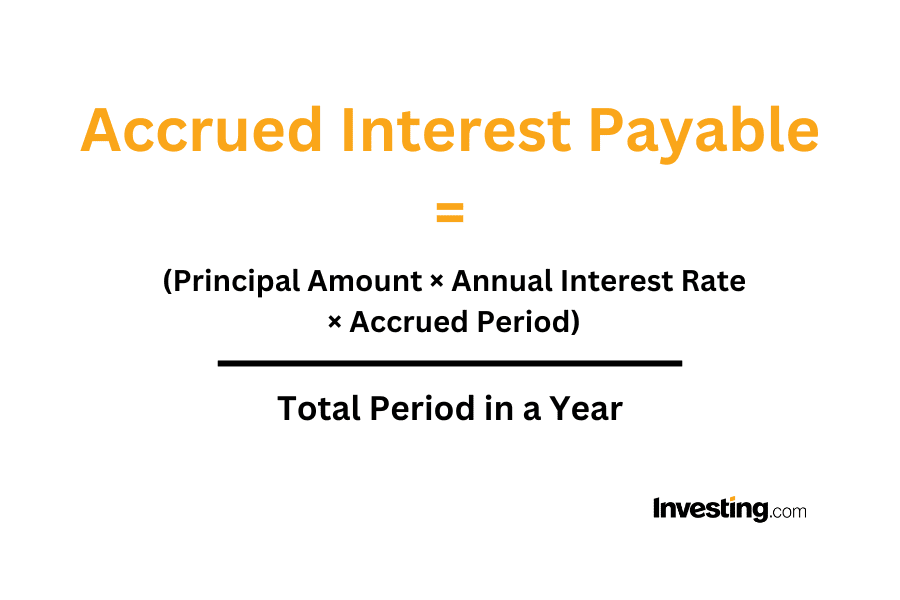
- Calculate the Daily Interest: Determine the annual interest rate and divide it by the number of days in a year (360 or 365, depending on the loan contract). Multiply this daily rate by the current principal balance.
- Determine the Accrual Period: Identify the number of days between the last payment date and the end of the current reporting period.
- Execute the Journal Entry: Create an adjusting entry by debiting "Interest Expense" and crediting "Accrued Interest Payable."
For example, if a company has a $100,000 loan at a 6% annual interest rate, and the reporting period is 30 days, the math is as follows: $100,000 × 0.06 = $6,000 annual interest. $6,000 / 365 days = $16.44 per day. $16.44 × 30 days = $493.20 to be accrued at month-end.
Impact on Financial Statements
The accrual of interest significantly impacts three primary financial documents:
- Income Statement: The "Interest Expense" line item increases, which directly lowers the reported net income for that period. This is an accurate reflection of the cost of debt servicing.
- Balance Sheet: The "Accrued Interest Payable" (a current liability) increases, reflecting the company's obligation to pay interest in the near future.
- Cash Flow Statement: It is important to note that the act of accruing interest is a non-cash adjustment. When the actual cash payment occurs, it is recorded as a cash outflow under operating activities (interest paid).
Table: Comparison of Accounting Methods for Interest
| Feature | Cash-Basis Accounting | Accrual-Basis Accounting |
|---|---|---|
| Recognition Timing | When cash payment is made | When interest is incurred |
| Financial Transparency | Lower (ignores obligations) | Higher (shows current debt load) |
| Balance Sheet Accuracy | Often excludes interest liability | Includes all unpaid interest |
| Complexity | Simple; easy to track | Requires periodic adjusting entries |
| Compliance | Generally not GAAP/IFRS compliant | Required for most business reporting |
Common Challenges and Oversight in Interest Accounting
One of the most frequent errors in tracking accrued interest is the misalignment of payment schedules and reporting periods. If a loan payment is due on the 15th of the month, but the accounting books close on the 30th, the interest from the 16th to the 30th must be accrued. Failing to do so creates a "blind spot" in financial reporting.
Another complication arises with variable-rate loans. Since the interest rate can fluctuate based on a market index (like SOFR or a prime rate), the daily interest calculation must be updated regularly. Businesses that rely on static spreadsheets for interest calculations often find themselves with significant discrepancies when the loan terms change. It is critical to maintain a sub-ledger that reflects the terms of the original loan agreement, including any amendments or interest rate adjustments.
Tax Implications and Compliance
For tax purposes, the timing of interest deduction depends on the tax jurisdiction and the taxpayer's method of accounting. While accrual-basis accounting provides a clearer picture of financial health, tax authorities may have specific rules regarding when an interest expense is "deductible."
In many jurisdictions, businesses can deduct interest expenses in the year they are incurred. However, if a loan is between related parties, there may be strict "transfer pricing" or "thin capitalization" rules that limit the amount of interest that can be deducted. Always consult with a tax professional regarding your specific jurisdiction, as interest deductibility can be affected by debt-to-equity ratios and other statutory thresholds current to 2026.
Managing Loan Amortization Schedules
Understanding accrued interest is inextricably linked to managing the loan amortization schedule. A standard amortization schedule provides the breakdown of every payment into principal and interest.
If your organization has multiple loans, maintaining a centralized "Debt Schedule" is recommended. This document should track:
- Original principal amount and interest rate.
- Remaining principal balance after each payment.
- The date of the next scheduled payment.
- The cumulative accrued interest for the current month.
By reconciling the bank's loan statement with your internal debt schedule on a monthly basis, you can identify discrepancies early. If the bank’s interest figure differs from your calculation, it may indicate a misapplied payment, an incorrect interest rate entry, or a change in the loan's terms that was not communicated.
Frequently Asked Questions
1. Is accrued interest considered a long-term or short-term liability? Accrued interest is almost always classified as a short-term (current) liability because it is expected to be paid within the next 12 months, usually with the next scheduled loan payment.
2. What happens if I forget to accrue interest at month-end? If you fail to accrue interest, your expenses for that month will be understated, which artificially inflates your net income. This can lead to misleading financial statements that overestimate the company's profitability.
3. Do I need to accrue interest on a loan if no payments are due yet? Yes. Even if the loan agreement states that interest is deferred or paid at maturity, the interest is still being "earned" by the lender and "incurred" by the borrower daily. You must accrue this interest to satisfy accounting standards.
4. How does compounding interest affect the accrual entry? If the loan uses compounding interest, the interest itself is added to the principal balance. This increases the total amount of debt, which in turn increases the interest calculated for the next period. Your accounting system must account for this "interest on interest" effect to maintain accuracy.
5. Are there software tools to automate this process? Most mid-to-large scale accounting software packages, such as NetSuite, Sage, or SAP, have dedicated modules for "Loan Management" or "Treasury Management" that automatically calculate daily accruals and generate the necessary journal entries.
Final Recommendations for Financial Accuracy
To maintain the highest level of financial integrity regarding accrued interest on loans, adopt the following practices:
- Centralize Loan Data: Store all loan agreements, promissory notes, and amortization tables in a secure, centralized location accessible to your finance team.
- Standardize Reconciliation: Implement a mandatory monthly reconciliation process where internal interest accrual calculations are compared against the interest charged by the lender.
- Audit Regularly: Periodically verify the interest rate, current principal balance, and payment frequency against the original loan documents to ensure no manual entry errors have occurred.
- Seek Professional Guidance: If your business deals with complex debt instruments—such as convertible notes, variable-rate lines of credit, or loans with balloon payments—engage a certified accountant to review your amortization and accrual processes to ensure they meet the latest 2026 reporting requirements.
Accrued interest is more than just a bookkeeping chore; it is a critical measure of a company’s ongoing financial obligations. By diligently recording these expenses, you ensure that your financial reports remain a reliable tool for decision-making and stakeholder transparency.