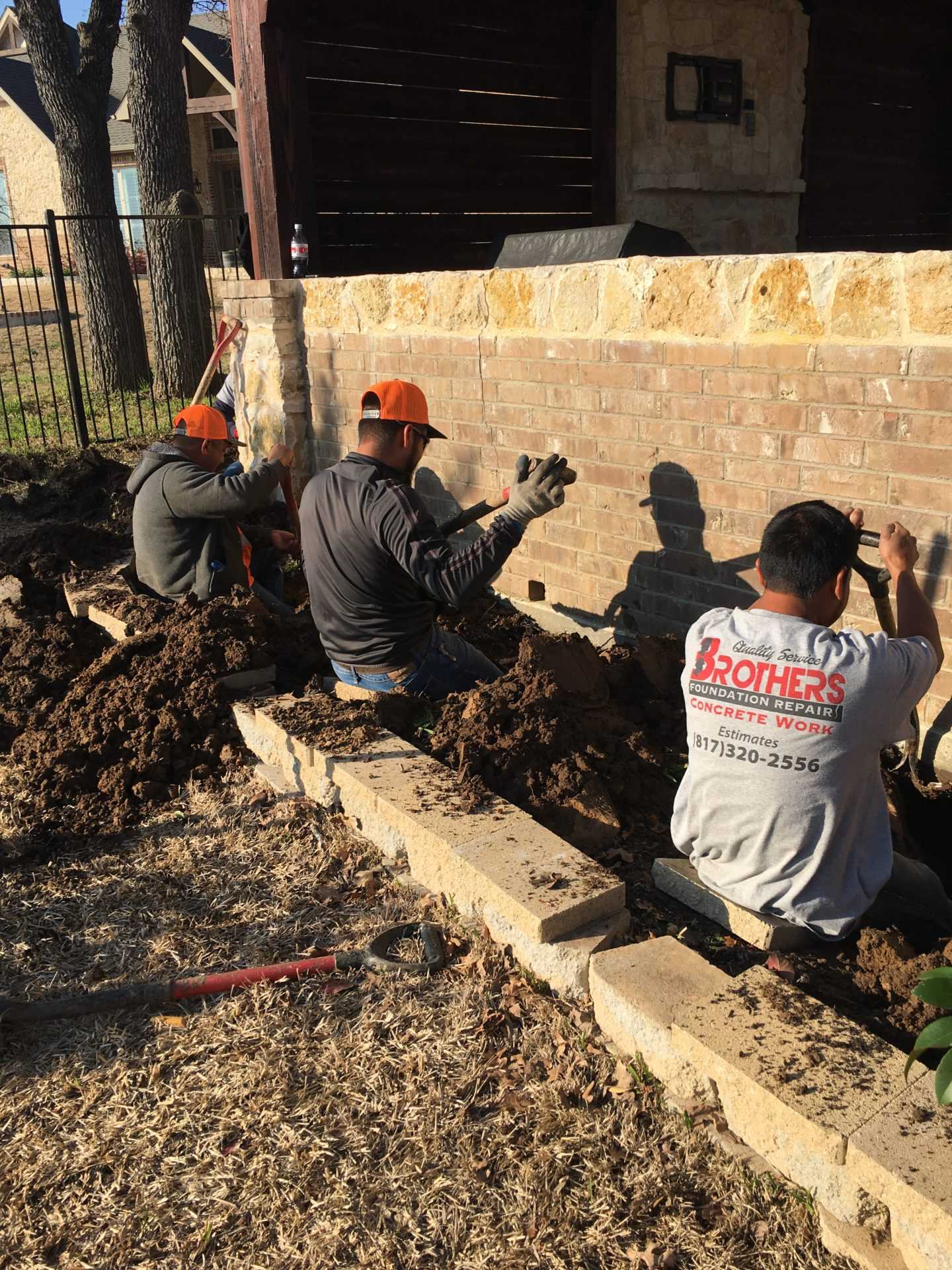
Foundation repair in Tyler, Texas, requires specialized knowledge of regional soil conditions, particularly the expansive clay soils native to East Texas that swell when wet and shrink during dry periods. Homeowners facing structural issues must evaluate local service providers, understand repair methodologies like pressed concrete piers or steel pilings, and recognize early warning signs such as wall cracks, sticking doors, and uneven floors to protect their property's structural integrity.
Understanding East Texas Soil and Foundation Vulnerability
The foundation of any residential or commercial structure is only as stable as the earth beneath it. In Tyler, Texas, and the broader East Texas region, the geological profile is dominated by highly expansive clay soils, often referred to locally as "gumbo" clay. This specific type of soil undergoes severe volumetric changes in response to moisture fluctuations. During periods of heavy rainfall, the clay absorbs water, swells significantly, and exerts immense upward pressure on concrete slab and pier-and-beam foundations. Conversely, during hot, dry summer months, the soil loses moisture, shrinks, and leaves a void beneath the structure, causing the foundation to settle unevenly.
This cyclical movement places immense stress on building materials, frequently leading to structural distress. Understanding this regional environment is the first step in diagnosing why a foundation fails and determining the appropriate intervention. Property owners must look past cosmetic blemishes, such as minor drywall cracks, and evaluate whether these flaws indicate deeper geotechnical shifts. Recognizing the root cause ensures that any corrective action addresses the structural movement rather than merely patching surface-level damage.
Early Warning Signs of Foundation Distress
Detecting foundation problems early can prevent minor settling from escalating into catastrophic structural failure. Because foundations settle gradually, symptoms often appear incrementally throughout the home. Homeowners should routinely inspect both the interior and exterior of their property for specific red flags that indicate foundational movement.
Exterior Indicators
- Brick and Mortar Cracks: Stair-step cracking in brick veneer or mortar joints typically indicates differential settlement where one corner of the house is sinking faster than another.
- Gaps Around Windows and Doors: Separation between exterior doorframes and brick molding suggests the wall framing is shifting out of square.
- Siding and Trim Separation: Gaps appearing where exterior siding meets the roofline or foundation sill plate point to severe framing distortion.
Interior Indicators
- Sticking Doors and Windows: Doors that fail to latch properly or windows that become difficult to open and close often result from the framing warping due to a shifting foundation.
- Drywall Fractures: Diagonal cracks radiating from the corners of doors and window frames are classic signs of shear stress caused by foundation movement.
- Sloping or Uneven Floors: Walking across a room and noticing a distinct slope, or feeling a bounce in a pier-and-beam system, indicates underlying structural support failure.
Common Foundation Repair Methods Used in Tyler
When structural engineers or foundation specialists evaluate a home in Tyler, they typically recommend one of several established repair techniques. The choice of method depends on whether the structure sits on a concrete slab or a pier-and-beam foundation, the severity of the settlement, and the depth of the load-bearing strata.
Pressed Concrete Pilings
Pressed concrete pilings are widely used in East Texas due to their cost-effectiveness and adaptability. In this process, crews excavate around the perimeter of the foundation and use hydraulic pressure to drive pre-cast concrete cylinders deep into the ground until they reach stable soil or bedrock. Once the pilings reach refusal depth, steel shims are placed on top of the piling, and hydraulic jacks lift the structure back toward its original elevation.
Steel Piers
For homes experiencing extreme settlement or where load-bearing strata are located at significant depths, steel piers offer superior performance. Heavy-duty galvanized or structural steel pipe is driven deep into the earth, anchoring directly into competent bedrock or load-bearing strata. Steel piers can achieve greater depths than concrete cylinders and offer high load capacities, making them a preferred choice for heavy multi-story brick homes or commercial buildings.
Mudjacking and Polyurethane Foam Injection
When concrete slabs sink uniformly without significant structural distortion, slab-jacking or polyurethane foam injection (often called slab lifting) may be utilized. Small holes are drilled through the sunken concrete slab, and a stabilizing material is pumped underneath to fill voids and lift the slab back to level. Polyurethane foam is increasingly favored over traditional mud grout because it is lightweight, expands rapidly, cures quickly, and is impervious to moisture degradation.
Comparing Foundation Repair Techniques
Selecting the right repair method involves balancing structural requirements, longevity, and project costs. The table below outlines the primary characteristics of the most common foundation repair methods utilized in the Tyler area.
| Repair Method | Best Suited For | Depth Capability | Typical Longevity | Relative Cost |
|---|---|---|---|---|
| Pressed Concrete Pilings | Standard residential slab foundations | Moderate (10 to 20 feet) | Long-term (decades with proper maintenance) | Moderate |
| Steel Pilings / Piers | Heavy structures, deep load-bearing strata | Deep (30 to 70+ feet) | Permanent / Lifetime | Higher |
| Polyurethane Foam Injection | Minor slab settling, void filling | Shallow / Sub-slab | Long-term | Lower to Moderate |
| Baseed / Pressed Piers (Pier & Beam) | Crawl space homes with sagging girders | Variable | Moderate to Long-term | Moderate |
The Foundation Repair Process: Step-by-Step
Engaging a professional foundation repair contractor in Tyler involves a structured sequence of events, from initial diagnosis to post-repair cosmetic restoration. Understanding this workflow helps property owners prepare for the construction phase.
- Professional Evaluation: An experienced evaluator or structural engineer assesses the property, measures elevations using a digital level, maps out cracking patterns, and identifies the root cause of the distress.
- Engineering Review (If Required): For complex cases or real estate transactions, an independent structural engineer drafts a formal repair plan specifying the exact number, type, and placement of piers.
- Excavation: Crews dig strategic holes around the exterior (and sometimes interior) perimeter of the foundation to expose the grade beams where piers will be installed.
- Pier Installation and Driving: Hydraulic equipment drives concrete or steel pilings into the load-bearing strata beneath the foundation.
- Lifting and Stabilization: The structure is carefully lifted using hydraulic jacks positioned on the newly driven piers, closing gaps and returning the frame closer to plumb.
- Backfilling and Cleanup: Once lifting is complete, excavations are backfilled with native soil, and the work area is restored as closely as possible to its original condition.
- Cosmetic Repairs: Homeowners should wait several weeks or months for the house to settle into its new position before repairing drywall, painting, or re-adjusting doors.
Moisture Management and Preventative Maintenance
Because expansive clay soils are the primary driver of foundation distress in Tyler, proactive moisture management is essential for long-term structural stability. Homeowners can take several practical steps to maintain consistent soil moisture levels around their property's perimeter:
- Install Root Barriers: Large trees situated close to a foundation draw massive amounts of moisture from the soil during dry spells, causing localized shrinkage. Installing a root barrier can mitigate this effect.
- Maintain Proper Drainage: Ensure that grading slopes away from the foundation walls so that rainwater does not pool against the concrete grade beam.
- Use Soaker Hoses: During extended summer droughts, running a soaker hose a foot or two away from the foundation helps maintain uniform soil moisture and prevents rapid shrinkage.
- Clean Gutters and Downspouts: Direct roof runoff at least three to five feet away from the foundation using downspout extensions or splash blocks.
Frequently Asked Questions
How do I know if my foundation issues are serious?
Minor hairline cracks in drywall or plaster are often normal settling in a new home. However, diagonal cracks wider than a quarter-inch, doors that will not latch, and significant gaps around exterior windows indicate structural failure requiring professional evaluation.
Do I need a structural engineer before getting foundation repair?
While many foundation companies provide free initial estimates and in-house evaluations, hiring an independent structural engineer provides an unbiased assessment and a certified repair plan, which is often valuable for real estate disclosures and warranty verification.
How long does foundation repair take?
Most standard residential pier installations can be completed within one to three days, depending on the size of the home and the number of piers required. Complex commercial projects or extensive interior pier installations may take longer.
Will foundation repair fix my cracked walls and sticking doors?
Foundation repair stabilizes the structure and restores the framing toward its original position, which often allows doors and windows to function normally again. However, cosmetic repairs like drywall patching and painting must be done separately after the home has settled.
Is foundation repair covered by homeowners insurance?
Standard homeowners insurance policies in Texas typically do not cover foundation damage caused by normal settling, soil movement, or drought. Coverage may apply only if the damage resulted from a sudden, covered event such as a major plumbing leak beneath the slab.
Conclusion and Next Actions
Addressing foundation issues promptly is critical to preserving the safety, value, and structural integrity of a property in Tyler, Texas. Homeowners should begin by documenting all visible cracks and functional anomalies, such as sticking doors or uneven floors. Scheduling a thorough evaluation with a reputable foundation specialist or independent structural engineer will provide a clear diagnosis of soil-related movement and outline the most effective stabilization method, whether through steel piers, pressed concrete pilings, or targeted slab lifting.