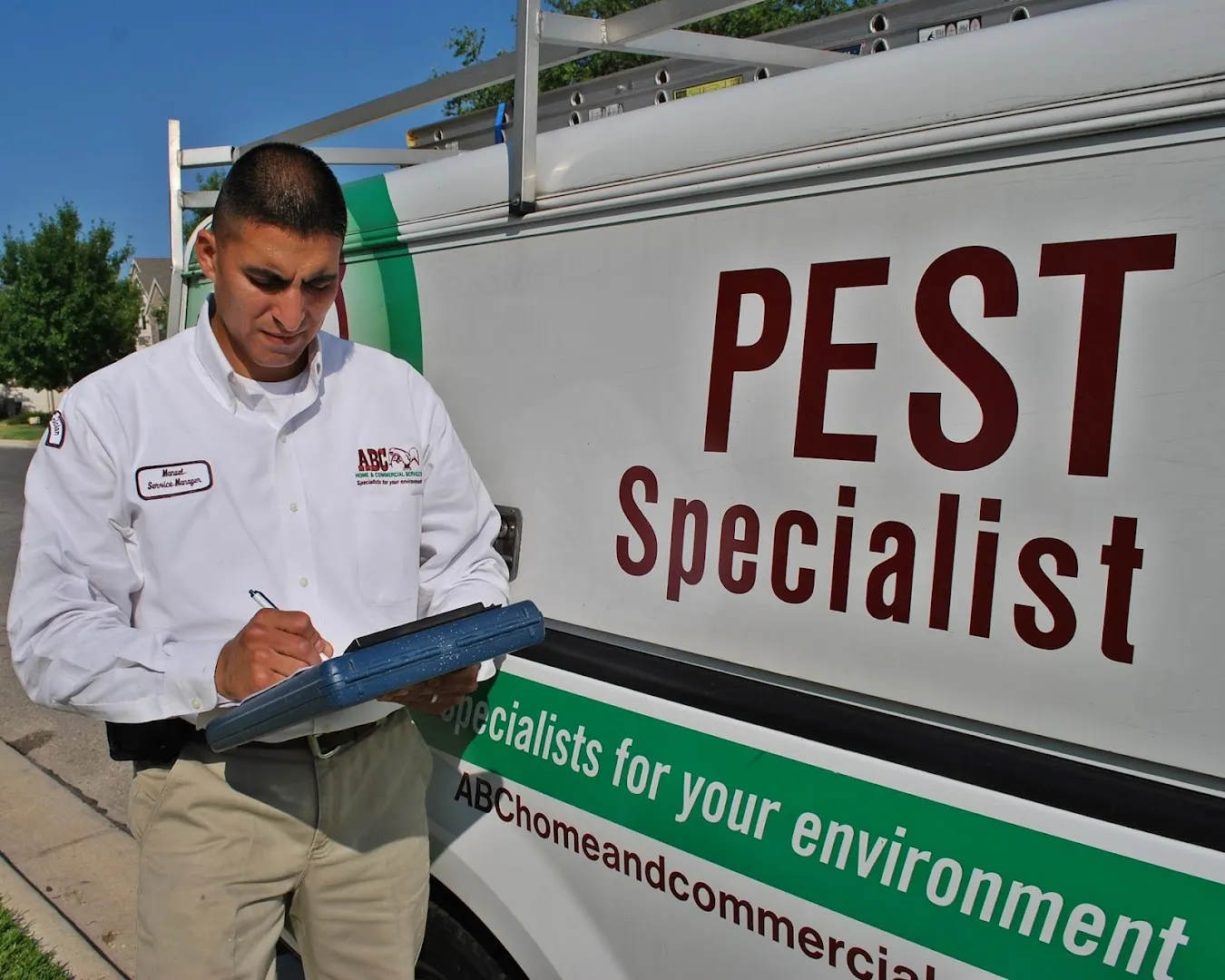
Securing professional pest control in Dallas, Texas, requires navigating a market defined by unique regional climate factors, such as high humidity and rapid seasonal temperature shifts, which drive frequent infestations of termites, fire ants, and rodents. Residents and business owners must evaluate service providers based on licensure, treatment efficacy, integrated pest management protocols, and long-term prevention strategies to ensure lasting results.
The Dallas Pest Environment: Why Professional Intervention Matters
Dallas is located in a transition zone between the humid subtropical climate of East Texas and the semi-arid plains of the west. This geographical positioning creates a "perfect storm" for various pest species. The high heat of North Texas summers often forces insects and rodents into homes looking for climate-controlled environments, while intense spring rainfall drives subterranean termites to the surface in search of structural wood.
Because many pests in the Dallas-Fort Worth area are invasive—such as the tawny crazy ant or the Formosan subterranean termite—DIY methods often fail to address the root of the colony. Professional services provide the necessary diagnostic tools, including moisture meters for wood-destroying insects and thermal imaging for rodent activity, which are essential for identifying infestations before they cause significant property damage.
Evaluating Pest Control Providers in North Texas
When selecting a service provider in the Dallas area, the first step is verifying credentials. The Texas Department of Agriculture (TDA) governs pest control businesses in the state. Every technician operating within city limits must hold a valid TDA license. You can verify the status of any pest control company through the TDA’s database to ensure they are insured, bonded, and in compliance with state regulations regarding pesticide application.
Beyond licensing, consider the specific methodologies employed by the company. Leading firms in Dallas generally follow the Integrated Pest Management (IPM) model. IPM is a science-based, decision-making process that prioritizes non-chemical methods—such as sealing entry points, moisture control, and habitat modification—before resorting to pesticides. This approach is not only safer for residents and pets but also more effective at preventing recurring issues.
Common Pests in Dallas and Their Seasonal Cycles
Understanding the life cycles of Dallas pests allows homeowners to anticipate when to request preventative service.
- Subterranean Termites: While active year-round, they are most visible during their swarming season in the spring. In Dallas, the presence of moist soil against building foundations acts as a primary attractant.
- Fire Ants: Highly prevalent in North Texas, these colonies thrive in the soil types found in the Dallas area. They are most active after rainfall and can become dangerous if they infiltrate electrical equipment or outdoor living areas.
- Rodents (Rats and Mice): As temperatures drop in late autumn, rodents migrate indoors seeking warmth and food. Professional exclusion services are the most effective way to address this, focusing on sealing the small gaps in roofing and foundations where they gain entry.
- Cockroaches: The American cockroach and the German cockroach remain the most frequent calls for service. Because they reproduce rapidly, professional treatment must be continuous to break the egg cycle.
Comparing Professional Service Models
Choosing the right service depends on whether you have an active infestation or are looking for long-term maintenance. The following table illustrates the typical service structures found in the Dallas market:
| Service Type | Primary Focus | Ideal For | Typical Frequency |
|---|---|---|---|
| One-Time Remediation | Immediate elimination of a specific pest | Single sightings or minor issues | One visit + follow-up |
| Quarterly Maintenance | General barrier protection and inspection | Long-term prevention | Every 3 months |
| Specialized Termite Plan | Structural monitoring and soil treatment | Protecting home equity | Annual/Continuous |
| Exclusion Services | Physical sealing of entry points | Rodent and wildlife control | Once + monitoring |
Steps to Managing Pest Infestations
If you suspect an infestation, the following sequence of actions provides the best chance of successful mitigation:
- Identification: Attempt to capture or photograph the pest. Identifying the exact species is critical, as a treatment plan for carpenter ants will be entirely ineffective against termites.
- Inspection: Before hiring, request a comprehensive inspection. A reputable Dallas company will examine the attic, crawl spaces, perimeter, and the landscape surrounding the foundation.
- Drafting the Treatment Plan: Ensure the proposed plan includes a detailed list of chemicals to be used (if any), the duration of the service, and a warranty or "retreat" guarantee.
- Implementation: Ensure all residents and pets vacate the premises during the initial heavy treatment phase, if required by the chemical label instructions.
- Monitoring: Post-treatment, maintain communication with the provider to report any ongoing activity. Pest control is rarely a "one-and-done" event; it is an ongoing process of management.
The Role of Integrated Pest Management (IPM)
In the context of Dallas, where environmental regulations are strict regarding chemical runoff into local watersheds, IPM is the gold standard. IPM focuses on the "Three Pillars of Control":
- Physical Control: Blocking entry points with steel wool, copper mesh, or caulk.
- Cultural Control: Modifying the environment, such as trimming tree limbs away from the roof to deny rodents access, or removing standing water that attracts mosquitoes.
- Chemical Control: Using targeted baits, gels, or micro-encapsulated sprays that affect only the target species, reducing the exposure of non-target beneficial insects and wildlife.
Frequently Asked Questions
How much does professional pest control typically cost in Dallas? Costs vary based on the square footage of the property and the severity of the infestation. Quarterly plans in the Dallas area generally range from $100 to $250 per visit, while comprehensive termite treatment can cost several thousand dollars depending on the size of the structure and the type of barrier required.
Are standard pest control services harmful to my pets? Most professional companies use EPA-registered products that are designed to be safe for indoor and outdoor environments when applied according to the label. However, you should always inform your technician about the types of pets you have—including fish or exotic animals—so they can adjust their application techniques accordingly.
How long does it take to get rid of an infestation? This depends entirely on the pest. Ants and roaches may show a decrease in activity within 24 to 48 hours, while termite colonies or long-term rodent issues may take weeks or months of monitoring and baiting to fully eradicate.
Should I sign a long-term contract? Many Dallas companies offer annual contracts that provide a discount for quarterly visits. Before signing, ensure the contract explicitly states what is covered (e.g., spiders, silverfish, rodents) and what is excluded (e.g., bed bugs, termites, or wildlife trapping).
What if I still see bugs after a treatment? It is common to see an increase in activity immediately following a professional treatment as the chemicals flush the insects out of their hiding spots. If you continue to see regular activity after two weeks, contact your provider to trigger the "retreat" clause in your service agreement.
Practical Recommendations for Dallas Homeowners
If you are currently experiencing issues, your first action should be to consult with a licensed professional to obtain a professional, on-site assessment. Avoid over-the-counter "bomb" or "fogger" products, as these often cause pests to scatter and nest deeper into walls, making professional remediation more difficult and expensive later. Prioritize companies that offer clear, written communication regarding their service warranties and the safety protocols they follow. By maintaining a proactive relationship with a licensed provider, you protect your property value and ensure a hygienic living environment throughout the year.