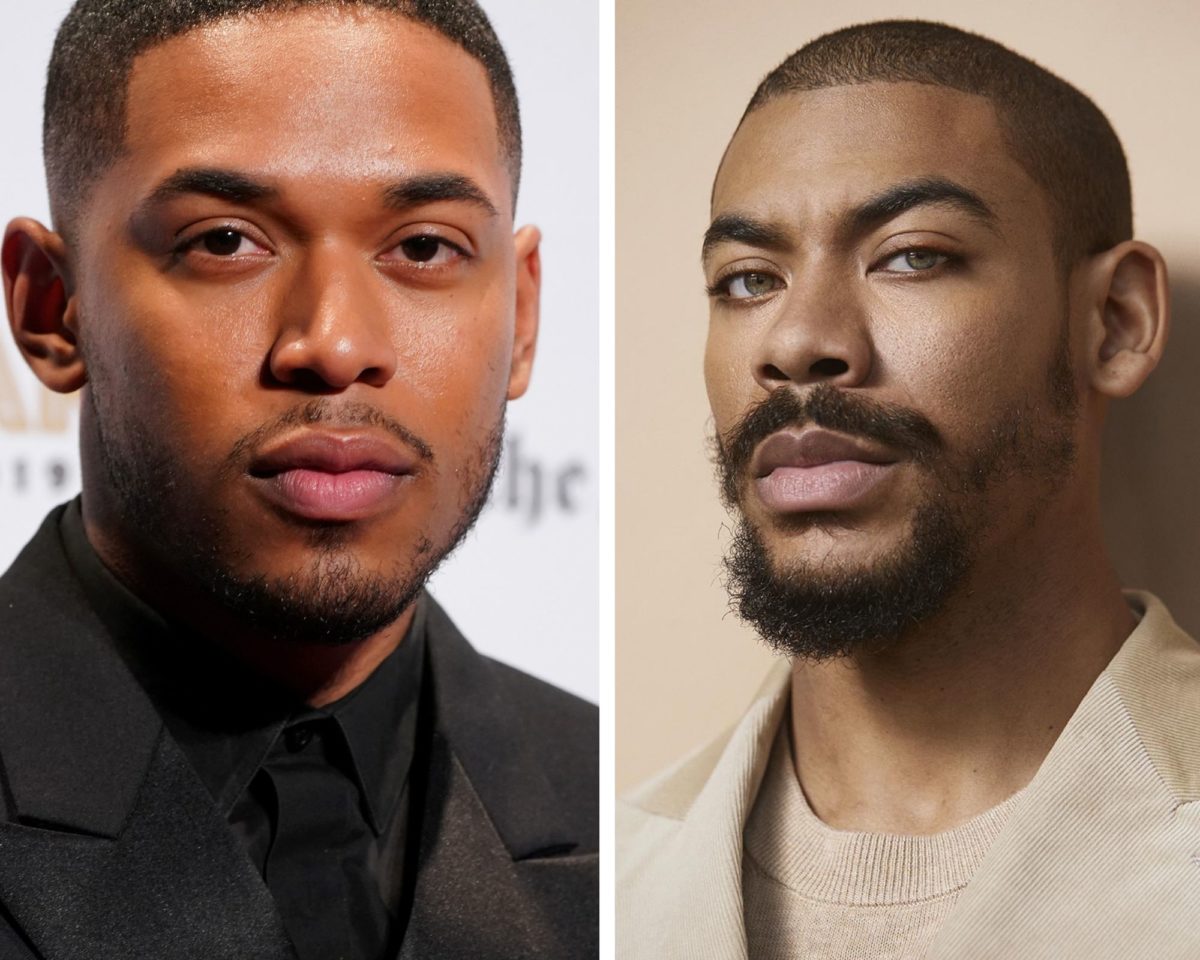
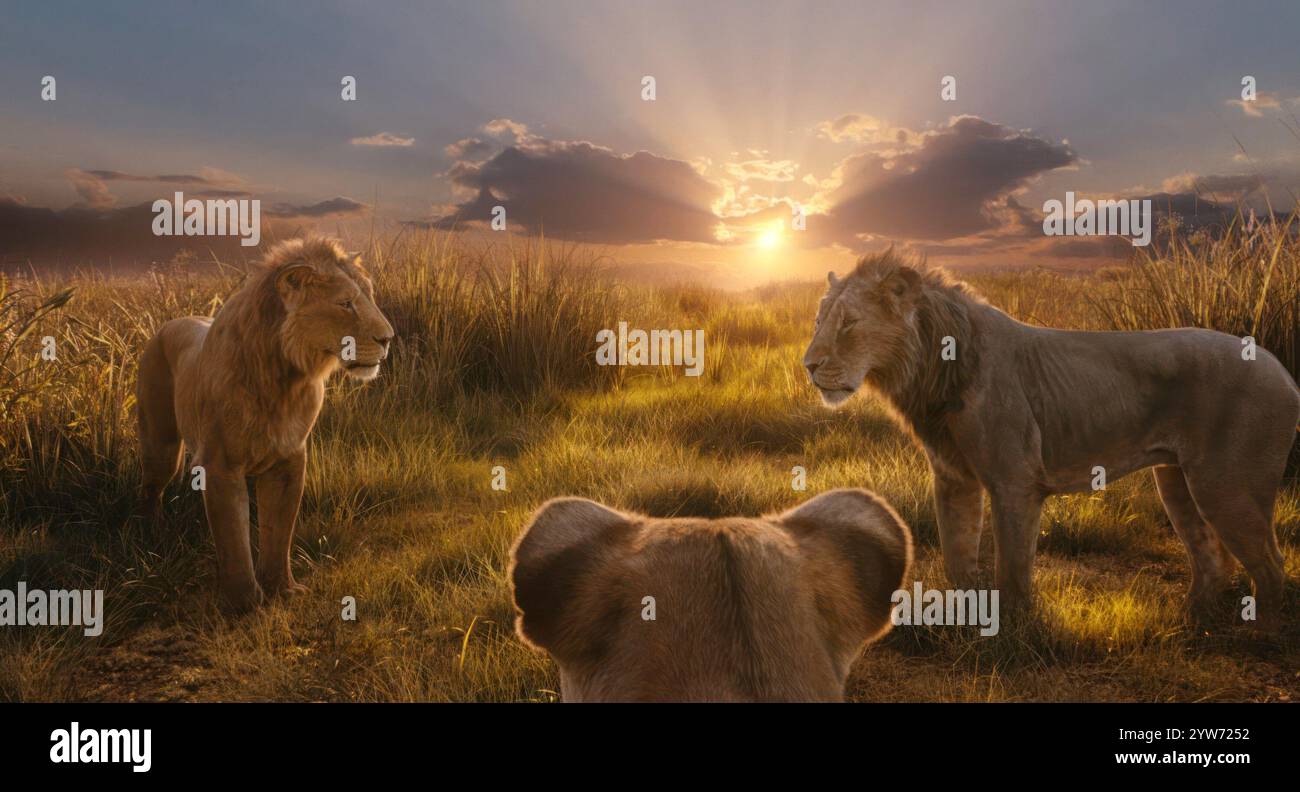
Aaron Pierre and Kelvin Harrison Jr. lead the voice cast of Disney's Mufasa: The Lion King as the younger versions of Mufasa and Taka (Scar), bringing a dramatic, emotionally layered depth to the origin story of the iconic pride leaders through their striking vocal performances and dynamic character work.
The cinematic landscape of Disney's live-action-style adaptations has continually sought to blend state-of-the-art photorealistic computer-generated imagery with compelling, human-driven emotional performances. When Walt Disney Pictures announced Mufasa: The Lion King—directed by Academy Award-winner Barry Jenkins—the project immediately captured the global film community's attention. Central to this anticipation were the casting choices for the two principal figures of the narrative: Aaron Pierre as Mufasa and Kelvin Harrison Jr. as Taka, who later becomes the villainous Scar. This casting choice shifted the production from a simple technological exercise into a character-driven epic exploring brotherhood, jealousy, destiny, and the fractured foundations of a royal lineage.
Examining the contributions of Aaron Pierre and Kelvin Harrison Jr. requires looking beyond a standard Hollywood casting announcement. It involves analyzing how two rising dramatic actors approached iconic animated legacy characters, how director Barry Jenkins shaped their performances, and how their vocal work elevated a blockbuster prequel into a complex tragedy. This comprehensive review explores their backgrounds, character dynamics, vocal methodologies, and the cultural impact of their performances in the broader context of the Disney canon.
The Cinematic Vision and Directorial Approach of Barry Jenkins
Before examining the performances of Aaron Pierre and Kelvin Harrison Jr., it is essential to understand the creative environment established by director Barry Jenkins. Known for critically acclaimed, deeply emotional independent dramas such as Moonlight and If Beale Street Could Talk, Jenkins brought an auteur's sensitivity to a massive intellectual property.
Rather than treating the film as a mere cash-grab prequel, Jenkins approached the script—written by Jeff Nathanson—as a Shakespearean tragedy. This directorial focus demanded actors who could convey profound internal conflict, vulnerability, and shifting loyalties solely through voice acting. Photorealistic CGI animals cannot rely on human facial expressions; every ounce of character motivation, heartache, and ambition must be communicated through vocal cadence, pitch, breath, and micro-inflections.
Pierre and Harrison Jr. were selected precisely because their previous stage and screen credits demonstrated a facility for intense emotional truth. Jenkins utilized their collaborative dynamic, often encouraging them to record scenes or discuss character motivations together to build a palpable sense of historical brotherhood. This foundation allowed the vocal performances to feel lived-in, capturing the bittersweet reality of two characters who start as inseparable family members before diverging down paths of destiny and resentment.
Aaron Pierre as Mufasa: Building a King from the Ground Up
Taking on the mantle of Mufasa is an intimidating prospect for any actor. The character was originally voiced with immortal, resonant authority by James Earl Jones in the 1994 animated classic and the 2019 remake. James Earl Jones defined the archetype of cinematic royalty: wise, steady, commanding, and deeply comforting.
Aaron Pierre faced the challenge of honoring that legacy while carving out a completely different iteration of the character: an orphaned cub who must find his way in a dangerous, unforgiving world before he ever earns the title of king.
Vocal Tone and Physicality in Voice Acting
Aaron Pierre possesses a naturally rich, resonant baritone that provides an immediate sense of gravity. However, in Mufasa: The Lion King, his performance avoids mimicking James Earl Jones. Instead, Pierre portrays Mufasa as vulnerable, curious, and remarkably humble during his formative years.
- Vulnerability Over Authority: Early in the film, Mufasa is not a king; he is a survivor separated from his family. Pierre captures this by infusing his dialogue with a sense of searching and quiet resilience rather than immediate command.
- Physicality in the Booth: Voice acting for photorealistic CGI requires physical commitment. Pierre utilized posture, breath control, and dynamic movement during recording sessions to ensure that Mufasa's physical struggles—climbing, fighting, and navigating treacherous landscapes—transcended the microphone.
- The Evolution of Leadership: As the narrative progresses, Pierre’s vocal register shifts. The breathy uncertainty of youth is slowly replaced by a firmer cadence, allowing the audience to hear the exact moment a lion learns what it means to protect a pride.
Critical Reception and Character Depth
Reviewers frequently highlighted Pierre's performance as an emotional anchor for the film. By grounding Mufasa in empathy rather than unearned majesty, Pierre made the legendary figure relatable. The performance answers a longstanding question left open by the original films: how did a lion without royal blood become the most respected sovereign of the Pride Lands? Pierre’s portrayal suggests that true leadership is forged through empathy, sacrifice, and the capacity to love deeply, rather than birthright alone.
Kelvin Harrison Jr. as Taka: The Tragic Descent into Scar
While Mufasa’s journey is one of ascendance, Taka’s journey is one of psychological fracture. Kelvin Harrison Jr. stepped into the role of Taka—the prince born into royalty who eventually adopts the name Scar. Portraying a villain requires immense empathy; an actor must understand why a character turns to darkness, even if the audience ultimately condemns their actions.
Harrison Jr., known for his versatile work in films like Waves, Luce, and Chevalier, brought a nuanced understanding of insecurity, privilege, and wounded pride to the character.
Anatomy of a Complex Antagonist
In the original 1994 film, Scar is presented as calculating, sardonic, and unapologetically malicious from the start. Mufasa: The Lion King complicates this narrative by portraying Taka as a well-meaning prince whose life is upended by the arrival of an outsider—Mufasa—whom his royal parents adopt as a brother.
- The Psychology of Envy: Harrison Jr. utilizes a lighter, more eager vocal texture in the early acts, portraying Taka as a young lion desperate for paternal approval and eager to share his kingdom with his new brother.
- Micro-Expressions in Audio: Because the character's face is rendered via CGI, Harrison Jr. relied on subtle shifts in tone—pauses, hesitation, and slight vocal fractures—to signal the gradual rot of jealousy taking root in Taka's mind.
- The Shift to Resentment: As Mufasa naturally commands more respect and attention, Harrison Jr. subtly alters his delivery. The warmth in his voice cools, replaced by a sharp, brittle edge that foreshadows the bitter tyrant of the original story.
The Brotherhood Dynamic
The emotional core of the film rests entirely on the chemistry between Pierre and Harrison Jr. Their scenes together are charged with a complex mix of sibling love and latent competitive tension. Harrison Jr. successfully portrays a character who genuinely loves his brother yet feels increasingly erased by his shadow. This makes Taka's eventual betrayal and transformation into Scar not just a cartoonish villain turn, but a genuine tragedy of lost potential and unaddressed familial trauma.
Comparative Character Breakdown
To better understand how Pierre and Harrison Jr. shape the narrative of Disney's Mufasa, consider the contrasting traits of their characters across the film's timeline.
| Character Attribute | Mufasa (Voiced by Aaron Pierre) | Taka / Scar (Voiced by Kelvin Harrison Jr.) |
|---|---|---|
| Initial Status | Orphaned, displaced, and wandering | Royal heir, beloved son, and privileged prince |
| Core Motivation | Finding belonging, safety, and family | Maintaining love, securing approval, and proving worth |
| Vocal Arc | Starts uncertain and cautious; grows deep and resonant | Starts bright and warm; hardens into bitter cynicism |
| Relationship Dynamic | Protective, grateful, and fiercely loyal | Initially welcoming, slowly poisoned by insecurity and jealousy |
| Thematic Representation | Earned leadership, humility, and legacy | Corrupted privilege, unmet expectations, and tragedy |
The Impact of Musical and Vocal Collaboration
Music has always been the lifeblood of the Lion King franchise, dating back to Elton John and Tim Rice’s legendary work on the 1994 original. For Mufasa: The Lion King, the musical landscape was helmed by a powerhouse team including Lin-Manuel Miranda, Lebo M, Mark Mancina, and Dave Metzger.
Both Aaron Pierre and Kelvin Harrison Jr. were required to step outside straight dramatic acting and contribute to the film’s musical numbers. This added another layer of technical demand to their roles:
- Blending Styles: The songs bridge Broadway-style theatricality with traditional African choral arrangements. Pierre brings a grounded, warm baritone to his musical cues, anchoring ensemble numbers with emotional weight.
- Character Through Song: For Harrison Jr., the music serves as an externalization of Taka's internal state. Songs transition from joyful celebrations of brotherhood to haunting, melancholic melodies that track his emotional isolation.
- Vocal Coaching and Training: Both actors underwent rigorous vocal preparation to ensure their singing voices seamlessly matched the emotional arcs of their spoken dialogue scenes, maintaining character continuity across dialogue and song.
Production Challenges and the Realities of Voice Performance in CGI Epics
Working on a film directed by Barry Jenkins utilizing photorealistic virtual production tools presents distinct challenges for actors. Unlike traditional voice acting in animation, where artists record in isolation before animators draw the characters, virtual production creates an interconnected pipeline.
The Virtual Production Pipeline
- Initial Voice Sessions: Actors record extensive dialogue tracks in traditional sound booths to establish the emotional and narrative beats of the scene.
- Performance Capture Integration: Directors and animators analyze these vocal tracks to capture breath patterns, vocal ticks, and emotional intensity, which inform the digital animators' creation of the animal movements.
- Iterative Adjustments: Because the visual world is rendered digitally, actors often return for pick-ups and dialogue adjustments months or even years later to match newly edited sequences, requiring them to maintain vocal and emotional consistency over long production cycles.
Aaron Pierre and Kelvin Harrison Jr. navigated this technical maze with precision, ensuring that their performances never felt detached from the digital animals on screen. Their ability to deliver raw, emotionally exhausting dramatic scenes into a static microphone without a physical scene partner is a testament to their theatrical training.
Frequently Asked Questions
Who voices Mufasa in Disney's Mufasa: The Lion King?
Aaron Pierre provides the voice for the younger version of Mufasa. His performance explores Mufasa's origins as an orphaned cub before he rises to become the revered king of the Pride Lands.
Who voices Scar in the movie?
Kelvin Harrison Jr. voices Taka, the young prince who eventually becomes the villainous Scar. The film explores their complex relationship as adoptive brothers whose paths diverge tragically.
Is James Earl Jones involved in Mufasa: The Lion King?
No, the film serves as a prequel focusing entirely on the youth of Mufasa and Taka, utilizing a completely new cast to portray the characters during their formative years.
Who directed Mufasa: The Lion King?
The film was directed by Academy Award-winner Barry Jenkins, known for his work on Moonlight and If Beale Street Could Talk, bringing a dramatic, character-focused sensibility to the blockbuster Disney prequel.
How do Aaron Pierre and Kelvin Harrison Jr. differ from the original voice actors?
While Jeremy Irons and James Earl Jones established iconic archetypes with theatrical menace and majestic authority in 1994, Pierre and Harrison Jr. lean into psychological realism, exploring the vulnerability, brotherhood, and emotional nuance behind the legend.
Conclusion and Cultural Legacy
The casting of Aaron Pierre and Kelvin Harrison Jr. in Disney's Mufasa: The Lion King represents a masterclass in modern voice casting. By entrusting two of Hollywood's most exciting young dramatic talents with characters carrying thirty years of cultural weight, Barry Jenkins and Disney elevated a high-profile CGI prequel into a poignant exploration of brotherhood and identity. Through Pierre's grounded, empathetic portrayal of Mufasa and Harrison Jr.'s nuanced, tragic descent as Taka, the film offers a masterclass in vocal acting. They successfully transformed digital creations into living, breathing, and emotionally resonant figures, leaving an indelible mark on the enduring legacy of the Pride Lands.