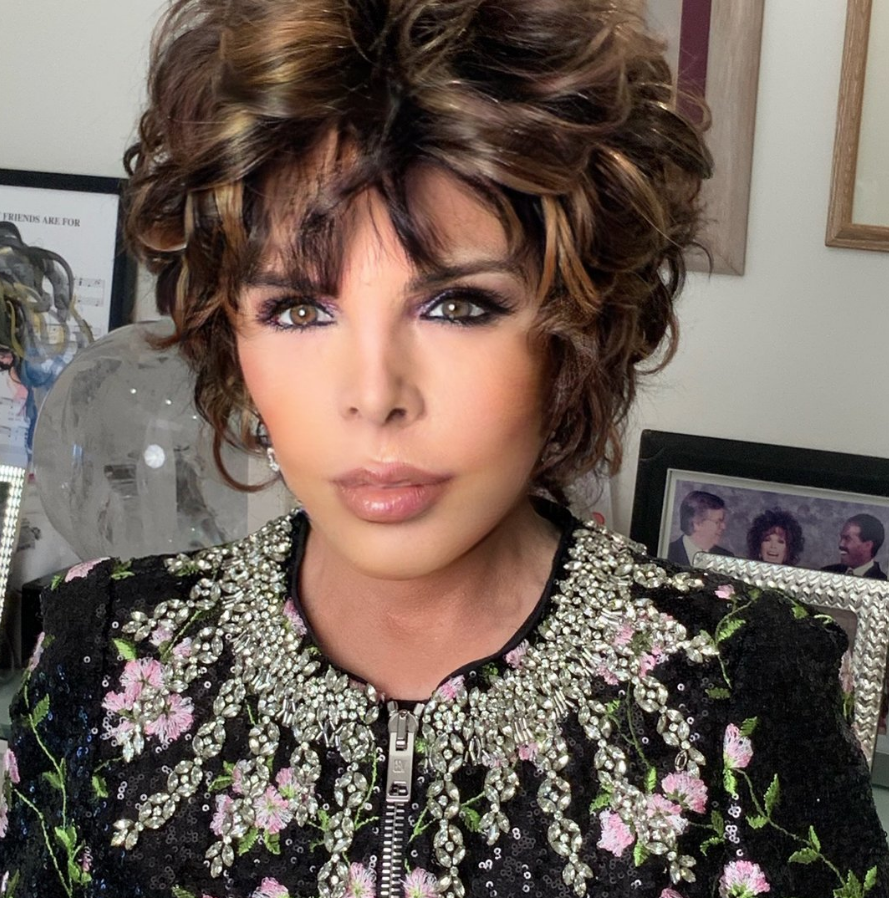
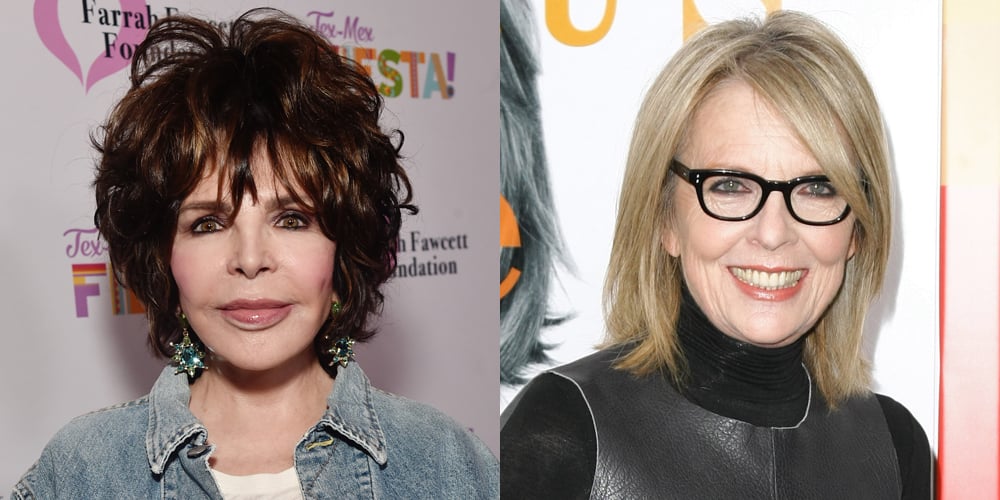
The enduring friendship between Academy Award-winning songwriter Carole Bayer Sager and Academy Award-winning actress Diane Keaton stands as one of the most resilient and authentic bonds in Hollywood history. For over five decades, these two cultural icons have navigated the pressures of fame, the shifts of the entertainment industry, and the complexities of personal growth side-by-side, proving that long-term platonic intimacy is the ultimate "hit" in a town known for fleeting connections.
As of 2026, their relationship serves as a masterclass in emotional resilience and mutual creative respect. Their bond was never merely a "red carpet" convenience; it was a deeply rooted partnership based on shared aesthetics, intellectual curiosity, and a profound understanding of each other's vulnerabilities. From the bustling New York creative scene of the 1970s to their status as the "grand dames" of Los Angeles today, Sager and Keaton have remained each other's primary sounding boards.
1. A Shared Origin in the Creative Ferment of the 1970s
The foundation of the Sager-Keaton friendship was laid during the 1970s, a transformative decade for both women. While Diane Keaton was becoming the face of a generation through her collaborations with Woody Allen—most notably in Annie Hall (1977)—Carole Bayer Sager was cementing her status as a premier lyricist, writing hits like "Nobody Does It Better" and "When I Need You."
This era was critical because both women were establishing their identities in male-dominated fields. They were not just "friends of stars"; they were the stars. This mutual professional standing created a level playing field where neither felt overshadowed. Their shared history involves the transition from the gritty, intellectual landscape of New York to the sun-drenched, high-stakes environment of Hollywood. Because they "knew each other when," their friendship was shielded from the transactional nature that often plagues relationships formed after achieving peak celebrity status.
In Sager’s 2016 memoir, They’re Playing Our Song, she reflects on these early years, illustrating a period of rapid self-discovery. Having a peer like Keaton, who was navigating similar levels of sudden, massive acclaim, provided a necessary psychological anchor. They were witnesses to each other’s rise, which created a shorthand for communication that remains unbroken in 2026.
2. Emotional Anchoring Through High-Profile Relationships
One of the most significant reasons their bond deepened was their roles as confidantes during high-profile romantic transitions. Diane Keaton’s life has been marked by significant relationships with figures like Woody Allen, Warren Beatty, and Al Pacino. Conversely, Carole Bayer Sager navigated high-stakes marriages and partnerships, most notably her creative and personal union with composer Burt Bacharach.
Throughout these decades of headlines and heartbreaks, Sager was often the person Keaton turned to for a "reality check." In Hollywood, where public image is frequently prioritized over private truth, having a friend who knows the "unfiltered" version of a breakup is invaluable.
Sager has often spoken about Keaton’s unique perspective on life—one that is both eccentric and deeply grounded. This balance helped Sager navigate the "Bacharach years," providing a safe space to discuss the complexities of being a creative partner to a legendary composer while maintaining her own artistic voice. Their friendship functioned as a sanctuary where the "public persona" could be dropped in favor of raw, honest dialogue about love, loneliness, and the pursuit of happiness.
3. Mutual Passion for Design, Architecture, and Art
Beyond music and film, Sager and Keaton share an intense, almost scholarly obsession with aesthetics. Diane Keaton is widely recognized not just as an actress, but as a preservationist and a visionary in the world of interior design and architecture. She has authored several books on the subject, including California Romantica and The House that Pinterest Built.
Carole Bayer Sager, similarly, transitioned in her later years into a serious painter and art collector. This shared "visual language" is a pillar of their 2026 friendship. They are known to spend hours discussing the nuances of a specific shade of white paint, the structure of a historic Spanish Colonial home, or the emotional impact of a contemporary painting.
| Aspect of Shared Aesthetic | Diane Keaton's Focus | Carole Bayer Sager's Focus |
|---|---|---|
| Primary Medium | Architecture and House Flipping | Painting and Lyricism |
| Design Philosophy | Rustic, Industrial, and Historic Preservation | Modernist, Vibrant, and Emotionally Expressive |
| Literature | Visual coffee table books on design | Narrative memoirs and poetry |
| Artistic Outlet | Photography and Fashion | Fine Art Painting and Songwriting |
This synergy is more than just a hobby; it is a way of processing the world. When two people see the world through the same artistic lens, their conversations transcend small talk. They have supported each other’s non-entertainment ventures with the same fervor they applied to their primary careers, with Keaton often being one of the first to view Sager’s new canvases.
4. The "That's What Friends Are For" Philosophy
Carole Bayer Sager famously co-wrote the lyrics to "That's What Friends Are For," a song that became an anthem for loyalty and support during the 1980s. While the song was a massive commercial success and a fundraiser for AIDS research, it also served as a mission statement for Sager’s personal life.
She didn't just write about loyalty; she practiced it. In the context of her friendship with Keaton, this "philosophy of presence" has been vital. In an industry characterized by "fair-weather friends," Sager has remained a constant in Keaton’s life. Whether it was supporting Keaton through the adoption of her children in her 50s or being there during the loss of parents, Sager embodied the lyrics she penned.
Keaton, in turn, has offered Sager a different kind of loyalty: the loyalty of the "truth-teller." Keaton is famously neurotically honest, a trait that Sager has credited with keeping her grounded. This "loyalty to the truth" ensured that their friendship never became a sycophantic Hollywood bubble. They held mirrors up to each other, even when the reflection was difficult to look at.
5. Participation in a Tight-Knit "Power Circle"
The longevity of their friendship is also bolstered by their membership in a broader "inner circle" of high-achieving women. This group—which has at various times included Bette Midler, Candice Bergen, and Barbra Streisand—provided a social ecosystem where Sager and Keaton were the central axis.
Being part of a "clique" of powerful women in 2026 is a form of survival. They created their own support system before "squads" were a social media trend. This group shared resources, advice on health and aging, and professional counsel. For Sager and Keaton, this meant they were never isolated.
Their friendship thrived because it was part of a larger community of women who refused to be sidelined as they aged. This collective resilience allowed Sager and Keaton to maintain their relevance and sanity. They often hosted dinners and gatherings that became legendary in Los Angeles for their intellectual depth and humor, reinforcing their bond through shared social experiences.
6. Navigating the Challenges of Aging in the Public Eye
As they move through the 2020s, the challenges of aging in Hollywood have brought Sager and Keaton even closer. Diane Keaton has been a vocal advocate for aging naturally, often poking fun at the industry's obsession with youth. Carole Bayer Sager has navigated her own journey with grace, focusing on her painting and her family.
This shared experience of "growing older but not quieter" is a major reason for their closeness. They provide each other with a perspective that their younger assistants or family members cannot. They understand the specific sting of seeing the industry change, the loss of contemporaries, and the physical transitions of the seventh and eighth decades of life.
By 2026, they have become symbols of "successful aging," not by trying to look 30, but by remaining engaged, creative, and—most importantly—connected to each other. Their friendship offers a roadmap for how to maintain a sense of self when the external world tries to redefine you based on age.
7. Intellectual Humility and Continuous Learning
Finally, the Sager-Keaton friendship is sustained by a mutual commitment to growth. Neither woman has "retired" in the traditional sense. They are constantly looking for the next thing to learn, whether it's a new painting technique for Carole or a new architectural project for Diane.
This intellectual curiosity keeps their conversations fresh. They are not just reminiscing about the "good old days" of the 70s; they are discussing the books they are currently reading, the political landscape of 2026, and the evolution of the arts. They challenge each other. Sager’s lyrical mind and Keaton’s visual mind create a dialectic that keeps both of them sharp.
This "growth mindset" is the secret sauce of their longevity. They have allowed each other to change. Sager is not the same person she was when she wrote "Groovy Kind of Love," and Keaton is not the same person she was during the filming of The Godfather. Their best-friend status is rooted in the fact that they fell in love with each version of the other person as they evolved over 50 years.
Comparing the Creative Impact of Sager and Keaton
While their friendship is personal, their professional overlap has occasionally created cultural milestones. Below is a comparison of how their respective careers have intersected with the themes of their friendship.
| Feature | Carole Bayer Sager | Diane Keaton |
|---|---|---|
| Key Contribution | Lyrics that define emotional vulnerability. | Performances that redefine the "modern woman." |
| Oscar Wins | Best Original Song ("Arthur's Theme"). | Best Actress (Annie Hall). |
| Cultural Status | The "Voice" behind the scenes. | The "Face" of independent spirit. |
| Friendship Role | The nurturer and social connector. | The honest critic and aesthetic muse. |
| 2026 Legacy | Mastery of fine art and philanthropy. | Icon of fashion, design, and acting. |
Frequently Asked Questions
How did Carole Bayer Sager and Diane Keaton first meet?
They met in the mid-1970s through the interconnected social and professional circles of New York and Los Angeles. As Sager’s career as a top-tier lyricist skyrocketed and Keaton became a major film star, they frequently attended the same industry events. Their friendship solidified as they realized they shared a similar sense of humor and a deep interest in the visual arts.
Are Carole Bayer Sager and Diane Keaton still close in 2026?
Yes. Their friendship has remained a constant in both of their lives. While they may lead more private lives now than during their peak years of fame, they are frequently seen together at art gallery openings, charity events, and private gatherings. They continue to cite each other as their most trusted confidantes.
Did they ever collaborate on a professional project?
While they have not had a formal "Sager-Keaton" production, their influence on each other’s work is significant. Sager’s music often captures the same spirit of independent, slightly neurotic, yet soulful womanhood that Keaton portrays on screen. Keaton has also been an active supporter of Sager’s career as a painter, often attending her exhibitions and providing feedback on her work.
What has Diane Keaton said about Carole Bayer Sager in her books?
In her various memoirs, including Then Again, Keaton describes Sager as a woman of immense talent and a "connector." She highlights Sager’s ability to bring people together and her unwavering loyalty. Keaton often refers to Sager as one of the few people who can truly "see" her past the public image of her characters.
Is Carole Bayer Sager’s song "That’s What Friends Are For" about Diane Keaton?
While the song was not written specifically for one person, Sager has acknowledged that the lyrics reflect her general philosophy on friendship, a philosophy that is perfectly exemplified by her bond with Keaton. The song’s message of "keep smiling, keep shining" mirrors the supportive nature of their long-standing relationship.
Practical Recommendation for Maintaining Lifelong Friendships
The Sager-Keaton bond teaches us that the key to a "best friend for life" is not just shared interests, but shared evolution. To foster a friendship of this caliber, consider the following:
- Prioritize Honesty Over Agreement: Like Keaton and Sager, value a friend who tells you the truth rather than one who only says what you want to hear.
- Cultivate Outside Interests: Share passions beyond your primary career (like their shared love for architecture and art) to keep the relationship multifaceted.
- Allow for Change: Accept that your friend will not be the same person at 80 as they were at 30. Support their new ventures and shifts in personality.
- Show Up During Transitions: The "That's What Friends Are For" ethos is most important during breakups, career shifts, and personal losses. Consistency is the bedrock of trust.
By following these principles, one can build a support system that, like the bond between Carole Bayer Sager and Diane Keaton, stands the test of time, fame, and the changing tides of life.