The 2019 federal tax credit for electric cars, governed by Internal Revenue Code Section 30D, was a non-refundable credit worth up to $7,500 for qualifying new plug-in vehicles. Eligibility depended on the vehicle's battery capacity and the manufacturer’s total sales volume, as credits began phasing out once a brand sold 200,000 qualifying units.
The transition toward electric mobility in the United States has been largely fueled by federal incentives, yet the rules governing these incentives have changed significantly over the last decade. Looking back from 2026, the 2019 tax year stands out as a pivotal moment of complexity. During that period, some of the most popular manufacturers reached their sunset phases, while others remained fully subsidized. This discrepancy created a breeding ground for misinformation that persists today when taxpayers review historical records or attempt to understand the evolution of the "Clean Vehicle Credit."
To navigate the historical landscape of 2019 tax filings and the financial implications of electric vehicle (EV) ownership during that era, one must dismantle the prevailing myths. These misconceptions range from the actual value of the credit to the eligibility of specific brands and the mechanics of the Internal Revenue Service (IRS) claim process.
Understanding the 2019 Section 30D Framework
Before debunking specific myths, it is essential to establish the technical baseline for the 2019 tax year. Under the rules in effect at that time, the "Qualified Plug-in Electric Drive Motor Vehicle Credit" provided a base credit of $2,500 for vehicles with at least 4 kilowatt-hours (kWh) of battery capacity. For vehicles with larger battery packs, an additional $417 was added for every kilowatt-hour of capacity in excess of 5 kWh, with a total maximum credit capped at $7,500.
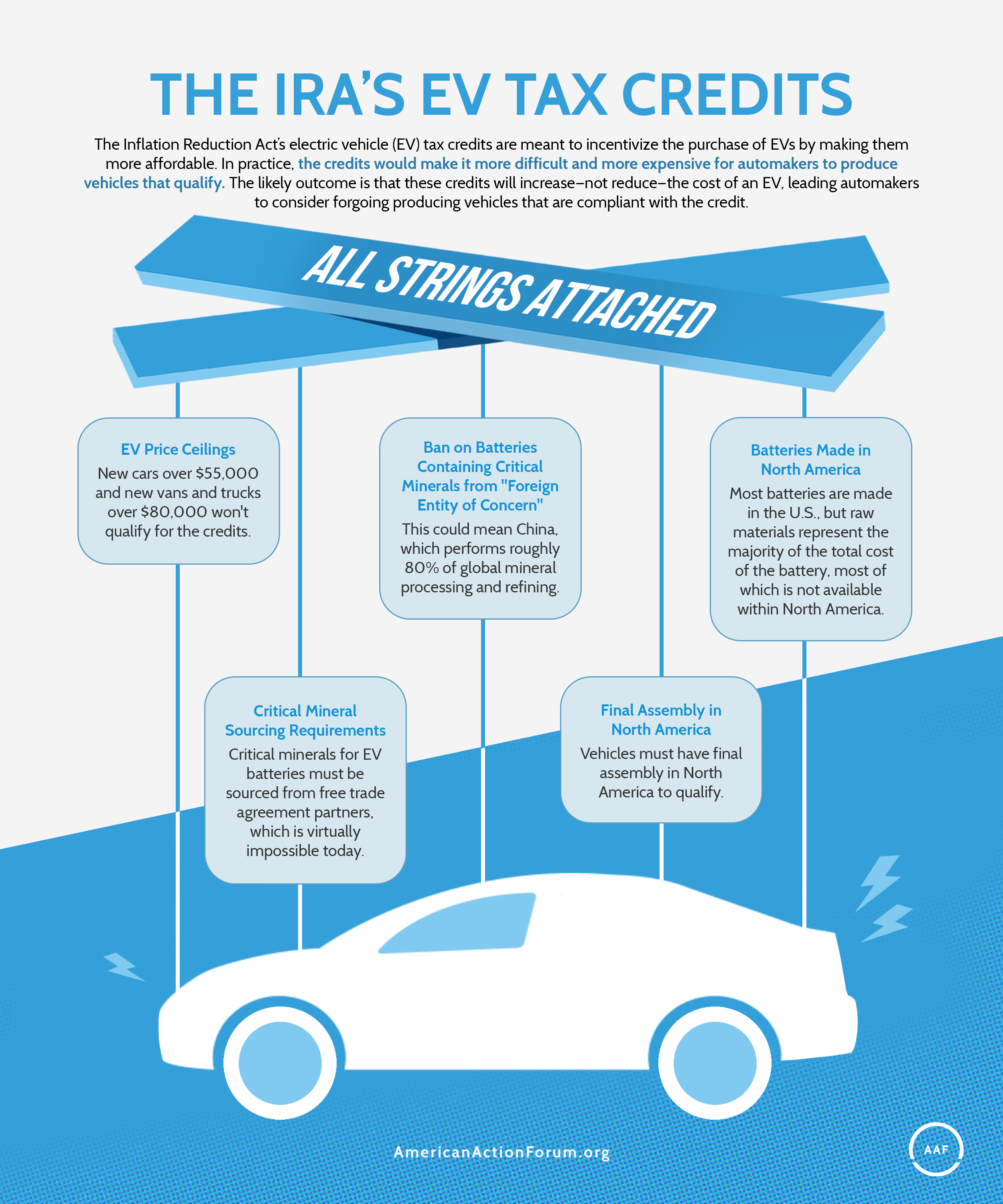
Unlike the regulations introduced by the Inflation Reduction Act of 2022, the 2019 rules did not include requirements for "North American Assembly" or "Critical Mineral" sourcing. However, they did include a manufacturer-specific volume cap. Once a manufacturer sold 200,000 qualifying plug-in vehicles for use in the United States, a "phase-out" period began. This period reduced the credit by 50% for two quarters, then by 75% for another two quarters, before eliminating it entirely.
Because 2019 was the year Tesla and General Motors (GM) hit these thresholds, the complexity of the credit reached its zenith. Understanding this backdrop is crucial for identifying why the following seven myths are factually incorrect.
Myth 1: Every EV Buyer Received a $7,500 Check
One of the most persistent myths regarding the 2019 federal tax credit is the belief that the government sent a $7,500 check to every person who purchased an electric car. This is a fundamental misunderstanding of the difference between a tax credit and a tax rebate.
In 2019, the incentive was a non-refundable tax credit. This means it could only be used to reduce a taxpayer's total federal tax liability. If a buyer purchased a vehicle qualifying for the full $7,500 credit but only owed $4,000 in federal taxes for the year, their tax bill would be reduced to zero, but they would not receive the remaining $3,500 as a refund. The "missing" portion of the credit simply vanished.
This distinction was vital for middle-to-low-income earners who may not have had a high enough tax liability to realize the full value of the incentive. It essentially made the EV credit more lucrative for wealthier individuals with higher tax burdens. Furthermore, because it was not a rebate, there was no immediate cash infusion at the point of sale; the buyer had to wait until they filed their 2019 tax return in early 2020 to see the benefit.
Myth 2: Tesla and GM Models Qualified for the Full Credit All Year
Many prospective buyers in 2019 believed that if they bought a Tesla Model 3 or a Chevrolet Bolt, they were guaranteed the full $7,500 credit. This was perhaps the most damaging myth of the year, as it led to significant financial surprises during tax season.
By January 1, 2019, Tesla had already crossed the 200,000-unit threshold (which happened in July 2018). Consequently, the credit for all Tesla vehicles was reduced to $3,750 for the first half of 2019 (January 1 through June 30). For the second half of the year (July 1 through December 31), the credit dropped again to $1,875.
General Motors reached their 200,000th sale in late 2018, triggering their phase-out on April 1, 2019. Buyers of the Chevrolet Bolt or Volt received the full $7,500 only if they took delivery before March 31, 2019. From April 1 through September 30, the credit was halved to $3,750, and from October 1 through the end of the year, it was reduced to $1,875. This staggered phase-out meant that the "value" of the car changed depending on the literal day of the week it was purchased.
Myth 3: The Credit Could Be Applied at the Time of Purchase
In 2026, we are accustomed to "point-of-sale" credits where the incentive is deducted immediately from the sticker price at the dealership. However, in 2019, this was impossible under federal law. The myth that you could use the credit as a down payment was a common sales tactic that often blurred the lines of technical reality.
The 2019 credit was strictly a reconciliation item on IRS Form 8936. The buyer was required to pay the full price of the vehicle (or finance the full price) and then claim the credit months later when filing their annual tax return.
The only exception to this was through leasing. When an EV was leased in 2019, the tax credit technically belonged to the lessor (the finance company or dealership), not the lessee (the driver). Some manufacturers chose to "pass through" the value of the credit to the consumer by reducing the capitalized cost of the lease, effectively lowering the monthly payment. However, this was a voluntary move by the finance companies, not a direct application of the credit by the consumer.
Myth 4: You Could Carry Over Unused Credit to Future Tax Years
Because the $7,500 credit was substantial, many taxpayers assumed that if they couldn't use the whole amount in 2019, they could "carry it forward" to 2020 or 2021. This myth stems from how other tax credits, such as the Solar Investment Tax Credit (ITC), sometimes operate.
For the 2019 EV tax credit, there was no carry-forward provision for individual consumers. The credit had to be used in the tax year the vehicle was "placed in service" (delivered to the owner). If the credit exceeded the tax liability for that specific year, the excess was forfeited.
This made tax planning essential. Some savvy buyers in 2019 intentionally triggered capital gains—such as by selling stocks or converting a traditional IRA to a Roth IRA—to increase their tax liability enough to "soak up" the full $7,500 credit. Without such maneuvers, many buyers found that they were only able to utilize a fraction of the incentive they were promised by enthusiastic car reviewers.
Myth 5: Low-Income Earners Could Benefit from the Full Amount
This myth is a corollary to the tax liability issue but deserves its own focus because of how it impacted the market. There was a widespread belief that the EV tax credit was a social program designed to help lower-income families transition to green energy.
In reality, the structure of the 2019 tax code made the credit almost entirely inaccessible to the lowest earners. A single filer in 2019 would have needed a taxable income of approximately $50,000 to $60,000 (depending on deductions) to have a federal tax liability of $7,500. Anyone earning less than that would, by definition, be unable to claim the full credit.
For example, a person earning $30,000 a year might have a federal tax liability of only $1,500. If they bought a Nissan Leaf (which qualified for $7,500 in 2019), they would only receive a $1,500 benefit. The federal government did not provide a way for this individual to receive the "remaining" $6,000. This effectively turned a "universal" incentive into a regressive one that favored those with higher incomes.
Myth 6: Used Electric Vehicles Were Eligible for a Partial Credit
When shopping for cars in 2019, many buyers looked at two-year-old used EVs, assuming there might be a secondary credit available for "recycling" a green vehicle into the used market. This is a common myth that persists because certain states (like California) did offer used EV rebates, and the federal government eventually introduced a used EV credit in later years (post-2022).
However, for the 2019 tax year, the federal tax credit was strictly limited to the original use of the vehicle. To qualify, the taxpayer had to be the first person to purchase the car for use. Once a vehicle was registered and titled to an owner, it was no longer eligible for the Section 30D credit in any subsequent sale.
Even "dealer demonstrators" or "loaner cars" could fall into a gray area. If a dealership had already titled the car and put it into service for their own use, a subsequent buyer would be considered the second owner and would be ineligible for the credit, even if the car had only 500 miles on the odometer. This led to significant frustration for buyers who thought they were getting a "new" car that was actually technically "used" in the eyes of the IRS.
Myth 7: High-End Luxury EVs Were Excluded via Price Caps
As of 2026, we are very familiar with the $55,000 (sedan) and $80,000 (SUV/Truck) MSRP caps that limit who can claim the federal tax credit. This has led many to retroactively believe that luxury cars in 2019, like the Tesla Model S or the Porsche Taycan, were ineligible because they were too expensive.
This is a myth. In 2019, there were no MSRP limits on the federal tax credit. Whether you bought a $30,000 Nissan Leaf or a $150,000 Porsche Taycan Turbo, you were eligible for the same federal tax credit based on the battery size (and the manufacturer's phase-out status).
Similarly, there were no income caps for the buyer. A billionaire could buy a fleet of qualifying EVs and claim the credit for each one, provided they were for personal use and not for resale. The 2019 rules were entirely focused on the technical specifications of the vehicle and the manufacturer's total sales volume, rather than the price of the car or the wealth of the purchaser.
2019 Federal Tax Credit: Manufacturer Phase-Out Status
The following table highlights the phase-out status for the three most discussed manufacturers during the 2019 tax year. Note how the credit amount changed based on the date of purchase.
| Manufacturer | Purchase Date: Jan 1 – Mar 31 | Purchase Date: Apr 1 – Jun 30 | Purchase Date: Jul 1 – Sep 30 | Purchase Date: Oct 1 – Dec 31 |
|---|---|---|---|---|
| Tesla | $3,750 | $3,750 | $1,875 | $1,875 |
| General Motors | $7,500 | $3,750 | $3,750 | $1,875 |
| Nissan / BMW / Others | $7,500 | $7,500 | $7,500 | $7,500 |
Note: "Others" refers to manufacturers that had not yet reached the 200,000-unit sales cap by the end of 2019. Tesla's credit was completely eliminated on January 1, 2020, while GM's was eliminated on April 1, 2020.
How Taxpayers Claimed the Credit (Form 8936)
To legally claim the credit for a vehicle purchased in 2019, taxpayers had to file IRS Form 8936, "Qualified Plug-in Electric Drive Motor Vehicle Credit." This form required specific technical data that many owners found difficult to locate.
Required Information
- Vehicle Identification Number (VIN): The IRS used the VIN to verify the manufacturer and the specific model.
- Date Placed in Service: This was the date the buyer took delivery, not the date the contract was signed. This was critical for Tesla and GM buyers whose credits changed mid-year.
- Battery Capacity: While the credit for most 2019 EVs was the full $7,500 (pre-phase-out), plug-in hybrids (PHEVs) with smaller batteries qualified for less. For example, a 2019 Toyota Prius Prime only qualified for $4,502 because its battery was 8.8 kWh.
Tax Liability Reconciliation
After calculating the vehicle's eligible credit amount on Form 8936, the result was carried over to Schedule 3 (Form 1040). It was at this stage that the "non-refundable" nature of the credit took effect. If the number on Line 12 of the 1040 (total tax) was less than the credit amount calculated, the credit was reduced to match the tax liability.
Frequently Asked Questions
Did the 2019 credit apply to leased vehicles?
The federal tax credit belonged to the owner of the vehicle. In a lease, the owner is the leasing company (e.g., Tesla Leasing or BMW Financial Services). While the driver (lessee) could not claim the credit on their taxes, many leasing companies factored the $7,500 (or the phased-out amount) into the lease agreement to lower the monthly payments.
Can I still claim the 2019 credit in 2026?
Generally, the statute of limitations for claiming a refund on an amended return is three years from the date the original return was filed or two years from the date the tax was paid, whichever is later. For a 2019 return filed in April 2020, the window to amend and claim a forgotten credit typically closed in April 2023. Unless there were specific circumstances or extensions, it is too late to claim the 2019 credit now.
What happened if I bought the car in 2019 but it wasn't delivered until 2020?
The IRS rules are based on the "placed in service" date. If you paid for a Tesla in December 2019 but it was delivered to your home on January 2, 2020, you were subject to the 2020 credit rules. For Tesla, this meant you received $0, as their credit expired entirely on December 31, 2019.
Did plug-in hybrids (PHEVs) qualify in 2019?
Yes, but often for a lower amount. The credit was based on battery capacity. Any vehicle with a battery of at least 4 kWh could qualify. Many PHEVs, like the Chrysler Pacifica Hybrid, had large enough batteries to qualify for the full $7,500, while others with smaller batteries received pro-rated amounts.
Was there a limit on how many EVs one person could buy?
In 2019, there was no specific "per person" limit in the tax code for the number of credits one could claim, provided the vehicles were for personal use. However, the IRS could flag individuals who claimed multiple credits as being "in the business" of reselling vehicles, which would disqualify them from the credit entirely.
Summary of Action for Historical Records
When reviewing 2019 financial records or researching the history of EV incentives, it is vital to remember that the 2019 federal tax credit was a product of a specific era of tax law. It favored high-tax-liability individuals, lacked the price and income caps of modern credits, and was heavily influenced by manufacturer-specific sales volumes.
If you are evaluating the historical value of a 2019 vehicle for resale or accounting purposes, always verify the exact delivery date and the manufacturer's phase-out schedule for that specific quarter. Understanding these nuances ensures a clear picture of the true "net cost" of electric vehicles during this transformative year in automotive history.