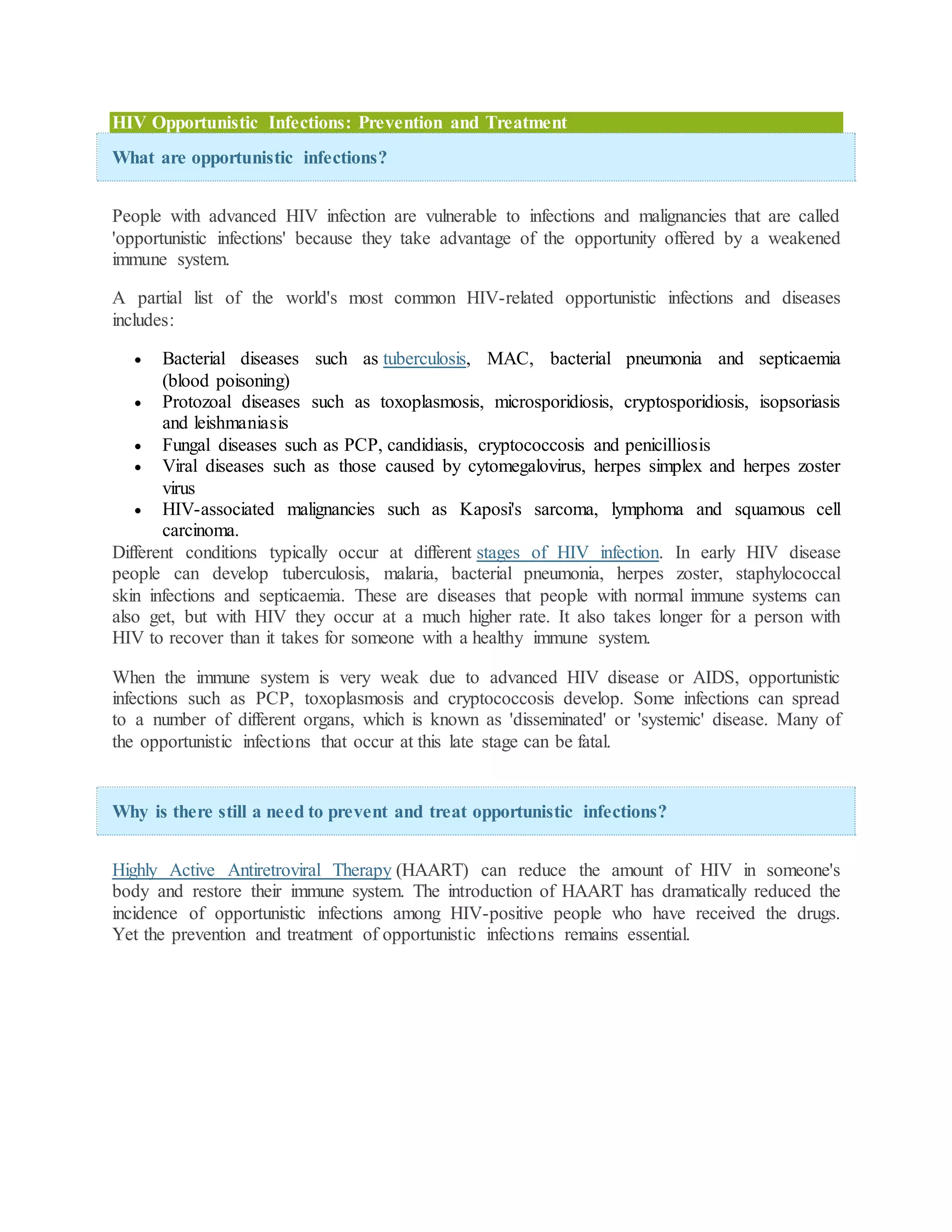
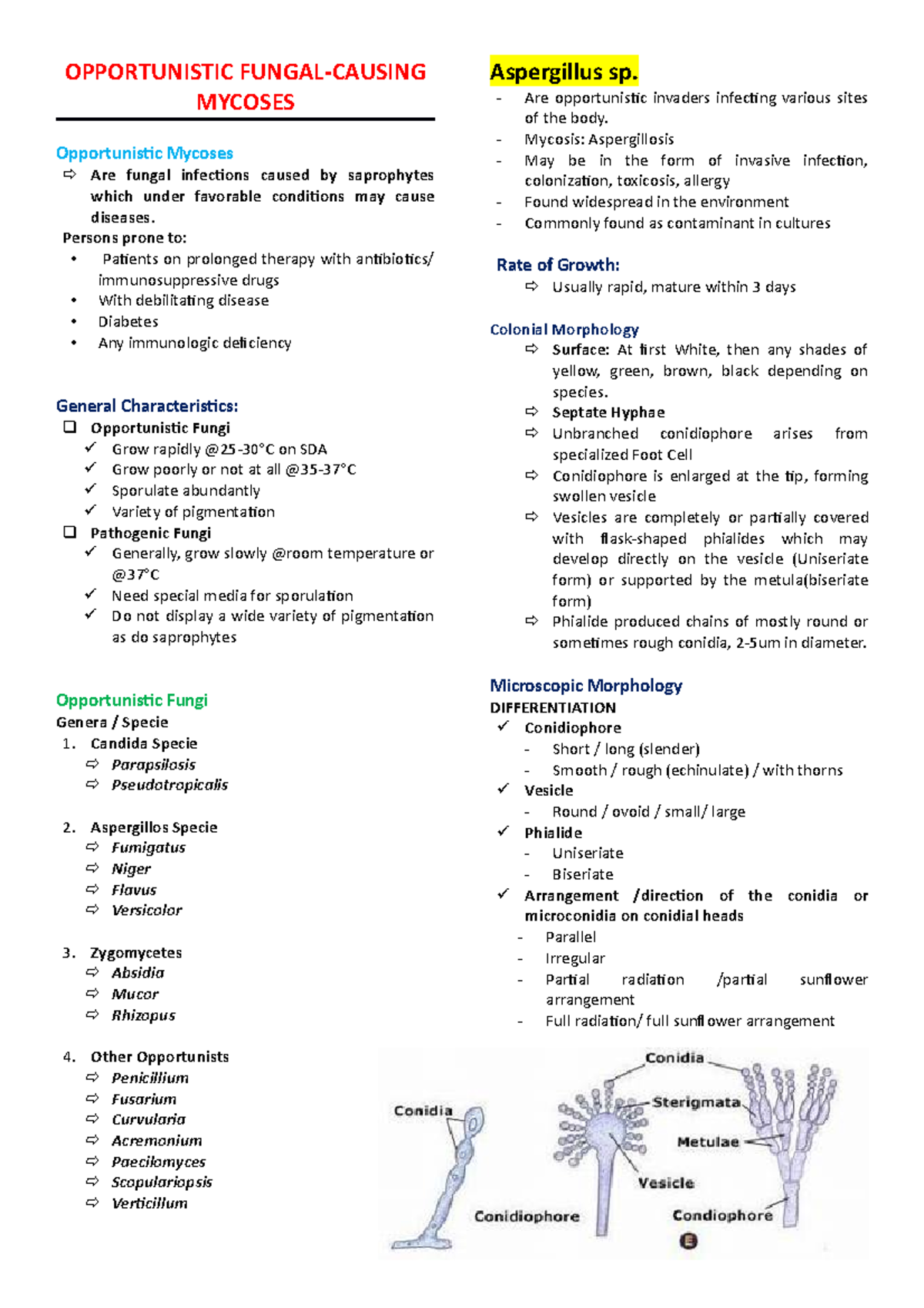
Opportunistic infections are illnesses caused by pathogens—such as bacteria, viruses, fungi, or parasites—that take advantage of a weakened immune system. While these organisms rarely cause disease in healthy individuals, they can lead to severe, life-threatening complications for those with compromised immunity, particularly individuals living with HIV/AIDS, cancer, or organ transplants.
Understanding the Nature of Opportunistic Infections
In the medical landscape of 2026, the management of the immune system has become increasingly sophisticated. However, opportunistic infections (OIs) remain a critical concern for healthcare providers. The defining characteristic of an OI is not necessarily the virulence of the pathogen itself, but rather the "opportunity" provided by the host's diminished defenses.
The human immune system is a complex network of white blood cells, antibodies, and other mechanisms designed to identify and neutralize foreign invaders. In a healthy person, many of the organisms discussed in this article live harmoniously on the skin, in the gut, or are easily cleared upon exposure. When the immune system is suppressed—often measured by a decline in CD4 T-lymphocyte counts—these typically harmless organisms can proliferate uncontrollably, invading tissues and organs.
Immunosuppression can result from several factors:
- HIV/AIDS: The virus specifically targets and destroys CD4 cells.
- Chemotherapy: Cancer treatments often deplete white blood cell counts.
- Organ Transplants: Patients must take immunosuppressive drugs to prevent organ rejection.
- Chronic Conditions: Advanced diabetes, kidney disease, or malnutrition can also dampen immune responses.
The following seven examples represent the most significant opportunistic infections encountered in clinical practice, highlighting the diverse range of pathogens and the specific challenges they pose to vulnerable populations.
1. Candidiasis (Thrush and Esophageal Infection)
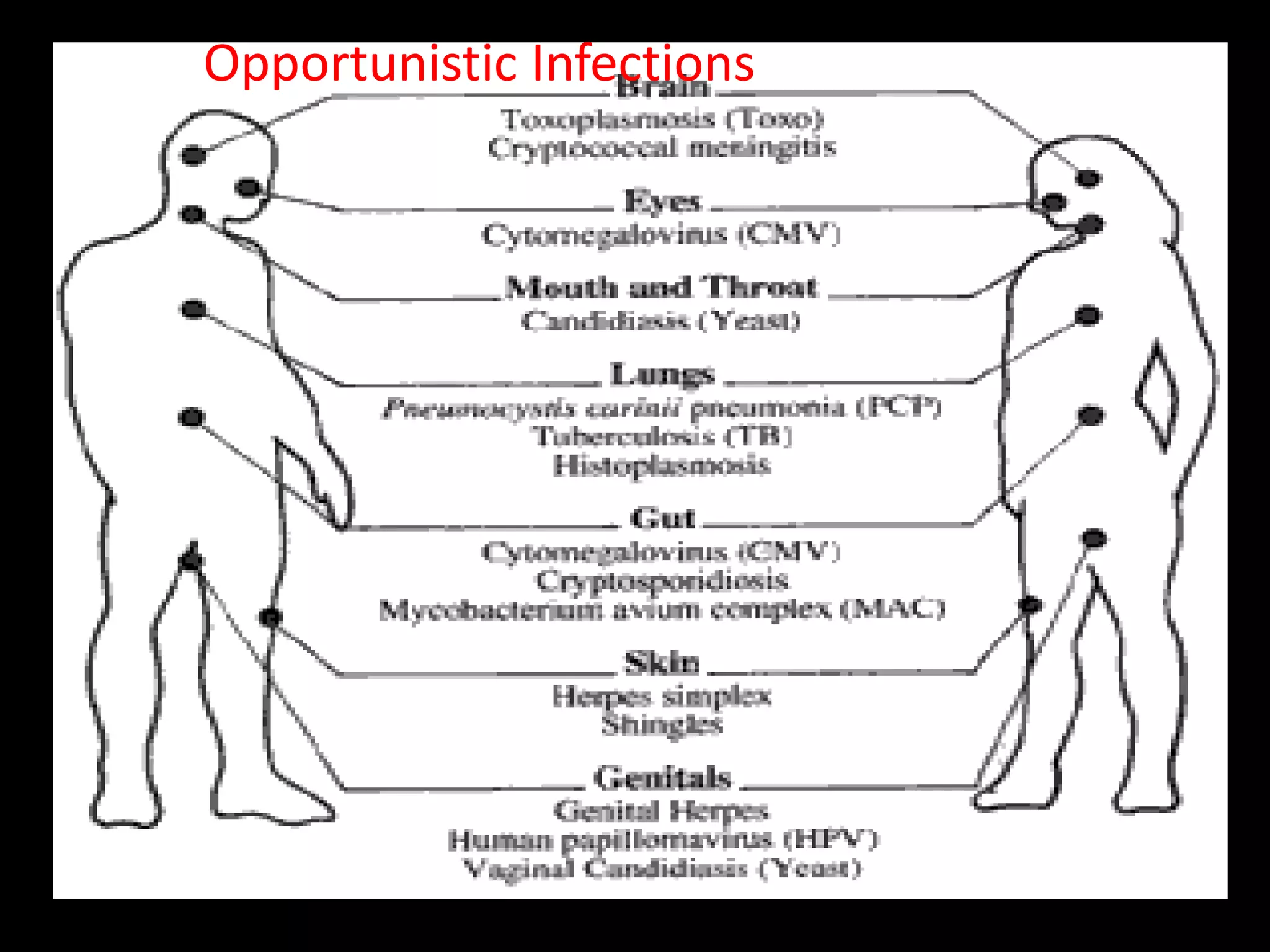
Candidiasis is a fungal infection caused by yeasts that belong to the genus Candida, most commonly Candida albicans. While Candida is a normal inhabitant of the human mouth, digestive tract, and vagina, it becomes opportunistic when the body's natural flora or immune barriers are disrupted.
Oral Candidiasis (Thrush)
In its most common form, known as thrush, the infection manifests as thick, white, "cottage cheese-like" patches on the tongue, inner cheeks, and roof of the mouth. When scraped away, these patches may leave red, bleeding tissue. While uncomfortable, oral thrush is often a precursor or warning sign of worsening immune function.
Esophageal Candidiasis
When the infection spreads deeper into the esophagus, it is classified as an AIDS-defining illness. This condition makes swallowing (dysphagia) extremely painful and can lead to significant weight loss and dehydration. Diagnosis usually requires an endoscopy to visualize the lesions directly.
Treatment and Management: Treatment typically involves antifungal medications such as Fluconazole. In 2026, clinicians emphasize the importance of oral hygiene and monitoring for drug-resistant Candida strains, which have become a growing concern in hospital settings.
2. Pneumocystis Pneumonia (PCP)
Pneumocystis pneumonia, caused by the fungus Pneumocystis jirovecii, is one of the most serious OIs for people with severely weakened immune systems. Before the advent of highly active antiretroviral therapy (HAART), PCP was a leading cause of death among people with HIV/AIDS.
Pathophysiology and Symptoms
The fungus targets the lungs, causing an inflammatory response that fills the air sacs (alveoli) with fluid and debris. This prevents efficient oxygen exchange. Patients typically present with:
- A persistent, dry cough.
- Progressive shortness of breath (dyspnea), especially during exertion.
- Fever and chest tightness.
- Extreme fatigue.
Diagnosis and Prophylaxis
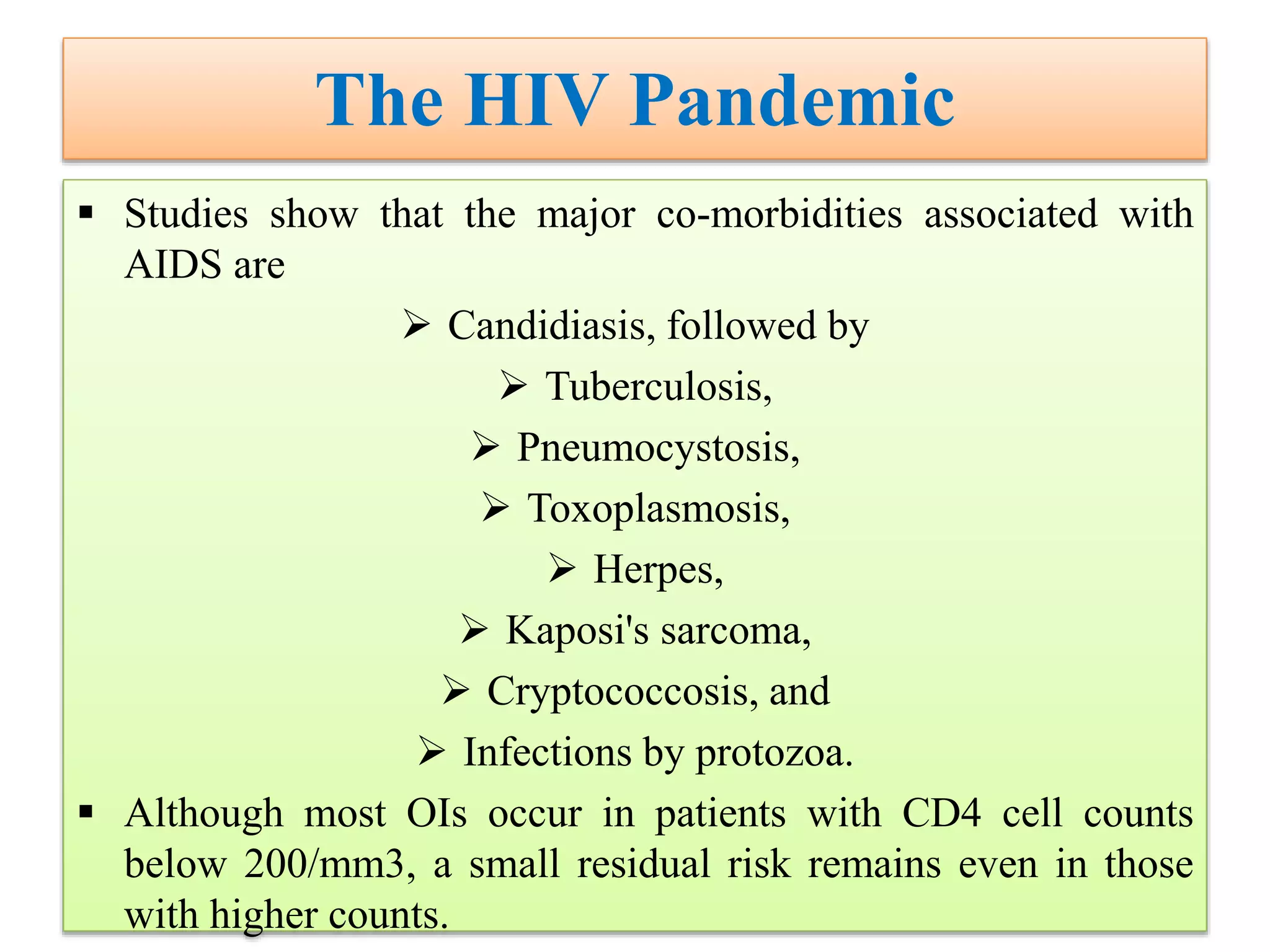
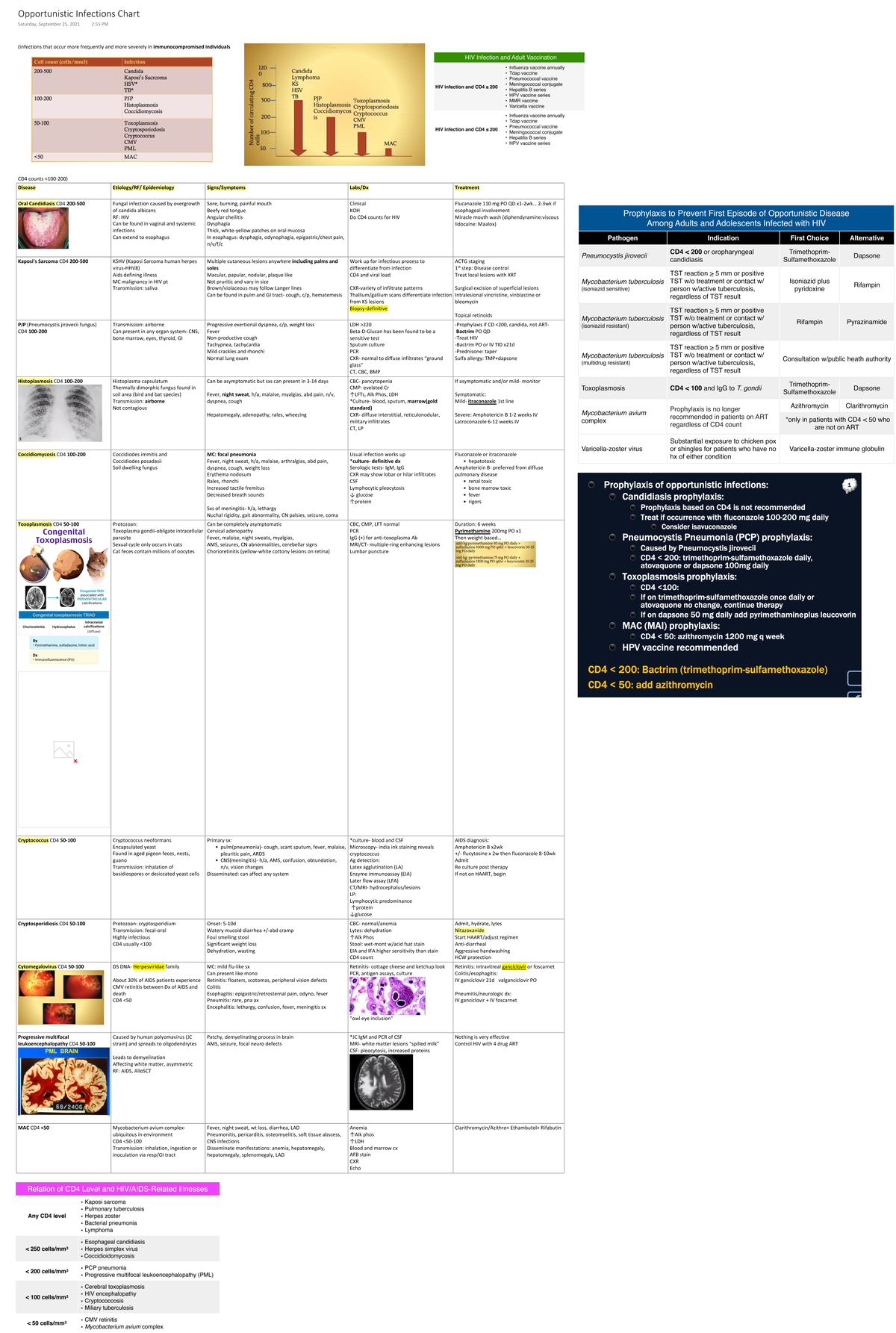
Diagnosis is often confirmed through a sputum induction or a bronchoalveolar lavage, where fluid is rinsed from the lungs and examined under a microscope. Because PCP is so dangerous, patients with CD4 counts below 200 cells/mm³ are routinely prescribed prophylactic (preventative) doses of Trimethoprim-sulfamethoxazole (Bactrim/Septra) to prevent the infection from taking hold.
3. Cryptococcosis
Cryptococcosis is a fungal infection caused primarily by Cryptococcus neoformans. This fungus is found worldwide, often in soil contaminated by bird droppings (particularly pigeons). Humans contract the infection by inhaling microscopic spores.
Cryptococcal Meningitis
In healthy individuals, the immune system walls off the fungus in the lungs. However, in immunocompromised patients, the fungus can enter the bloodstream and travel to the central nervous system, leading to cryptococcal meningitis. This is a life-threatening inflammation of the membranes covering the brain and spinal cord.
Symptoms include:
- Severe headaches and neck stiffness.
- Sensitivity to light (photophobia).
- Confusion, behavioral changes, or hallucinations.
Clinical Intervention: Diagnosis is achieved through a lumbar puncture (spinal tap) to detect the cryptococcal antigen in the cerebrospinal fluid. Treatment is intensive, usually involving intravenous Amphotericin B followed by long-term Fluconazole therapy to prevent recurrence.
4. Toxoplasmosis
Toxoplasmosis is caused by the protozoan parasite Toxoplasma gondii. It is estimated that a significant portion of the global population carries this parasite in a latent (dormant) state, having acquired it from undercooked meat or contact with cat feces.
Toxoplasmic Encephalitis
In people with healthy immune systems, the parasite remains dormant in tissue cysts. If the immune system fails (typically when CD4 counts drop below 100 cells/mm³), the cysts can "reactivate," especially in the brain. This results in toxoplasmic encephalitis, characterized by focal brain lesions.
Key clinical signs include:
- Seizures.
- Motor weakness on one side of the body.
- Speech difficulties.
- Cognitive impairment.
Prevention and Treatment: Prevention strategies in 2026 continue to focus on food safety (cooking meat to internal temperatures of at least 165°F) and avoiding cat litter box maintenance for high-risk individuals. Treatment involves a combination of Pyrimethamine and Sulfadiazine.
5. Cytomegalovirus (CMV)
Cytomegalovirus is a common virus in the herpes family. Like other herpesviruses, once you are infected, the virus stays in your body for life. Most people are infected during childhood or adolescence and never experience symptoms.
CMV Retinitis
In the context of severe immunosuppression (CD4 < 50 cells/mm³), CMV can cause widespread organ damage. The most common and feared manifestation is CMV retinitis, an infection of the eye that can lead to permanent blindness if not treated immediately. Patients may notice "floaters," blurred vision, or blind spots.
Other Manifestations
CMV can also attack the gastrointestinal tract (causing colitis and severe diarrhea) or the nervous system (causing encephalitis or polyradiculopathy).
Management: The advent of Valganciclovir (an oral antiviral) has revolutionized CMV management, though regular ophthalmic exams remain mandatory for those at high risk to catch early signs of retinal detachment or damage.
6. Mycobacterium Avium Complex (MAC)
Mycobacterium Avium Complex refers to a group of bacteria related to the one that causes tuberculosis. These bacteria are ubiquitous in the environment, found in soil, dust, and water.
Disseminated MAC
Unlike TB, which primarily affects the lungs, MAC in immunocompromised hosts often becomes "disseminated," meaning it spreads throughout the entire body via the bloodstream. This leads to a systemic wasting syndrome characterized by:
- High fevers and drenching night sweats.
- Severe weight loss and loss of appetite.
- Anemia and low white blood cell counts.
- Abdominal pain and chronic diarrhea.
Diagnostic Challenges
Because MAC symptoms overlap with many other OIs and the underlying disease (like late-stage AIDS), diagnosis requires blood cultures or tissue biopsies to isolate the bacteria. Treatment involves a multi-drug regimen, typically including Macrolide antibiotics like Azithromycin or Clarithromycin, often continued for several months or years.
7. Tuberculosis (TB)
While Mycobacterium tuberculosis is a primary pathogen that can cause disease in healthy people, it is also considered a major opportunistic infection because it is significantly more likely to progress from latent to active disease in people with weakened immune systems.
The Synergy of TB and HIV
TB is currently the leading cause of death among people living with HIV globally. The two diseases form a lethal synergy: HIV weakens the immune system, allowing TB to flourish, while the immune activation caused by TB further accelerates the replication of HIV.
Extrapulmonary TB
In immunocompromised patients, TB is more likely to present in an extrapulmonary fashion, meaning it affects areas outside the lungs, such as the lymph nodes, brain, bones, or kidneys. This makes diagnosis more complex, often requiring biopsies rather than simple sputum tests.
Treatment Considerations: Managing TB as an OI requires careful coordination because of drug-to-drug interactions between TB medications (like Rifampin) and antiretroviral drugs. The rise of Multi-Drug Resistant TB (MDR-TB) remains a critical global health priority in 2026.
Summary Comparison of Key Opportunistic Infections
The table below provides a concise comparison of these seven infections, their pathogens, and the typical immune threshold at which they become a high risk.
| Infection | Pathogen Type | Primary Organ Affected | Typical CD4 Threshold | Key Symptoms |
|---|---|---|---|---|
| Candidiasis | Fungus | Mouth / Esophagus | < 200 (Esophageal) | White patches, painful swallowing |
| PCP | Fungus | Lungs | < 200 | Dry cough, shortness of breath |
| Cryptococcosis | Fungus | Brain (Meninges) | < 100 | Headache, stiff neck, confusion |
| Toxoplasmosis | Parasite | Brain | < 100 | Seizures, focal neurological deficits |
| CMV | Virus | Eyes (Retina) / GI | < 50 | Vision loss, floaters, diarrhea |
| MAC | Bacteria | Systemic (Blood) | < 50 | Night sweats, weight loss, fever |
| Tuberculosis | Bacteria | Lungs / Systemic | Any (Risk increases as CD4 drops) | Persistent cough, bloody sputum, weight loss |
Prevention and Long-term Management
The landscape of opportunistic infection management has shifted from reactive treatment to proactive prevention. The cornerstone of prevention for those with HIV is Antiretroviral Therapy (ART). By suppressing viral replication and allowing the CD4 count to recover, ART effectively "closes the window" of opportunity for these pathogens.
Prophylactic Strategies
When a patient's immune system is severely compromised, doctors use "primary prophylaxis"—administering medications to prevent an infection before it occurs. For example:
- Bactrim for PCP and Toxoplasmosis.
- Azithromycin for MAC.
Lifestyle and Environmental Precautions
Beyond medication, patients are advised to:
- Practice Food Safety: Avoid raw or undercooked meats, unpasteurized dairy, and unwashed produce.
- Environmental Awareness: Avoid activities that stir up dust or soil (like gardening or construction) and avoid contact with animal waste.
- Water Safety: In some regions, drinking filtered or boiled water is necessary to avoid parasites like Cryptosporidium.
Professional Medical Disclaimer
The information provided in this article is for educational purposes only and should not be used as a substitute for professional medical advice, diagnosis, or treatment. Always seek the advice of your physician or other qualified health provider with any questions you may have regarding a medical condition.
Frequently Asked Questions
Can healthy people catch opportunistic infections?
Most opportunistic pathogens are present in the environment or on our bodies constantly. In people with healthy immune systems, these organisms either cause no illness or a very mild, self-limiting infection. They only become dangerous "opportunists" when the immune system's barriers are significantly breached.
Are opportunistic infections contagious?
It depends on the specific infection. For example, Tuberculosis is highly contagious through airborne droplets. However, infections like PCP or Toxoplasmosis are generally not spread from person to person. They are usually acquired from the environment or result from the reactivation of a dormant pathogen already present in the patient's body.
Is it possible to recover fully from an opportunistic infection?
Yes, with appropriate antimicrobial therapy and, most importantly, the restoration of the immune system (e.g., starting ART for HIV patients), many people recover from OIs. However, some infections like CMV retinitis can leave permanent damage, such as vision loss, even after the infection is cleared.
Why is the CD4 count so important in predicting these infections?
The CD4 count is a snapshot of the immune system's strength. Different pathogens require different levels of "weakness" to invade. By monitoring these levels, doctors can predict which infections a patient is most vulnerable to and start preventative medications at the right time.
How has the treatment of OIs changed by 2026?
In 2026, the focus has shifted toward precision medicine and long-acting injectables for prophylaxis. We also have better diagnostic tools, such as rapid genomic sequencing, which allows doctors to identify the specific strain of a fungus or bacteria and its resistance profile within hours rather than days.
Recommended Next Steps
If you or a loved one are living with a condition that affects the immune system, the most important action is to maintain regular communication with a healthcare provider. Ensure that you are up to date on all recommended vaccinations and that you are adherent to any prescribed immune-stabilizing treatments, such as ART. Monitoring CD4 counts and viral loads remains the most effective way to identify risks early and prevent these opportunistic infections before they can cause serious harm. For more information, consult the Centers for Disease Control and Prevention (CDC) or the World Health Organization (WHO).