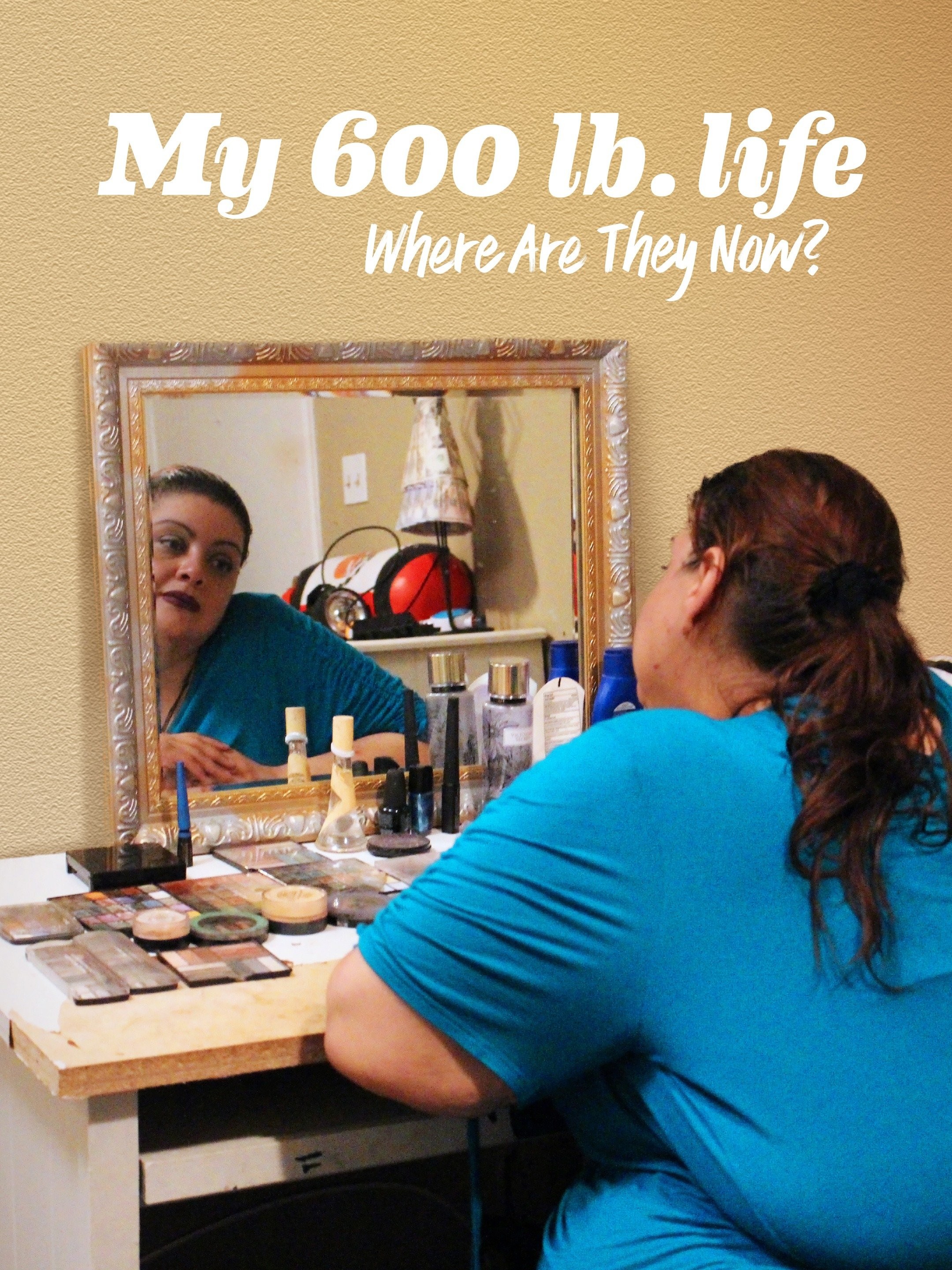
Tracey Matthews achieved a remarkable transformation on TLC’s "My 600-lb Life," overcoming severe Stage 4 lymphedema and a starting weight of 605 pounds. Through rigorous dieting and multiple surgeries, she lost over 200 pounds, successfully reducing the massive swelling in her legs and regaining her mobility and independence.
Tracey Matthews first appeared on our screens during Season 5 of the hit TLC series "My 600-lb Life" in 2017. Her story resonated with millions of viewers not just because of the numbers on the scale, but because of the extreme physical complications she faced. Unlike many other participants who struggled primarily with generalized obesity, Tracey dealt with a debilitating case of lymphedema—a condition that caused her legs to swell to enormous proportions, filled with fluid and infected tissue. This made her journey one of the most medically complex in the show's history. As of 2026, her story remains a cornerstone of the program’s legacy, illustrating the intersection of surgical intervention and long-term lifestyle management.
The Starting Point: Life at 605 Pounds
When Tracey Matthews began her journey in Lorain, Ohio, her life was severely restricted. Weighing 605 pounds, the vast majority of her weight was concentrated in her lower body. She suffered from Stage 4 lymphedema, a chronic condition of the lymphatic system that leads to localized fluid retention and tissue swelling. In Tracey’s case, her legs were so heavy and swollen that she was largely confined to her home, relying heavily on her husband, Anthony, for daily tasks.
The physical burden was compounded by "cellulitis," a common but dangerous bacterial skin infection that often affects those with lymphedema. The constant pain and the threat of sepsis made every day a struggle for survival. Her decision to seek help from Dr. Younan Nowzaradan in Houston, Texas, was a final attempt to reclaim a life that had been overshadowed by her physical limitations.
The Dynamics of Caregiving and Enabling
Tracey's relationship with her husband, Anthony, was a central theme of her episode. Like many participants on the show, the dynamic between the patient and their primary caregiver is often fraught with "enabling" behaviors. Anthony loved Tracey deeply, but his desire to keep her happy often manifested in providing the very foods that contributed to her weight gain.
To succeed in Dr. Nowzaradan’s program, the entire household had to change. The transition from a caregiver who provides comfort through food to a partner who enforces a strict medical diet is a significant psychological hurdle. Tracey had to confront not only her own addiction to food but also the emotional patterns that governed her marriage.
The Medical Challenge: Understanding Stage 4 Lymphedema
Tracey’s case was particularly difficult because Dr. Nowzaradan (often referred to as "Dr. Now") could not perform traditional gastric bypass surgery immediately. In many "My 600-lb Life" episodes, the goal is to get the patient to lose enough weight to safely undergo bariatric surgery. However, for Tracey, the lymphedema posed a severe surgical risk.
Lymphedema occurs when the lymphatic system is damaged or blocked. In morbidly obese patients, the sheer weight of excess fat can compress lymph nodes and vessels, preventing the drainage of lymph fluid. This fluid then accumulates in the soft tissues, usually in the limbs, leading to:
- Fibrosis: The hardening of the skin and underlying tissues.
- Reduced Mobility: The sheer weight of the fluid makes walking nearly impossible.
- Infection Risk: The stagnant fluid is a breeding ground for bacteria, leading to frequent bouts of cellulitis.
Dr. Now insisted that Tracey lose a significant amount of weight—specifically from her upper body and the non-lymphedema areas—to prove she could maintain the diet and to reduce the strain on her heart before any surgical intervention could be considered.
The Transformation: Diet, Discipline, and Surgery
Tracey’s path to weight loss was not a straight line. She faced initial setbacks, struggling to adapt to Dr. Now’s famous 1,200-calorie, high-protein, low-carbohydrate diet. This diet is designed to force the body into ketosis, burning stored fat for energy while preserving muscle mass. For someone used to consuming several thousand calories a day, the restriction is both a physical and psychological shock.
The 1,200-Calorie Regimen
Dr. Now’s diet typically excludes:
- Sugar: Including fruit juices, sodas, and sweets.
- High-Starch Carbohydrates: Bread, pasta, rice, and potatoes.
- High-Calorie Snacks: Chips, crackers, and processed snacks.
Instead, the focus is on lean proteins (chicken breast, fish, tofu) and non-starchy vegetables. Tracey eventually found her rhythm, and the results began to show. By the end of her initial 12-month filming period, she had lost approximately 90 pounds, bringing her weight down to 516 pounds. While this was a massive achievement, the lymphedema remained a major obstacle.
Surgical Intervention and Skin Removal
Unlike many participants who only receive gastric sleeve or bypass surgery, Tracey required specialized "lymphedema masses removal." Once she proved her commitment to the weight loss, Dr. Now performed surgery to remove the massive growths on her legs. This was a turning point. Removing the excess weight from her lower limbs allowed her to walk more freely, which in turn increased her ability to exercise and burn more calories.
In her subsequent "Where Are They Now?" follow-up, it was revealed that Tracey continued to lose weight, eventually dropping over 200 pounds from her peak weight. The removal of skin and lymphatic masses was essential in her "before and after" transition, moving her from a state of near-immobility to an active participant in her own life.
Comparison of Tracey Matthews' Progress
The following table outlines the key milestones in Tracey’s weight loss journey based on her televised appearances and documented updates.
| Stage of Journey | Estimated Weight (lbs) | Primary Focus/Milestone |
|---|---|---|
| Initial Consultation | 605 lbs | Diagnosis of Stage 4 Lymphedema; start of 1,200-calorie diet. |
| Month 12 (End of Ep 1) | 516 lbs | Successful weight loss of 89 lbs; approved for skin removal. |
| Follow-up (WATN) | ~380-400 lbs | Major lymphedema mass removal; increased mobility. |
| Post-Surgical Maintenance | Under 350 lbs | Continued skin removal and focus on long-term mobility. |
| Current Status (2026) | Maintenance | Continued focus on managing lymphedema and healthy living. |
Life in 2026: Maintaining the Progress
As of 2026, Tracey Matthews has largely stepped away from the reality TV spotlight, a choice made by many successful participants who wish to live a normal life post-transformation. Maintaining weight loss after such an extreme intervention requires lifelong dedication. For Tracey, this means more than just watching her calories; it involves the daily management of her lymphedema.
Lymphedema is a chronic condition. Even after surgical removal of excess tissue, the underlying damage to the lymphatic system often remains. In 2026, a patient in Tracey’s position typically utilizes:
- Compression Therapy: Wearing specialized garments to prevent fluid buildup.
- Manual Lymph Drainage (MLD): A form of specialized massage to encourage fluid movement.
- Meticulous Skin Care: Preventing even minor scratches from turning into serious infections.
- Consistent Activity: Walking and movement are crucial for "pumping" lymph fluid through the body.
Tracey’s success is a testament to her resilience. While she may not be a frequent poster on social media, the updates she has shared over the years show a woman who has reclaimed her role in her family. She is no longer the person who needs constant care; instead, she is able to enjoy time with her children and grandchildren, a goal she stated clearly at the beginning of her journey.
Psychological and Emotional Hurdles
The "after" in a "before and after" story is never just about the body. Tracey had to address the underlying reasons for her food addiction. For many on "My 600-lb Life," food is a coping mechanism for past trauma or emotional distress.
Tracey worked through the psychological barriers of being "stuck." The shame associated with her lymphedema often kept her hidden away, which created a cycle of depression and overeating. Breaking that cycle required professional therapy—a standard part of Dr. Now’s requirements. By addressing her mental health, she was able to sustain her physical health.
Lessons from Tracey’s Journey
Tracey Matthews’ story offers several critical takeaways for anyone facing a significant health or weight challenge:
- Medical Complications Aren't Dead Ends: Even with a condition as severe as Stage 4 lymphedema, progress is possible with the right medical guidance.
- Consistency Over Perfection: Tracey had months where the scale didn't move as much as she hoped, but she stayed the course.
- The Importance of Support: Her husband Anthony had to transition from an enabler to a support system, proving that the environment is as important as the individual.
- Mobility is Freedom: For Tracey, weight loss was about more than aesthetics; it was about the ability to walk to the mailbox, play with her family, and live without constant pain.
Frequently Asked Questions
Did Tracey Matthews get weight loss surgery?
Yes, Tracey eventually qualified for surgical intervention. However, her journey was unique because she first required the surgical removal of massive lymphedema growths on her legs. Once her weight was managed and the lymphedema was addressed, she was able to undergo the procedures necessary to aid her long-term weight loss.
How much weight did Tracey Matthews lose in total?
While exact figures fluctuate as she maintains her health in 2026, Tracey lost over 200 pounds from her peak weight of 605 lbs. Her most significant "Where Are They Now?" update showed her reaching the 300s, a transformation that fundamentally changed her quality of life.
What is the current health status of Tracey Matthews?
As of 2026, Tracey is reportedly doing well and maintaining a much healthier lifestyle. She continues to manage her chronic lymphedema, which requires daily care, but she has maintained the majority of her weight loss and remains mobile.
Is Tracey Matthews still married to Anthony?
During her last public updates and follow-up episodes, Tracey and Anthony remained married. They worked through the challenges of her weight loss journey together, and Anthony transitioned from her primary caregiver to her partner in a more active lifestyle.
Why were Tracey’s legs so swollen?
Tracey suffered from a severe form of lymphedema. This occurs when the lymphatic system cannot properly drain fluid, causing it to pool in the limbs. In the morbidly obese, this is often exacerbated by the pressure of excess weight on the lymph nodes, leading to massive, heavy growths that can become infected.
Practical Recommendations for Long-Term Success
For those inspired by Tracey’s journey, the following steps are essential for managing extreme weight loss and chronic conditions like lymphedema:
- Seek Specialized Medical Advice: If you have swelling in your limbs, consult a lymphedema specialist or a vascular surgeon. General weight loss may not be enough to solve the issue.
- Prioritize Protein: Following a high-protein, low-carb diet helps maintain muscle mass while losing fat, which is vital for metabolic health.
- Focus on Small Gains: Tracey didn't lose 200 pounds overnight. Focus on the first 10 pounds, then the next.
- Address Mental Health: Seek counseling to understand your relationship with food. Sustainable weight loss is as much a mental game as a physical one.
- Stay Active: Even if it’s just moving your arms or legs while seated, circulation is key to preventing fluid buildup and maintaining heart health.
Tracey Matthews remains one of the most memorable figures from "My 600-lb Life." Her "before and after" is a powerful reminder that no matter how insurmountable a medical obstacle may seem, a combination of expert medical care, family support, and personal determination can lead to a transformed life.