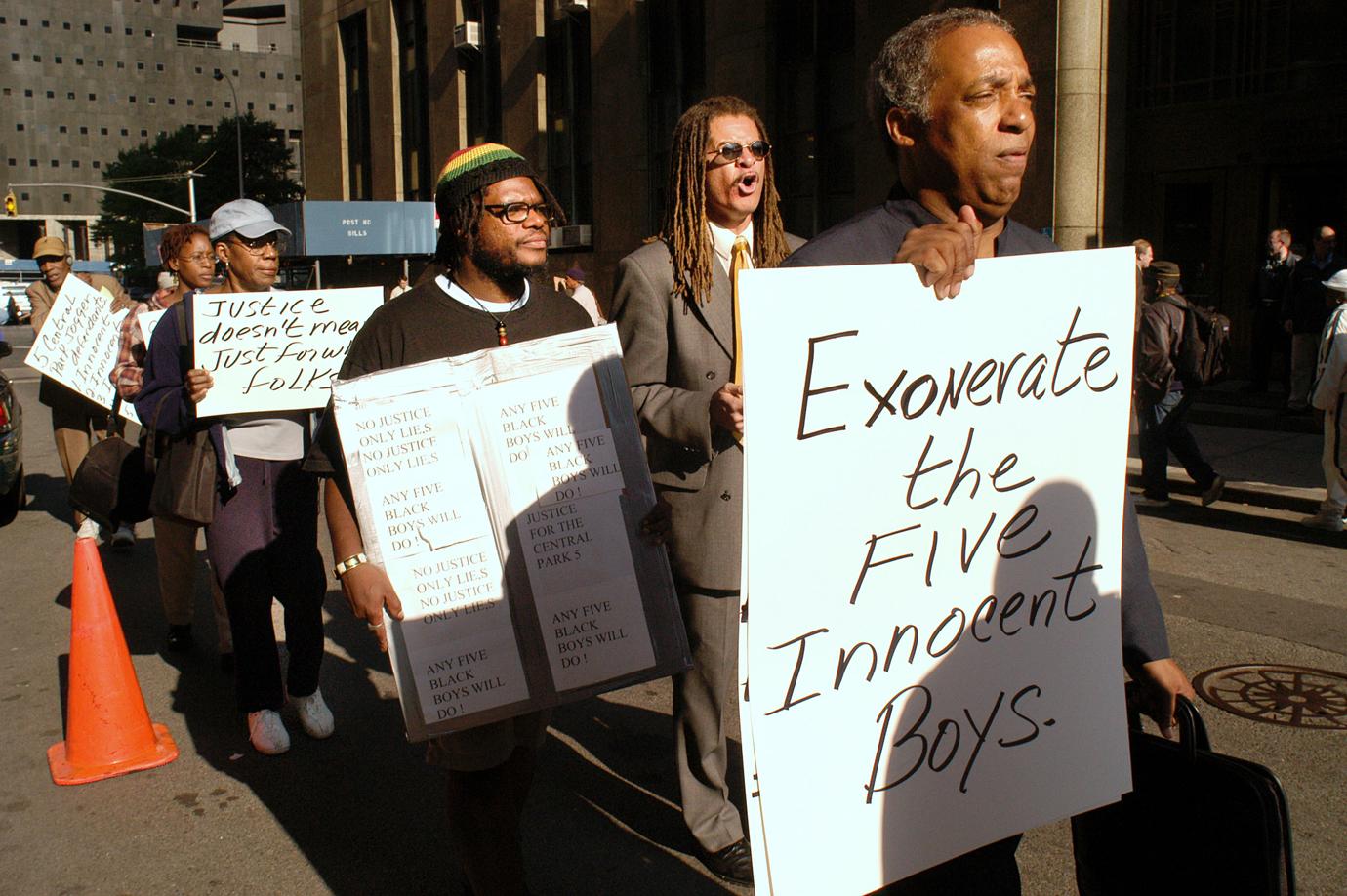
The "Central Park Five" refers to Antron McCray, Kevin Richardson, Raymond Santana, Yusef Salaam, and Korey Wise, who were wrongfully convicted of the 1989 assault on Trisha Meili. While Meili was the physical victim of a brutal crime, the five men became victims of a systemic judicial failure, eventually being exonerated in 2002 through DNA evidence.
The 1989 Central Park jogger case remains one of the most high-profile and controversial instances of wrongful conviction in American history. It is a case defined by two distinct groups of victims: Trisha Meili, who survived a horrific physical assault, and five teenagers from Harlem who were coerced into false confessions and spent years in prison for a crime they did not commit. As of 2026, the legacy of this case continues to shape discussions around criminal justice reform, the reliability of juvenile confessions, and the role of racial bias in the legal system.
Trisha Meili: The Physical Victim of the 1989 Assault
On the night of April 19, 1989, Trisha Meili, a 28-year-old investment banker, went for a run in Manhattan's Central Park. She was brutally attacked, raped, and left for dead in a shallow ravine. When she was found, she had lost 75% of her blood and suffered severe brain trauma. Doctors initially doubted she would survive the night; she remained in a coma for 12 days.
Meili’s recovery was nothing short of miraculous, though she was left with permanent scars, a diminished sense of smell, and no memory of the attack itself. For years, she was known to the public only as "The Central Park Jogger," a symbol of a city under siege by rising crime rates. It wasn’t until 2003 that she revealed her identity in her memoir, I Am the Central Park Jogger: A Story of Hope and Possibility.
In the decades since the attack, Meili has become a motivational speaker and an advocate for victims of sexual assault and traumatic brain injury. Her perspective on the case is unique; while she suffered the direct physical consequences of the crime, she has also had to navigate the complex emotional landscape of knowing that the men originally convicted of the crime were innocent, while the true perpetrator, Matias Reyes, went unpunished for over a decade.
The Exonerated Five: Victims of a Systemic Failure
The five teenagers—Antron McCray (15), Kevin Richardson (14), Raymond Santana (14), Yusef Salaam (15), and Korey Wise (16)—were arrested shortly after the attack. Despite a total lack of physical evidence linking them to the scene, they were subjected to hours of aggressive interrogation without legal counsel or, in several cases, their parents present.
The "victims" in this context were young boys who were coerced into providing conflicting videotaped confessions. These confessions were the primary basis for their convictions in 1990. The prosecution’s narrative suggested they were part of a "wolf pack" that had been "wilding" in the park that night—terms that the media amplified, fueling public outrage and racial tension.
Profiles of the Exonerated Five
| Name | Age at Arrest | Years Served | Post-Exoneration Status (2026) |
|---|---|---|---|
| Antron McCray | 15 | 6 years | Private citizen; advocate for justice reform. |
| Kevin Richardson | 14 | 5.5 years | Activist and speaker; focuses on juvenile rights. |
| Raymond Santana | 14 | 5 years | Entrepreneur and advocate; founder of Park Madison NYC. |
| Yusef Salaam | 15 | 6.5 years | NYC Council Member; public speaker and author. |
| Korey Wise | 16 | 12 years | Activist; founder of the Korey Wise Innocence Project. |
The Mechanics of a Wrongful Conviction
The conviction of the five teenagers was not an accident; it was the result of specific procedural and societal pressures. In 1989, New York City was experiencing a peak in violent crime, and the police were under immense pressure to solve high-profile cases quickly.
Coerced Confessions
The primary driver of the conviction was the set of videotaped confessions. Experts in false confessions have since analyzed these tapes, noting that the boys were deprived of sleep and food and were told they could "go home" if they simply corroborated the police's version of events. Because they were juveniles, they were particularly susceptible to the "Reid Technique" and other high-pressure interrogation tactics.
Lack of Forensic Linkage
Crucially, there was no DNA evidence connecting any of the five to Trisha Meili. While semen was found at the crime scene, it did not match any of the suspects. In 1990, the prosecution argued that there must have been "other participants" who were never caught, a theory the jury accepted despite the lack of physical proof.
The Role of Media and Public Figures
The media played a significant role in vilifying the teenagers before they even went to trial. In May 1989, Donald Trump took out full-page advertisements in four New York newspapers calling for the return of the death penalty for the attackers. This climate made a fair trial nearly impossible, as the defendants had already been convicted in the court of public opinion.
The 2002 Exoneration: The Truth Emerges
The narrative of the case shifted dramatically in 2002 when Matias Reyes, a serial rapist and murderer already serving a life sentence, confessed to the attack. Reyes claimed he acted alone and provided details about the crime that only the perpetrator could have known.
Subsequent DNA testing confirmed that the semen found on Meili matched Reyes and Reyes alone. This discovery completely dismantled the prosecution’s original "wolf pack" theory. In December 2002, on the recommendation of the Manhattan District Attorney’s office, a judge vacated the convictions of McCray, Richardson, Santana, Salaam, and Wise.
For Korey Wise, the exoneration came after 12 years in the adult prison system, where he suffered significant physical and psychological trauma. His story is often highlighted as the most harrowing, as he was the only one of the five to be sent directly to adult facilities like Rikers Island and Auburn Correctional Facility due to being 16 at the time of the arrest.
The $41 Million Settlement and Legal Recourse
Following their exoneration, the five men filed a civil lawsuit against the City of New York for malicious prosecution, racial discrimination, and emotional distress. For over a decade, the city, under Mayor Michael Bloomberg’s administration, fought the lawsuit, arguing that the police and prosecutors had acted in good faith based on the evidence available at the time.
In 2014, under the administration of Mayor Bill de Blasio, the city settled the case for $41 million. This equated to roughly $1 million for every year each man spent incarcerated. While the settlement provided financial stability, the men have frequently stated that no amount of money could compensate for the loss of their youth and the stigma they carried for over a decade.
Social and Political Legacy as of 2026
By 2026, the case of the Exonerated Five has become a foundational case study in law schools and criminal justice programs worldwide. Its impact is visible in several key areas of public life.
Legislative Changes
The case was a primary catalyst for the "recorded interrogation" laws now prevalent in many jurisdictions. In New York, it is now mandatory to video-record interrogations for serious offenses to ensure that confessions are not coerced and to provide a clear record of the techniques used by law enforcement.
Political Representation
Yusef Salaam’s journey from a prison cell to the New York City Council is perhaps the most visible transformation of the group. Elected to represent Harlem in 2023, Salaam’s presence in the council in 2026 serves as a living reminder of the need for oversight in the justice system. He has used his platform to advocate for the "Korey Wise Innocence Project" and other initiatives aimed at preventing wrongful convictions.
Cultural Impact
The 2019 Netflix miniseries When They See Us, directed by Ava DuVernay, brought the case to a new generation. By 2026, the series is viewed as a definitive cultural touchstone that shifted the public’s perception of the men from "suspects" to "victims of the system." This shift in language—from "The Central Park Five" to "The Exonerated Five"—was a crucial step in their reclamation of their identities.
The Modern Perspective on Trisha Meili
While much of the modern discourse focuses on the exonerated men, Trisha Meili’s role as a survivor remains a critical part of the narrative. In 2026, her advocacy for brain injury survivors continues to be influential. She has maintained a dignified presence, often emphasizing that the tragedy of the case was twofold: the violence she suffered and the subsequent injustice inflicted upon five innocent youths.
Her experience highlights a critical failure in the justice system: when the wrong people are prosecuted, the actual perpetrator remains free to commit further crimes. Matias Reyes committed several other rapes and a murder after the 1989 attack, crimes that might have been prevented had the investigation focused on forensic evidence rather than coerced statements.
Frequently Asked Questions
Who was the actual perpetrator in the Central Park jogger case?
The actual perpetrator was Matias Reyes, a serial rapist and murderer. He confessed to the crime in 2002 while serving a life sentence for other offenses. DNA evidence confirmed his sole involvement in the attack on Trisha Meili.
How much did the Exonerated Five receive in their settlement?
The five men received a total settlement of $41 million from the City of New York in 2014. The payout was distributed based on the amount of time each person served in prison, averaging approximately $1 million per year of incarceration.
Where is Yusef Salaam in 2026?
In 2026, Yusef Salaam is serving as a member of the New York City Council, representing District 9 (Harlem). He was elected in 2023 and has become a prominent voice for criminal justice reform and civil rights.
Did the Central Park Five ever get an apology from the city?
Yes, the 2014 settlement was seen by many as a de facto apology, although the city did not officially admit to legal wrongdoing. However, various city officials, including Mayor Bill de Blasio, have publicly expressed regret over the "manifest injustice" the men faced.
What happened to the detectives and prosecutors involved in the case?
The lead prosecutor, Elizabeth Lederer, and the head of the sex crimes unit, Linda Fairstein, faced significant public backlash following the 2019 miniseries When They See Us. Both resigned from various board positions and teaching roles, although they have consistently defended their actions during the original investigation.
Practical Recommendations for Supporting Justice Reform
To prevent future occurrences of wrongful convictions like those seen in the Central Park jogger case, citizens and legal professionals can take several proactive steps:
- Advocate for Mandatory Recording: Support legislation that requires the full, unedited video recording of all police interrogations, particularly for juveniles and those accused of violent crimes.
- Support Innocence Organizations: Groups like the Innocence Project work to exonerate the wrongfully convicted through DNA testing and provide essential support services for exonerees re-entering society.
- Promote Legal Representation: Ensure that all suspects, regardless of age or economic status, have access to competent legal counsel from the moment they are taken into custody.
- Educate on False Confessions: Awareness of how and why innocent people confess to crimes they didn't commit is vital for jurors and the general public to understand the limitations of confession-based evidence.