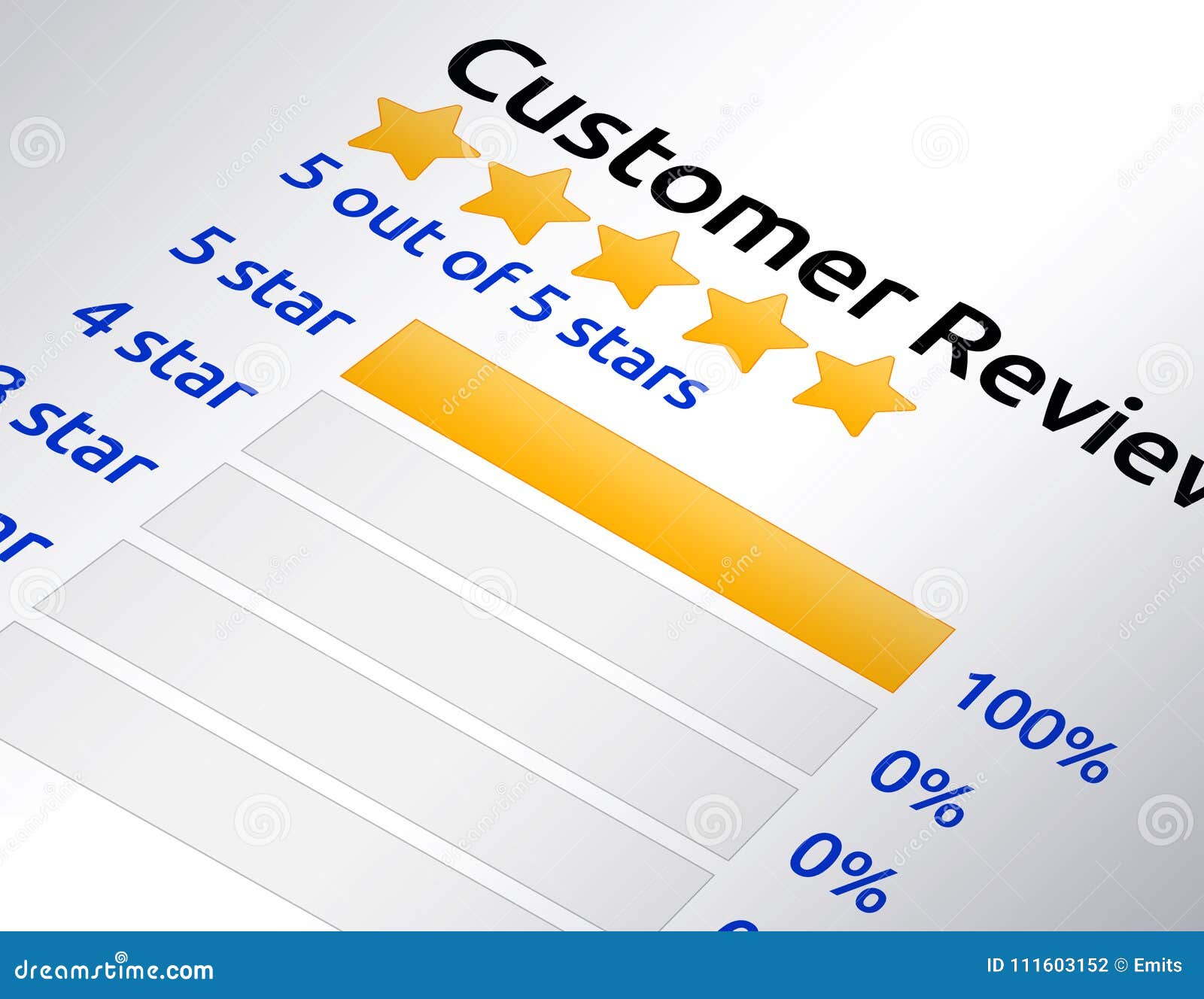
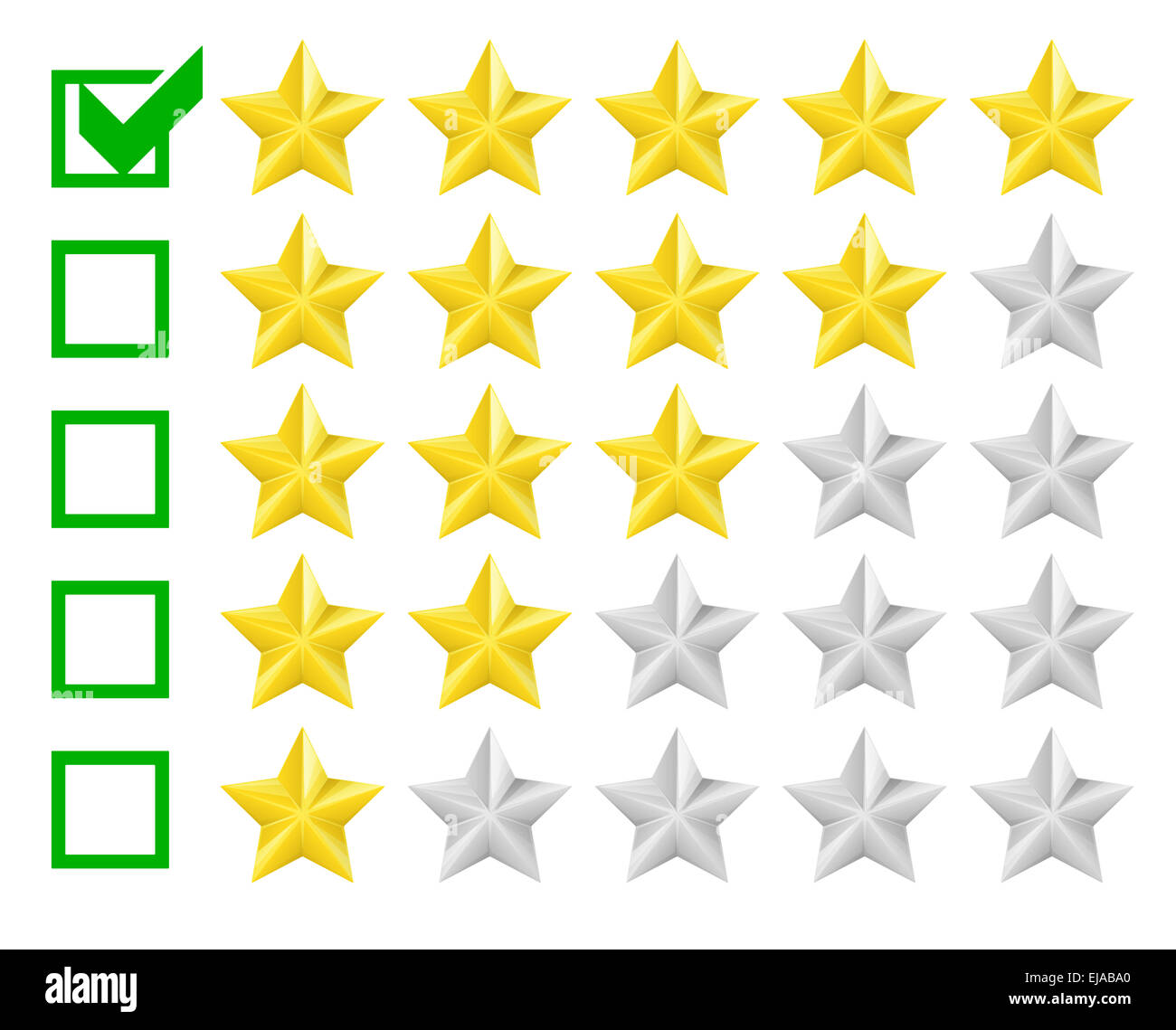
A 5 out of 5 star rating represents the highest possible score in a five-point feedback system, signifying total user satisfaction or product excellence. It serves as a critical trust signal that influences consumer behavior, search engine rankings, and brand credibility by providing a quantitative snapshot of qualitative experiences.
In the landscape of 2026, the 5 out of 5 star rating remains the undisputed gold standard of social proof. While digital marketplaces and service platforms have evolved to include AI-generated summaries and sentiment analysis, the visual shorthand of five golden stars continues to be the primary driver for "click-through" decisions. Whether a consumer is choosing a local restaurant, an enterprise software solution, or a medical professional, the aggregate rating acts as a psychological shortcut, reducing the perceived risk of a transaction.
The Evolution and Standardization of the 5-Point Scale
The five-star system is a variation of the Likert Scale, a psychometric scale commonly used in research to represent people's attitudes and opinions. Traditionally, the five points correspond to:
- One Star: Strongly Dissatisfied / Poor
- Two Stars: Dissatisfied / Below Average
- Three Stars: Neutral / Average
- Four Stars: Satisfied / Above Average
- Five Stars: Strongly Satisfied / Excellent
In 2026, this scale has been refined by modern platforms to account for "review inflation." Because many consumers now view a 4-star rating as "mediocre" and anything below a 3 as "broken," the 5 out of 5 rating has become the baseline requirement for visibility in competitive niches. This shift has forced businesses to move beyond mere competence and strive for exceptionalism to maintain their standing in algorithm-driven marketplaces.
The Business Value of a 5-Star Rating
The correlation between a perfect or near-perfect rating and revenue is well-documented. For every star increased on a platform like Yelp or Google Business, research has historically shown a 5% to 9% increase in revenue. However, by 2026, this impact has deepened due to the integration of star ratings into voice search and AI personal assistants.
When a user asks an AI assistant to "find the best plumber near me," the underlying algorithm filters results based on a combination of proximity, relevance, and—most importantly—the aggregate rating. A business with a 5 out of 5 star rating is significantly more likely to be the "featured" recommendation than one with a 4.2, even if the latter has more reviews. This "winner-take-all" dynamic in AI discovery makes the pursuit of the 5-star rating a survival necessity rather than a vanity metric.
Furthermore, a perfect rating acts as a powerful conversion tool. It lowers the cost of customer acquisition (CAC) because the social proof does the heavy lifting of persuasion. When a product page displays a 5/5 rating, the "friction" in the buyer's journey is minimized, leading to higher checkout rates and fewer abandoned carts.
The Mathematics of the Star Rating: Mean vs. Weighted
Not all 5 out of 5 star ratings are calculated equally. Understanding the underlying mathematics is crucial for businesses trying to optimize their scores. Most platforms use one of two primary methods:
The Arithmetic Mean (Simple Average)
This is the most basic calculation where the sum of all star values is divided by the total number of reviews. If a business has ten 5-star reviews and one 1-star review, the average is 4.6. The weakness of this system is that it is highly susceptible to "review bombing" (a sudden influx of negative reviews) and does not account for the age of the review.
Weighted Bayesian Averages
Sophisticated platforms like Amazon, IMDb, and major App Stores now use weighted averages. This method gives more "weight" to reviews from verified purchasers, reviews marked as "helpful" by others, and more recent feedback. In 2026, these algorithms also incorporate "trust scores" for the reviewers themselves. A 5-star rating from a "Top Contributor" carries more mathematical weight than a 5-star rating from a new, unverified account. This prevents the manipulation of scores through bot networks and incentivizes authentic customer engagement.
The "Paradox of Perfection": Why 4.8 Often Beats 5.0
While a 5 out of 5 star rating is the goal, there is a documented psychological phenomenon where a "perfect" 5.0 score can actually decrease consumer trust if it isn't backed by a significant volume of reviews. Consumers have become increasingly skeptical of "too good to be true" profiles.
In many sectors, a 4.7, 4.8, or 4.9 rating is considered more authentic and trustworthy than a flat 5.0. This is because:
- Authenticity: A few 4-star or even 3-star reviews suggest the business is real and hasn't suppressed negative feedback.
- Expectation Management: A perfect 5.0 sets an impossibly high bar. If a customer experiences even a minor hiccup, they feel the business has failed its "perfect" promise.
- The "J-Curve" Distribution: Naturally occurring reviews usually follow a J-shaped curve—mostly 5s, some 4s, and a few 1s (usually from outliers or misunderstandings). A profile with only 5s looks statistically improbable to the modern, savvy consumer.
The objective, therefore, is not just to reach 5 out of 5, but to maintain a high volume of positive reviews that keep the aggregate score in the 4.8 to 5.0 range.
Technical SEO and Schema Markup Implementation
For digital entities, the 5-star rating is not just a visual icon but a piece of structured data that communicates directly with search engine crawlers. By implementing Schema.org markup (specifically the AggregateRating property), businesses can enable "Rich Snippets" in search results.
These snippets display the stars directly on the Search Engine Results Page (SERP). This is critical for 2026 SEO because:
- Increased CTR: Results with star ratings see a significantly higher click-through rate than plain text results.
- Visual Dominance: The golden stars draw the eye, making the result stand out even if it isn't in the #1 position.
- AI Training Data: AI models use structured data to categorize "high-quality" vs. "low-quality" entities.
Key Schema Properties for Ratings
To correctly implement a 5-star rating in code, the following properties must be defined:
ratingValue: The average score (e.g., 4.9).bestRating: The highest possible score (5).worstRating: The lowest possible score (1).ratingCount: The total number of people who provided a rating.reviewCount: The number of actual written reviews (often different from the rating count).
Strategies for Achieving and Maintaining a 5-Star Rating
Achieving a 5 out of 5 star rating requires a proactive strategy that spans product quality, customer service, and feedback management.
1. Optimize the "Aha!" Moment
A 5-star rating is usually given when a product or service exceeds expectations. Identifying the specific moment where a customer feels the most value—and then prompting for a review shortly after—is the most effective way to capture a 5-star sentiment.
2. Frictionless Feedback Loops
The harder it is to leave a review, the less likely a satisfied customer will do it. Conversely, an angry customer will jump through hoops to complain. To balance the scale, businesses must make the 5-star process effortless. In 2026, this involves one-click email ratings, QR codes on physical packaging, and NFC-enabled "tap-to-rate" stations at physical locations.
3. Rapid Resolution of Negative Feedback
A 1-star experience can often be turned into a 5-star review if the business responds and resolves the issue within 24 hours. Many platforms allow users to edit their ratings. A public display of a business solving a problem is often more persuasive to prospective customers than a history of "perfect" experiences.
Comparison of Feedback Metrics
While the 5-star system is the most popular, it is often used alongside other metrics to provide a fuller picture of performance.
| Metric Type | Scale | Primary Use Case | Strength | Weakness |
|---|---|---|---|---|
| 5-Star Rating | 1 to 5 | E-commerce, Local SEO, Apps | Universally understood, visual. | Subject to "rating inflation." |
| Net Promoter Score (NPS) | -100 to +100 | Customer Loyalty, SaaS | Measures long-term advocacy. | Can be abstract for customers. |
| Binary (Thumbs) | Up / Down | YouTube, Netflix, Content | Simple, high participation rate. | Lacks nuance of "quality" levels. |
| 10-Point Scale | 1 to 10 | Reviews (IMDb), Professional Services | High granularity for experts. | Too many choices can cause fatigue. |
| CSAT Score | 0% to 100% | Customer Support, Post-Ticket | Direct measure of a specific task. | Doesn't reflect overall brand health. |
Managing Reputation Risks in 2026
In the current year, 2026, the risks associated with star ratings have become more complex. Review Bombing—where groups of people or AI-driven bots flood a page with 1-star reviews to tank a rating—is a common weapon in corporate and political rivalries.
To protect a 5 out of 5 star rating, businesses must:
- Monitor in Real-Time: Use reputation management software that alerts staff the moment a rating drops.
- Verify Identity: Use "Verified Purchaser" tags whenever possible to differentiate between actual customers and malicious actors.
- Legal Recourse: Understand the current regulations (such as the 2024 FTC updates regarding fake reviews) to take action against demonstrably false feedback that damages a business's "star" reputation.
Frequently Asked Questions
Is it possible to remove a 1-star review to get back to a 5-star rating?
In most cases, you cannot remove a review simply because it is negative. Most platforms (Google, Amazon, Yelp) will only remove reviews that violate their Terms of Service, such as those containing profanity, hate speech, or clear evidence of a conflict of interest. The most effective way to "remove" the impact of a 1-star review is to bury it under a high volume of legitimate 5-star reviews and respond professionally to the negative one.
Does a 5-star rating directly improve my search engine ranking?
Yes, but indirectly. While a star rating itself is a "trust signal" rather than a direct ranking factor in the core algorithm, it significantly improves Click-Through Rates (CTR). Higher CTR tells search engines that your result is relevant to users, which can lead to a higher organic ranking over time. Additionally, for local SEO, the aggregate rating is a primary factor in the "Map Pack" rankings.
Why did my 5.0 rating drop to 4.9 even though I only got one 4-star review?
This is due to the weighted average or the simple arithmetic mean. If you have a small number of reviews, a single 4-star review has a heavy mathematical impact. For example, if you have four 5-star reviews and get one 4-star review, your average becomes (5+5+5+5+4)/5 = 4.8. You need a much larger volume of 5-star reviews to "dilute" the impact of a single lower score.
Can I offer discounts or payments for 5-star ratings?
No. In 2026, global regulations against "incentivized reviews" are stricter than ever. Offering a discount, gift card, or payment in exchange for a 5-star rating can lead to your business being permanently banned from platforms like Google or Amazon and can result in significant fines from consumer protection agencies. You may, however, ask for "honest feedback."
How many reviews do I need for a 5-star rating to be credible?
While there is no "magic number," most consumers look for at least 20 to 50 reviews before they trust an aggregate score. For high-ticket items or professional services, this number may need to be higher. A 5.0 rating with only 3 reviews is often viewed with suspicion or ignored as statistically insignificant.
Practical Recommendation for 2026
To achieve and sustain a meaningful 5 out of 5 star rating, shift your focus from "collecting stars" to "systematizing excellence." Start by implementing Schema.org AggregateRating on your website to ensure your current successes are visible in search results. Simultaneously, establish a post-purchase automated feedback loop that asks customers for a rating within the first 48 hours of their experience. If the feedback is less than 5 stars, route it immediately to a customer success representative for "service recovery" before it is published publicly. By treating the rating as a living metric of operational health rather than a static goal, you ensure long-term visibility and trust in an increasingly AI-driven market.